
Safety
General information, not medical advice
Your prescriber and the leaflet in your pack know your situation. This page does not.
- Follow your prescriber and the leaflet
- Don't start, stop, or change a dose on your own
- Doses and warnings differ by country and product
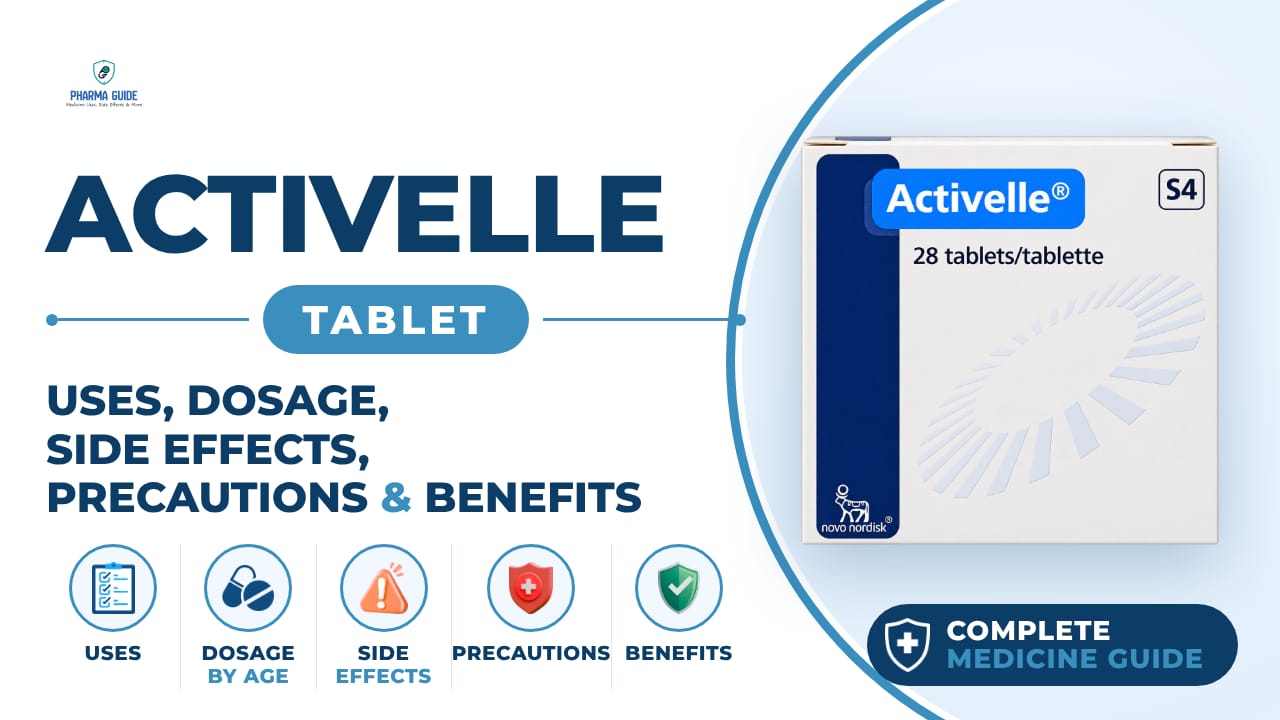
Activelle Tablet: Uses, Dosage, Side Effects, Precautions and Alternates
| Generic name | estradiol / norethindrone acetate |
|---|---|
| Drug class | sex hormone combinations |
| Forms | Tablet |
Quick overview
Activelle Tablet is a hormone replacement therapy (HRT) containing estradiol and norethindrone acetate, used by postmenopausal women who still have their uterus. It relieves moderate-to-severe menopause symptoms such as hot flashes and vaginal dryness, and helps prevent bone loss after menopause. It belongs to the sex hormone combinations drug class and is taken as a tablet.
What is Activelle Tablet
Activelle is a hormone replacement therapy (HRT) tablet containing two hormones, estradiol and norethindrone acetate. It is used by postmenopausal women who still have their uterus to relieve moderate-to-severe menopause symptoms, such as hot flashes and vaginal dryness, and to help prevent bone loss after menopause.
Activelle Tablet uses
- Relieves moderate to severe hot flashes, flushing, and sweating caused by menopause
- Treats vulvar and vaginal atrophy (dryness, itching, burning, and pain during sex caused by low estrogen)
- Helps prevent postmenopausal osteoporosis (bone loss) in women at high risk who cannot use other treatments
Benefits of Activelle Tablet
- Lowers hot flashes, night sweats, mood swings, and sleep issues caused by falling estrogen levels
- Reduces vaginal dryness, itching, and pain during intercourse
- Helps prevent bone loss and osteoporosis in women at high risk who cannot use other treatments
How Activelle Tablet works
Activelle contains estradiol, a form of estrogen identical to what your body naturally makes, which replaces the estrogen that drops after menopause and eases symptoms. It also contains norethindrone acetate, a progestin hormone, which helps protect the lining of the uterus from overgrowing, a change that could otherwise raise the risk of uterine cancer.
Activelle Tablet dosage
You may start taking this medicine on any day that is convenient for you, unless you are switching from another cyclical hormone therapy, in which case you should start right after any withdrawal bleeding has ended. Take it at the same time each day. Once you finish all the tablets in a pack, start the new pack right away without any break.
If you miss a dose, do not take a double dose the next day; just take your next tablet at the regular time, though missing a dose may increase the chance of breakthrough bleeding or spotting. Your doctor should prescribe the lowest dose that controls your symptoms and for the shortest time needed.
| Age group | Dose |
|---|---|
| Under 18 years | Not indicated for pediatric use; no established pediatric dosage |
| 40–74 years | 0.5 mg/0.1 mg or 1 mg/0.5 mg once daily, depending on menopausal symptoms and the locally approved formulation |
| 75 years and older | No established age-specific dose; systemic HRT is generally not routinely initiated at this age because of increased health risks |
Available forms and strengths
- Tablet
Side effects of Activelle Tablet
Common
- Headache
- Irregular vaginal bleeding or spotting, especially in the first few months of treatment
- Change in cervical mucus
- Vaginal and genital itching
- Breast pain, tenderness, swelling or enlargement
- Hot flushes
- Bloating
- Back or neck pain
- Muscle spasms or leg cramps
- Weight changes
- Hair loss or extra hair growth
- Acne
- Skin discoloration, especially on the face or neck
- Nausea
- Mood changes, insomnia, and fluid retention (swelling in hands or feet)
Serious
- Signs of a heart attack: crushing chest pain or chest heaviness
- Signs of a blood clot in the leg: leg swelling or pain
- Signs of a blood clot in the lungs: chest pain, coughing blood, sudden shortness of breath, or trouble breathing
- Signs of a blood clot in the eye: sudden partial or complete loss of vision
- Signs of a stroke: sudden severe headache, vomiting, dizziness, fainting, vision or speech problems, or weakness/numbness in the face, arm, or leg
- Jaundice (yellowing of skin or eyes)
- Inflammation of a vein: pain, redness, and bulging of the vein
- Severe allergic reaction: hives, itching, swelling, very low blood pressure, rapid heartbeat, sweating
- Severe skin rash with target-shaped sores (erythema multiforme)
- Persistent sad mood (depression)
- Unexpected or prolonged vaginal bleeding
- Breast lump
- Increase in blood pressure
- Gallstones or gallbladder disease
- Migraine
Warnings and precautions
- This medicine can increase the risk of blood clots, stroke, and heart attack, a risk that may continue even after stopping the medicine. The risk is higher if you have high blood pressure, high cholesterol, diabetes, are overweight, or smoke.
- Using this medicine for a long time may increase the risk of endometrial, breast, or uterine cancer. It should not be used by women who have had their uterus removed.
- This medicine may increase the risk of dementia, especially in women 65 years of age and older.
- This medicine may increase the risk of gallbladder disease.
- Do not use this medicine if you have undiagnosed vaginal bleeding, active liver disease, a history of blood clots, or estrogen-dependent tumors.
- Clinical studies found an increased risk of invasive breast cancer, heart attack, stroke, and blood clots in postmenopausal women taking combined estrogen plus progestin therapy compared to those taking a placebo.
- Do not use estrogen with or without progestin to prevent heart disease, stroke, or dementia.
- Before any surgery or emergency treatment, tell your doctor or dentist you are using this medicine. You may need to stop taking it 4 to 6 weeks before an operation to lower the risk of blood clots.
- This medicine is not a contraceptive. If it has been less than 12 months since your last period or you are under 50, you may still need additional birth control.
- Do not use this medicine if you are pregnant or think you might be pregnant. It is unlikely a postmenopausal woman would become pregnant, but using this medicine during pregnancy could harm an unborn baby. Tell your doctor right away if you think you have become pregnant.
- Do not use this medicine if you are breastfeeding.
- Tell your doctor if you have a history of kidney disease before starting this medicine.
- Do not use this medicine if you have liver disease and your liver function tests have not returned to normal. Tell your doctor if you have a history of liver disease, liver tumors, jaundice, or itching related to estrogen use or pregnancy.
- Alcohol: No major direct interaction is established, but alcohol may worsen certain menopausal symptoms and increase other health risks.
- Driving: Activelle is not generally associated with significant sedation. Avoid driving if dizziness or another adverse effect impairs alertness.
Storage
- Keep this and all drugs out of the reach of children.
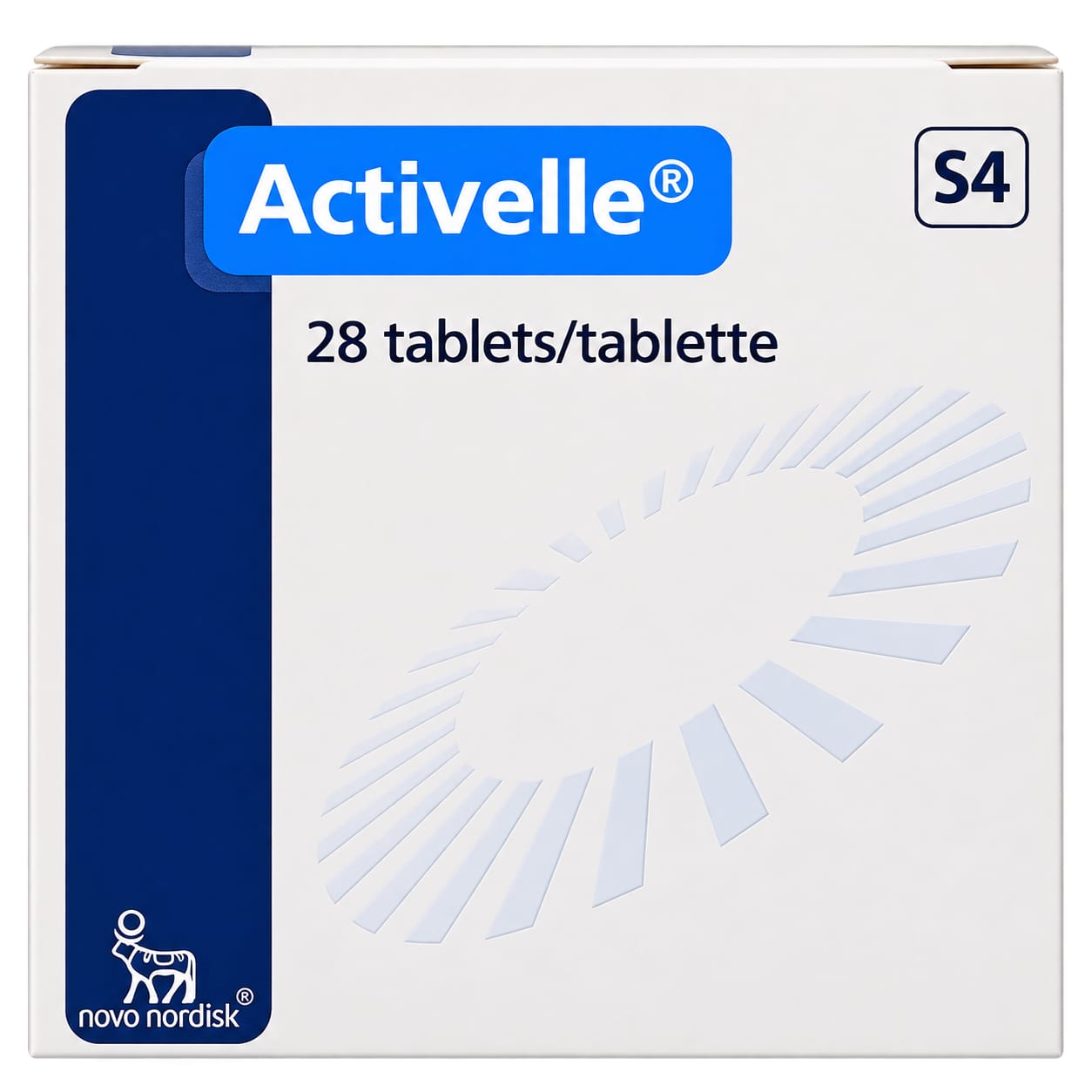
- Keep Activelle® at room temperature (15° - 25°C) away from heat and humidity. Store in a dry place. Protect from light by keeping the dial-pack inside the outer carton.
- Do not store any of your medications near the cooking area of the kitchen, the shower area of the bathroom or the glove compartment of your car as the temperature in these locations may go above normal room temperature from time to time. Do not store the calendar dial-pack in the refrigerator.
- Do not use Activelle® after the expiry date printed on the label of the calendar dial-pack and on the carton.
When to see a doctor
- Get immediate medical help if you have signs of a heart attack, such as crushing chest pain or chest heaviness.
- Get immediate medical help if you have signs of a stroke, such as sudden severe headache, vomiting, dizziness, fainting, vision or speech trouble, or weakness/numbness in the face, arm, or leg.
- Get immediate medical help if you have signs of a blood clot in the leg, such as leg swelling or pain, or a blood clot in the lungs, such as chest pain, coughing blood, or sudden shortness of breath.
- Get immediate medical help if you have sudden partial or complete loss of vision, which could be a sign of a blood clot in the eye.
- Get immediate medical help if your skin or eyes turn yellow (jaundice).
- Get immediate medical help for signs of a severe allergic reaction, including hives, itching, swelling, very low blood pressure, or rapid heartbeat.
- Contact your doctor immediately if you have chest pain, confusion, trouble speaking, double vision, headaches, or inability to move your arms, legs, or face.
- Check with your doctor immediately if you have abnormal vaginal bleeding.
- Check with your doctor immediately if you have severe headache or sudden loss of vision or any other change in vision.
- If you think you have taken too much of this medicine, contact your healthcare professional or hospital emergency department immediately, even if you have no symptoms.
Alternatives
- Kliovance
- Femoston
- Bijuva
- Activella
Watch the video
FAQs
What is Activelle Tablet used for?
It relieves moderate-to-severe menopause symptoms like hot flashes, flushing, and vaginal dryness, and helps prevent postmenopausal osteoporosis in women at high risk who cannot use other treatments.
How does Activelle Tablet work?
It contains estradiol, which replaces the estrogen lost after menopause to ease symptoms, and norethindrone acetate, a progestin that protects the uterine lining from overgrowth that could raise uterine cancer risk.
What should I do if I miss a dose of Activelle Tablet?
Do not take a double dose; just take your next tablet at the regular time. Missing a dose may increase the chance of breakthrough bleeding or spotting.
What are the serious risks of Activelle Tablet?
It can increase the risk of blood clots, stroke, heart attack, dementia, and endometrial, breast, or uterine cancer, especially with long-term use.
Can Activelle Tablet be used during pregnancy or breastfeeding?
No, it should not be used if you are pregnant, think you might be pregnant, or are breastfeeding, as it could harm an unborn baby.
General information, not medical advice
Your prescriber and the leaflet in your pack know your situation. This page does not.
- Follow your prescriber and the leaflet
- Don't start, stop, or change a dose on your own
- Doses and warnings differ by country and product
Sources
Video
Related medicines
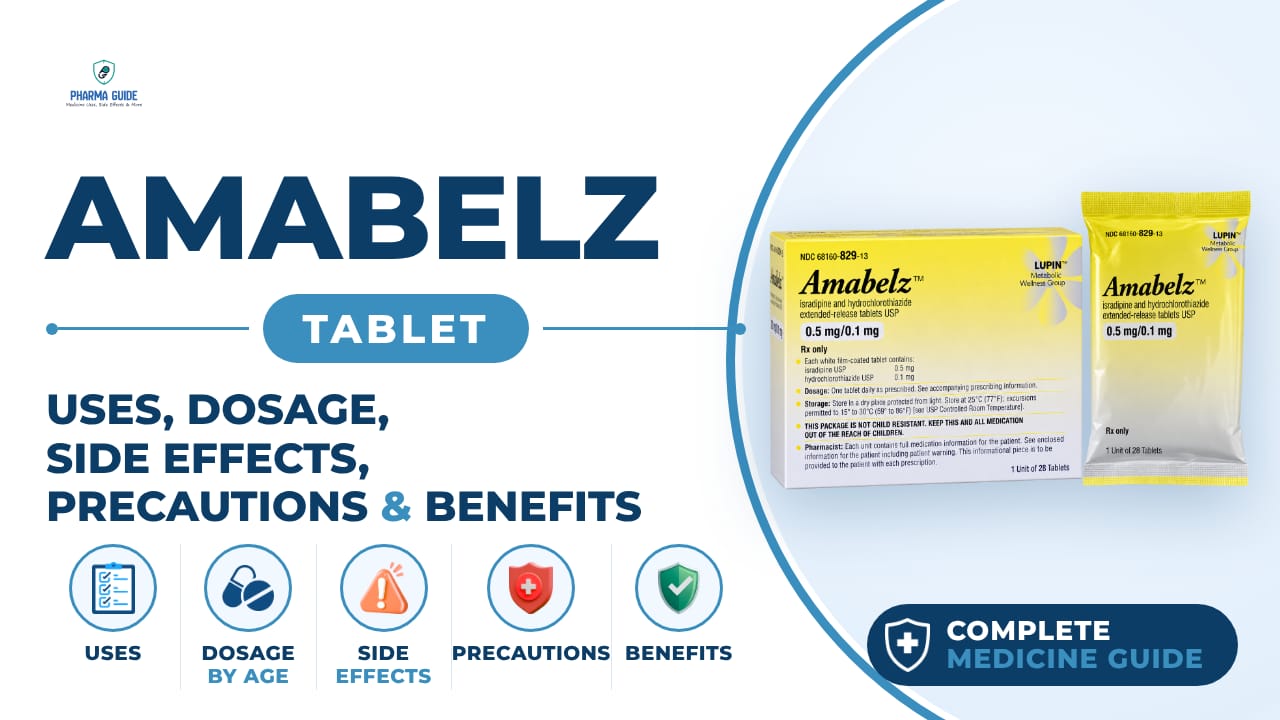
Amabelz Tablet: Uses, Dosage, Side Effects, Precautions and Alternates
sex hormone combinations
Amabelz Tablet combines estradiol and norethindrone acetate to treat menopausal hot flashes, vaginal changes, and help prevent osteoporosis. Learn dosage, side

Myfembree Tablet: Uses, Dosage, Side Effects, Precautions and Alternates
Sex hormone combinations
Myfembree treats heavy bleeding from uterine fibroids and endometriosis pain in premenopausal women. Learn how it works, dosage, side effects, and warnings.