
Safety
General information, not medical advice
Your prescriber and the leaflet in your pack know your situation. This page does not.
- Follow your prescriber and the leaflet
- Don't start, stop, or change a dose on your own
- Doses and warnings differ by country and product
Ativan Tablet: Uses, Dosage, Side Effects, Precautions and Alternates
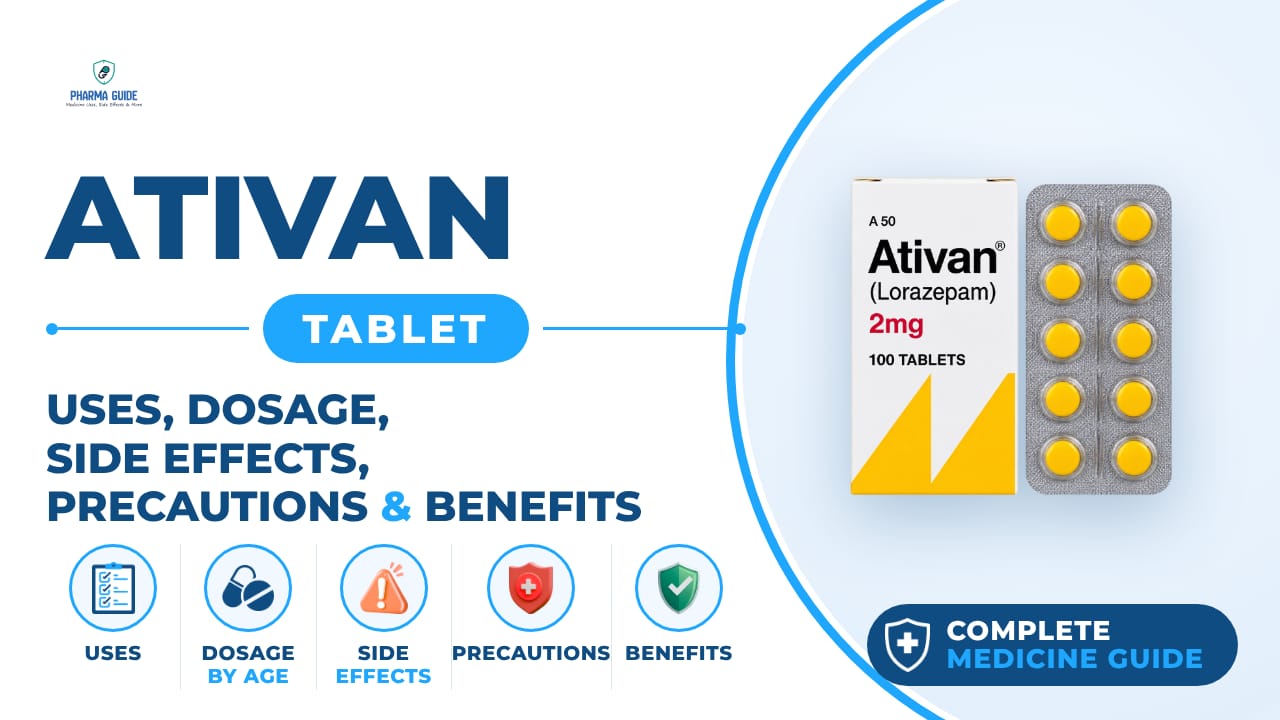
| Generic name | lorazepam |
|---|---|
| Drug class | Benzodiazepine |
| Forms | Tablet, Injection (intravenous or intramuscular solution) |
Quick overview
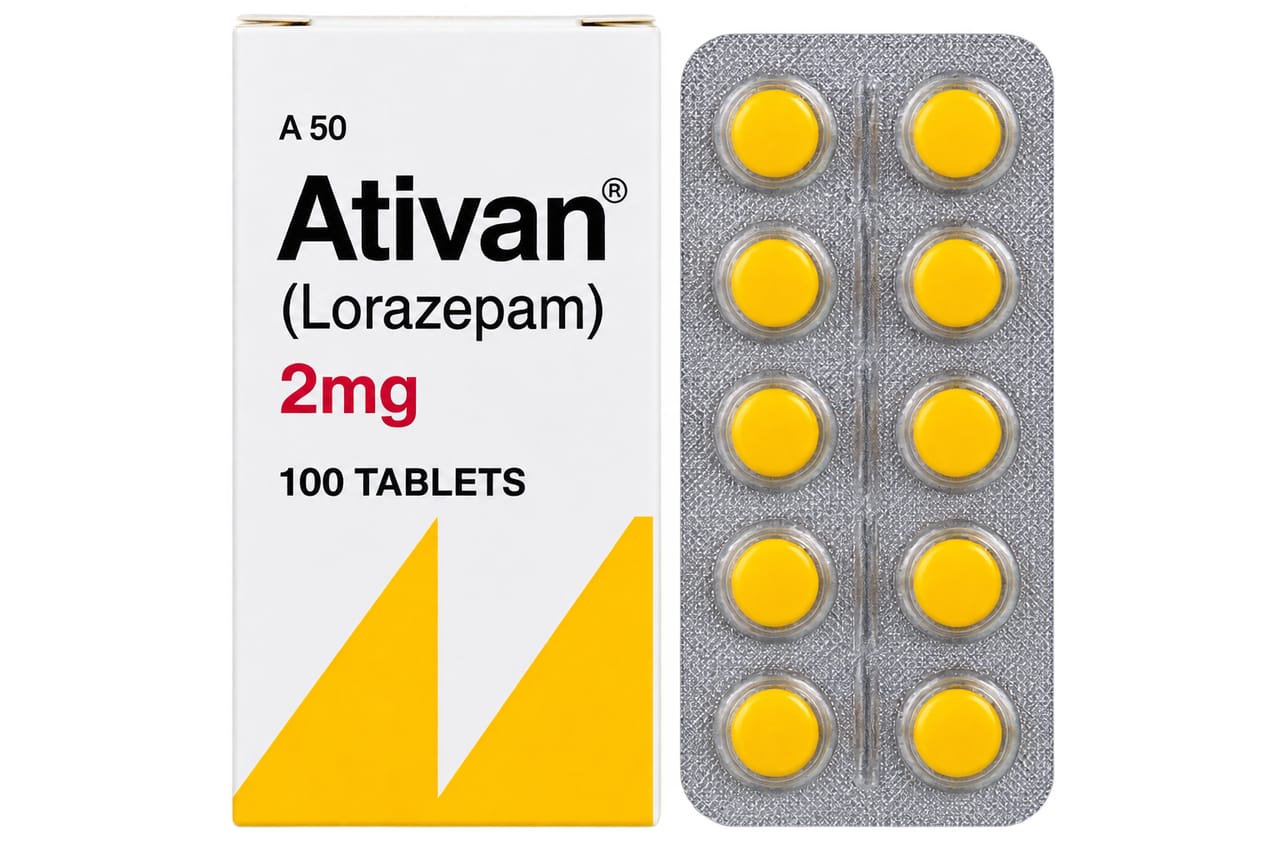
Ativan Tablet, known generically as lorazepam, is a prescription benzodiazepine that works by calming activity in the brain and nervous system. It is used to treat anxiety disorders and related conditions, and in some cases for insomnia linked to anxiety, nausea from cancer treatment, or agitation from alcohol withdrawal. Ativan should always be taken exactly as prescribed, and sudden discontinuation should be avoided without medical guidance.
What is Ativan Tablet
Ativan is a prescription medicine that belongs to a group of drugs called benzodiazepines. It affects brain chemicals to help calm the nervous system.
Ativan Tablet uses
- Treating anxiety disorders in adults and children at least 12 years old
- Short-term relief of anxiety symptoms or anxiety with depressive symptoms
- Treating insomnia caused by anxiety or temporary situational stress
- Treating nausea and vomiting from cancer treatment (when prescribed for this use)
- Controlling agitation caused by alcohol withdrawal (when prescribed for this use)
Benefits of Ativan Tablet
- Helps manage symptoms of anxiety disorders
- Provides short-term relief from anxiety-related sleep problems
- May help control agitation and nausea in certain situations when prescribed by a doctor
How Ativan Tablet works
Ativan works by calming activity in the brain and nervous system, which helps reduce anxiety.
Ativan Tablet dosage
Take Ativan exactly as your doctor prescribed, following the directions on your prescription label. You can take the tablets with or without food. Do not take more of this medicine or use it for longer than prescribed. Do not stop taking Ativan suddenly without talking to your doctor first, since this can cause serious withdrawal symptoms. If it is used regularly, try to take it at the same time each day. Older adults may need a lower dose and should use extra caution. Do not share this medicine with anyone else.
| Age group | Dose |
|---|---|
| Under 12 Years | Use only if prescribed by a doctor |
| 12–17 Years | Individualized dose based on condition |
| Adults (18–64 Years) | 1–3 mg daily, divided into doses as prescribed |
| Older Adults (65+ years) | 0.5–1 mg daily initially; dose adjusted based on response |
Available forms and strengths
- Tablet
- Injection (intravenous or intramuscular solution)
Side effects of Ativan Tablet
Common
- Dizziness
- Sedation/drowsiness
- Weakness
- Feeling unsteady or loss of coordination
- Headache
- Nausea
- Blurred vision
- Change in sexual interest/ability
- Constipation
- Heartburn
- Change in appetite
Serious
- Severe drowsiness or trouble waking up
- Slow or shallow breathing
- Confusion, unusual changes in mood or behavior, being agitated or talkative
- Seizures
- Depression, thoughts of suicide or hurting yourself
- Aggression or hallucinations
- Vision changes
- Dark urine or jaundice (yellowing of skin or eyes)
- Signs of an allergic reaction: hives, difficulty breathing, swelling of face, lips, tongue, or throat
- Signs of infection such as sore throat that doesn't go away, fever, chills
Warnings and precautions
- Ativan can slow or stop your breathing, especially if you have recently used opioid medication, alcohol, or other drugs that slow breathing. This can be fatal.
- Misusing Ativan can cause addiction, overdose, or death.]
- Keep this medicine where others cannot access it. Do not stop using Ativan without asking your doctor first.
- Stopping suddenly after long-term use can cause life-threatening withdrawal symptoms, and some withdrawal symptoms may last up to a year or longer. Do not use Ativan if you have narrow-angle glaucoma, severe breathing problems, myasthenia gravis, or an allergy to Valium or similar medicines.
- Taking Ativan with opioid medicines can cause severe sedation, breathing problems, coma, and death.
- Tell your doctor if you are pregnant or planning to become pregnant. Using Ativan late in pregnancy can cause sedation or withdrawal symptoms in a newborn baby, and the baby may need medical treatment.
- Talk to your doctor about the best way to feed your baby if you take Ativan, since the drug passes into breast milk and can cause drowsiness, feeding problems, or slow weight gain in a nursing baby.
- Tell your doctor if you have kidney disease, since your dose may need to be adjusted.
- Tell your doctor if you have liver disease. Ativan should be used carefully in people with severe liver problems, and lower doses may be needed.
- Do not drink alcohol while taking Ativan, since this can cause dangerous side effects or death.
- Avoid driving or doing anything that requires alertness until you know how Ativan affects you, since it can cause dizziness or drowsiness that may lead to falls or accidents.
Storage
- Store the tablets at room temperature, away from moisture and heat
- Store at 25°C (77°F); excursions permitted to 15° to 30°C (59° to 86°F)
- Keep bottles tightly closed
- Keep out of reach of children
- Keep your medicine in a place where no one can use it improperly
When to see a doctor
Get medical help right away if you stop using Ativan and notice unusual muscle movements, being more active or talkative than usual, sudden and severe mood or behavior changes, confusion, hallucinations, seizures, or thoughts about suicide. Get emergency medical help if you have signs of an allergic reaction: hives, difficulty breathing, or swelling of your face, lips, tongue, or throat. A caregiver should seek emergency medical help if you have slow breathing with long pauses, blue-colored lips, or if you are hard to wake up. Call your doctor right away if you have severe drowsiness, unusual mood or behavior changes, agitation, restlessness, seizures, depression, thinking problems, thoughts of suicide or self-harm, confusion, aggression, hallucinations, sleep problems, vision changes, dark urine, or yellowing of the skin or eyes. If you think you have taken too much Ativan, contact a poison control center or go to the emergency room right away.
Alternatives
- Alprazolam
- Diazepam
- Buspirone
Watch the video
FAQs
What is Ativan Tablet used for?
Ativan is used to treat anxiety disorders, short-term anxiety symptoms, insomnia caused by anxiety or stress, and when prescribed, nausea from cancer treatment or agitation from alcohol withdrawal.
How does Ativan Tablet work?
Ativan works by calming activity in the brain and nervous system, which helps reduce anxiety.
What is the typical adult dosage of Ativan Tablet?
Adults aged 18 to 64 typically take 1-3 mg daily, divided into doses as prescribed, while older adults may start at a lower dose of 0.5-1 mg daily, adjusted based on response.
Can I stop taking Ativan Tablet suddenly?
No, you should not stop taking Ativan suddenly without talking to your doctor, since this can cause serious and potentially life-threatening withdrawal symptoms that may last up to a year or longer.
What are the serious side effects of Ativan Tablet?
Serious side effects include severe drowsiness, slow or shallow breathing, confusion, seizures, depression or thoughts of suicide, aggression, hallucinations, vision changes, and signs of an allergic reaction.
General information, not medical advice
Your prescriber and the leaflet in your pack know your situation. This page does not.
- Follow your prescriber and the leaflet
- Don't start, stop, or change a dose on your own
- Doses and warnings differ by country and product
Sources
Video
Related medicines
Lonazep Tablet: Uses, Dosage, Side Effects, Precautions and Alternates
Benzodiazepine
Lonazep Tablet contains clonazepam, used for anxiety, panic attacks, insomnia, and epilepsy. Learn about dosage, benefits, side effects, and precautions.
Benzodiazepines Capsule: Uses, Dosage, Side Effects, Precautions and Alternates
Benzodiazepine
Benzodiazepines Capsule (Diazepam) treats severe anxiety, muscle spasms, seizures, and alcohol withdrawal. Learn uses, dosage, side effects, and precautions.