Avelox Tablet: Uses, Dosage, Side Effects, Precautions and Alternates
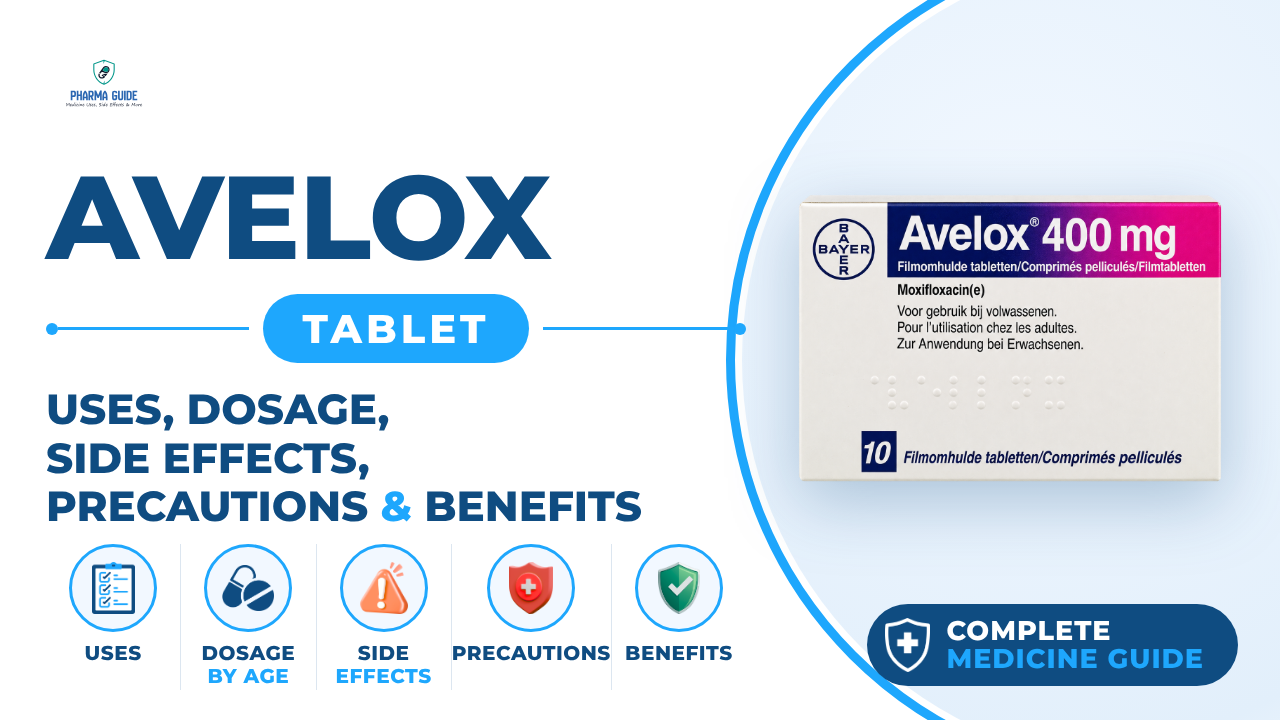
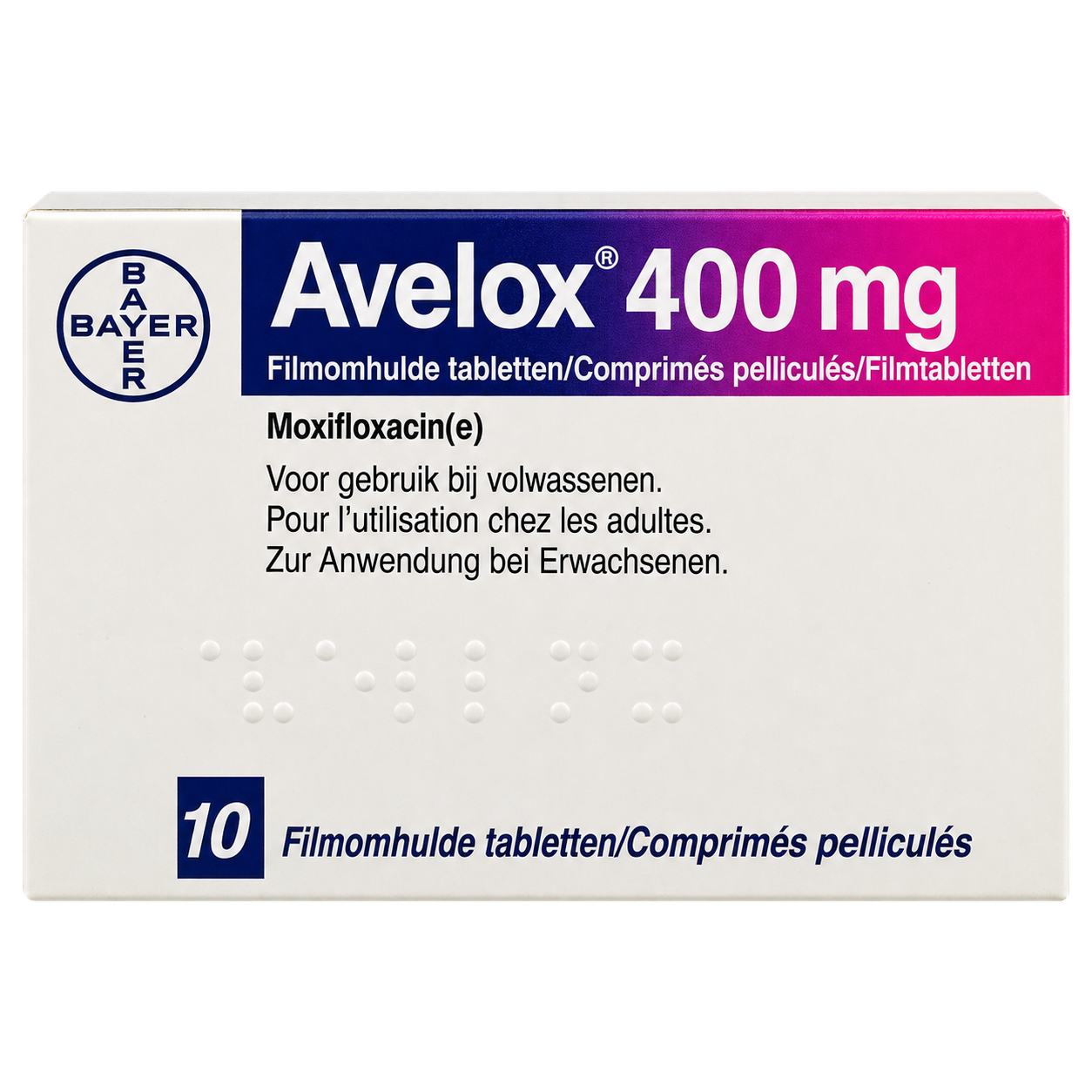
| Generic name | Moxifloxacin (as moxifloxacin hydrochloride) |
|---|---|
| Drug class | Quinolones and Fluoroquinolones |
| Forms | Film-coated tablet (400 mg), Injection solution for intravenous use |
Quick overview
Avelox is a fluoroquinolone antibiotic that fights bacteria in the body. It is used in adults to treat certain bacterial infections of the lungs, airways, sinuses, skin, and abdomen, and will not work against infections caused by viruses such as colds or the flu. It works by blocking the enzymes bacteria need to copy and repair their DNA. Avelox should be taken exactly as prescribed, and it carries important warnings about tendon, nerve, and heart rhythm effects.
What is Avelox Tablet
Avelox is a fluoroquinolone antibiotic that fights bacteria in the body. It is used in adults to treat certain bacterial infections of the lungs, airways, sinuses, skin, and abdomen. It will not work against infections caused by viruses such as colds or the flu.
Avelox Tablet uses
- Community acquired pneumonia
- Acute bacterial sinusitis
- Acute bacterial exacerbation of chronic bronchitis
- Uncomplicated skin and skin structure infections
- Complicated skin and skin structure infections
- Complicated intra-abdominal infections
- Plague (including pneumonic and septicemic plague) and prevention of plague
Benefits of Avelox Tablet
- Kills the bacteria that are causing your infection
- Treats a range of bacterial infections of the lungs, airways, sinuses, skin, and abdomen
How Avelox Tablet works
Avelox is an antibiotic that kills the bacteria causing your infection. It works by blocking the enzymes that bacteria need to copy and repair their DNA, which the bacteria need to grow and multiply.
Avelox Tablet dosage
Take Avelox exactly as prescribed by your doctor and take it at about the same time each day. Swallow the tablet whole with water. Do not chew the tablet. Avelox can be taken with or without food. Drink plenty of fluids while taking Avelox to help keep your kidneys working properly.
Take Avelox at least 2 hours before or 4 hours after antacids, multivitamins, mineral supplements, or other products containing iron, zinc, magnesium, aluminium or calcium, as well as sucralfate and didanosine, because these can reduce how well Avelox is absorbed.
Use this medicine for the full prescribed length of time, even if your symptoms quickly improve. Do not stop taking it just because you feel better, unless your doctor tells you to. Do not share Avelox with another person. Avelox is not for use by anyone younger than 18 years old.
| Age group | Dose |
|---|---|
| Under 18 years | Not routinely recommended; pediatric use requires specialist assessment |
| 18–64 years | Common adult dose: 400 mg once daily |
| 65+ years | Usually 400 mg once daily, when appropriate, with medical assessment |
Available forms and strengths
- Film-coated tablet (400 mg)
- Injection solution for intravenous use
Side effects of Avelox Tablet
Common
- Nausea
- Diarrhea
- Vomiting
- Stomach pain or abdominal discomfort
- Constipation
- Headache
- Dizziness or light-headedness
- Trouble sleeping
- Thrush in the mouth or vagina
- Blurred vision
- Nervousness or anxiety
Serious
- Allergic reactions such as hives, trouble breathing or swallowing, or swelling of the face, lips, tongue or throat
- Tendon pain, swelling, inflammation, or rupture
- Nerve problems (peripheral neuropathy) such as pain, burning, tingling, numbness or weakness
- Serious mood or behavior changes such as confusion, agitation, paranoia, hallucinations, depression, or thoughts of suicide
- Low or high blood sugar
- Seizures (convulsions)
- Serious heart rhythm changes (fast or irregular heartbeat, fainting)
- Severe or bloody diarrhea (possible bowel infection)
- Severe skin reactions with blistering and peeling
- Liver problems such as yellowing of the skin or eyes, dark urine, or pain in the liver area
- Severe and constant pain in the chest, stomach, or back (possible aorta damage)
- Worsening muscle weakness or breathing problems in people with myasthenia gravis
- Eyesight problems
Warnings and precautions
- Fluoroquinolones like Avelox can cause serious, disabling, and possibly permanent side effects that can happen together in the same person, including tendon problems, nerve damage, and central nervous system effects. These can happen in people of any age and without prior risk factors. Avelox should be used only for infections that cannot be treated with a safer antibiotic.
- Avelox may cause swelling or tearing of a tendon. This can happen during treatment or up to several months after you stop taking it.
- The risk is higher if you are over 60, take steroid medicine, or have had a kidney, heart, or lung transplant.
- In rare cases, moxifloxacin may damage your aorta (the main blood artery), which could lead to dangerous bleeding or death.
- Avelox can affect heart rhythm (QT prolongation).
- Do not take it if you have a heart rhythm condition called QTc prolongation, low blood potassium, or if you take certain medicines for abnormal heart rhythm.
- Avelox may worsen muscle weakness in people with myasthenia gravis, and this has led to serious problems including deaths and the need for breathing support. It should be avoided if you have this condition.
- Avelox can cause diarrhea from a bowel infection (C. difficile) that can range from mild to life-threatening.
- This can happen even two or more months after you stop the antibiotic.
- Do not take anti-diarrhea medicine without checking with your doctor.
- Avelox can make your skin more sensitive to sunlight and cause severe sunburn. Avoid sunlight, sunlamps, and tanning beds, and use sun protection when outdoors.
- Avelox is not recommended during pregnancy.
- Tell your doctor if you are pregnant or plan to become pregnant. It should be used during pregnancy only if the potential benefit justifies the potential risk to the baby.
- Avelox passes into breast milk and may affect your baby. Talk to your doctor if you are breastfeeding or intend to breastfeed.
- No dose change is needed for people with kidney problems, including those on dialysis. Tell your doctor if you have kidney problems, and drink extra fluids to keep your kidneys working properly.
- No dose change is recommended for mild, moderate, or severe liver problems, but Avelox should be used with caution because liver problems may lead to heart rhythm changes (QT prolongation).
- Tell your doctor if you have severe liver problems.
- Tell your doctor if you drink alcohol.
- Avelox may cause dizziness or faintness.
- Be careful before you drive or use any machines or tools until you know how Avelox affects you.
Storage
- Store Avelox tablets in a cool dry place away from moisture, heat or sunlight where the temperature stays below 25°C.
- Keep tablets in the blister pack until it is time to take them.
- Do not store it in the bathroom or near a sink, or in the car or on window sills.
- Keep it where young children cannot reach it.
- If you no longer need the medicine or it is out of date, take it to any pharmacy for safe disposal.
When to see a doctor
- Stop taking Avelox and get emergency medical help right away if you have signs of an allergic reaction such as hives, trouble breathing or swallowing, swelling of the lips, tongue, or face, throat tightness, hoarseness, rapid heartbeat, or feeling faint.
- Get emergency medical help if you have severe and constant pain in your chest, stomach, or back, which could be a sign of damage to your aorta.
- Stop taking Avelox and get medical help right away at the first sign of tendon pain, swelling, inflammation, or if you hear or feel a snap or pop in a tendon area, or cannot move or bear weight on the affected area.
- Stop taking Avelox and contact your doctor right away if you get pain, burning, tingling, numbness, or weakness in your arms, hands, legs, or feet, as these may be signs of nerve damage that could become permanent.
- Stop taking Avelox and contact your doctor right away if you have seizures, hallucinations, restlessness, tremors, anxiety, confusion, depression, trouble sleeping, or suicidal thoughts or acts. These can happen as soon as after the first dose.
- Call your doctor right away if you get watery or bloody diarrhea, even if it happens weeks after finishing the medicine. Do not take anti-diarrhea medicine without checking with your doctor.
- If you have diabetes and get low blood sugar while taking Avelox, stop taking it and call your doctor right away.
- Tell your doctor right away if you have a change in your heartbeat (fast or irregular heartbeat) or if you faint.
- If you think you have taken too much Avelox, seek urgent medical attention by contacting your local poison control center, your doctor, or the nearest hospital emergency department, even if there are no signs of discomfort.
Alternatives
- Levofloxacin
- Ciprofloxacin
- Ofloxacin
- Azithromycin
- Clarithromycin
- Amoxicillin
- Amoxicillin-Clavulanate
FAQs
What is Avelox Tablet used for?
Avelox is used to treat bacterial infections such as community acquired pneumonia, acute bacterial sinusitis, acute bacterial exacerbation of chronic bronchitis, skin and skin structure infections, complicated intra-abdominal infections, and plague.
What is the common adult dose of Avelox?
The common adult dose is 400 mg once daily, taken at about the same time each day, with or without food.
What are the serious side effects of Avelox?
Serious side effects include tendon pain, swelling or rupture, nerve problems like peripheral neuropathy, serious mood or behavior changes, heart rhythm changes, seizures, severe diarrhea, liver problems, and possible aorta damage causing severe chest, stomach, or back pain.
Can Avelox be taken during pregnancy or breastfeeding?
Avelox is not recommended during pregnancy and should only be used if the potential benefit justifies the risk to the baby. It also passes into breast milk, so breastfeeding mothers should talk to their doctor before use.
How should Avelox tablets be stored?
Avelox tablets should be stored in a cool, dry place below 25°C, away from moisture, heat, and sunlight, kept in the blister pack until use, and stored out of reach of children.
Sources
Video