
Safety
General information, not medical advice
Your prescriber and the leaflet in your pack know your situation. This page does not.
- Follow your prescriber and the leaflet
- Don't start, stop, or change a dose on your own
- Doses and warnings differ by country and product
Calmpose Tablet: Uses, Dosage, Side Effects, Precautions and Alternates
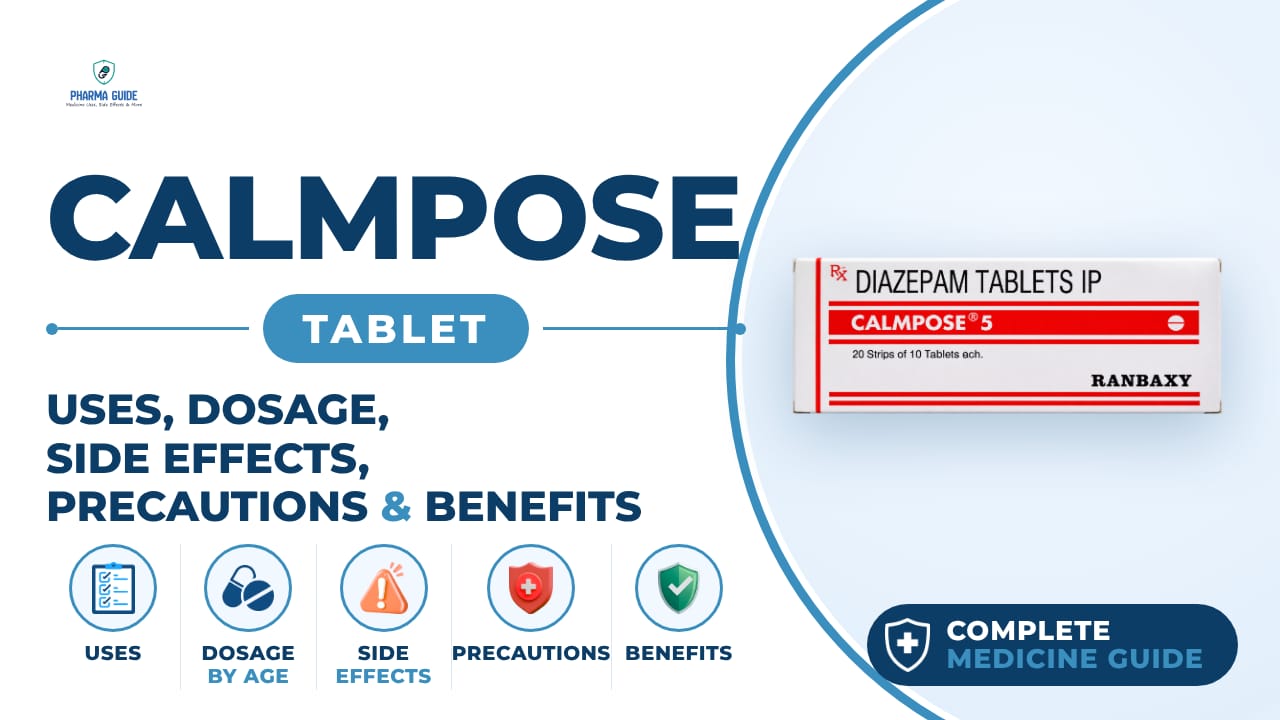
| Generic name | Diazepam |
|---|---|
| Drug class | Benzodiazepine |
| Forms | Tablet |
Quick overview
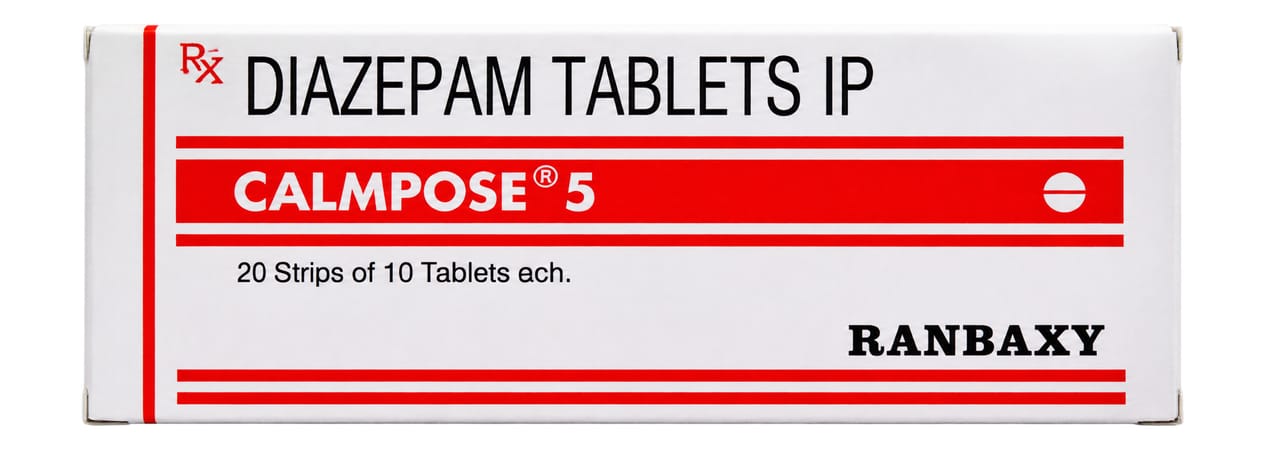
Calmpose Tablet contains Diazepam, a medicine belonging to the benzodiazepine drug class. It is used for short-term relief of severe anxiety, muscle spasms, seizures, and alcohol withdrawal symptoms. It works by boosting the activity of a calming brain chemical called GABA in the brain. It can cause side effects and requires certain precautions, so it should be used exactly as prescribed by a doctor.
What is Calmpose Tablet
Calmpose Tablet contains Diazepam, a medicine that belongs to a group of drugs called benzodiazepines. It is used for short-term relief of severe anxiety, muscle spasms, seizures, and alcohol withdrawal symptoms.
Calmpose Tablet uses
- Short-term relief of severe anxiety
- Muscle spasm and cerebral palsy
- Managing epilepsy (with other medicines)
- Symptoms of alcohol withdrawal
- Relaxing nervous dental patients
- Tension and irritability caused by cerebral spasticity, and muscle spasm caused by tetanus (in children)
- Helping with relaxation and sleepiness before an operation
Benefits of Calmpose Tablet
- Calms mental and physical tension during severe, short-term anxiety episodes or panic states
- Relieves stiffness and spasms to ease physical discomfort and assist with movement or physical therapy
- Helps stop acute seizure attacks
- Stabilizes the nervous system during early alcohol detoxification by reducing tremors, sweating, and agitation
How Calmpose Tablet works
This medicine works by attaching to specific receptors in the brain and boosting the activity of a calming brain chemical called GABA. GABA is involved in sleep, memory, anxiety, seizures, and controlling nerve activity.
Calmpose Tablet dosage
Take this medicine as advised by your doctor. Swallow the tablet with a glass of water. Do not crush or chew the tablet. Your doctor will decide the exact dose and how long you should take it, based on your age, body weight, and condition. Do not stop taking this medicine suddenly, as this can cause withdrawal symptoms like excitement, depression, nervousness, sleep problems, sweating, irritability, diarrhea, and upset stomach. Avoid grapefruit juice and caffeinated drinks while taking this medicine.
| Age group | Dose |
|---|---|
| Under 18 Years | Use only if prescribed by a healthcare professional |
| Adults (18–64 Years) | Usually 2–10 mg daily in divided doses depending on the condition |
| Older Adults (65+ Years) | Usually lower starting dose (1–2.5 mg); adjusted based on response |
Available forms and strengths
- Tablet — 5 mg
Side effects of Calmpose Tablet
Common
- Drowsiness, fatigue
- Confusion
- Ataxia (uncoordinated muscle movements) and other movement disorders, tremors
- Muscle weakness
- Memory loss
- Difficulty concentrating
- Headache
- Dizziness
- Nausea, vomiting
- Constipation, diarrhea
- Itching, rashes, swelling, skin redness
- Increased salivation
- Slurred speech
Serious
- Behavioral changes such as excitation, agitation, restlessness, irritability, aggressiveness, memory loss, inappropriate behavior, delusion, rages, psychoses, nightmares, or hallucinations (mostly in children and elderly)
- Emotional withdrawal
- Low blood pressure, fainting
- Gynecomastia (breast enlargement in males)
- Impotence, changes in sexual drive
- Loss of bladder control, inability to urinate
- Increased mucus in the lungs
- Changes in liver enzymes
- Slow heartbeat, heart failure, and cessation of heartbeat
- Blood disorders that may cause infections, nosebleeds, sore throat
- Breathing problems such as very slow or shallow breathing
- Cessation of breathing
- Jaundice (yellowing of skin and eyes)
Warnings and precautions
- This medicine should not be used during pregnancy unless absolutely necessary. Talk to your doctor about the risks and benefits before taking it.
- This medicine is not recommended for breastfeeding women, as it may pass into breast milk. If it is used, the infant should be watched closely for side effects.
- Use this medicine with caution if you have severe kidney failure. Talk to your doctor before taking it.
- This medicine is not recommended if you have severe liver disease. Talk to your doctor before taking it.
- Do not drink alcohol while taking this medicine, as it increases the sedative effect and can lead to falls, injuries, and extreme sleepiness.
- This medicine can cause sleepiness, forgetfulness, poor coordination, and dizziness, which can affect your ability to drive. Do not drive or operate machines after taking it.
- This medicine can become habit-forming, especially if taken for a long time or in large doses.
- Do not stop taking this medicine suddenly, as it may cause withdrawal symptoms like convulsions, behavioral changes, tremors, and anxiety.
- This medicine is not recommended for people with severe breathing problems, phobia, depression, hyperactivity, myasthenia gravis (muscle weakness), severe liver disease, porphyria, or acute narrow angle glaucoma.
- Use this medicine with caution if you have a history of alcoholism, recreational drug use, severe kidney failure, heart disease, personality disorder, epilepsy, suicidal thoughts, or arteriosclerosis.
- This medicine is not recommended for children younger than 6 months old, since its safety hasn't been established for this age group.
- Do not take this medicine if you are allergic to Diazepam, other benzodiazepines, lactose, or any other ingredient in the tablet.
- Avoid grapefruit juice, as it may raise the levels of this medicine in your blood, and avoid caffeinated drinks, as they may reduce how well the medicine works.
Storage
- Keep Calmpose 5mg Tablet out of reach of children
- Store Calmpose 5mg Tablet below 25°C
When to see a doctor
- Get medical help right away if you have breathing problems such as very slow or shallow breathing, or if breathing stops.
- Get medical help right away if you notice rashes, swelling of the lips, tongue, throat, or body, sudden wheezing, trouble swallowing, or fainting.
- Get medical help right away if you develop jaundice (yellowing of the skin or eyes).
- Get medical help right away if you experience restlessness, agitation, irritability, aggressiveness, anxiety, delusions, anger, nightmares, hallucinations, psychosis, or unusual behavior.
- Get medical help right away if you have thoughts of harming yourself.
- Get medical help right away if you develop new or worsening anxiety, irritability, or trouble sleeping.
- Get medical help right away if you feel like acting on dangerous impulses, feel agitated or restless, or notice extreme increased activity or talking (mania).
- Get medical help right away if you have new or worse depression, panic attacks, or become aggressive, angry, or violent.
- If you or someone else takes too much of this medicine by accident, contact a doctor immediately or go to the nearest hospital. Symptoms of overdose include clumsiness, loss of coordination, speech problems, irregular or slow heartbeat, uncontrolled eye movement, muscle weakness, excitement, sleepiness, and deep sleep.
Alternatives
- Oxazepam
- Clonazepam
- Lorazepam
- Alprazolam
Watch the video
FAQs
What is Calmpose Tablet used for?
Calmpose Tablet is used for short-term relief of severe anxiety, muscle spasms, cerebral palsy, managing epilepsy with other medicines, alcohol withdrawal symptoms, relaxing nervous dental patients, and relaxation before an operation.
How does Calmpose Tablet work?
It works by attaching to specific receptors in the brain and boosting the activity of a calming brain chemical called GABA, which is involved in sleep, memory, anxiety, seizures, and controlling nerve activity.
Can I stop taking Calmpose Tablet suddenly?
No, you should not stop taking this medicine suddenly, as it can cause withdrawal symptoms like excitement, depression, nervousness, sleep problems, sweating, irritability, diarrhea, and upset stomach.
Can I drink alcohol while taking Calmpose Tablet?
No, you should not drink alcohol while taking this medicine, as it increases the sedative effect and can lead to falls, injuries, and extreme sleepiness.
What should I avoid while taking Calmpose Tablet?
You should avoid grapefruit juice, as it may raise the levels of this medicine in your blood, and avoid caffeinated drinks, as they may reduce how well the medicine works.
General information, not medical advice
Your prescriber and the leaflet in your pack know your situation. This page does not.
- Follow your prescriber and the leaflet
- Don't start, stop, or change a dose on your own
- Doses and warnings differ by country and product
Sources
Video
Related medicines
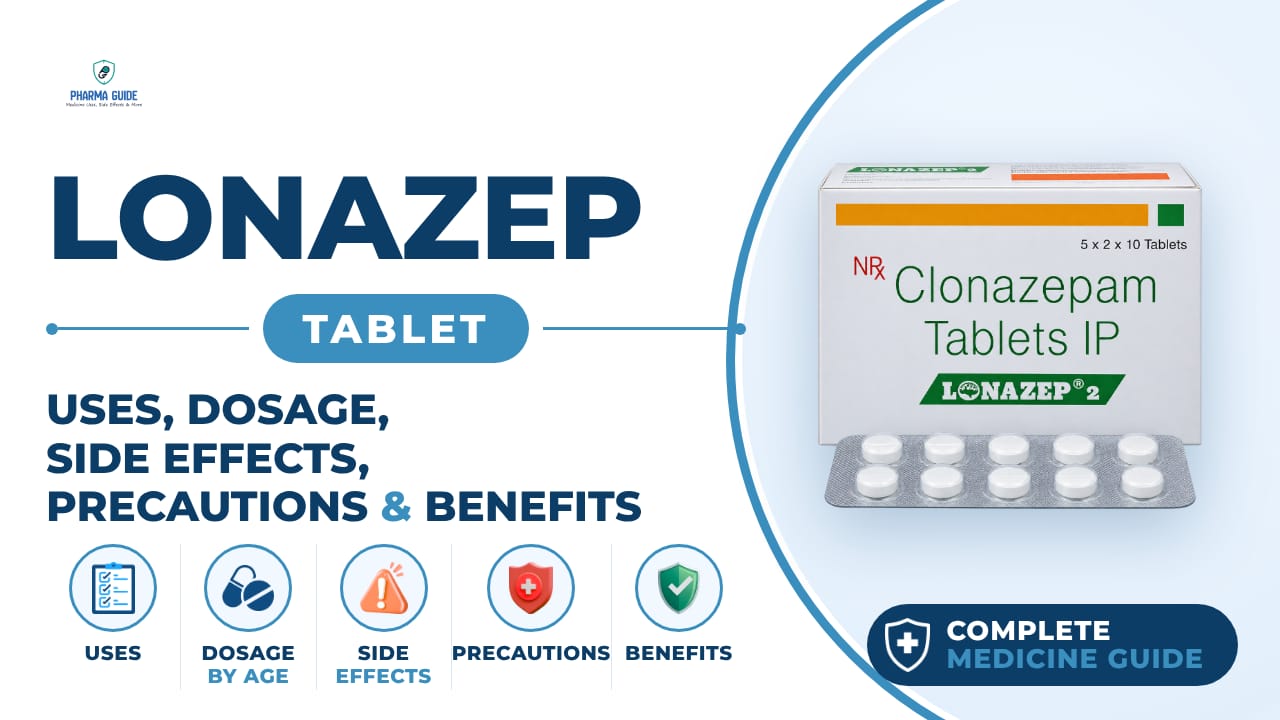
Lonazep Tablet: Uses, Dosage, Side Effects, Precautions and Alternates
Benzodiazepine
Lonazep Tablet contains clonazepam, used for anxiety, panic attacks, insomnia, and epilepsy. Learn about dosage, benefits, side effects, and precautions.
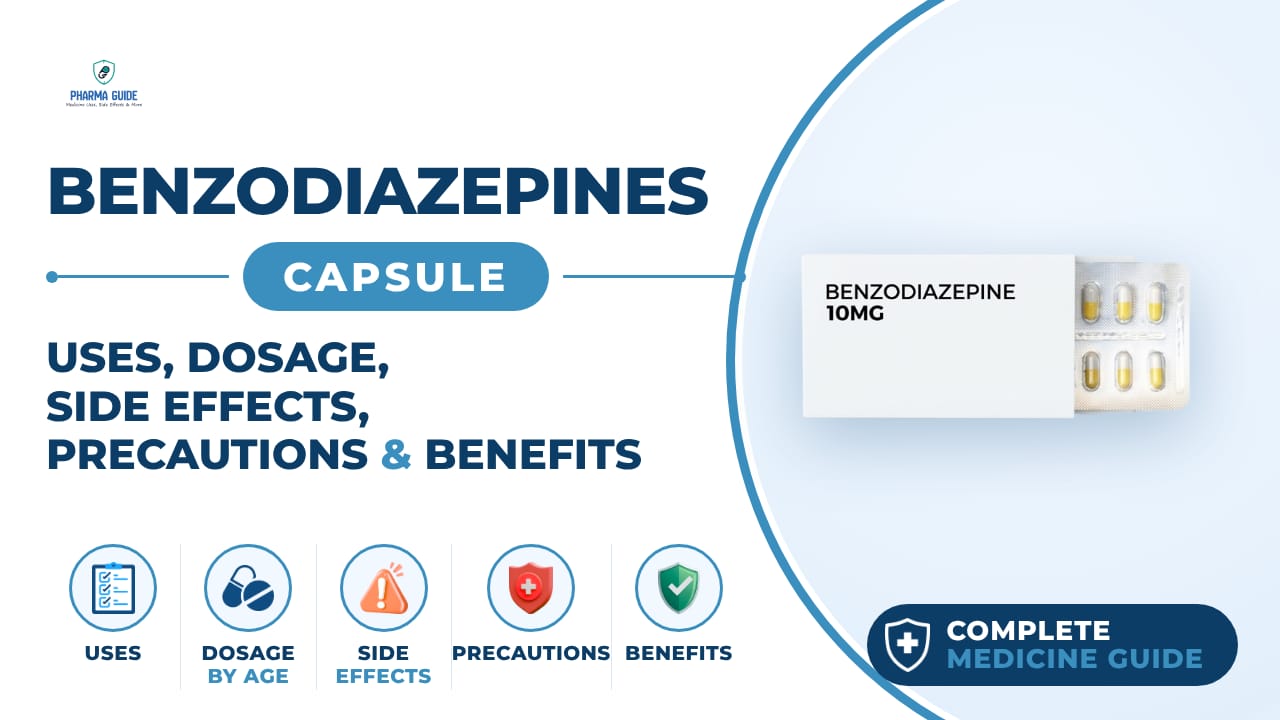
Benzodiazepines Capsule: Uses, Dosage, Side Effects, Precautions and Alternates
Benzodiazepine
Benzodiazepines Capsule (Diazepam) treats severe anxiety, muscle spasms, seizures, and alcohol withdrawal. Learn uses, dosage, side effects, and precautions.