
Safety
General information, not medical advice
Your prescriber and the leaflet in your pack know your situation. This page does not.
- Follow your prescriber and the leaflet
- Don't start, stop, or change a dose on your own
- Doses and warnings differ by country and product
Chlordiazepoxide Capsule: Uses, Dosage, Side Effects, Precautions and Alternates
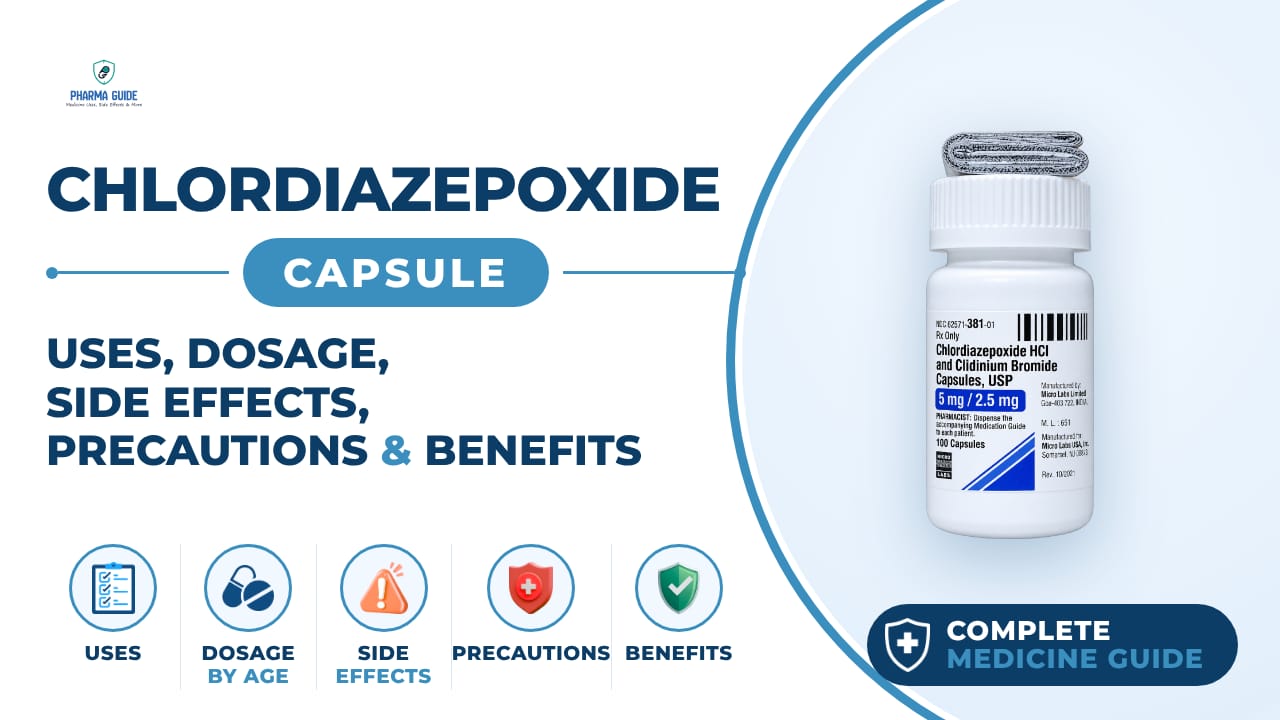
| Generic name | Chlordiazepoxide hydrochloride |
|---|---|
| Drug class | Benzodiazepine |
| Forms | Capsule, Tablet |
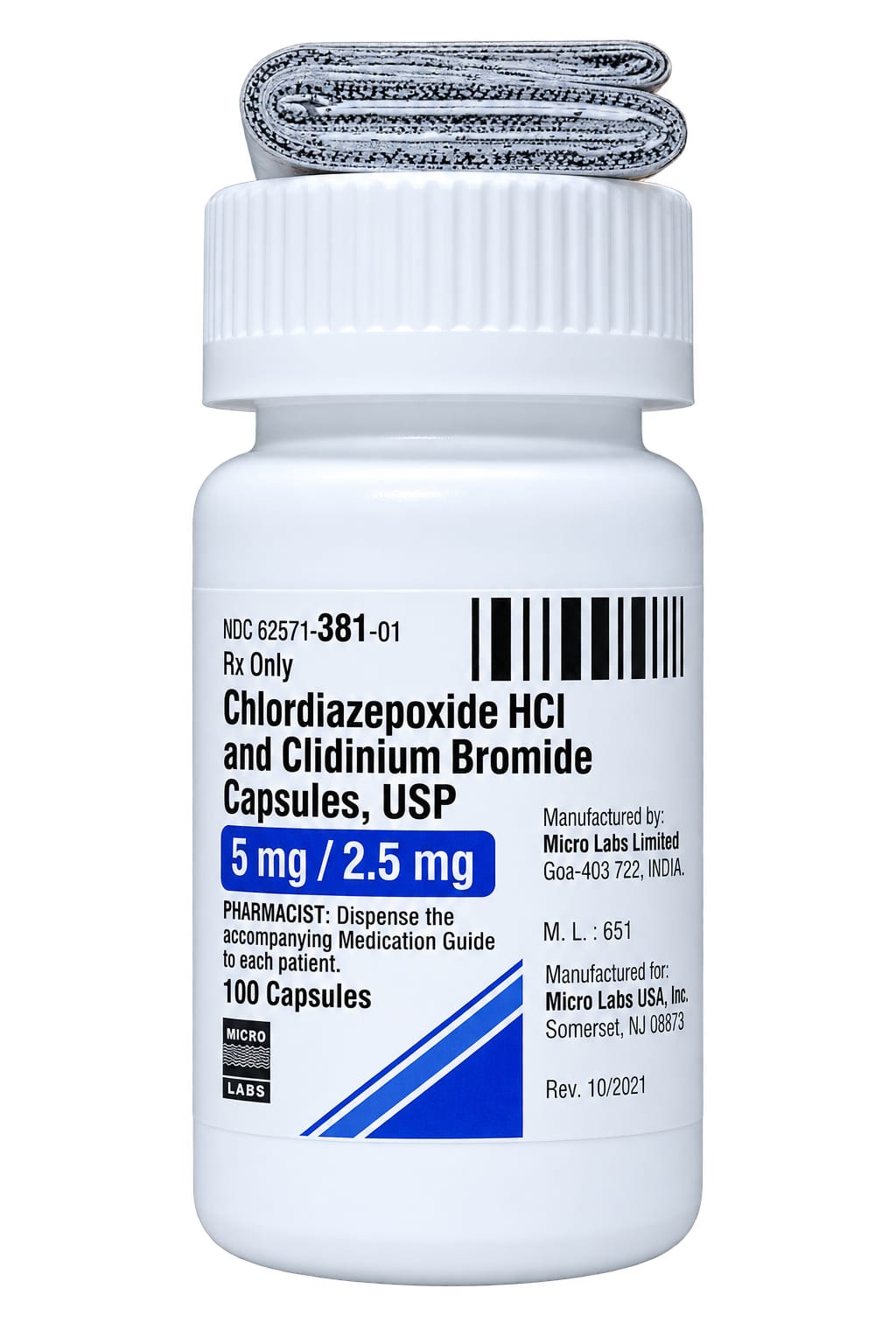
Quick overview
Chlordiazepoxide Capsule (chlordiazepoxide hydrochloride) is a prescription benzodiazepine used to relieve anxiety, manage alcohol withdrawal symptoms, ease apprehension before surgery, and treat irritable bowel syndrome. It works by calming overactive electrical signals in the brain. It can be habit-forming and should be used exactly as prescribed, usually for no longer than 4 months.
What is Chlordiazepoxide Capsule
Chlordiazepoxide is a prescription benzodiazepine medicine. It is the original compound that benzodiazepine medicines are based on, and it has been used for many years to relieve anxiety.
Chlordiazepoxide Capsule uses
- Treating anxiety disorders
- Short-term relief of symptoms of anxiety
- Treating withdrawal symptoms of acute alcoholism
- Treating apprehension and anxiety before surgery
- Treating irritable bowel syndrome
Benefits of Chlordiazepoxide Capsule
- Helps relieve feelings of anxiety and tension
- Can help calm agitation caused by alcohol withdrawal
- Helps with nervousness before surgery
- Provides an oral treatment option for depression
- May be less sedating than some other tricyclic antidepressants
- Can improve daily functioning when treatment is effective
How Chlordiazepoxide Capsule works
Chlordiazepoxide works by calming down overactive electrical signals in the brain, which helps reduce anxiety.
Chlordiazepoxide Capsule dosage
Take this medicine exactly as your doctor tells you to. It is usually taken one to four times a day, and can be taken with or without food. Follow the directions on your prescription label carefully. Do not take more of this medicine, or for longer, than your doctor prescribes. This medicine is usually not used for longer than 4 months.
Do not stop taking this medicine suddenly without talking to your doctor, since stopping suddenly can cause withdrawal symptoms. If you miss a dose, take it as soon as you remember, but skip it if it is almost time for your next dose. Do not take two doses at once.
Use in children under 6 years old is not recommended. Older adults are usually given smaller amounts because they may be more sensitive to this medicine.
| Age group | Dose |
|---|---|
| Under 18 years | Not routinely recommended; specialist-directed only |
| 18–64 years | Common adult dose range: 100–200 mg/day, given once daily or in divided doses |
| 65–74 years | Usually starts lower, often 25–100 mg/day, with cautious titration |
Available forms and strengths
- Capsule
- Tablet
Side effects of Chlordiazepoxide Capsule
Common
- Drowsiness
- Dizziness
- Tiredness
- Weakness
- Dry mouth
- Diarrhea
- Upset stomach
- Changes in appetite
- Loss of control of body movements (ataxia)
- Confusion
- Balance problems
Serious
- Severe drowsiness or slurred speech
- Slow heart rate or slow/stopped breathing
- Problems with memory or concentration
- Unusual changes in mood or behavior, or thoughts of suicide or self-harm
- Problems with balance or muscle movement
- Confusion, excitement, paranoia, anger, or aggression
- Stomach pain or loss of appetite
- Allergic reaction: hives, trouble breathing, swelling of the face, lips, tongue, or throat
- Severe skin rash
- Yellowing of the skin or eyes (jaundice)
- Irregular heartbeat
- Blood problems (unusual bruising or infections)
- Fever, trouble breathing or swallowing
- Withdrawal symptoms after stopping, which can include seizures, hallucinations, or suicidal thoughts
Warnings and precautions
- Chlordiazepoxide may harm an unborn baby. Tell your doctor right away if you are pregnant or planning to become pregnant, especially avoid use during the first three months of pregnancy.
- This medicine may pass into breast milk and could harm a nursing baby. Talk to your doctor about the safest way to feed your baby if you take this medicine.
- People with kidney problems should be monitored carefully while taking this medicine. Tell your doctor if you have kidney disease.
- People with liver problems should be monitored carefully while taking this medicine, since liver problems can affect how the drug is processed. Tell your doctor if you have liver disease.
- Do not drink alcohol while taking this medicine. Combining alcohol with this medicine can cause dangerous side effects or even death.
- This medicine can make you drowsy or dizzy and slow your thinking and reactions. Do not drive or operate heavy machinery until you know how it affects you.
- Taking this medicine together with opioid painkillers can cause serious breathing problems, extreme sleepiness, coma, or death. Doctors should only prescribe both together when there is no other option, and should use the lowest doses for the shortest time needed.
- This medicine can be habit-forming, and misuse can lead to addiction, overdose, or death. Keep it in a safe place where others cannot access it.
- Stopping this medicine suddenly after taking it for a while can cause serious withdrawal symptoms, including seizures, which can last for weeks or even more than a year. Your doctor will likely lower your dose gradually instead of stopping all at once.
- This medicine can cause unusual reactions in some people, including increased excitement, agitation, or anger, instead of a calming effect. This is more likely in children and in people being treated for psychiatric conditions.
- This medicine is not recommended for older adults because safer or more effective options are usually available for the same conditions.
- This medicine is not recommended for children younger than 6 years old because there isn't enough information about its safety and effectiveness in that age group.
Storage
- Store at room temperature between 68°F to 77°F (20°C to 25°C).
- Keep the capsules in a tightly closed container and out of the light.
- Store away from moisture and heat, and not in the bathroom.
- Keep this and all medicines out of the reach of children.
- Dispose of unneeded medicine through a medicine take-back program rather than throwing it in the trash or flushing it.
When to see a doctor
- Get emergency help right away if you have signs of a severe allergic reaction, such as hives, trouble breathing, or swelling of the face, lips, tongue, or throat.
- Seek emergency help right away if breathing becomes slow with long pauses, lips turn blue, or the person is very hard to wake up.
- Call your doctor right away if you notice severe drowsiness, slurred speech, a slow heart rate or slowed breathing, memory or concentration problems, unusual mood or behavior changes, thoughts of suicide or self-harm, problems with balance or coordination, confusion, excitement, paranoia, anger, aggression, stomach pain, or loss of appetite.
- After stopping this medicine, get medical help right away if you notice unusual muscle movements, being unusually active or talkative, sudden severe mood or behavior changes, confusion, hallucinations, seizures, or thoughts of suicide.
- If you think you have taken too much of this medicine, call your doctor or go to the nearest hospital emergency room right away.
Alternatives
- Nortriptyline
- Amitriptyline
- Imipramine
Watch the video
FAQs
What is Chlordiazepoxide Capsule used for?
It is used to treat anxiety disorders, provide short-term relief of anxiety symptoms, manage withdrawal symptoms of acute alcoholism, ease apprehension and anxiety before surgery, and treat irritable bowel syndrome.
How does Chlordiazepoxide Capsule work?
It works by calming down overactive electrical signals in the brain, which helps reduce anxiety.
How long can I take Chlordiazepoxide Capsule?
This medicine is usually not used for longer than 4 months and should be taken exactly as your doctor prescribes.
Can I drink alcohol while taking Chlordiazepoxide Capsule?
No, you should not drink alcohol while taking this medicine, as combining alcohol with it can cause dangerous side effects or even death.
What happens if I stop taking Chlordiazepoxide Capsule suddenly?
Stopping suddenly after taking it for a while can cause serious withdrawal symptoms, including seizures, which can last for weeks or even more than a year, so your doctor will likely lower your dose gradually instead.
General information, not medical advice
Your prescriber and the leaflet in your pack know your situation. This page does not.
- Follow your prescriber and the leaflet
- Don't start, stop, or change a dose on your own
- Doses and warnings differ by country and product
Sources
Video
Related medicines
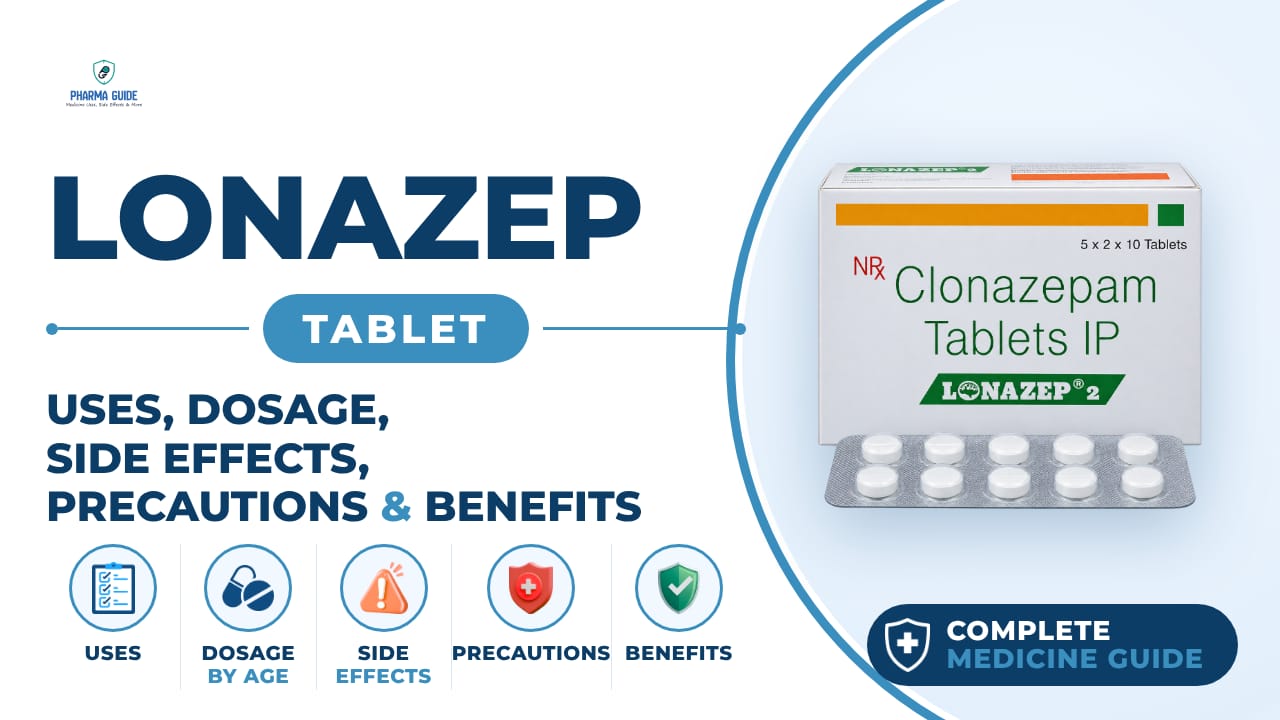
Lonazep Tablet: Uses, Dosage, Side Effects, Precautions and Alternates
Benzodiazepine
Lonazep Tablet contains clonazepam, used for anxiety, panic attacks, insomnia, and epilepsy. Learn about dosage, benefits, side effects, and precautions.
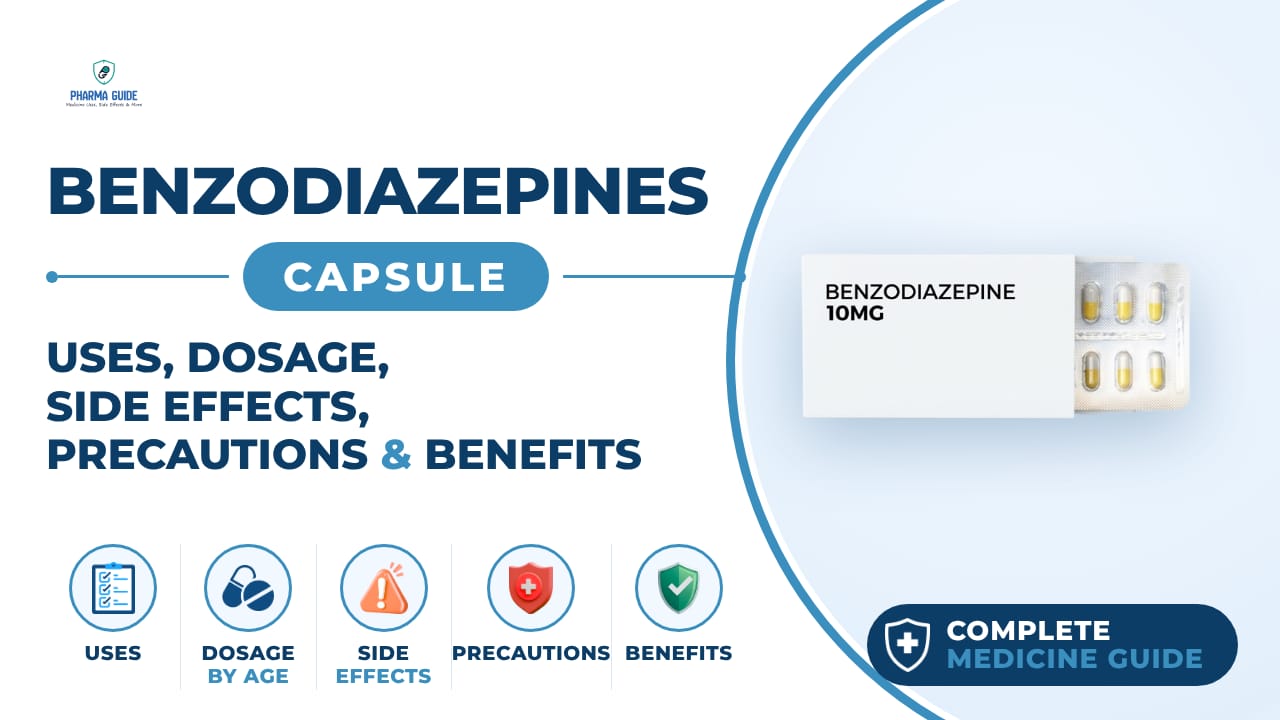
Benzodiazepines Capsule: Uses, Dosage, Side Effects, Precautions and Alternates
Benzodiazepine
Benzodiazepines Capsule (Diazepam) treats severe anxiety, muscle spasms, seizures, and alcohol withdrawal. Learn uses, dosage, side effects, and precautions.