
Safety
General information, not medical advice
Your prescriber and the leaflet in your pack know your situation. This page does not.
- Follow your prescriber and the leaflet
- Don't start, stop, or change a dose on your own
- Doses and warnings differ by country and product
Dantrium Capsule: Uses, Dosage, Side Effects, Precautions and Alternates

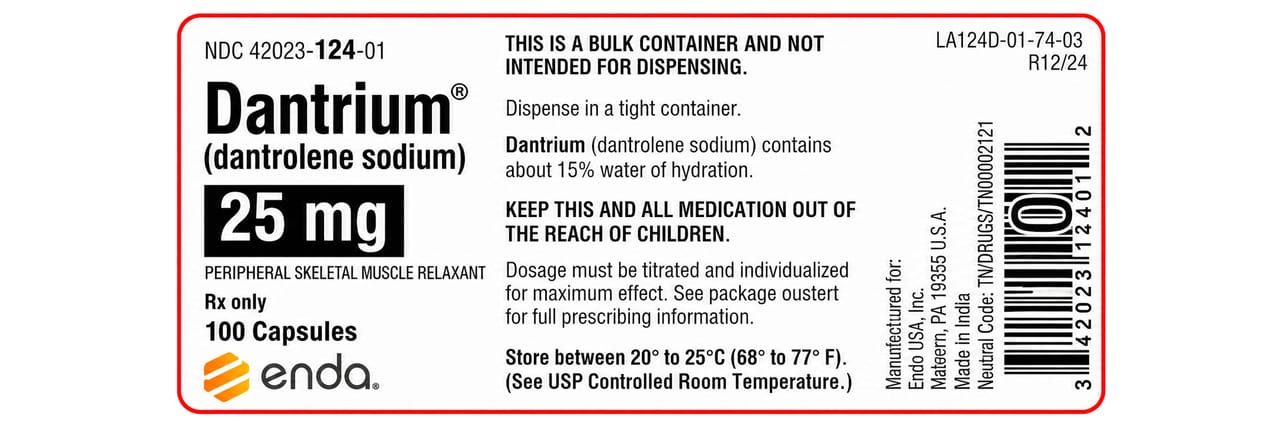
| Generic name | dantrolene sodium |
|---|---|
| Drug class | Skeletal muscle relaxant |
| Forms | Capsules (25 mg), Capsules (50 mg) |
Quick overview
Dantrium Capsule (dantrolene sodium) is a prescription skeletal muscle relaxant used to relieve chronic muscle stiffness and spasms and to help prevent malignant hyperthermia, a severe anesthesia reaction, around surgery. It works directly on skeletal muscle to reduce the strength of muscle contractions without causing total paralysis. It is available as capsules in different strengths and carries warnings, including a risk of serious liver damage, so it should be used exactly as prescribed with regular monitoring.
What is Dantrium Capsule
Dantrium is a prescription capsule medicine that belongs to a group of medicines called skeletal muscle relaxants. It works by reducing excessive muscle contractions in people with ongoing muscle stiffness and spasms, and it is also used around surgery to prevent a rare, severe reaction to anesthesia called malignant hyperthermia.
Dantrium Capsule uses
- Relieving chronic muscle stiffness, tightness, and spasms caused by conditions such as spinal cord injury, stroke, cerebral palsy, or multiple sclerosis
- Preventing malignant hyperthermia (a dangerous rise in body temperature and severe muscle contractions) in patients at risk before surgery
- Follow-up treatment after a malignant hyperthermia crisis that was first treated with the intravenous form of this medicine
Benefits of Dantrium Capsule
- Can reduce painful or disabling muscle spasms and stiffness
- May help patients regain function needed for rehabilitation activities such as exercise programs, using braces, or transferring positions
- Can help prevent a life-threatening malignant hyperthermia reaction during surgery in people who are at risk
How Dantrium Capsule works
Dantrium acts directly on skeletal muscle rather than on the brain or nerves. It blocks the release of calcium inside muscle cells, which reduces how strongly the muscle can contract. This lowers muscle tightness and spasms without causing total paralysis.
Dantrium Capsule dosage
Take the capsules exactly as your doctor has told you, and follow all directions on your prescription label. If you need surgery and are supposed to take a dose shortly before it, use only a small sip of water to help swallow the capsule. Tell your doctor if you have trouble swallowing the capsules.
Do not take this medicine for longer than prescribed or in larger amounts than prescribed. Your doctor may slowly adjust your dose over time to find the amount that works best for you. If your symptoms have not improved after about six weeks of treatment, tell your doctor, since treatment may need to be stopped.
Children should only take this medicine under a healthcare professional's close supervision, following instructions carefully. Older adults should generally be started on the lowest possible dose because of higher risk of side effects.
| Age group | Dose |
|---|---|
| Under 5 years | Not recommended |
| 5–12 years | 0.5 mg/kg, 3–4 times daily |
| 13–17 years | 25 mg, 3–4 times daily; adjust as prescribed |
| 18–64 years | 25 mg, 3–4 times daily; gradually increased if needed |
| 65+ years | 25 mg, 3–4 times daily; doctor-directed |
Available forms and strengths
- Capsules (25 mg)
- Capsules (50 mg)
Side effects of Dantrium Capsule
Common
- Dizziness
- Drowsiness
- Weakness or fatigue
- Feeling generally unwell
- Diarrhea
- Constipation
- Loss of appetite
- Difficulty swallowing
- Stomach cramps or pain, indigestion, nausea, vomiting
- Headache
- Light-headedness
- Vision problems, including double vision
- Trouble sleeping
- Mood changes such as depression or confusion
- Changes in taste
- Dry mouth or excessive saliva
- Increased urination, changes in urine color
- Difficulty getting or keeping an erection
- Abnormal hair growth
- Skin rash, itching, sweating
- Back pain, muscle aches
- Excessive tearing, chills, fever
Serious
- Signs of liver problems: loss of appetite, nausea, vomiting, upper right stomach pain, tiredness, itching, dark urine, light-colored (clay-colored) stools, yellowing of skin or eyes (jaundice)
- Allergic reaction: hives, difficulty breathing, swelling of face, lips, tongue, or throat
- Weak or shallow breathing
- Severe or ongoing diarrhea
- Problems with vision or speech
- Painful or difficult urination, or inability to pass urine
- Seizures or feeling like you might pass out
- Chest pain, fast or irregular heartbeat, swelling, rapid weight gain, or shortness of breath (possible heart problems)
- Signs of low blood cell counts: fever, chills, mouth sores, skin sores, easy bruising, unusual bleeding, pale skin, cold hands and feet, feeling light-headed or short of breath
- Stomach bleeding: bloody or tarry stools, coughing up blood, or vomit that looks like coffee grounds
- Fluid around the lungs (pleural effusion): chest pain that worsens with breathing, cough, shortness of breath, fever
- Signs of bowel blockage: sudden cramping abdominal pain, bloating, loss of appetite, nausea and vomiting, constipation or diarrhea
Warnings and precautions
- This medicine can cause serious, sometimes fatal liver damage, especially with high doses or long-term use. Your risk is higher if you are female, over 35 years old (or over 30, per some sources), or taking other medicines that can affect the liver.
- Animal studies suggest this medicine may increase cancer risk, so the possible risks must be weighed against the benefits of treatment.
- Do not take this medicine if your muscle tightness is needed to help you stay upright, balance, or move safely, since relieving the spasticity could make your function worse.
- Do not take this medicine if you have reduced lung capacity, especially from an obstructive lung disease such as COPD.
- This medicine can make your skin more sensitive to sunlight, increasing your risk of sunburn. Limit sun exposure, wear protective clothing, and use sunscreen.
- This medicine can cause muscle weakness, especially in the hands and legs, and difficulty swallowing. Use caution with daily activities, especially if you use mobility aids like a wheelchair, crutches, braces, walkers, or canes.
- If you need surgery, tell your surgeon ahead of time that you are taking this medicine.
- It is not known whether this medicine can harm an unborn baby. The medicine can cross into the placenta. Tell your doctor right away if you are pregnant, think you might be pregnant, or are planning to become pregnant, so you and your doctor can weigh the possible risks and benefits.
- This medicine should not be used while breastfeeding, because it passes into breast milk and it is not known if it can harm a nursing baby.
- Tell your doctor if you have kidney problems before taking this medicine, since your dose may need to be reduced and kidney function may need to be watched.
- Do not take this medicine if you have active liver disease such as hepatitis or cirrhosis. This medicine can cause serious, sometimes fatal liver damage, so your liver function will be checked regularly before and during treatment.
- Avoid alcohol while taking this medicine, since it can make dizziness, drowsiness, and weakness worse.
- Do not drive or operate machinery during the first week of treatment, and use caution afterward until you know how this medicine affects you, since it can cause dizziness, drowsiness, and weakness.
Storage
- Store tightly closed at room temperature (15°C to 30°C), away from moisture and heat
- Do not store in the bathroom or near a sink
- Do not leave it in a car or on a window sill
- Keep out of the reach and sight of children
- Do not use after the expiry date printed on the label
- If your doctor tells you to stop taking this medicine, or it has expired, take it to a pharmacy for safe disposal
When to see a doctor
- Get emergency medical help right away if you have signs of a serious allergic reaction, such as hives, trouble breathing, or swelling of the face, lips, tongue, or throat.
- Call your doctor right away if you notice signs of liver problems such as loss of appetite, nausea, vomiting, upper right stomach pain, tiredness, itching, dark urine, light-colored stools, or yellowing of the skin or eyes.
- Seek emergency care if you think you or someone else may have taken too much of this medicine, even if there are no symptoms yet.
- Call your doctor right away if you have weak or shallow breathing, severe ongoing diarrhea, vision or speech problems, painful or difficult urination, a seizure, or feel like you might pass out.
- Call your doctor right away if you notice signs of stomach bleeding, such as bloody or tarry stools, or coughing up blood or vomit that looks like coffee grounds.
- Call your doctor right away if you have signs of heart problems, such as swelling, rapid weight gain, shortness of breath, or an irregular or fast heart rate.
- Call your doctor right away if you notice signs of low blood cell counts, such as fever, chills, tiredness, mouth sores, skin sores, easy bruising, unusual bleeding, pale skin, cold hands and feet, or feeling light-headed or short of breath.
Alternatives
- Cyclobenzaprine
- Orphenadrine
- Methocarbamol
Watch the video
FAQs
What is Dantrium Capsule used for?
It is used to relieve chronic muscle stiffness, tightness, and spasms from conditions like spinal cord injury, stroke, cerebral palsy, or multiple sclerosis, and to prevent or follow up treatment for malignant hyperthermia, a severe anesthesia reaction, around surgery.
How does Dantrium Capsule work?
It acts directly on skeletal muscle by blocking the release of calcium inside muscle cells, which reduces how strongly the muscle contracts, lowering tightness and spasms without causing total paralysis.
What are the serious side effects of Dantrium Capsule?
Serious side effects include liver problems (loss of appetite, nausea, vomiting, upper right stomach pain, jaundice), allergic reactions, weak or shallow breathing, severe diarrhea, vision or speech problems, seizures, heart problems, low blood cell counts, and stomach bleeding.
Can I drink alcohol while taking Dantrium Capsule?
No, you should avoid alcohol while taking this medicine since it can worsen dizziness, drowsiness, and weakness.
Is Dantrium Capsule safe during pregnancy or breastfeeding?
It is not known whether it can harm an unborn baby, so you should tell your doctor if you are or may become pregnant. It should not be used while breastfeeding because it passes into breast milk.
General information, not medical advice
Your prescriber and the leaflet in your pack know your situation. This page does not.
- Follow your prescriber and the leaflet
- Don't start, stop, or change a dose on your own
- Doses and warnings differ by country and product
Sources
Video
Related medicines
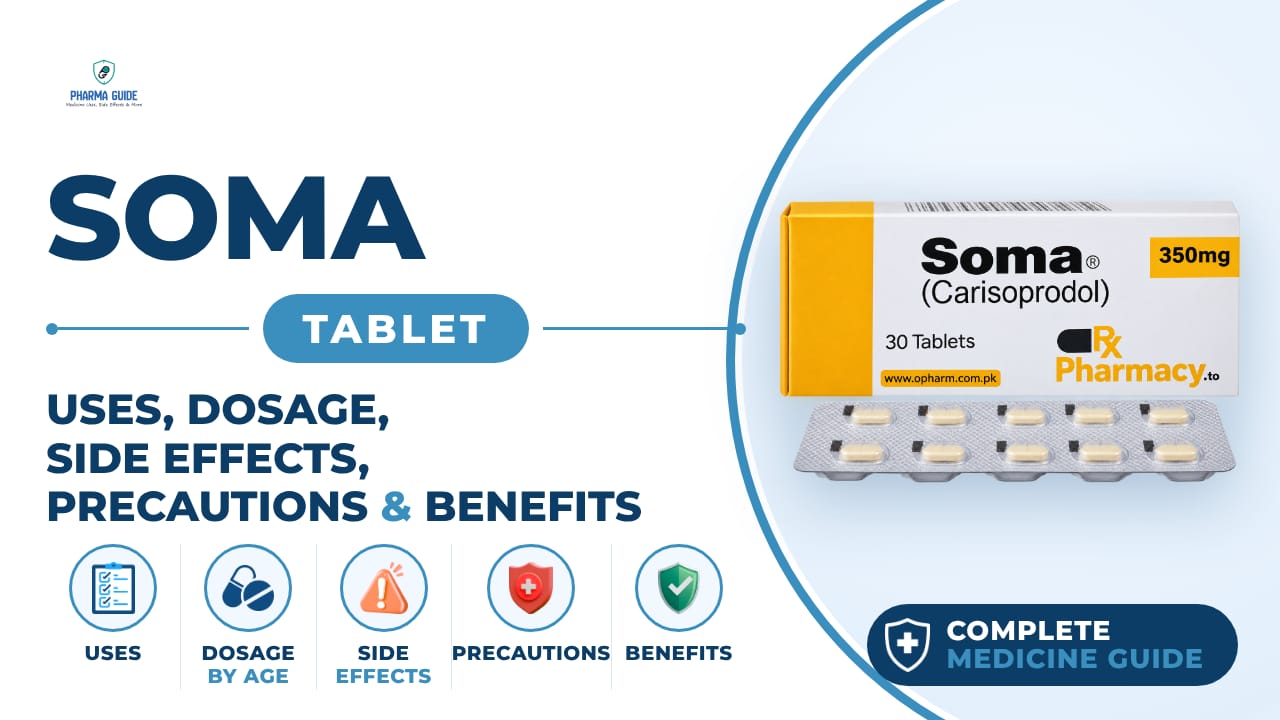
Soma Tablet: Uses, Dosage, Side Effects, Precautions and Alternates
Skeletal muscle relaxant
Soma Tablet (carisoprodol) is a muscle relaxant for short-term muscle pain relief. Learn about its uses, dosage, side effects, and safety warnings.
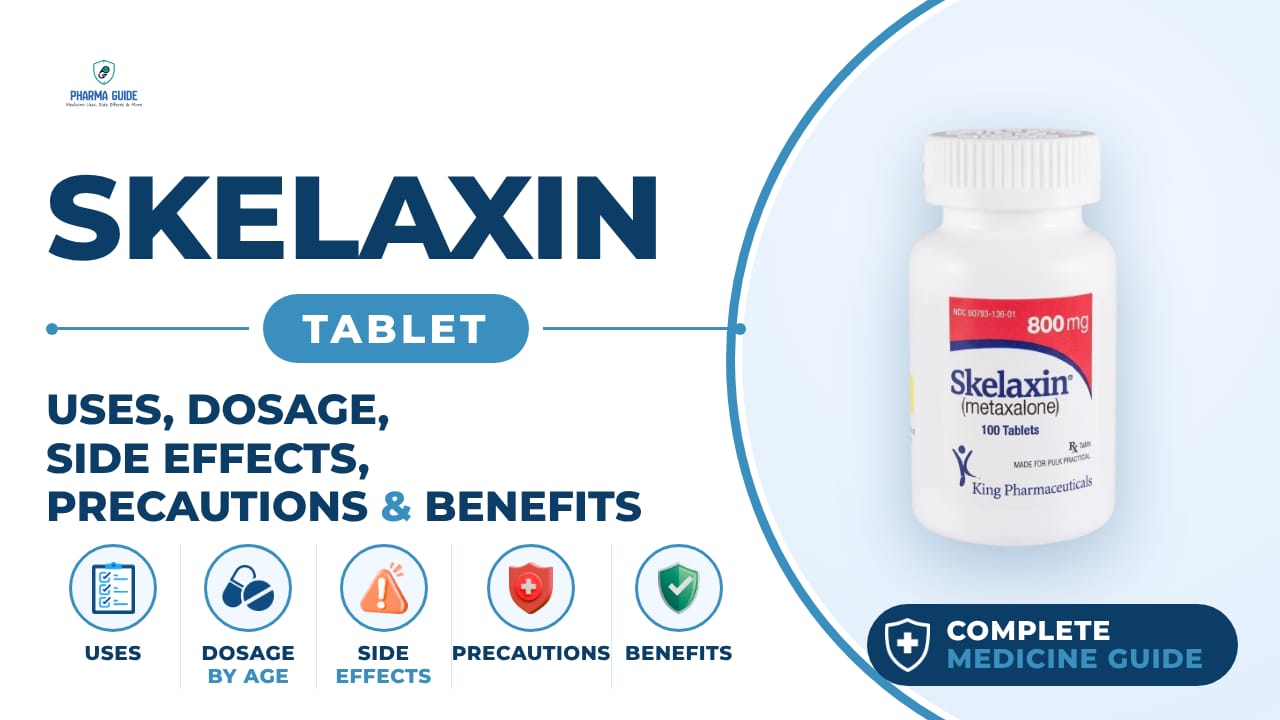
Skelaxin Tablet: Uses, Dosage, Side Effects, Precautions and Alternates
Skeletal muscle relaxant
Skelaxin Tablet (metaxalone) is a prescription muscle relaxant for short-term relief of painful muscle spasms. Learn uses, dosage, and side effects.