Doxycycline Tablet: Uses, Dosage, Side Effects, Precautions and Alternates
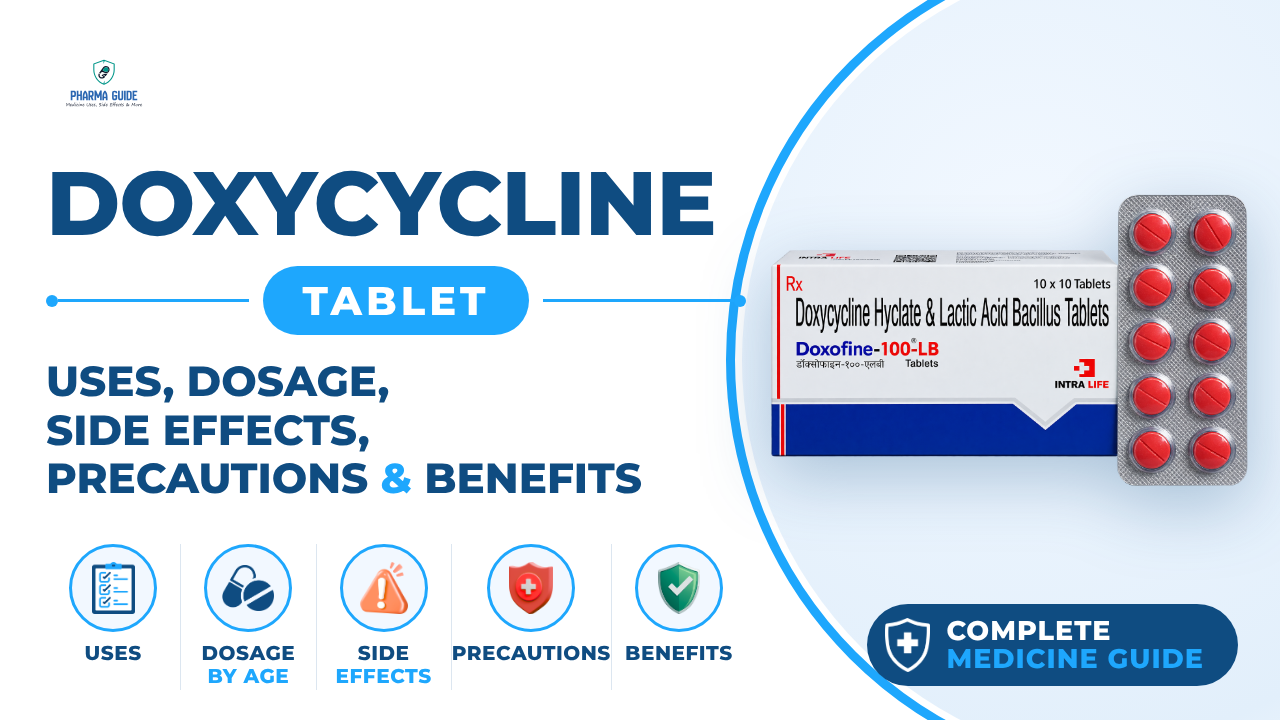
| Generic name | doxycycline |
|---|---|
| Drug class | Tetracycline antibiotic (also classed as a miscellaneous antimalarial) |
| Forms | Tablet, Delayed-release tablet, Capsule, Suspension (liquid), Injection |
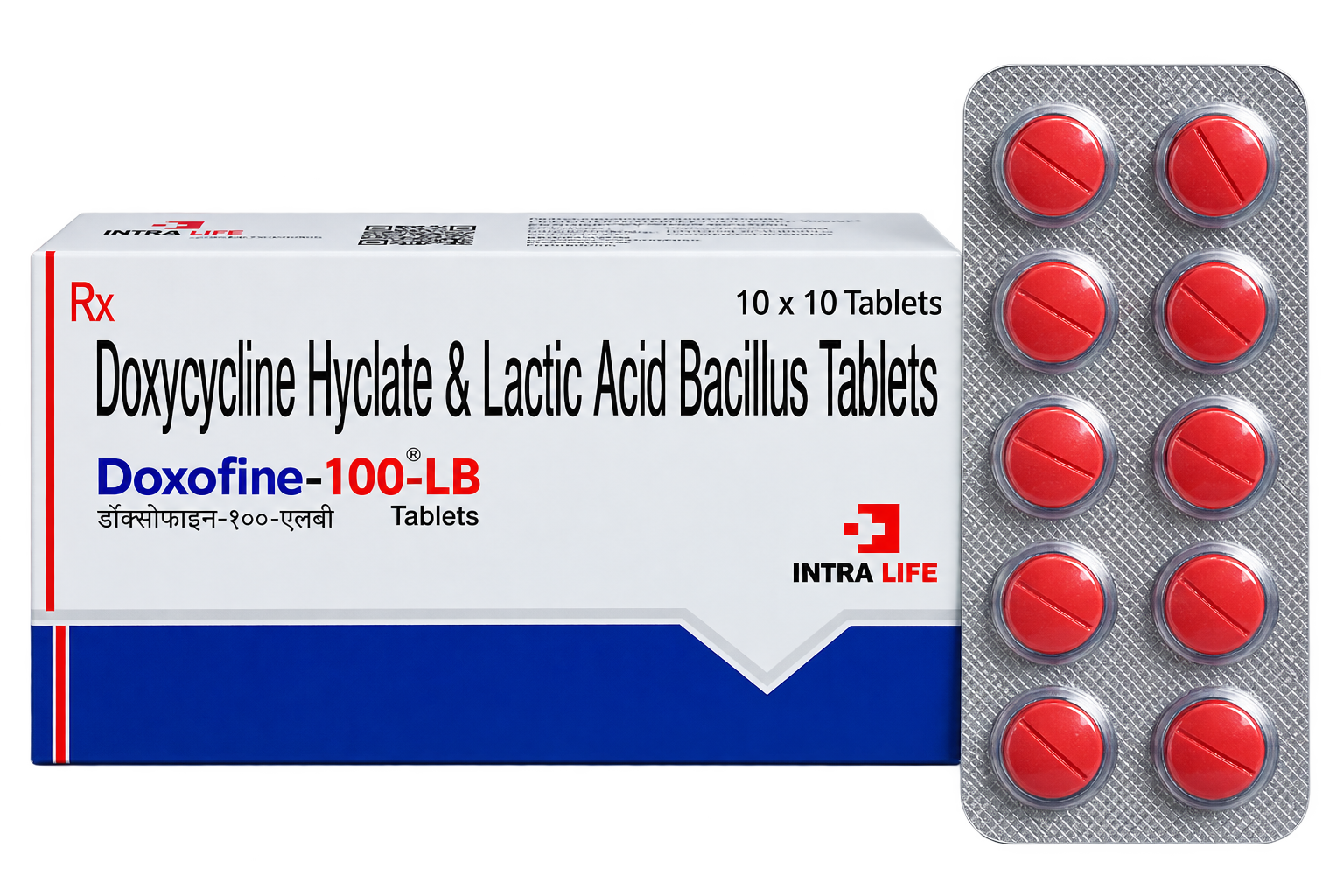
Quick overview
Doxycycline is a tetracycline antibiotic that stops bacteria from growing and is thought to have anti-inflammatory effects. It is used for many bacterial infections, to prevent malaria, and to treat acne and rosacea. It will not work for colds, flu, or other viral infections.
What is Doxycycline Tablet
Doxycycline is a tetracycline antibiotic, also classed as a miscellaneous antimalarial. It is a tetracycline antibiotic that stops bacteria from growing and is thought to have anti-inflammatory effects. It is used for many bacterial infections, to prevent malaria, and to treat acne and rosacea. It will not work for colds, flu, or other viral infections.
Doxycycline Tablet uses
- Bacterial infections including urinary and respiratory tract infections, eye infections, and gum disease
- Acne
- Rosacea (a skin disease that causes redness, flushing, and pimples on the face)
- Sexually transmitted infections such as gonorrhea, chlamydia, and syphilis
- Prevention of malaria
- Treatment of infections spread by mites, ticks, or lice
- Treatment or prevention of Lyme disease in certain people bitten by a tick
Benefits of Doxycycline Tablet
- Treats infections by stopping bacteria from growing and spreading
- Helps clear severe acne by killing bacteria and lowering skin oil
- Reduces inflammation in rosacea
- Helps prevent malaria when traveling to areas where it is common
How Doxycycline Tablet works
Doxycycline works by blocking bacteria from making a protein they need to grow. This stops the bacteria from growing and spreading, which treats the infection and can help reduce acne. For malaria prevention, it is thought to block a protein that can cause malaria infection.
Doxycycline Tablet dosage
Take this medicine exactly as prescribed. Do not take more or less, or for longer than recommended. Take tablets with a full glass of water and drink plenty of liquids while taking this medicine.
Most brands may be taken with food or milk if they upset your stomach, but different brands may have different instructions about food. Take the Oracea brand on an empty stomach, at least 1 hour before or 2 hours after a meal. Swallow delayed-release tablets whole; do not split, chew, or crush them.
If you cannot swallow a tablet, ask your pharmacist whether it can be broken up and sprinkled onto a spoonful of cool or room temperature applesauce. Swallow right away without chewing and do not save the mixture for later. Shake the suspension well before each use to mix the medication evenly.
For malaria prevention, start taking the medicine 1 or 2 days before entering an area where malaria is common, continue every day during your stay, and for at least 4 weeks after you leave. Do not take it for malaria prevention for more than 4 months. Use protective clothing, insect repellent, and mosquito netting to further help prevent malaria; the medicine does not give full protection.
Use this medicine for the full prescribed length of time, even if you feel better, so the infection is fully cleared. Do not take iron supplements, multivitamins, calcium supplements, antacids, or laxatives close to the time you take this medicine; separate the doses as advised.
If you need surgery, tell the surgeon ahead of time that you are using this antibiotic. The injection form is given by a healthcare provider only if you are unable to take the medicine by mouth.
| Age group | Dose |
|---|---|
| Under 8 years | Generally not recommended, except for specific infections when prescribed by a doctor |
| 8–17 years, ≥45 kg | Usually 100 mg twice daily on the first day, followed by 100 mg once or twice daily, depending on the infection |
| 8–17 years, <45 kg | Dose is generally weight-based, prescribed by a doctor |
| 18–64 years | Commonly 100 mg once or twice daily, depending on the infection |
| 65+ years | Usually the same adult dose, but medical assessment is recommended |
Available forms and strengths
- Tablet
- Delayed-release tablet
- Capsule
- Suspension (liquid)
- Injection
Side effects of Doxycycline Tablet
Common
- Nausea and vomiting
- Upset stomach
- Loss of appetite
- Mild diarrhea
- Skin rash or itching
- Darkened or changed skin color
- Vaginal itching or discharge
- Sensitivity to the sun
- Hives
- Temporary discoloring of adult teeth (goes away with dentist cleaning after the drug is stopped)
- Itching of the rectum
- Painful or difficult urination
- Sore throat or nose
- Swollen tongue
- Dry mouth
- Anxiety
- Back pain
Serious
- Signs of an allergic reaction: hives, difficulty breathing, swelling of the face, throat, tongue, or lips
- Severe skin reaction: fever, sore throat, burning eyes, skin pain, red or purple skin rash that spreads and causes blistering and peeling
- Serious drug reaction affecting many parts of the body: rash, fever, swollen glands, flu-like symptoms, muscle aches, severe weakness, unusual bruising, or yellowing of the skin or eyes
- Severe stomach pain, watery or bloody diarrhea (which may occur during or for months after treatment)
- Throat irritation, trouble swallowing
- Chest pain, irregular heart rhythm, feeling short of breath
- Little or no urination
- Low white blood cell counts: fever, chills, swollen glands, body aches, weakness, pale skin, easy bruising or bleeding
- High pressure inside the skull: severe headaches, ringing in the ears, dizziness, nausea, vision problems, pain behind the eyes, blurred or double vision, or vision loss
- Signs of liver or pancreas problems: loss of appetite, upper stomach pain that may spread to the back, tiredness, nausea or vomiting, fast heart rate, dark urine, jaundice
- Anemia: fast heart rate, lightheadedness or dizziness, pale complexion, shortness of breath
- Joint pain
- Discoloration of permanent (adult) teeth
Warnings and precautions
- Tell your doctor if you are pregnant or plan to become pregnant, and call your doctor right away if you become pregnant while taking this medicine.
- Doxycycline can harm the unborn baby, and taking it during the last half of pregnancy can cause permanent tooth discoloration and affect bone growth in the baby. It is not typically recommended during the second or third trimester.
- This medicine can pass into breast milk and may affect bone and tooth development or cause side effects in a nursing infant.
- Do not breastfeed while taking this medicine unless your doctor advises otherwise.
- Tell your doctor if you have ever had kidney disease before taking this medicine. Using expired doxycycline can also cause damage to your kidneys.
- Tell your doctor if you have ever had liver disease before taking this medicine.
- Do not take this medicine if you are allergic to doxycycline or any other tetracycline antibiotic, as a reaction could be life threatening.
- Children younger than 8 years should use this medicine only for severe or life-threatening conditions, because it can cause permanent yellowing or graying of the teeth.
- This antibiotic can make birth control pills and other hormonal contraceptives less effective. Ask your doctor about using a non-hormonal method to prevent pregnancy.
- This medicine can make your skin more sensitive to sunlight and cause severe sunburn. Avoid sunlight and tanning beds, wear protective clothing, and use sunscreen when outdoors.
- This drug may cause antibiotic-associated diarrhea, which can range from mild to a severe colon infection and in rare cases can be fatal. Do not use anti-diarrhea medicine unless your doctor tells you to.
- Do not take iron supplements, multivitamins, calcium supplements, antacids, or laxatives within 2 hours before or after taking this medicine, and avoid taking other antibiotics with it unless your doctor tells you to.
Storage
- Store at room temperature away from moisture, heat, and light.
- Keep the medication in the container it came in, tightly closed, and out of reach of children.
- Do not store this medication in moist or damp areas, such as bathrooms.
- Throw away any unused medicine after the expiration date has passed, because using expired doxycycline can damage your kidneys.
- Do not flush this medication down the toilet. Dispose of unneeded medicine through a medicine take-back program; ask your pharmacist about take-back programs in your community.
When to see a doctor
Get emergency medical help right away if you have signs of an allergic reaction such as hives, difficulty breathing, or swelling of your face or throat. Seek medical treatment for a severe skin reaction such as fever, sore throat, burning eyes, skin pain, or a red or purple rash that spreads, blisters, and peels.
Call your doctor right away if you have severe or bloody diarrhea, stomach cramps, or fever, which may happen during treatment or for months after stopping.
In case of overdose, get emergency medical attention or call your local poison control center. If the person has collapsed, had a seizure, has trouble breathing, or cannot be awakened, call emergency services right away.
Alternatives
- Azithromycin
- Clarithromycin
- Erythromycin
- Amoxicillin
- Amoxicillin-Clavulanate
- Cefuroxime
FAQs
What is Doxycycline Tablet used for?
It is used for bacterial infections such as urinary, respiratory, and eye infections, gum disease, acne, rosacea, sexually transmitted infections, malaria prevention, infections spread by mites, ticks, or lice, and Lyme disease.
How does Doxycycline Tablet work?
It works by blocking bacteria from making a protein they need to grow, stopping them from growing and spreading, which treats infection and can reduce acne. For malaria prevention, it is thought to block a protein that can cause malaria infection.
Can Doxycycline Tablet be taken with food?
Most brands may be taken with food or milk if they upset your stomach, but the Oracea brand should be taken on an empty stomach, at least 1 hour before or 2 hours after a meal.
What are the common side effects of Doxycycline Tablet?
Common side effects include nausea, vomiting, upset stomach, loss of appetite, mild diarrhea, skin rash, sensitivity to sunlight, hives, and temporary discoloring of adult teeth.
Is Doxycycline Tablet safe during pregnancy?
Doxycycline can harm the unborn baby, and taking it during the last half of pregnancy can cause permanent tooth discoloration and affect bone growth, so it is not typically recommended during the second or third trimester.
Sources
- Drugs.com - Doxycycline (https://www.drugs.com/doxycycline.html)
- MedlinePlus - Doxycycline (https://medlineplus.gov/druginfo/meds/a682063.html)
- Medical News Today - Doxycycline, oral tablet (https://www.medicalnewstoday.com/articles/doxycycline-oral-tablet)
Video