
Safety
General information, not medical advice
Your prescriber and the leaflet in your pack know your situation. This page does not.
- Follow your prescriber and the leaflet
- Don't start, stop, or change a dose on your own
- Doses and warnings differ by country and product
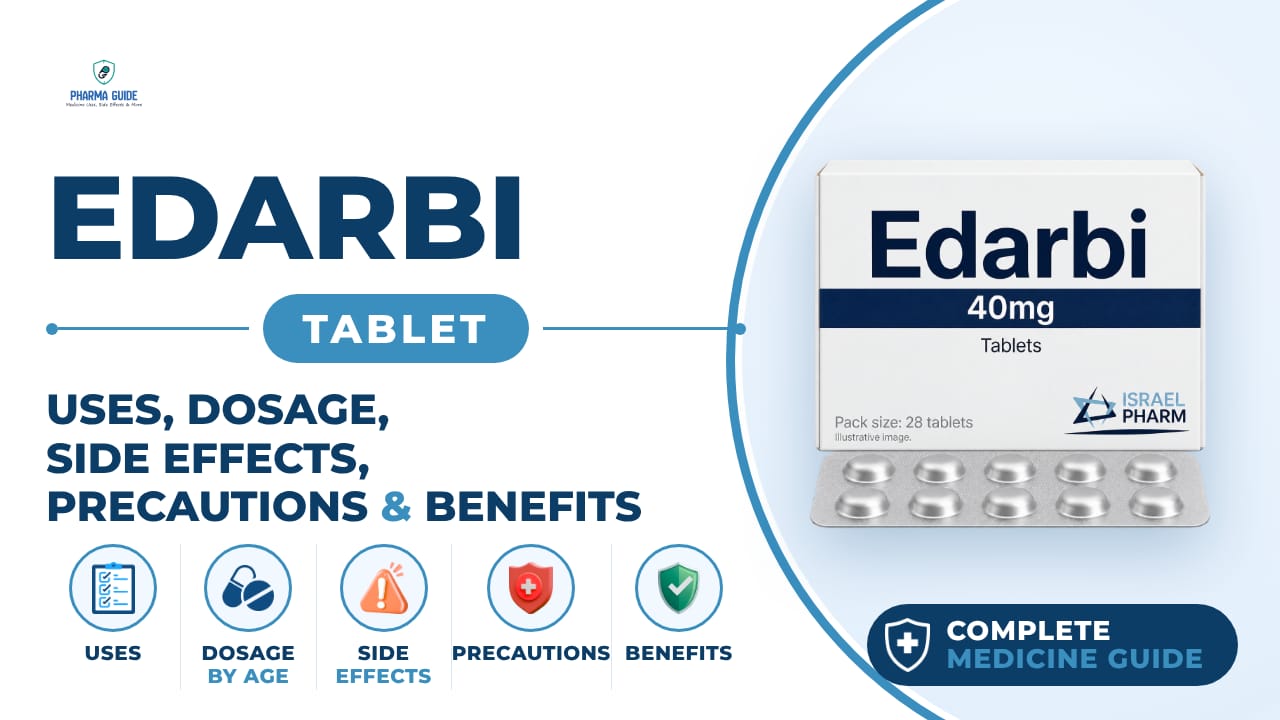
Edarbi Tablet: Uses, Dosage, Side Effects, Precautions and Alternates
| Generic name | azilsartan (azilsartan medoxomil) |
|---|---|
| Drug class | Angiotensin II receptor blocker (ARB) |
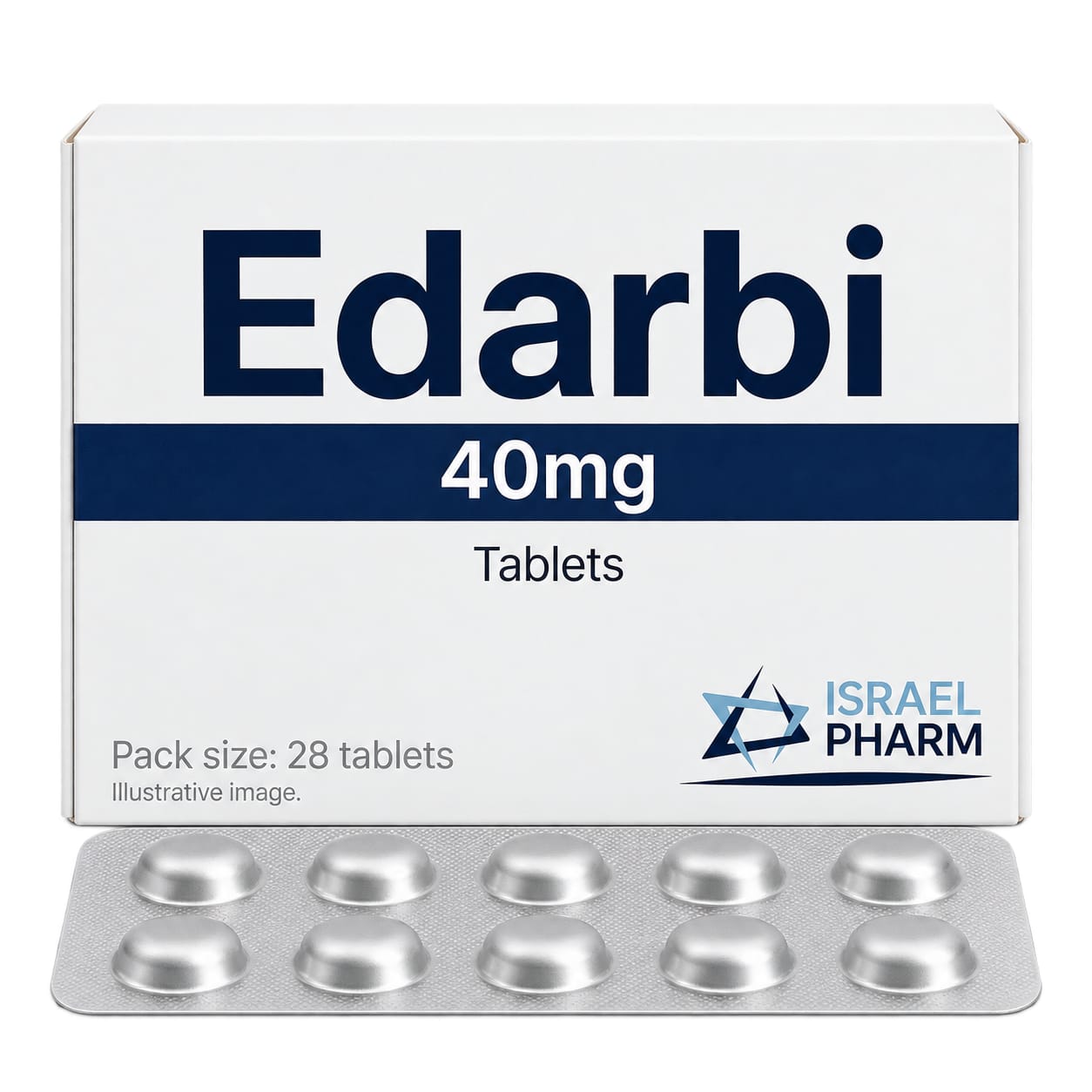
| Forms | Oral tablets (40 mg and 80 mg) |
Quick overview
Edarbi Tablet contains azilsartan (azilsartan medoxomil), an angiotensin II receptor blocker (ARB) used to treat high blood pressure in adults. It works by helping blood vessels relax, which lowers blood pressure. Edarbi is available as oral tablets and is taken exactly as prescribed by a doctor.
What is Edarbi Tablet
Edarbi is a prescription medicine that contains azilsartan. It belongs to a group of medicines called angiotensin II receptor blockers (ARBs), and it is used to treat high blood pressure in adults.
Edarbi Tablet uses
- Treats high blood pressure (hypertension) in adults
Benefits of Edarbi Tablet
- Lowers blood pressure by helping blood vessels relax
- May lower the risk of stroke or heart attack by reducing strain on the heart and arteries
- Can be used alone or together with other blood pressure medicines
How Edarbi Tablet works
Edarbi blocks a hormone called angiotensin II from attaching to its receptors in blood vessels. Normally this hormone makes blood vessels narrow. By blocking it, Edarbi lets blood vessels relax and widen, which lowers blood pressure.
Edarbi Tablet dosage
Take exactly as prescribed by your doctor and follow the directions on your prescription label. It can be taken with or without food, and taking it with food may help if it upsets your stomach. Keep taking it even if you feel well, since high blood pressure often has no symptoms. It may take a couple of weeks before your blood pressure is fully under control. Do not stop or change your dose suddenly without talking to your doctor, as your blood pressure could rise quickly. This medicine is not approved for use in anyone younger than 18 years old. If you miss a dose, take it as soon as you remember, but skip it if it is almost time for your next dose — do not take two doses at once. Tell your doctor if you have vomiting, diarrhea, or unusual sweating, since this can lead to dehydration while taking this medicine.
Use exactly as prescribed by your doctor or pharmacist.
Available forms and strengths
- Oral tablets (40 mg and 80 mg)
Side effects of Edarbi Tablet
Common
- Diarrhea
- Dizziness or lightheadedness
- Fatigue or tiredness
- Nausea
- Cough
- Muscle spasms
Serious
- Severely low blood pressure (dizziness, fainting, confusion, feeling weak or tired)
- Kidney damage (less urination, swelling in feet/ankles/legs, weakness, trouble breathing, confusion, nausea, seizures)
- High potassium levels (nausea, muscle weakness, tingling, pounding heart, tiredness, chest pain)
- Severe allergic reaction (swelling of face, lips, tongue, or throat; difficulty breathing; hives; rash)
Warnings and precautions
- Do not take Edarbi if you are pregnant. It can cause serious harm or death to an unborn baby, especially if taken during the second or third trimester. Stop taking it and call your doctor right away if you become pregnant.
- It isn't known if Edarbi passes into breast milk. You should not breastfeed while taking this medicine unless your doctor says it's okay.
- Edarbi can affect how well your kidneys work, and your doctor may need to check your kidney function during treatment. People with kidney problems may need special precautions, especially when combined with certain other medicines. Kidney function and potassium should be monitored, especially with kidney disease or other renin-angiotensin system medicines.
- It isn't known for certain whether alcohol affects this medicine.
- This medicine can affect your alertness or coordination. Don't drive or do other activities that require alertness until you know how it affects you.
- Edarbi has a boxed warning about causing serious harm or death to an unborn baby if taken during pregnancy, especially in the second or third trimester. Stop the medicine right away if pregnancy occurs.
- If you have diabetes, do not take Edarbi together with any medicine containing aliskiren, a different blood pressure drug.
- Don't use potassium supplements or salt substitutes unless your doctor has told you to, since this medicine can raise blood potassium levels.
- Get up slowly from sitting or lying down, since this medicine can make you feel dizzy.
Storage
- Store in the original container at room temperature, away from moisture, heat, and light.
- Store at room temperature, between 68 F and 77 F (20 C and 25 C). It can be exposed to temperatures between 59 F and 86 F (15 C and 30 C) for shorter periods of time, such as when transporting it. Store in a cool, dry place, tightly closed in the original container. Protect from light and moisture.
- Store in the original container it comes in from the pharmacy at room temperature and away from light. Keep the container tightly closed. Don't put it in a pill organizer.
When to see a doctor
- Get emergency help right away if you notice signs of a serious allergic reaction, such as hives, trouble breathing, or swelling of the face, lips, tongue, or throat.
- Call your doctor right away if you are urinating little or not at all, or if you feel lightheaded like you might pass out.
- If you think you've taken too much of this medicine, get emergency medical help or contact your local poison control center.
Alternatives
- Olmesartan
- Candesartan
- Valsartan
- Losartan
Watch the video
FAQs
What is Edarbi Tablet used for?
Edarbi Tablet is used to treat high blood pressure (hypertension) in adults.
How does Edarbi Tablet work?
Edarbi blocks a hormone called angiotensin II from attaching to its receptors in blood vessels. Normally this hormone makes blood vessels narrow, so by blocking it, Edarbi lets blood vessels relax and widen, which lowers blood pressure.
What are the common side effects of Edarbi Tablet?
Common side effects include diarrhea, dizziness or lightheadedness, fatigue or tiredness, nausea, cough, and muscle spasms.
Can I take Edarbi Tablet during pregnancy?
No, you should not take Edarbi if you are pregnant, as it can cause serious harm or death to an unborn baby, especially if taken during the second or third trimester. Stop taking it and call your doctor right away if you become pregnant.
What should I avoid while taking Edarbi Tablet?
You should avoid using potassium supplements or salt substitutes unless your doctor has told you to, since this medicine can raise blood potassium levels. If you have diabetes, do not take Edarbi together with any medicine containing aliskiren.
General information, not medical advice
Your prescriber and the leaflet in your pack know your situation. This page does not.
- Follow your prescriber and the leaflet
- Don't start, stop, or change a dose on your own
- Doses and warnings differ by country and product
Sources
Video
Related medicines
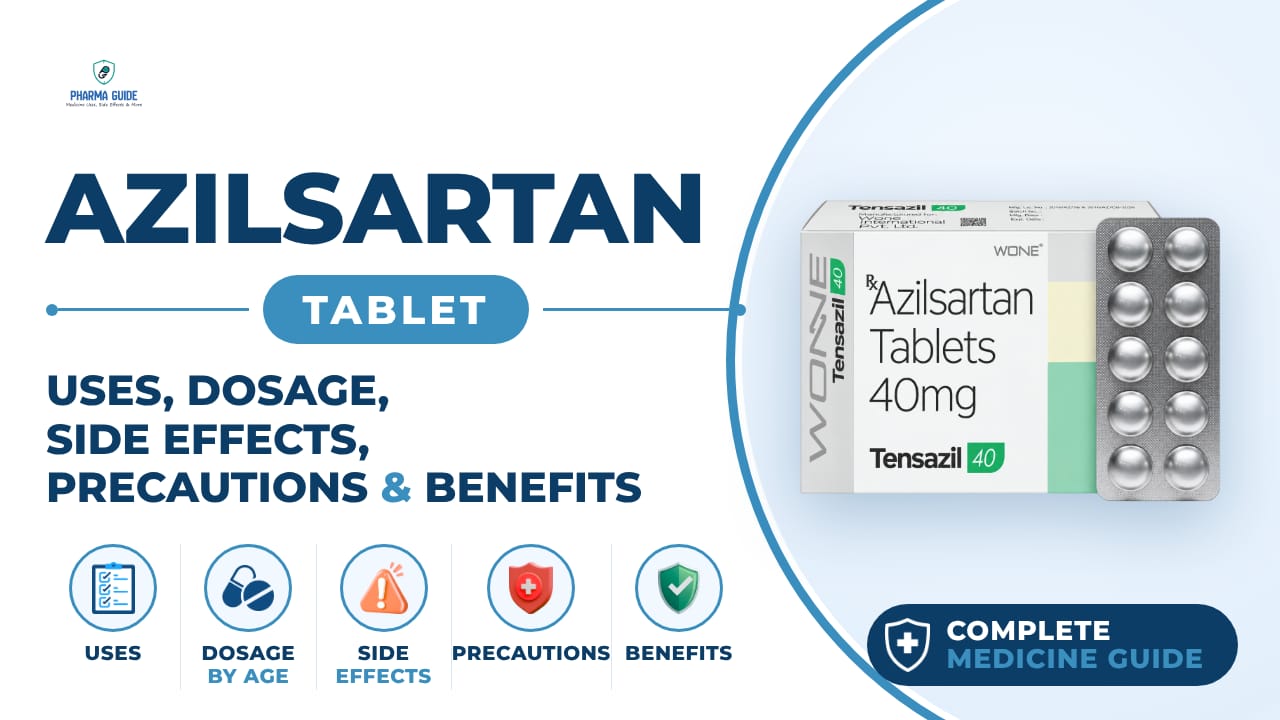
Azilsartan Tablet: Uses, Dosage, Side Effects, Precautions and Alternates
Angiotensin II receptor blocker (ARB)
Azilsartan Tablet is an ARB used to treat high blood pressure in adults. Learn about its uses, dosage, side effects, warnings, and alternatives.
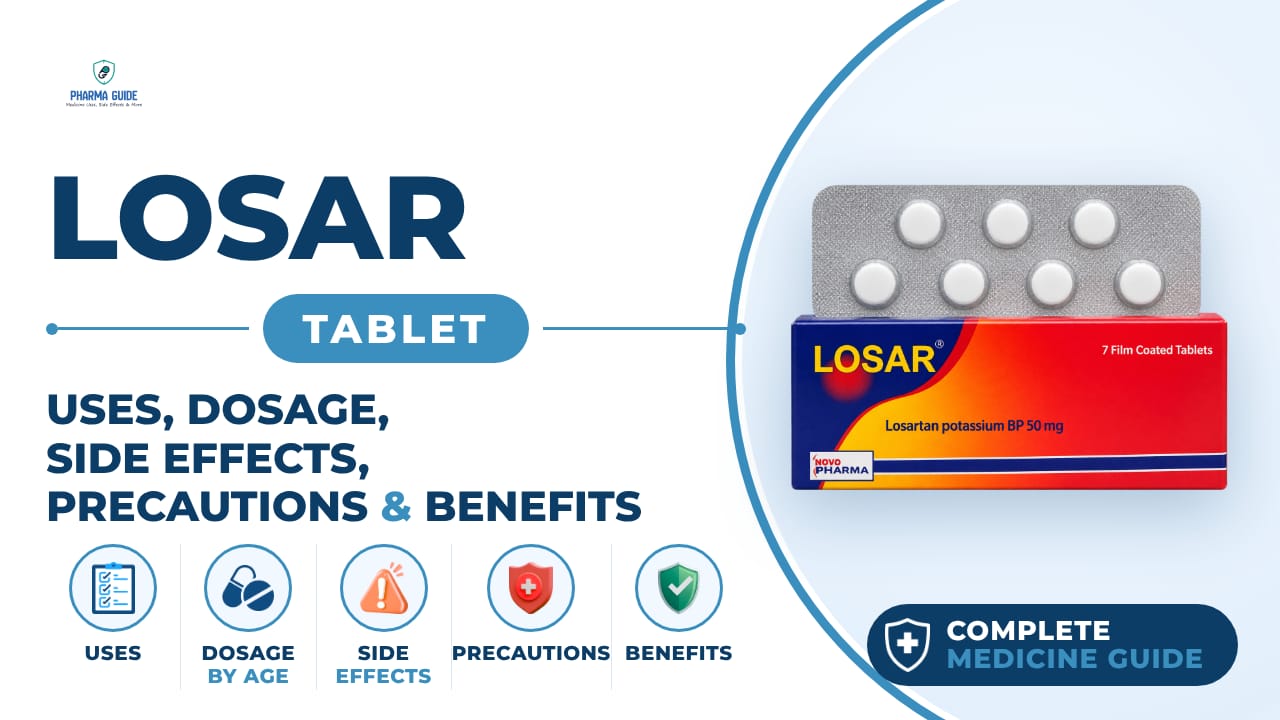
Losar Tablet: Uses, Dosage, Side Effects, Precautions and Alternates
Angiotensin II Receptor Blocker (ARB)
Losar Tablet contains losartan, an ARB used to treat high blood pressure, protect kidneys in diabetes, and reduce stroke risk. Learn dosage and side effects.