Erythromycin Syrup: Uses, Dosage, Side Effects, Precautions and Alternates

| Generic name | Erythromycin (ethylsuccinate) |
|---|---|
| Drug class | Macrolide antibiotic |
| Forms | Oral suspension (liquid), Tablet, Capsule, Granules, Injection |
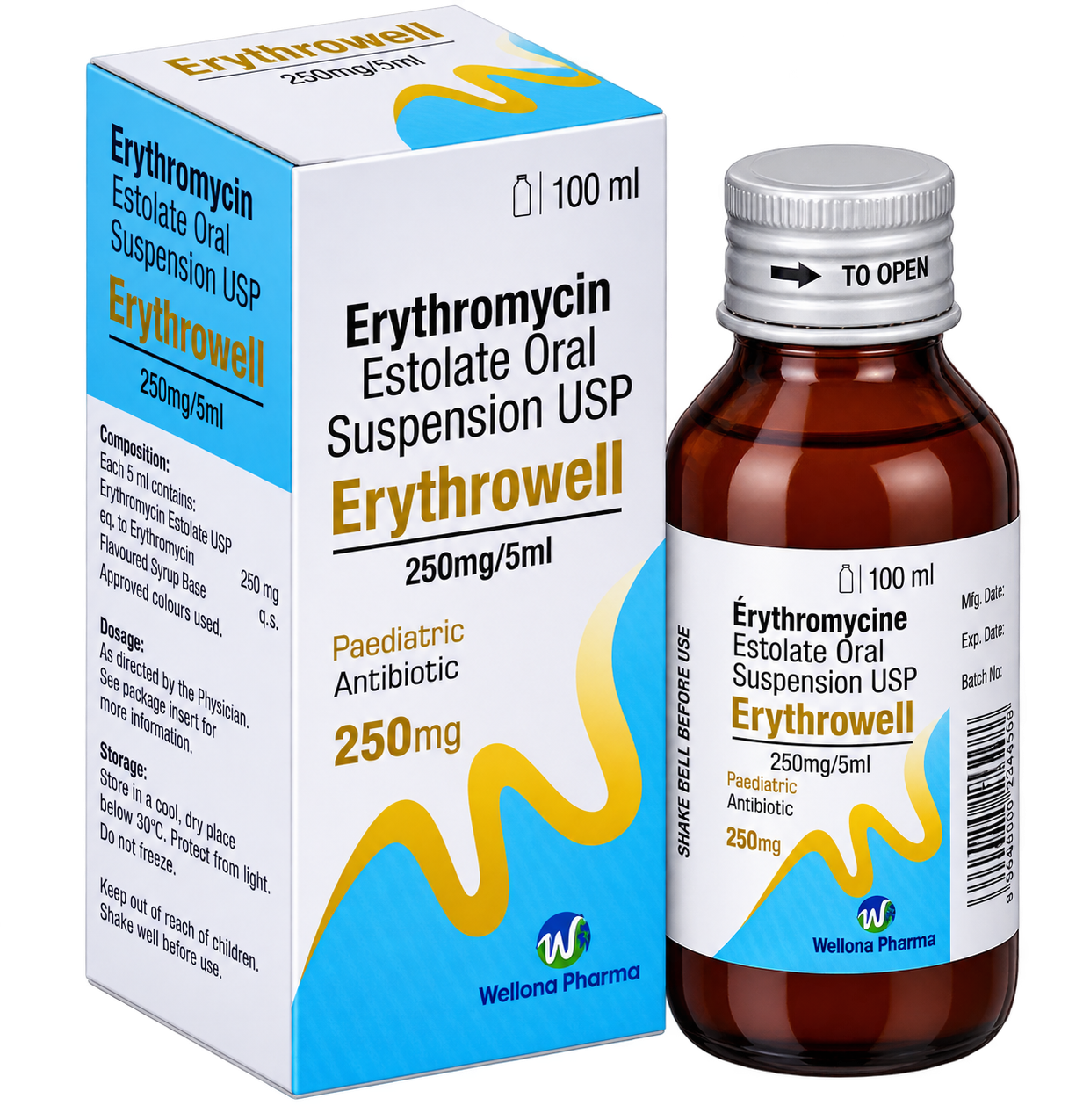
Quick overview
Erythromycin Syrup is a macrolide antibiotic used to treat or prevent bacterial infections. It is not effective against infections caused by viruses. It can be used in both children and adults and may be taken with or without food.
What is Erythromycin Syrup
Erythromycin is a macrolide antibiotic. The syrup (oral suspension) is used to treat or prevent bacterial infections. It is not effective against infections caused by viruses.
Erythromycin Syrup uses
- Treats or prevents bacterial infections
- Upper respiratory tract infections (mild to moderate)
- Lower respiratory tract infections (mild to moderate)
- Whooping cough (pertussis)
- Skin and soft tissue infections
- Diphtheria and erythrasma
- Intestinal amebiasis
- Syphilis (as an alternative in penicillin-allergic patients)
- Chlamydia infections, including in pregnancy and newborns
- Legionnaires' disease
- Prevention of rheumatic fever in penicillin-allergic patients
Benefits of Erythromycin Syrup
- Kills or stops the growth of bacteria causing the infection
- Can be taken with or without food
- Can be used in children and adults
How Erythromycin Syrup works
Erythromycin works by stopping bacteria from making the proteins they need. It attaches to a part of the bacteria (the 50S ribosome), which blocks protein production. It does not affect the bacteria's genetic material.
Erythromycin Syrup dosage
Take with or without food, unless your doctor tells you to take it another way. Shake the liquid well before use. Measure liquid doses carefully using the measuring device that comes with the medicine. If there is none, ask your pharmacist for a measuring device.
Keep taking this medicine as directed, even if you feel well, and finish the full course of treatment. Take it at around the same time each day to help you remember. One source advises taking erythromycin at least 30 minutes before or 2 hours after meals and avoiding grapefruit juice during treatment. Do not use it longer than you have been told, as a second infection may happen.
| Age group | Dose |
|---|---|
| Under 1 month | Doctor-prescribed only |
| 1–2 months | Doctor-prescribed only |
| 3–11 months | Pediatric dose, usually 4 times daily |
| 1–11 years | Pediatric dose, usually 4 times daily |
| 12–17 years | 250–500 mg every 6 hours |
| 18 years and older | 400 mg every 6 hours |
Available forms and strengths
- Oral suspension (liquid)
- Tablet
- Capsule
- Granules
- Injection
Side effects of Erythromycin Syrup
Common
- Diarrhea
- Stomach pain
- Upset stomach
- Nausea and vomiting
- Decreased appetite
- Headache
- Changes in sense of taste
- Weakness
- Mouth ulcers
- Skin rash
- Muscle or joint pain
- Dizziness
- Weight loss
- Irritation where the injection is given
Serious
- Signs of an allergic reaction such as rash, hives, itching, swollen or peeling skin, wheezing, chest or throat tightness, trouble breathing or swallowing, or swelling of the mouth, face, lips, tongue, or throat
- Signs of liver problems such as dark urine, tiredness, decreased appetite, upset stomach or stomach pain, light-colored stools, throwing up, or yellow skin or eyes
- Severe skin reactions (Stevens-Johnson syndrome / toxic epidermal necrolysis)
- Not being able to pass urine or change in how much urine is passed
- Severe dizziness or passing out
- A fast or abnormal heartbeat (long QT on ECG)
- Severe watery or bloody diarrhea (possible C. difficile infection)
- Hearing loss
- New or worse muscle weakness, trouble chewing or swallowing, trouble breathing, droopy eyelids, or vision changes (possible myasthenia gravis symptoms)
- In newborns, vomiting or irritability with feeding (possible serious stomach problem)
Warnings and precautions
- Erythromycin can cause liver problems, including increased liver enzymes and hepatitis, with or without jaundice. It can affect the heart rhythm (QT prolongation) and, rarely, cause a dangerous abnormal heartbeat. It should be avoided in people with known QT prolongation, low potassium or magnesium, a slow heartbeat, or those taking certain heart rhythm medicines. Elderly people may be more at risk.
- Antibiotics including erythromycin can cause C. difficile associated diarrhea, which can range from mild diarrhea to serious, life-threatening bowel inflammation. This can happen during treatment or up to two months after.
- A serious stomach problem (infantile hypertrophic pyloric stenosis) has happened in newborns given erythromycin. Contact the doctor right away if a baby vomits or becomes irritable with feeding.
- Do not take erythromycin with certain other medicines such as terfenadine, astemizole, pimozide, cisapride, or the cholesterol medicines lovastatin or simvastatin, because of the risk of serious side effects.
- Erythromycin may make symptoms of myasthenia gravis worse, and new myasthenia symptoms have happened in people who did not have it before.
- Only use this antibiotic to treat bacterial infections and finish the full course, even if you feel better, to avoid antibiotic resistance.
- Erythromycin is generally considered safe in pregnancy to treat bacterial infections and is not known to harm the baby. However, in early pregnancy it may increase the risk of birth defects, so use it only if your doctor recommends. Tell your doctor if you are pregnant or plan to become pregnant.
- Erythromycin passes into breast milk in very low levels and is not known to be harmful to breastfeeding babies. It is acceptable to use while breastfeeding if your doctor recommends it.
- People with kidney problems may have a higher chance of hearing loss with this medicine, especially at high doses.
- Use this medicine with caution if you have liver problems, since erythromycin is mainly removed by the liver. Do not use it if you have had liver problems or a certain type of jaundice from taking this medicine before. Your dose may need to be adjusted.
- How erythromycin interacts with alcohol is unknown. It is advisable to consult your doctor before drinking alcohol.
Storage
- Store the dry powder before mixing below 86°F (30°C).
- After it is mixed (reconstituted), store the suspension at room temperature (20° to 25°C / 68° to 77°F) and use within 35 days; refrigeration is not required.
- Some brands of the liquid need to be stored in a refrigerator and some at room temperature - ask your pharmacist if you have questions.
- Be sure you know how long you can store this medicine before you need to throw it away.
- Keep all medicines in a safe place, out of the reach of children and pets.
- Throw away unused or expired medicine. Do not flush down a toilet or pour down a drain unless you are told to do so. Check with your pharmacist about the best way to throw out medicines.
When to see a doctor
Get medical help right away if you have signs of an allergic reaction, liver problems, a severe skin reaction, trouble passing urine, severe dizziness or fainting, a fast or abnormal heartbeat, or hearing problems.
Call your doctor right away if you have stomach pain, cramps, or very loose, watery, or bloody stools. Check with your doctor before treating diarrhea.
For a newborn, call the doctor right away if the child throws up or gets irritable with feeding.
If you think there has been an overdose, call your local poison control center or get medical care right away. Be ready to tell what was taken, how much, and when it happened.
Get medical help right away if your heartbeat does not feel normal.
Alternatives
- Azithromycin Syrup
- Clarithromycin Syrup
- Roxithromycin Syrup
- Spiramycin Suspension
FAQs
What is Erythromycin Syrup used for?
It treats or prevents bacterial infections, including respiratory tract infections, whooping cough, skin and soft tissue infections, diphtheria, erythrasma, intestinal amebiasis, syphilis (in penicillin-allergic patients), chlamydia infections, Legionnaires' disease, and prevention of rheumatic fever in penicillin-allergic patients. It is not effective against viral infections.
Should Erythromycin Syrup be taken with food?
It can be taken with or without food unless your doctor tells you otherwise. One source advises taking it at least 30 minutes before or 2 hours after meals and avoiding grapefruit juice during treatment.
What are the common side effects of Erythromycin Syrup?
Common side effects include diarrhea, stomach pain, upset stomach, nausea and vomiting, decreased appetite, headache, changes in taste, weakness, mouth ulcers, skin rash, muscle or joint pain, dizziness, and weight loss.
Is Erythromycin Syrup safe during pregnancy and breastfeeding?
It is generally considered safe in pregnancy to treat bacterial infections, though early pregnancy use may slightly increase the risk of birth defects, so it should only be used if recommended by a doctor. It passes into breast milk in very low levels and is considered acceptable while breastfeeding if recommended by a doctor.
How should Erythromycin Syrup be stored?
Store the dry powder below 86°F (30°C) before mixing. After mixing, store the suspension at room temperature (20°–25°C/68°–77°F) and use within 35 days; refrigeration is not required, though some brands may need refrigeration, so check with your pharmacist.
Sources
- UpToDate Lexidrug / Memorial Sloan Kettering Cancer Center - Erythromycin (Systemic) Patient & Caregiver Education
- DailyMed - Erythromycin Ethylsuccinate Oral Suspension label (Amneal Pharmaceuticals NY LLC)
- Practo - Erythromycin Medicine Info
Video