Levaquin Tablet: Uses, Dosage, Side Effects, Precautions and Alternates
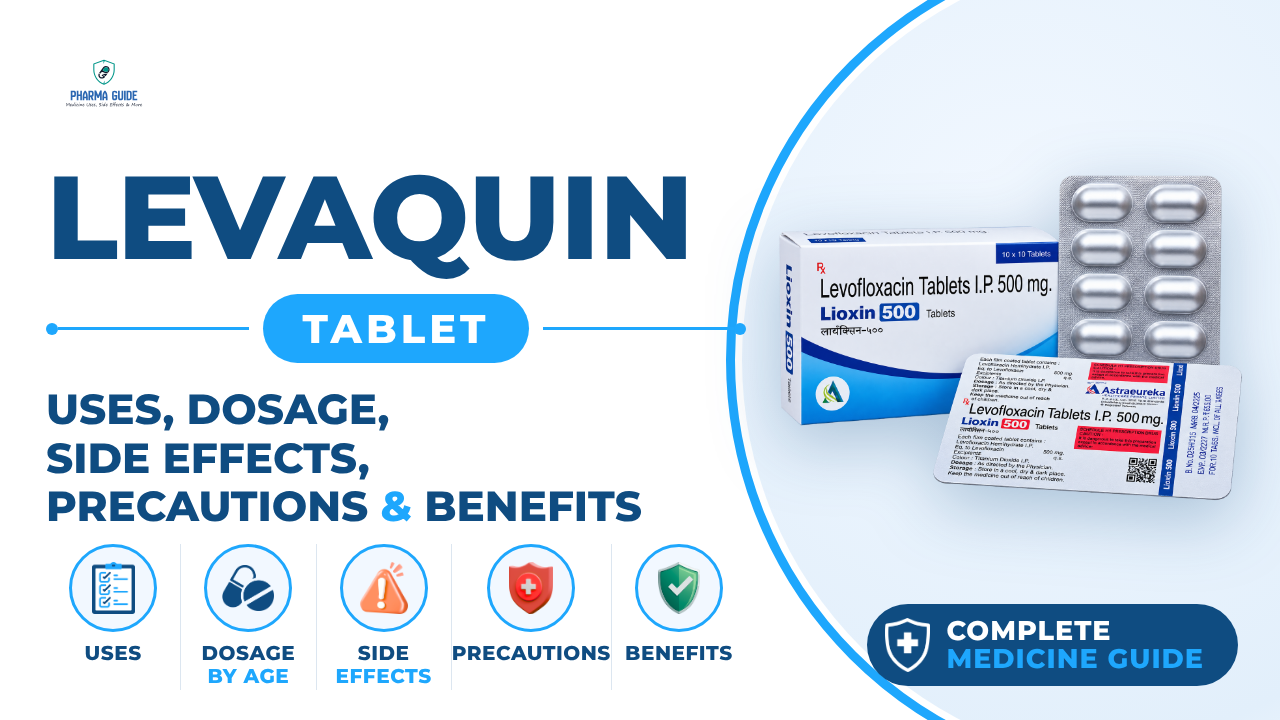
| Generic name | Levofloxacin |
|---|---|
| Drug class | Quinolone (fluoroquinolone) antibacterial agent |
| Forms | Tablet, Oral solution, Injection for intravenous use |
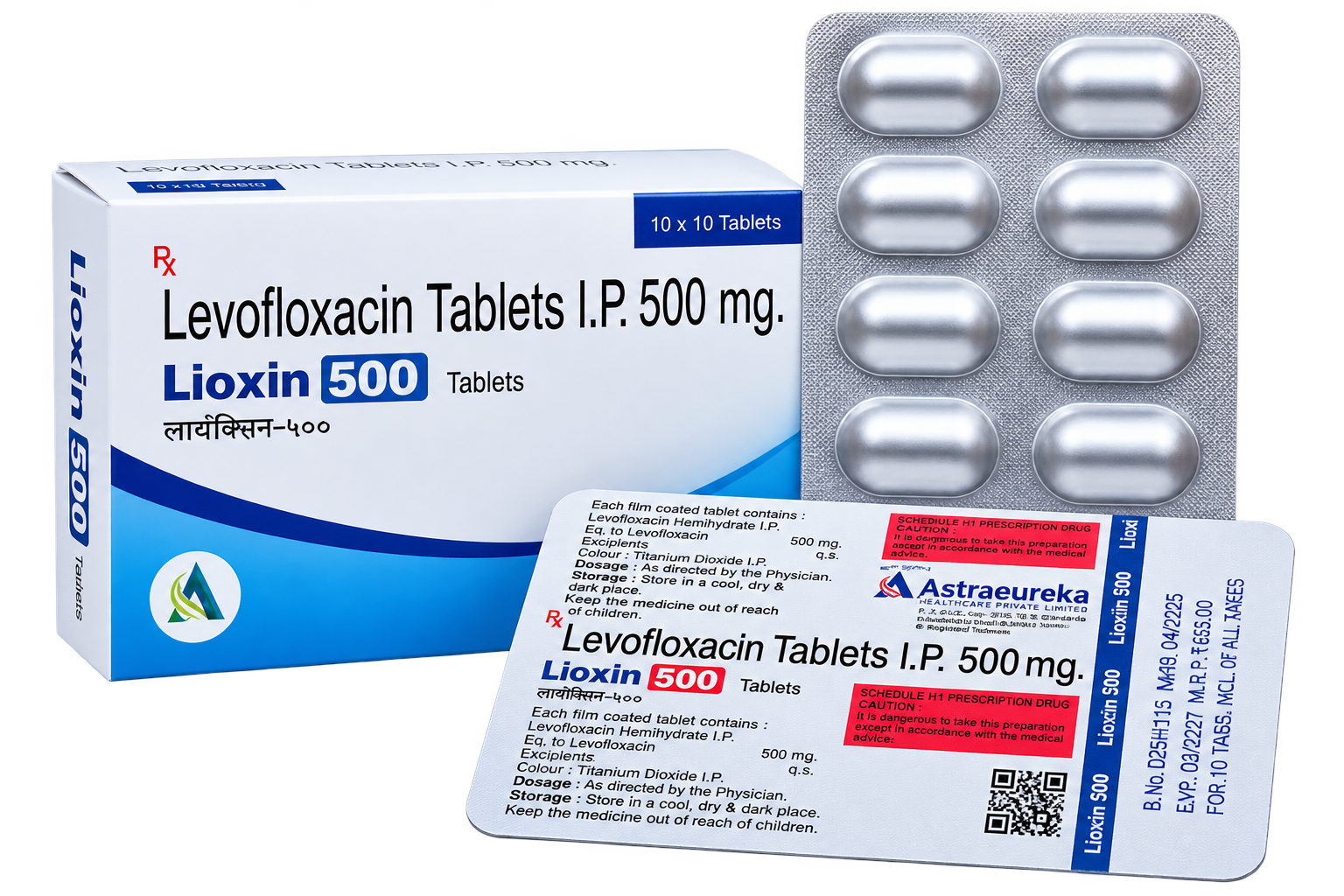
Quick overview
Levaquin (levofloxacin) is a quinolone antibiotic used to treat bacterial infections of the bladder, kidney, prostate, sinus, skin, and lung. It works by stopping bacteria from growing and does not treat viral infections. Common side effects include nausea, headache, and diarrhea, while serious risks such as tendon problems and nerve damage require prompt medical attention. It is available as a tablet, oral solution, and intravenous injection.
What is Levaquin Tablet
Levaquin (levofloxacin) belongs to the class of medications called quinolones. It is an antibiotic used to treat certain bacterial infections. It is most commonly used to treat infections of the bladder, kidney, prostate, sinus, skin, and lung.
Levaquin Tablet uses
- Acute sinus infection
- Acute worsening of chronic bronchitis
- Community-acquired pneumonia
- Nosocomial (hospital-acquired) pneumonia
- Uncomplicated and complicated skin and skin structure infections
- Chronic bacterial prostate infection
- Complicated and uncomplicated urinary tract infections
- Acute kidney infection (pyelonephritis)
Benefits of Levaquin Tablet
- Kills many types of bacteria that can infect the lungs, sinus, skin, and urinary tract
- Has been shown in clinical trials to be effective for treating bacterial infections
- Treats certain bacterial infections
- Helps treat pneumonia
- Used for certain sinus infections
- Treats some urinary tract infections (UTIs)
- Can treat certain kidney infections
- Used for some skin and soft-tissue infections
- May be used for certain prostate infections
- Helps stop the growth of susceptible bacteria
How Levaquin Tablet works
Levofloxacin stops bacteria from growing by interfering with the enzymes bacteria need to copy and repair their DNA. This kills many types of bacteria that cause infection. It does not kill viruses.
Levaquin Tablet dosage
This medication may be taken with or without food. Take the tablet at about the same time each day, and swallow each tablet whole. Drink plenty of fluids each day while taking this medication.
Take this medication at least 2 hours before or 2 hours after taking antacids containing calcium, magnesium, or aluminum; sucralfate; or vitamin and mineral tablets containing calcium, iron, or zinc.
Finish all of this medication, even if you start to feel better. Stopping before the medication is finished may cause the infection to return and be harder to treat.
If you miss a dose, take it as soon as possible and continue with your regular schedule. If it is almost time for your next dose, skip the missed dose. Do not take a double dose to make up for a missed one.
| Age group | Dose |
|---|---|
| Under 18 years | Generally not recommended unless specifically prescribed |
| 18–64 years | Usually 250–750 mg once daily, depending on the infection |
| 65+ years | Adult dose; adjust for kidney function |
Available forms and strengths
- Tablet
- Oral solution
- Injection for intravenous use
Side effects of Levaquin Tablet
Common
- Nausea
- Headache
- Diarrhea
- Difficulty sleeping (insomnia)
- Constipation
- Dizziness
- Drowsiness
- Lightheadedness
- Vomiting
- Abdominal or stomach pain or discomfort (mild)
- Heartburn
- Increased sensitivity of the skin to sunlight
- Itching
- Skin rash
- Thrush (white patches in the mouth)
- Vaginal itching and discharge
- Nervousness
Serious
- Tendon pain, swelling, or rupture
- Nerve damage (peripheral neuropathy) with pain, burning, tingling, numbness, or weakness
- Seizures
- Confusion, hallucinations, or changes in mood or behaviour
- Signs of an allergic reaction (difficulty breathing; hives; swelling of the face, tongue, or throat; blistering or peeling skin)
- Signs of liver problems (nausea, vomiting, loss of appetite, yellowing of the skin or eyes, dark urine, pale stools)
- Symptoms of high or low blood sugar
- Irregular, fast, or pounding heartbeat or fainting
- Severe or watery diarrhea (may be bloody)
- Worsening muscle weakness or breathing problems (myasthenia gravis)
- Sudden severe pain in the chest, back, or abdomen (artery problems)
- Thoughts of self-harm
- Vision changes
Warnings and precautions
- This medicine can lengthen the heartbeat on an electrocardiogram test (QT interval prolongation), which can cause a dangerous abnormal heartbeat.
- Serious, sometimes fatal, allergic reactions have been reported in some patients taking this medicine, even after only one dose.
- Seizures may occur with this medicine. Tell your doctor if you have any central nervous system problems such as epilepsy.
- This medicine may worsen muscle weakness in people with myasthenia gravis. Do not use it if you have or have had myasthenia gravis.
- This medicine is linked to an increased risk of tendinitis and tendon rupture at all ages, with higher risk in people over 60, those taking corticosteroids, and those with kidney, heart, or lung transplants.
- Nerve damage (peripheral neuropathy) can happen and may be permanent. Stop the medicine and contact your doctor right away if you get pain, burning, tingling, numbness, or weakness.
- This medication should not be used during pregnancy unless the benefits outweigh the risks.
- If you become pregnant while taking it, contact your doctor immediately.
- This medication may pass into breast milk and may affect your baby.
- Talk to your doctor about whether you should continue breast-feeding.
- The safety of this medicine in people with decreased kidney function has not been well studied. Because it is removed by the kidneys, reduced kidney function may cause it to build up in the body. Discuss with your doctor if you have kidney problems.
- Very rarely, this medicine may reduce liver function and can cause liver failure.
- If you have liver problems, discuss this with your doctor.
- Your doctor may test your liver function with blood tests while you take it.
- This medicine may cause dizziness or lightheadedness, which can affect the mental abilities needed to drive or operate machinery.
- Avoid driving or hazardous tasks until you know how it affects you.
Storage
- Store this medication at room temperature (15–30°C) in well-closed containers.
- Protect it from light and moisture.
- Keep it out of the reach of children.
- Do not dispose of medications in wastewater (down the sink or toilet) or in household garbage. Ask your pharmacist how to dispose of medications that are no longer needed or have expired.
When to see a doctor
- Stop taking this medicine and get emergency medical help right away if you have signs of a severe allergic reaction such as hives, trouble breathing or swallowing, swelling of the lips, tongue, face or throat, rapid heartbeat, fainting, or skin rash.
- Stop taking this medicine and get medical help right away at the first sign of tendon pain, swelling or inflammation, or if you hear or feel a snap or pop, cannot move the area, or cannot bear weight.
- Stop taking this medicine and get immediate medical attention if you have sudden severe abdominal, back or chest pain, fainting, dizziness or a pulsing sensation in the abdomen, as these may be signs of a problem with the aorta.
- Contact your doctor as soon as possible if you develop watery and bloody diarrhea, with or without stomach cramps and fever, during or up to 2 months after taking antibiotics.
- For a suspected overdose, contact a healthcare practitioner, hospital emergency department, or your regional poison control center, even if there are no symptoms.
Alternatives
- Azithromycin
- Clarithromycin
- Doxycycline
- Amoxicillin
- Amoxicillin-Clavulanate
- Cefuroxime
- Cefixime
FAQs
What is Levaquin Tablet used for
Levaquin is used to treat bacterial infections including acute sinus infection, chronic bronchitis flare-ups, pneumonia, skin infections, chronic prostate infection, urinary tract infections, and kidney infection (pyelonephritis).
How does Levaquin Tablet work
Levofloxacin stops bacteria from growing by interfering with the enzymes bacteria need to copy and repair their DNA, which kills many types of bacteria. It does not work against viruses.
What are the common side effects of Levaquin Tablet
Common side effects include nausea, headache, diarrhea, insomnia, constipation, dizziness, drowsiness, lightheadedness, vomiting, stomach discomfort, heartburn, increased sun sensitivity, itching, skin rash, thrush, and nervousness.
What are the serious risks of taking Levaquin Tablet
Serious risks include tendon pain, swelling or rupture; nerve damage (peripheral neuropathy); seizures; confusion or mood changes; allergic reactions; liver problems; irregular heartbeat; severe diarrhea; worsening myasthenia gravis; and artery problems causing sudden severe pain.
How should I take Levaquin Tablet
Take the tablet whole at about the same time each day, with or without food, and drink plenty of fluids. Avoid taking it within 2 hours of antacids, sucralfate, or vitamin/mineral supplements containing calcium, magnesium, aluminum, iron, or zinc, and finish the full course even if you feel better.
Sources
- Pharmasave Medication Lookup – Levaquin (levofloxacin), source: MediResource Inc. / medbroadcast.com
- Janssen Inc. Product Monograph, LEVAQUIN (levofloxacin), Date of Revision August 13, 2014
- LEVAQUIN (levofloxacin) Medication Guide, Janssen Pharmaceuticals, Revised August 2016 (Lexicomp)
Video