Levipil Tablet: Uses, Dosage, Side Effects, Precautions and Alternates
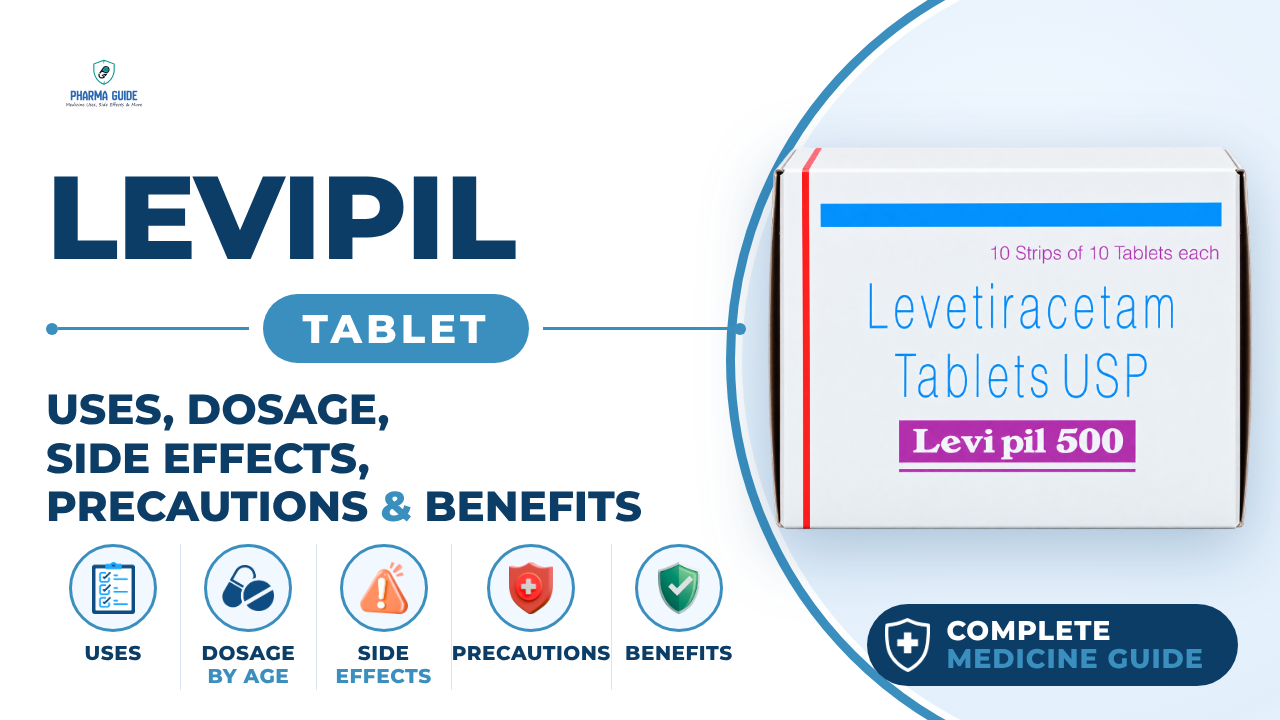
| Generic name | Levetiracetam |
|---|---|
| Drug class | Anti-convulsant (anti-epileptic) |
| Forms | Tablet, Injection, Syrup, Tablet XR (extended release) |
Quick overview
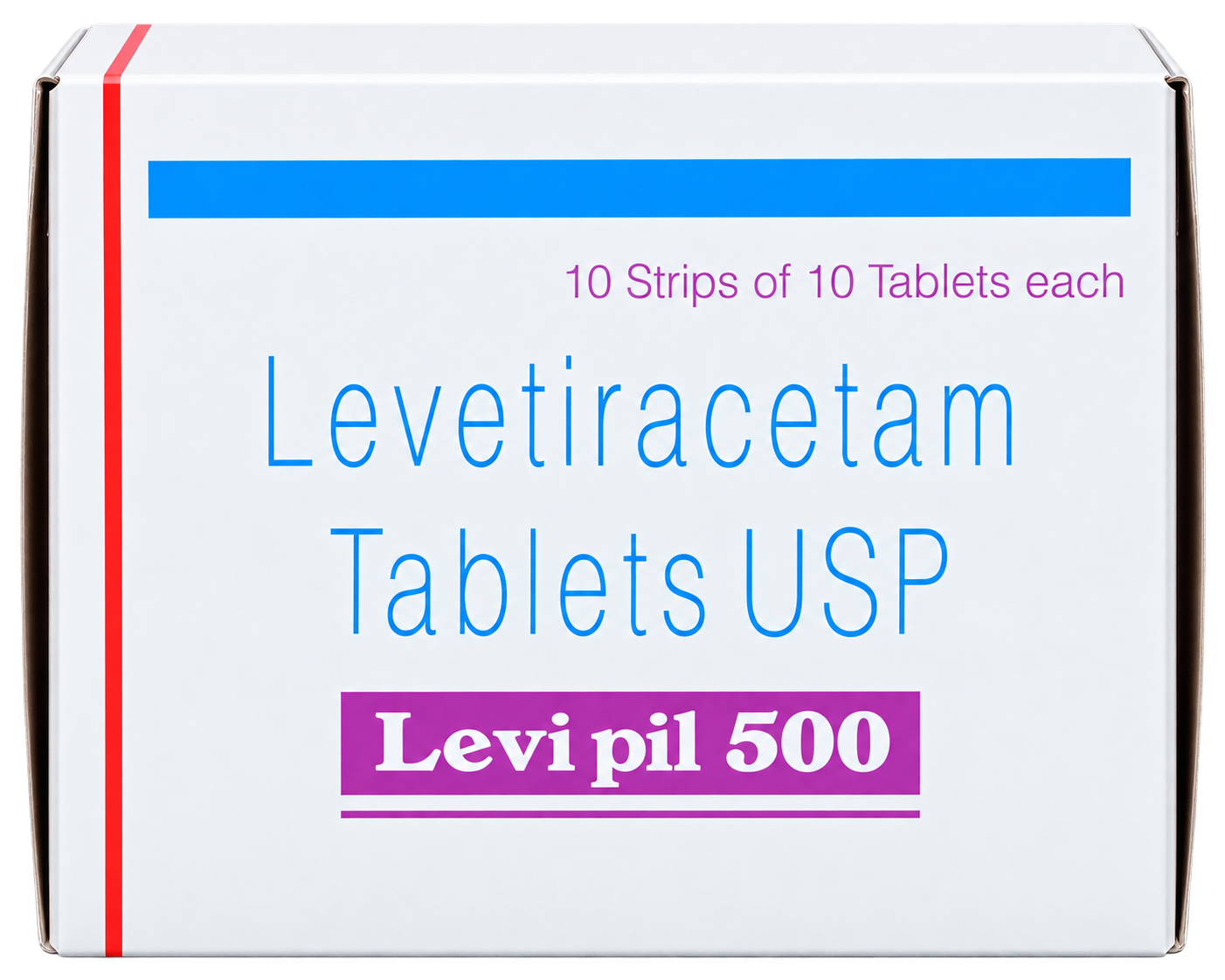
Levipil Tablet contains levetiracetam, an anti-convulsant (anti-epileptic) medicine used to treat and prevent epileptic seizures. It is usually prescribed for long-term use to keep seizures under control. It works by steadying abnormal electrical activity in the brain and is often taken alone or alongside other anti-seizure medicines.
What is Levipil Tablet
Levipil is an anti-epileptic medicine used to treat and prevent epileptic seizures. It is usually prescribed for long-term use to keep seizures under control.
Levipil Tablet uses
- Controls seizures in people with epilepsy
- Treats focal (partial) seizures, which may stay in one part of the brain or spread to others
- Manages certain generalised seizure types, including myoclonic seizures (jerky muscle movements) and tonic-clonic seizures (stiffness and loss of consciousness)
- Used alone or with other medicines to reduce how often seizures happen
- Helps reduce epileptic symptoms such as anxiety, confusion, uncontrolled spasms, and loss of awareness
Benefits of Levipil Tablet
- Helps control seizures so patients can lead a more normal daily life, including activities like driving and swimming
- May be used together with other medicines to further reduce how often seizures occur
How Levipil Tablet works
Levipil contains levetiracetam, which steadies abnormal electrical activity in the brain that triggers seizures, helping to reduce how often and how severe they are.
Levipil Tablet dosage
- Take it by mouth exactly as prescribed by your doctor. Swallow the tablet whole with a glass of water; do not crush, break, or chew it.
- Take it at the same time every day to help you remember and get the best results.
- Do not skip doses or stop taking it suddenly, as this can trigger seizures or worsen your condition; your doctor may suggest reducing the dose gradually if you need to stop.
- It can be taken with or without food. Keeping a regular sleep schedule can help support steadier seizure control.
| Age group | Dose |
|---|---|
| Children (1–5 Months) | 7 mg/kg twice daily, adjusted by a specialist |
| Children (6 Months–17 Years) | 10 mg/kg twice daily, gradually adjusted according to response |
| Adults (18–64 Years) | 500 mg twice daily initially; adjusted according to seizure control |
| Older Adults (65+ Years) | 500 mg twice daily, with adjustment based on kidney function |
Available forms and strengths
- Tablet
- Injection
- Syrup
- Tablet XR (extended release)
Side effects of Levipil Tablet
Common
- Dizziness
- Fatigue/tiredness
- Headache
- Sleepiness
- Loss of appetite
- Nasal congestion/common cold
- Infection
- Irritation
- Mood swings
- Diarrhoea
- Indigestion
- Nausea or vomiting
- Rash
- Weight loss or weight gain
- Vision disturbances
- Hair loss
- Muscle pain
- Anxiety and nervousness
- Cough
- Stomach pain
- Tremor
- Lack of energy
Serious
- Violent behaviour
- Suicidal thoughts or tendencies
- Increased liver enzyme levels
- Severe mood or behaviour changes
Warnings and precautions
- Do not stop taking Levipil suddenly, as this can trigger seizures and worsen your condition; always talk to your doctor before stopping.
- Levipil is not recommended for people with kidney failure, blood disorders, or depression; tell your doctor about any of these conditions.
- If you are allergic to levetiracetam or any ingredient in the tablet, tell your doctor, as allergic reactions can range from mild to severe.
- This medicine can interact with several other drugs, including other anti-seizure medicines, certain antidepressants, HIV medicines, acid reflux medicines, disulfiram, tuberculosis drugs, Parkinson's medicine, and asthma medicines. Tell your doctor about all medicines, supplements, and vitamins you take.
- Levipil may be unsafe to use during pregnancy. Human studies are limited, but animal studies have shown possible harm to the developing baby, so your doctor will weigh the benefits against the risks before prescribing it.
- Levipil is considered probably safe during breastfeeding based on limited data, but your baby should be watched for sleepiness and weight gain, and you should consult your doctor first.
- Levipil should be used with caution in people with kidney disease, and the dose may need to be adjusted. Tell your doctor if you have any kidney problems.
- Levipil is generally considered safe for people with liver disease, and dose changes are usually not needed, though a lower dose may be used in severe liver disease.
- Avoid alcohol while taking Levipil, as it can increase the risk of side effects like dizziness, drowsiness, and reduced alertness.
- Levipil can cause reduced alertness, blurred vision, drowsiness, or dizziness, so check how the medicine affects you before driving or operating machinery.
Storage
- Store the medication at room temperature, preferably between 15-25ºC
- Protect the tablets from light and moisture
- Keep Levipil 500 tablet out of the reach of children
- Do not use the medication after the expiry date mentioned on the packaging
- Store below 30°C
When to see a doctor
- If you have suicidal thoughts or tendencies, contact your doctor right away so your dosage can be reviewed.
- If you experience an overdose, get medical help immediately; symptoms can include headache, sleepiness, stuffy nose, nausea, and dizziness.
- If side effects do not improve or become severe, speak to your doctor right away.
Alternatives
- Oxcarbazepine
- Sodium Valproate
- Carbamazepine
- Lamotrigine
FAQs
What is Levipil Tablet used for?
Levipil Tablet is used to control seizures in people with epilepsy, including focal seizures and certain generalised seizures like myoclonic and tonic-clonic seizures. It can be used alone or with other medicines to reduce how often seizures happen.
How should Levipil Tablet be taken?
Levipil should be swallowed whole with a glass of water, without crushing, breaking, or chewing it. It should be taken at the same time every day and can be taken with or without food. Doses should not be skipped or stopped suddenly without a doctor's advice.
What are the common side effects of Levipil Tablet?
Common side effects include dizziness, fatigue, headache, sleepiness, loss of appetite, nasal congestion, mood swings, diarrhoea, nausea or vomiting, rash, weight changes, vision disturbances, and tremor.
Is Levipil Tablet safe during pregnancy and breastfeeding?
Levipil may be unsafe during pregnancy, as animal studies have shown possible harm to the developing baby, though human data is limited. It is considered probably safe during breastfeeding based on limited data, but the baby should be watched for sleepiness and weight gain.
Can I stop taking Levipil Tablet suddenly?
No, Levipil should not be stopped suddenly as this can trigger seizures and worsen your condition. Your doctor may suggest reducing the dose gradually if you need to stop.
Sources
Video