
Safety
General information, not medical advice
Your prescriber and the leaflet in your pack know your situation. This page does not.
- Follow your prescriber and the leaflet
- Don't start, stop, or change a dose on your own
- Doses and warnings differ by country and product
Lipitor Tablet: Uses, Dosage, Side Effects, Precautions and Alternates
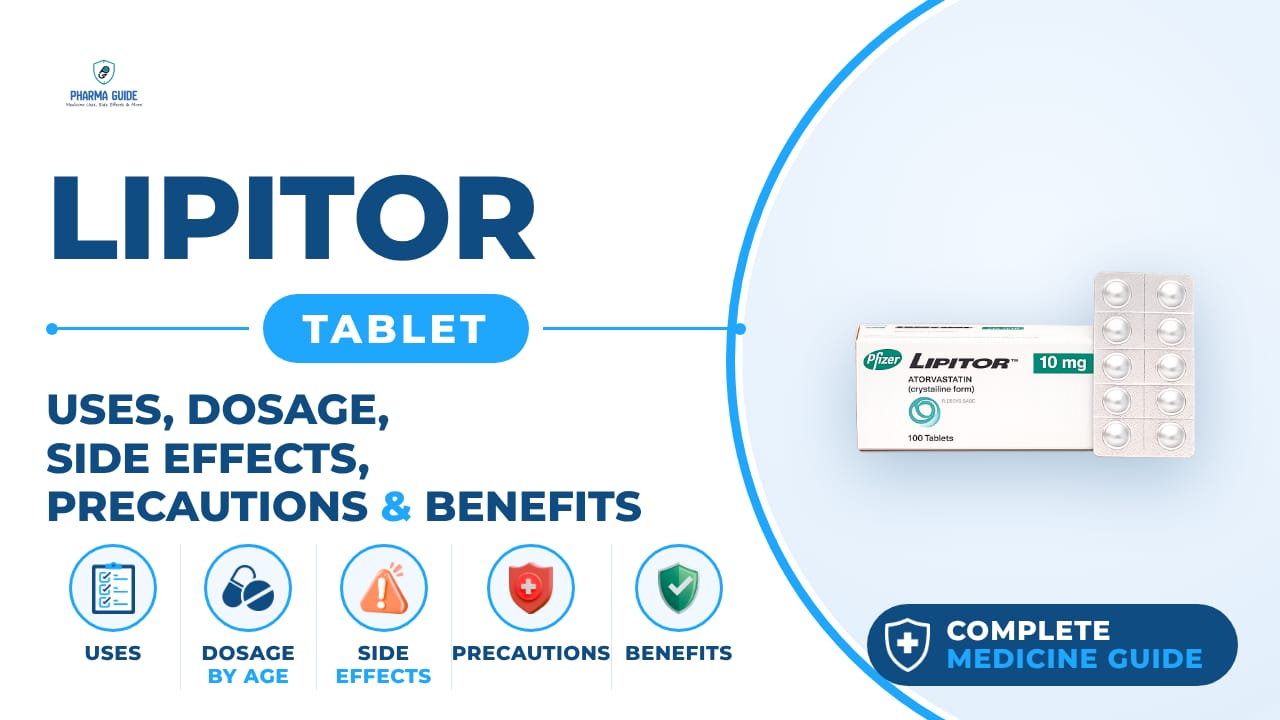
| Generic name | Atorvastatin calcium |
|---|---|
| Drug class | Statin (HMG-CoA reductase inhibitor) |
| Forms | Tablet (oral, film-coated) |
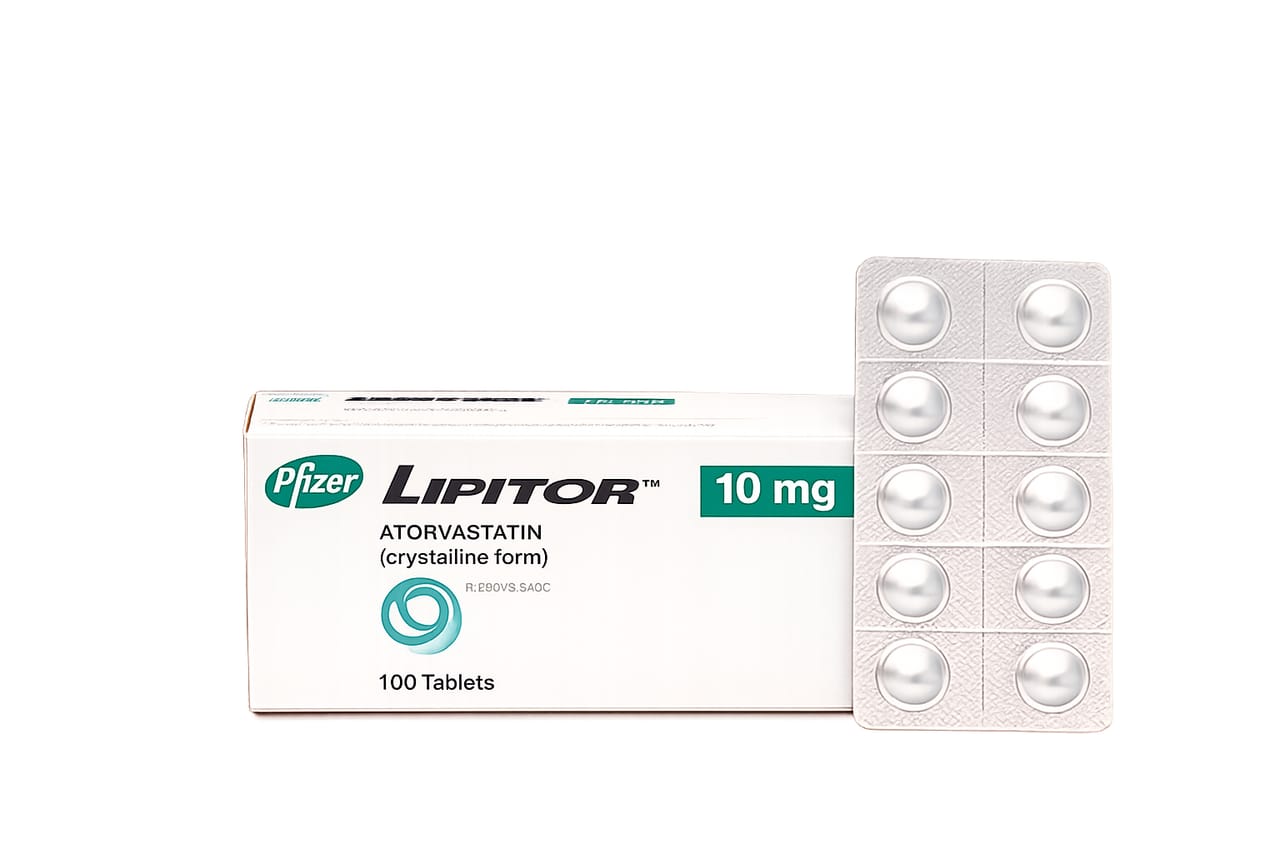
Quick overview
Lipitor Tablet contains atorvastatin calcium, a statin medicine that lowers cholesterol in the blood. It is used in adults and some children to lower cholesterol and reduce the risk of heart and blood vessel problems. Lipitor works by blocking a liver enzyme needed to make cholesterol, and it is meant to be used long-term along with a balanced, low-fat diet.
What is Lipitor Tablet
Lipitor is a prescription tablet medicine that lowers cholesterol in the blood. It contains the active ingredient atorvastatin and belongs to a group of medicines called statins, which help lower cholesterol levels in the body.
Lipitor Tablet uses
- Lower cholesterol levels in adults and some children
- Reduce the risk of heart and blood vessel problems caused by high cholesterol, such as heart attack and stroke, in adults
- Reduce the need for certain heart surgeries in adults
- Treat high cholesterol in adults with certain forms of high cholesterol, including an inherited condition called homozygous familial hypercholesterolemia (HoFH)
- Lower cholesterol in children ages 10 to 17 years with the inherited condition heterozygous familial hypercholesterolemia (HeFH)
Benefits of Lipitor Tablet
- Lowers LDL (bad) cholesterol, total cholesterol, and triglycerides
- Can raise HDL (good) cholesterol
- Helps reduce the risk of heart attack, stroke, and certain heart surgeries when used with a balanced diet
How Lipitor Tablet works
Lipitor blocks a liver enzyme that the body needs to make cholesterol. By blocking this enzyme, it reduces the amount of cholesterol the body produces, which lowers LDL (bad) cholesterol and other fats in the blood while raising HDL (good) cholesterol.
Lipitor Tablet dosage
Lipitor is taken once per day, at any time of day, with or without food. Try to take it at the same time every day to keep a steady level of the drug in your body. Swallow the tablet whole; do not crush, split, or chew it.
If a dose is missed, take it as soon as remembered, but if more than 12 hours have passed, skip that dose and take the next dose at the regular time. Do not take two doses at once.
Lipitor is meant to be used as a long-term treatment along with a balanced, low-fat diet.
| Age group | Dose |
|---|---|
| Under 10 years | Routine tablet dosing generally not established |
| 10–17 years | Usually 10–20 mg once daily for heterozygous familial hypercholesterolemia |
| 18–64 years | 10–80 mg once daily |
| 65+ years | Usually adult dosing; individualize according to response and tolerability |
Available forms and strengths
- Tablet (oral, film-coated)
Side effects of Lipitor Tablet
Common
- Diarrhea
- Nausea
- Joint pain
- Muscle pain
- Urinary tract infection
- Pain in hands or feet
- Upper respiratory infection, such as the common cold
- Nasopharyngitis
- Upset stomach
Serious
- Liver damage (signs include fatigue, nausea or vomiting, swelling in the abdomen, ankles, or legs, dark urine, yellowing of skin or eyes)
- Severe muscle pain and weakness (myopathy)
- Rhabdomyolysis, a serious and potentially life-threatening muscle breakdown condition that can lead to kidney damage
- Allergic reaction, including swelling of the face, lips, tongue, or throat, which can cause trouble breathing
- Problems with blood sugar, which may include diabetes
- Memory loss or other cognitive problems
Warnings and precautions
- Lipitor can cause serious muscle problems, including a rare condition called rhabdomyolysis, which can lead to kidney damage or kidney failure. Risk is higher when taken with certain other medicines.
- Lipitor can cause liver problems, so your doctor may check your liver function with blood tests before and during treatment.
- People who recently had a stroke or ministroke may have an increased risk of a certain type of bleeding stroke while taking a high dose of Lipitor.
- Do not eat large amounts of grapefruit or drink large amounts of grapefruit juice while taking Lipitor, as this can raise the risk of side effects.
- Lipitor can interact with several other medicines, including certain antibiotics, antifungals, HIV medicines, cyclosporine, fibrates like gemfibrozil, niacin, and colchicine, increasing the risk of muscle problems.
- Lipitor should not be taken during pregnancy because it may cause harm to the unborn baby.
- If you become pregnant while taking it, stop taking it and contact your doctor right away.
- Lipitor should not be taken while breastfeeding because it could cause serious side effects in a nursing baby.
- People with kidney disease may have a higher risk of muscle pain and weakness while taking Lipitor. Talk with your doctor about your kidney health before starting treatment.
- Lipitor is not prescribed for people with liver disease because of a higher risk of side effects. Liver function tests are usually done before and during treatment.
- There's no known direct interaction between Lipitor and alcohol, but drinking large amounts of alcohol can increase the risk of liver damage while taking this medicine.
Storage
- Store at room temperature (68°F to 77°F / 20°C to 25°C)
- Keep in a tightly sealed container
- Avoid storing in areas where it could get damp or wet, such as bathrooms
- Do not keep medicine that is out of date or no longer needed
- Keep out of the reach of children
- Ask your pharmacist how to properly dispose of unused or expired medicine
When to see a doctor
- Call your doctor right away if you have unexplained muscle pain, tenderness, or weakness, especially if you also have a fever or feel more tired than usual.
- Get medical help right away if you have signs of a severe allergic reaction, such as swelling of the face, lips, tongue, or throat, or trouble breathing or swallowing.
- Contact your doctor if you notice nausea and vomiting, dark or brown urine, unusual tiredness, yellowing of the skin or eyes, or stomach pain, as these can be signs of muscle or liver problems.
- If you think you've taken too much Lipitor, contact your doctor or a poison control center right away, or go to the nearest emergency room if symptoms are severe.
- If you become pregnant while taking Lipitor, stop taking it and call your doctor right away.
Alternatives
- Alirocumab
- Lovastatin
- Pravastatin
- Simvastatin
- Rosuvastatin
Watch the video
FAQs
What is Lipitor Tablet used for
Lipitor is used to lower cholesterol levels in adults and some children, reduce the risk of heart attack, stroke, and certain heart surgeries caused by high cholesterol, and treat conditions like homozygous and heterozygous familial hypercholesterolemia.
How should Lipitor Tablet be taken
Lipitor is taken once per day, at any time of day, with or without food, swallowed whole without crushing, splitting, or chewing. It should be taken at the same time every day along with a balanced, low-fat diet.
What should I do if I miss a dose of Lipitor
If a dose is missed, take it as soon as remembered, but if more than 12 hours have passed, skip that dose and take the next dose at the regular time. Do not take two doses at once.
What are the serious side effects of Lipitor Tablet
Serious side effects include liver damage, severe muscle pain and weakness, rhabdomyolysis, allergic reactions, blood sugar problems, and memory loss or other cognitive problems.
Can Lipitor be taken during pregnancy
No, Lipitor should not be taken during pregnancy because it may cause harm to the unborn baby. If you become pregnant while taking it, stop taking it and contact your doctor right away.
General information, not medical advice
Your prescriber and the leaflet in your pack know your situation. This page does not.
- Follow your prescriber and the leaflet
- Don't start, stop, or change a dose on your own
- Doses and warnings differ by country and product
Sources
- https://www.healthline.com/health/drugs/lipitor#side-effects
- https://www.medicalnewstoday.com/articles/lipitor#side-effects
- LIPITOR (atorvastatin calcium) Tablets prescribing information, Rebel Distributors Corp / Pfizer Ireland Pharmaceuticals
Video
Related medicines
Rosuvas Tablet: Uses, Dosage, Side Effects, Precautions and Alternates
Statin (HMG-CoA reductase inhibitor)
Rosuvas Tablet contains rosuvastatin, used to lower high cholesterol and triglycerides, protect the heart, and reduce risk of heart attack and stroke.
Storvas Tablet: Uses, Dosage, Side Effects, Precautions and Alternates
Statin (HMG-CoA reductase inhibitor)
Storvas Tablet (atorvastatin) lowers LDL cholesterol and triglycerides, raises HDL, and reduces heart attack and stroke risk. Know dosage and side effects.