
Safety
General information, not medical advice
Your prescriber and the leaflet in your pack know your situation. This page does not.
- Follow your prescriber and the leaflet
- Don't start, stop, or change a dose on your own
- Doses and warnings differ by country and product
Lorazepam Tablet: Uses, Dosage, Side Effects, Precautions and Alternates
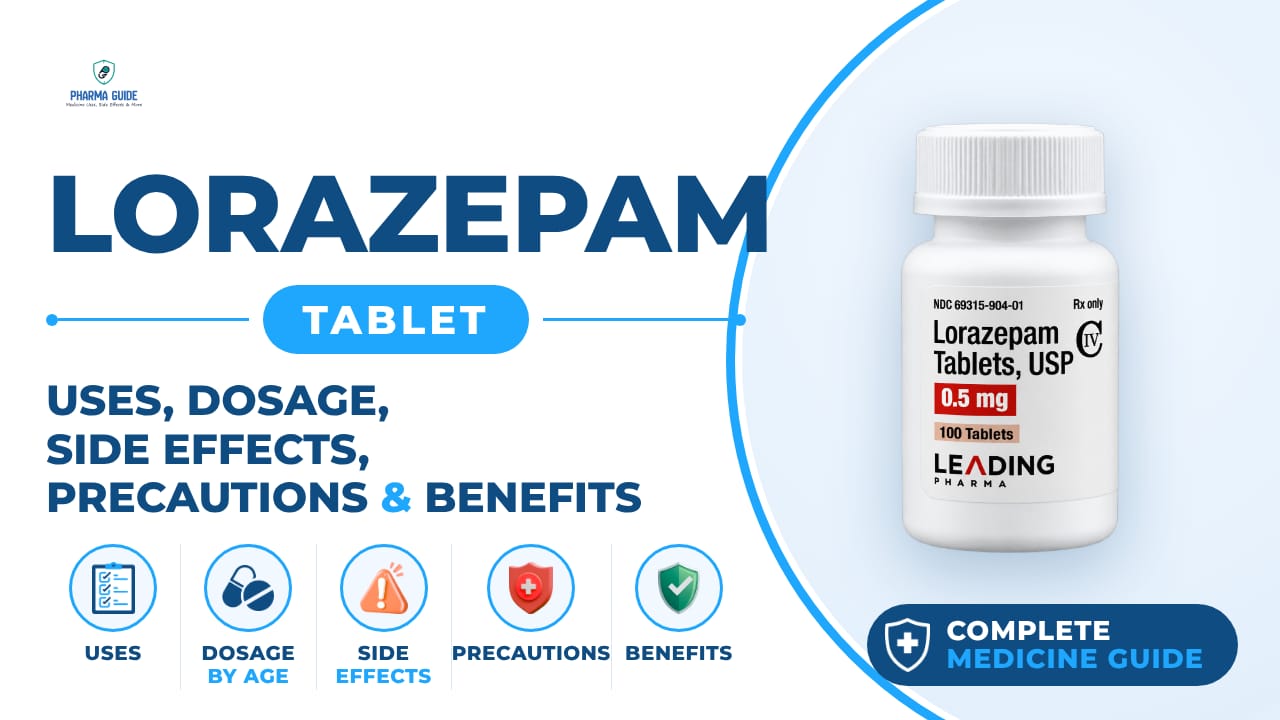
| Generic name | Lorazepam |
|---|---|
| Drug class | Benzodiazepine |
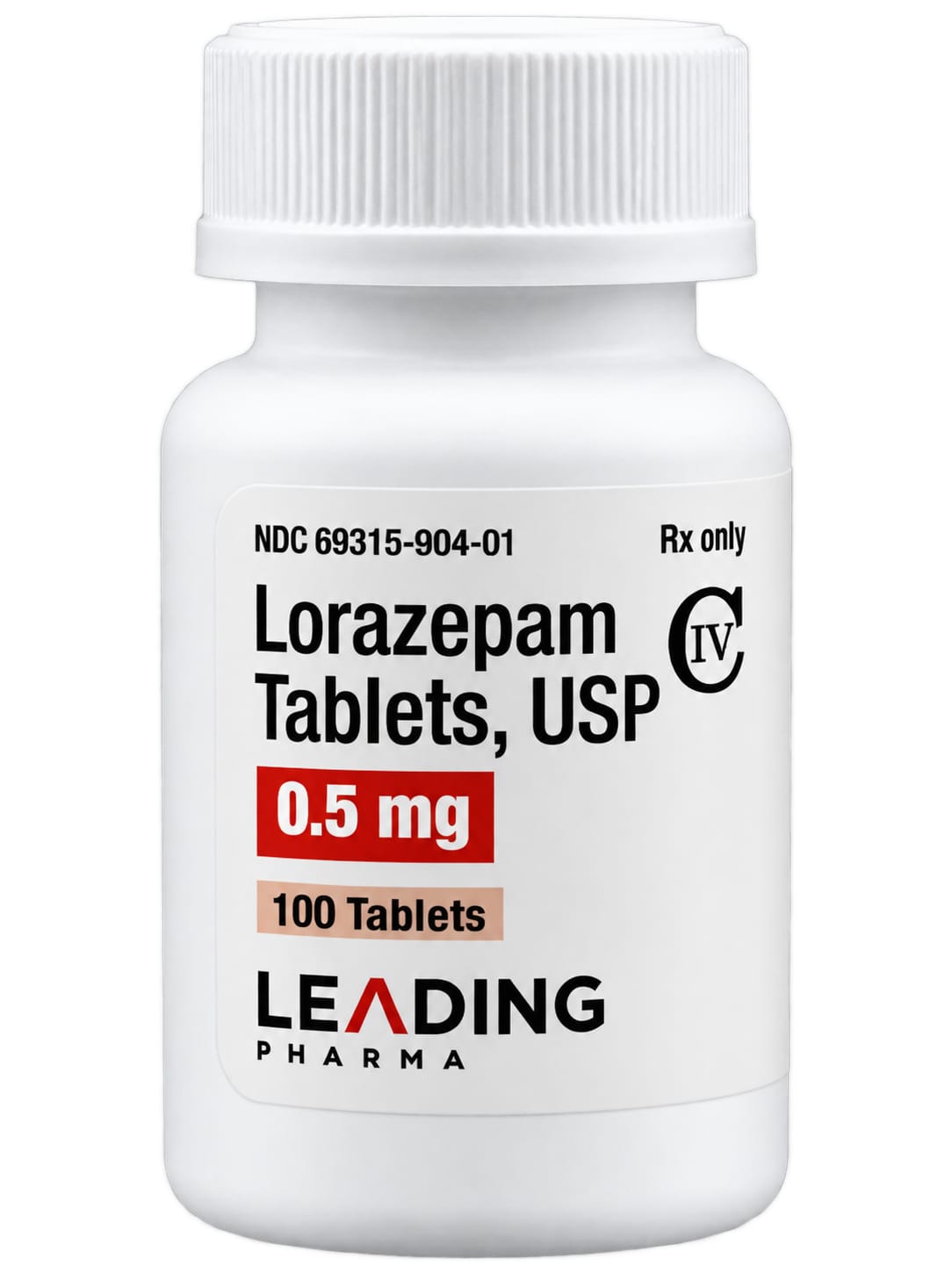
| Forms | Tablet, Extended-release capsule, Oral concentrate (liquid) |
Quick overview
Lorazepam Tablet (generic name: lorazepam) is a benzodiazepine medicine used for short-term relief of anxiety symptoms. It is also used for conditions such as generalized anxiety disorder, anxiety-related sleep problems, alcohol withdrawal, and sedation before surgery or dental treatment. It works by boosting the calming effect of a brain chemical called GABA. It should be used exactly as prescribed and not stopped suddenly without medical advice.
What is Lorazepam Tablet
Lorazepam is a medicine in a group called benzodiazepines. It helps relieve anxiety and is used for short periods of time.
Lorazepam Tablet uses
- Short-term relief of anxiety symptoms
- Generalized anxiety disorders
- Anxiety associated with depression
- Insomnia (sleep problems) associated with anxiety
- Alcohol withdrawal
- Sedation before surgery or dental treatment
- Nausea and vomiting from cancer treatment (add-on therapy)
Benefits of Lorazepam Tablet
- Relieves symptoms of anxiety
- Helps with sleep problems caused by anxiety
- Can be used as a calming medicine before surgery or procedures
How Lorazepam Tablet works
Lorazepam works by increasing the calming effect of a natural brain chemical called GABA, which slows down activity in the brain and helps you feel more relaxed.
Lorazepam Tablet dosage
Take exactly as directed by your doctor; do not take more, more often, or for longer than prescribed. Tablets can be taken with or without food and should be swallowed with water. If used for sleep problems, take at bedtime and only if you can get a full night's sleep afterward.
Extended-release capsules should be swallowed whole and not chewed or crushed. If you cannot swallow the extended-release capsule whole, it can be opened and mixed with applesauce, then swallowed right away without chewing. Liquid concentrate should be measured with the special dropper provided, not a kitchen spoon, and mixed with water, juice, soda, or soft food right before taking; swallow immediately.
Avoid grapefruit juice and drinks with caffeine as they may affect how the medicine works. Do not stop taking this medicine suddenly without talking to your doctor; your dose usually needs to be lowered gradually. Older adults are usually given lower doses. This medicine is not recommended for children younger than 5 years.
| Age group | Dose |
|---|---|
| Under 18 Years | Dose depends on condition; use only under medical supervision |
| Adults (18–64 Years) | Usually 1–3 mg/day divided into doses (as prescribed) |
| Older Adults (65+ years) | Usually 0.5–1 mg/day initially; adjusted carefully |
Available forms and strengths
- Tablet
- Extended-release capsule
- Oral concentrate (liquid)
Side effects of Lorazepam Tablet
Common
- Drowsiness or sedation
- Dizziness
- Weakness
- Feeling unsteady
- Fatigue
Serious
- Severe drowsiness or being hard to wake up
- Slow or difficult breathing
- Unusual changes in mood or behavior, agitation, or talkativeness
- Confusion, aggression, or hallucinations
- Thoughts of suicide or hurting yourself
- Seizures
- Sleep problems (insomnia)
- Vision changes such as double or blurred vision
- Dark urine or yellowing of the skin or eyes (jaundice)
- Signs of severe allergic reaction: hives, difficulty breathing, swelling of face, lips, tongue, or throat
- Unexplained bleeding or bruising, frequent sore throats, or mouth ulcers (signs of blood problems)
Warnings and precautions
- This medicine can slow or stop your breathing, especially if combined with opioids or alcohol.
- Misusing this medicine can lead to addiction, overdose, or death. Keep it where others cannot access it.
- Stopping this medicine suddenly can cause withdrawal symptoms, which can be serious. Ask your doctor before stopping.
- Do not use this medicine if you have narrow-angle glaucoma or are allergic to benzodiazepines.
- This medicine should not be used by people with severe breathing problems, sleep apnea, myasthenia gravis, or severe liver problems.
- Depression may worsen with this medicine, and it may increase suicidal thoughts in people who are depressed.
- Long-term use can lead to physical or psychological dependence, and stopping suddenly after long-term use can cause life-threatening withdrawal reactions.
- Do not take this medicine if you are pregnant or planning to become pregnant unless your doctor says it's necessary.
- Using it during pregnancy can cause birth defects or withdrawal symptoms in the baby after birth.
- You should not breastfeed while taking this medicine, since it passes into breast milk and can make the baby drowsy or affect feeding.
- Tell your doctor if you have kidney problems, though there is no specific dosing recommendation needed for kidney impairment.
- Use with caution if you have liver problems; your doctor may need to lower your dose. This medicine should not be used if you have severe liver disease.
- Do not drink alcohol while taking this medicine. Combining them can cause dangerous drowsiness, breathing problems, or even death.
- This medicine can make you dizzy, sleepy, or forgetful. Do not drive or operate machinery until you know how it affects you.
Storage
- Store tightly closed at room temperature, away from moisture and heat
- Store the liquid form in the refrigerator and throw away any unused liquid after 90 days
- Keep out of sight and reach of children
- Store below 30°C and protect from light and moisture
- Do not use after the expiry date on the pack
- Return unused tablets to your pharmacist; do not dispose of medicines via wastewater or household trash
- Use a medicine take-back program to dispose of unneeded medication
When to see a doctor
- Get emergency help right away if you have signs of an allergic reaction such as hives, difficulty breathing, or swelling of the face, lips, tongue, or throat.
- Seek emergency care if you or someone taking this medicine has slow breathing with long pauses, blue-colored lips, or is difficult to wake up.
- Call your doctor right away if you have severe drowsiness, unusual mood or behavior changes, agitation, restlessness, seizures, depression, confusion, hallucinations, thoughts of suicide, sleep problems, vision changes, or yellowing of skin or eyes.
- After stopping this medicine, get medical help right away if you notice unusual muscle movements, being unusually active or talkative, severe mood changes, confusion, hallucinations, seizures, or thoughts of suicide.
- Seek emergency medical help for an overdose, which can cause severe drowsiness, confusion, slurred speech, restlessness, muscle weakness, loss of coordination, slow heartbeat, weak breathing, or coma.
Alternatives
- Diazepam
- Alprazolam
- Temazepam
Watch the video
FAQs
What is Lorazepam Tablet used for?
It is used for short-term relief of anxiety, generalized anxiety disorder, anxiety-related sleep problems, alcohol withdrawal, sedation before surgery or dental treatment, and as add-on therapy for nausea and vomiting from cancer treatment.
How does Lorazepam Tablet work?
It works by increasing the calming effect of a natural brain chemical called GABA, which slows down activity in the brain and helps you feel more relaxed.
What is the usual adult dosage of Lorazepam Tablet?
Adults aged 18–64 usually take 1–3 mg per day divided into doses as prescribed, while older adults typically start with 0.5–1 mg per day with careful adjustment.
Can I drink alcohol while taking Lorazepam Tablet?
No, you should not drink alcohol while taking this medicine, as combining them can cause dangerous drowsiness, breathing problems, or even death.
What should I avoid while taking Lorazepam Tablet?
You should avoid grapefruit juice and drinks with caffeine as they may affect how the medicine works, and you should not drive or operate machinery until you know how the medicine affects you.
General information, not medical advice
Your prescriber and the leaflet in your pack know your situation. This page does not.
- Follow your prescriber and the leaflet
- Don't start, stop, or change a dose on your own
- Doses and warnings differ by country and product
Sources
Video
Related medicines
Lonazep Tablet: Uses, Dosage, Side Effects, Precautions and Alternates
Benzodiazepine
Lonazep Tablet contains clonazepam, used for anxiety, panic attacks, insomnia, and epilepsy. Learn about dosage, benefits, side effects, and precautions.
Benzodiazepines Capsule: Uses, Dosage, Side Effects, Precautions and Alternates
Benzodiazepine
Benzodiazepines Capsule (Diazepam) treats severe anxiety, muscle spasms, seizures, and alcohol withdrawal. Learn uses, dosage, side effects, and precautions.