Metronidazole Syrup: Uses, Dosage, Side Effects, Precautions and Alternates

| Generic name | metronidazole |
|---|---|
| Drug class | Amebicides, Miscellaneous antibiotics |
| Forms | Oral suspension, Oral tablet, Oral capsule, Extended-release tablet, Intravenous solution |
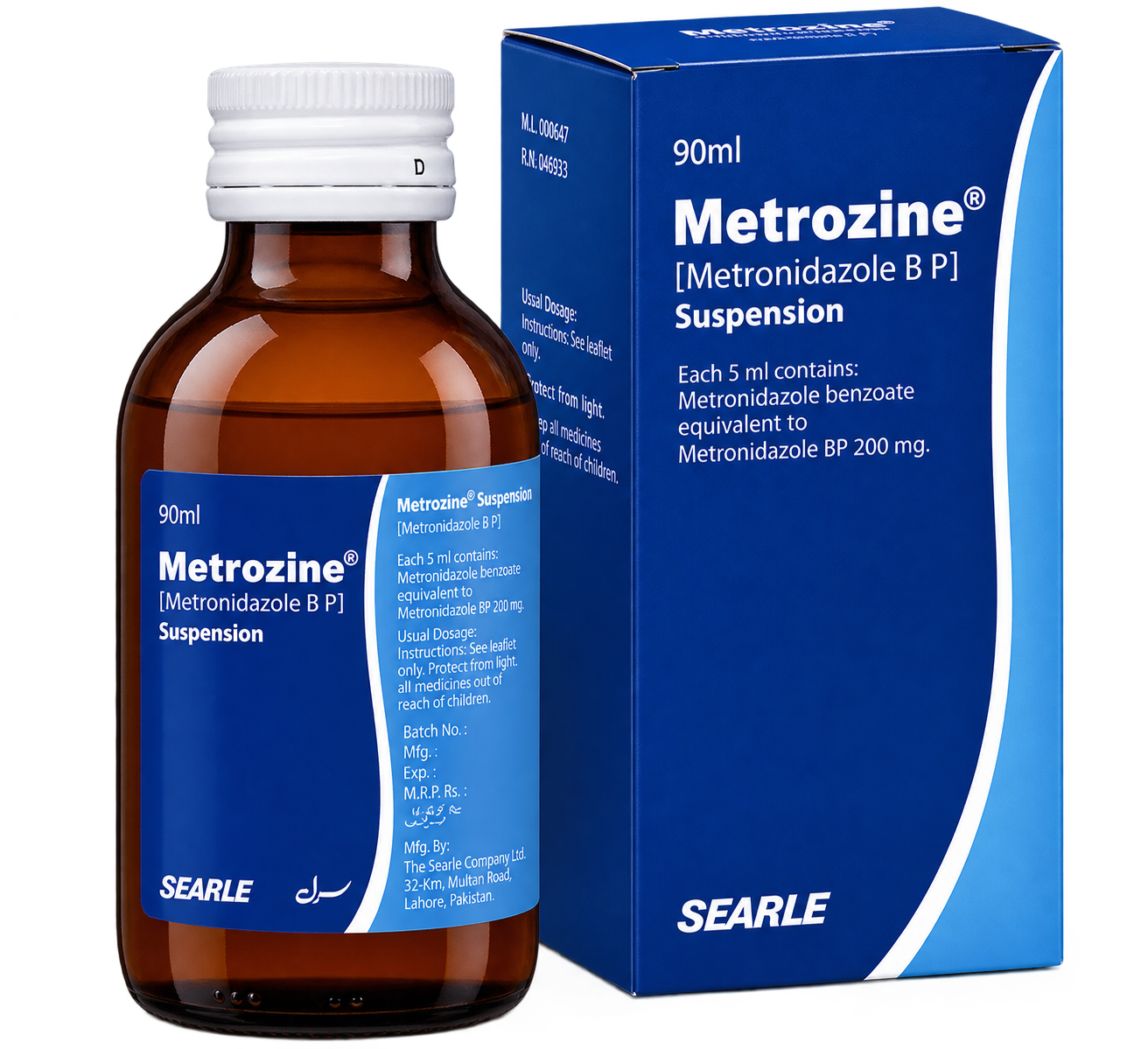
Quick overview
Metronidazole Syrup contains the antibiotic metronidazole, which is used to treat a range of bacterial and parasitic infections affecting areas such as the vagina, stomach, liver, skin, joints, brain and spinal cord, lungs, heart, or bloodstream. It works by damaging the DNA of susceptible bacteria and parasites, causing them to die. The syrup should be shaken well and measured with an accurate dosing device, and the full prescribed course should be completed even if symptoms improve quickly.
What is Metronidazole Syrup
Metronidazole is an antibiotic that may be used to treat certain infections of the vagina, stomach, liver, skin, joints, brain and spinal cord, lungs, heart, or bloodstream. It is also active against certain parasites.
Metronidazole Syrup uses
- Treatment of urogenital trichomoniasis (a sexually transmitted infection)
- All forms of amoebiasis (an infection caused by a parasite)
- Anaerobic bacterial infections (infections caused by bacteria that do not need oxygen)
- Bacterial vaginosis
- Giardiasis
- Acute dental infections
- Anaerobically infected leg ulcers and pressure sores
- Acute ulcerative gingivitis
- Prevention and treatment of infections caused by anaerobic bacteria
Benefits of Metronidazole Syrup
- Treats a wide range of bacterial and parasitic infections
- Well absorbed after being taken by mouth, reaching peak levels in one to two hours
How Metronidazole Syrup works
Metronidazole enters anaerobic bacteria and parasite cells, where it is changed into a reactive form. This damages the cell's DNA, causing the cell to die.
Metronidazole Syrup dosage
Take metronidazole exactly as prescribed by your doctor and follow all directions on your prescription label. The oral suspension is taken by mouth and may be taken with or without food. Shake the bottle well before each use.
Always use an accurate measuring device to measure the correct amount. Do not use a household teaspoon or tablespoon. Ask your pharmacist for a suitable measuring device. If a small dose is required, the suspension should be given using an oral dosing device.
Keep using this medicine even if your symptoms quickly improve, and finish the full course, because the infection may still be present and could flare up or recur. Do not share this medicine with another person, even if they have the same symptoms.
If you miss a dose, take it as soon as you can, but skip the missed dose if it is almost time for your next dose. Do not take two doses at one time. Caution is advised in the elderly, particularly at high doses.
| Age group | Dose |
|---|---|
| Under 1 month | Weight-based dosing only, under specialist supervision |
| 1 month–11 years | Usually 7.5 mg/kg every 8 hours, depending on the infection |
| 12–17 years | Usually 200–400 mg every 8 hours, depending on the infection |
| 18–64 years | Commonly 400–500 mg every 8 hours, depending on the infection |
| 65+ years | Adult dosing; adjust when clinically necessary, particularly with significant liver impairment |
Available forms and strengths
- Oral suspension
- Oral tablet
- Oral capsule
- Extended-release tablet
- Intravenous solution
Side effects of Metronidazole Syrup
Common
- Diarrhea
- Nausea
- Headache
- Pain in the upper abdomen and abdominal cramping
- Vomiting
- Weight loss
- Constipation
- Unpleasant or metallic taste in the mouth
- Furred tongue
Serious
- Nervous system problems including brain disorder (encephalopathy), inflammation of the brain and spinal cord membranes (aseptic meningitis), numbness or tingling in the hands or feet (peripheral neuropathy), and seizures
- Worsening yeast infection (candidiasis) symptoms
- Low white blood cell count (leukopenia)
- Abnormal heart rhythms (QT prolongation)
- Severe skin reactions such as Stevens-Johnson syndrome, toxic epidermal necrolysis, or acute generalised exanthematous pustulosis
- Life-threatening liver problems, especially in people with Cockayne syndrome
- Signs of an allergic reaction such as hives, swelling of the face or throat, and difficulty breathing
Warnings and precautions
- Tell your doctor if you are pregnant or plan to become pregnant. There is inadequate evidence of safety in pregnancy, and metronidazole should not be given during pregnancy unless your doctor considers it essential. Talk to your doctor about the risks and benefits.
- Tell your doctor if you are breastfeeding or plan to breastfeed. A significant amount of metronidazole passes into breast milk and can give it a bitter taste, so breastfeeding should be avoided after a large dose. Talk to your doctor about the best way to feed your baby.
- Tell your doctor if you have kidney disease or are on dialysis. The dose does not usually need reducing in kidney failure, but people undergoing haemodialysis should have the medicine given again immediately after dialysis.
- Tell your doctor if you have liver disease. Metronidazole clearance can be substantially reduced in severe liver problems, and the dose may need to be lowered. It should be used with caution in patients with hepatic encephalopathy.
- Do not drink alcohol or consume foods, medicines, or products containing alcohol or propylene glycol while taking metronidazole and for at least 3 days after your last dose. The combination can cause unpleasant effects such as flushing, headaches, nausea, vomiting, and stomach cramps.
- Metronidazole may cause drowsiness, dizziness, confusion, hallucinations, convulsions, or temporary vision problems. Do not drive or operate machinery if you have these symptoms.
- Do not use metronidazole to treat any condition that has not been checked by your doctor. It will not treat a viral infection such as the common cold or flu.
- Do not use metronidazole if you recently drank alcohol or have taken disulfiram (Antabuse) within the past 2 weeks.
- Metronidazole has been shown to cause cancer in rats and mice, so unnecessary use should be avoided.
- You should not use this medicine if you are allergic to metronidazole, secnidazole, tinidazole, or the hydroxybenzoate ingredients, or if you have Cockayne Syndrome.
- This medicine contains sorbitol, glucose, sucrose, and propylene glycol. People with hereditary fructose intolerance, glucose-galactose malabsorption, or sucrase-isomaltase insufficiency should not take it.
Storage
- Store at room temperature away from moisture and heat. Do not freeze. Some products advise storing below 25°C and protecting from light.
- Throw away any unused suspension 10 days after opening the container.
- Keep out of reach of children.
When to see a doctor
- Stop using this medicine immediately and get help if you have any nervous system symptoms such as seizures, headaches, visual changes, weakness, numbness, or tingling.
- Get emergency medical help if you have signs of an allergic reaction such as hives, itching, difficulty breathing, or swelling of your face or throat, or a severe skin reaction with blistering and peeling.
- If you have Cockayne syndrome, stop taking this medicine and contact your doctor if you have signs of liver failure such as nausea, upper right stomach pain, dark urine, clay-colored stools, or yellowing of the skin or eyes.
- For an overdose, seek emergency medical attention or call your local poison control center. Overdose symptoms may include nausea, vomiting, numbness, tingling, or problems with balance or muscle movement.
Alternatives
- Tinidazole
- Secnidazole
- Ornidazole
- Clindamycin
- Nitazoxanide
- Rifaximin
- Paromomycin
FAQs
What is Metronidazole Syrup used for?
It is used to treat urogenital trichomoniasis, amoebiasis, anaerobic bacterial infections, bacterial vaginosis, giardiasis, acute dental infections, infected leg ulcers and pressure sores, and acute ulcerative gingivitis.
How should Metronidazole Syrup be taken?
It is taken by mouth with or without food. Shake the bottle well before each use and measure the dose with an accurate dosing device, not a household spoon. Complete the full prescribed course even if symptoms improve quickly.
Can I drink alcohol while taking Metronidazole Syrup?
No, alcohol and products containing alcohol or propylene glycol should be avoided during treatment and for at least 3 days after the last dose, as the combination can cause flushing, headaches, nausea, vomiting, and stomach cramps.
What are the common side effects of Metronidazole Syrup?
Common side effects include diarrhea, nausea, headache, abdominal pain and cramping, vomiting, weight loss, constipation, an unpleasant or metallic taste in the mouth, and a furred tongue.
How should Metronidazole Syrup be stored?
Store it at room temperature away from moisture and heat, do not freeze, and throw away any unused suspension 10 days after opening the container.
Sources
- Drugs.com - Metronidazole (https://www.drugs.com/metronidazole.html)
- Metronidazole Rosemont 200mg/5ml Oral Suspension SmPC, medicines.org.uk
- Sheehy, O., Santos, F., Ferreira, E., & Berard, A. (2015). The use of metronidazole during pregnancy: a review of evidence. Current drug safety, 10(2), 170–179
- SickKids metronidazole 50 mg/mL Oral Suspension pharmacy compounding recipe
Video