
Safety
General information, not medical advice
Your prescriber and the leaflet in your pack know your situation. This page does not.
- Follow your prescriber and the leaflet
- Don't start, stop, or change a dose on your own
- Doses and warnings differ by country and product
Minoxidil Topical Solution: Uses, Dosage, Side Effects, Precautions and Alternates
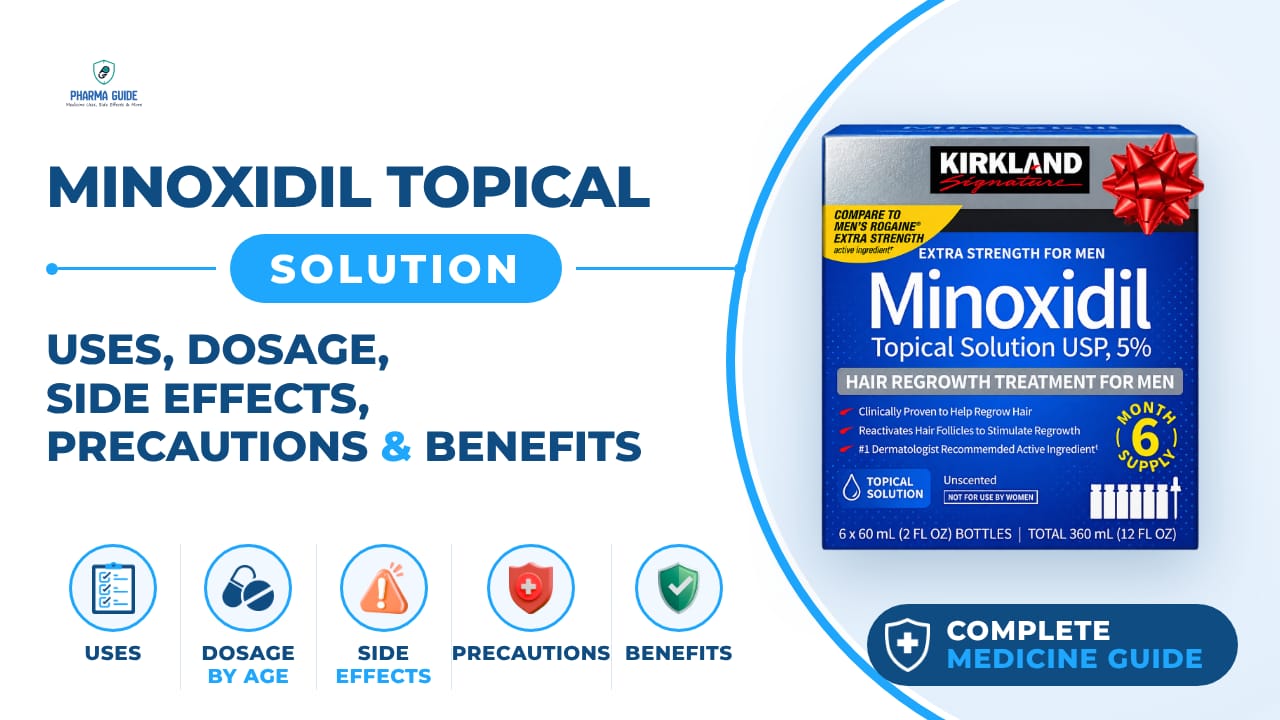
| Generic name | Minoxidil |
|---|---|
| Drug class | Miscellaneous topical agents |
| Forms | Solution, Foam |
Quick overview
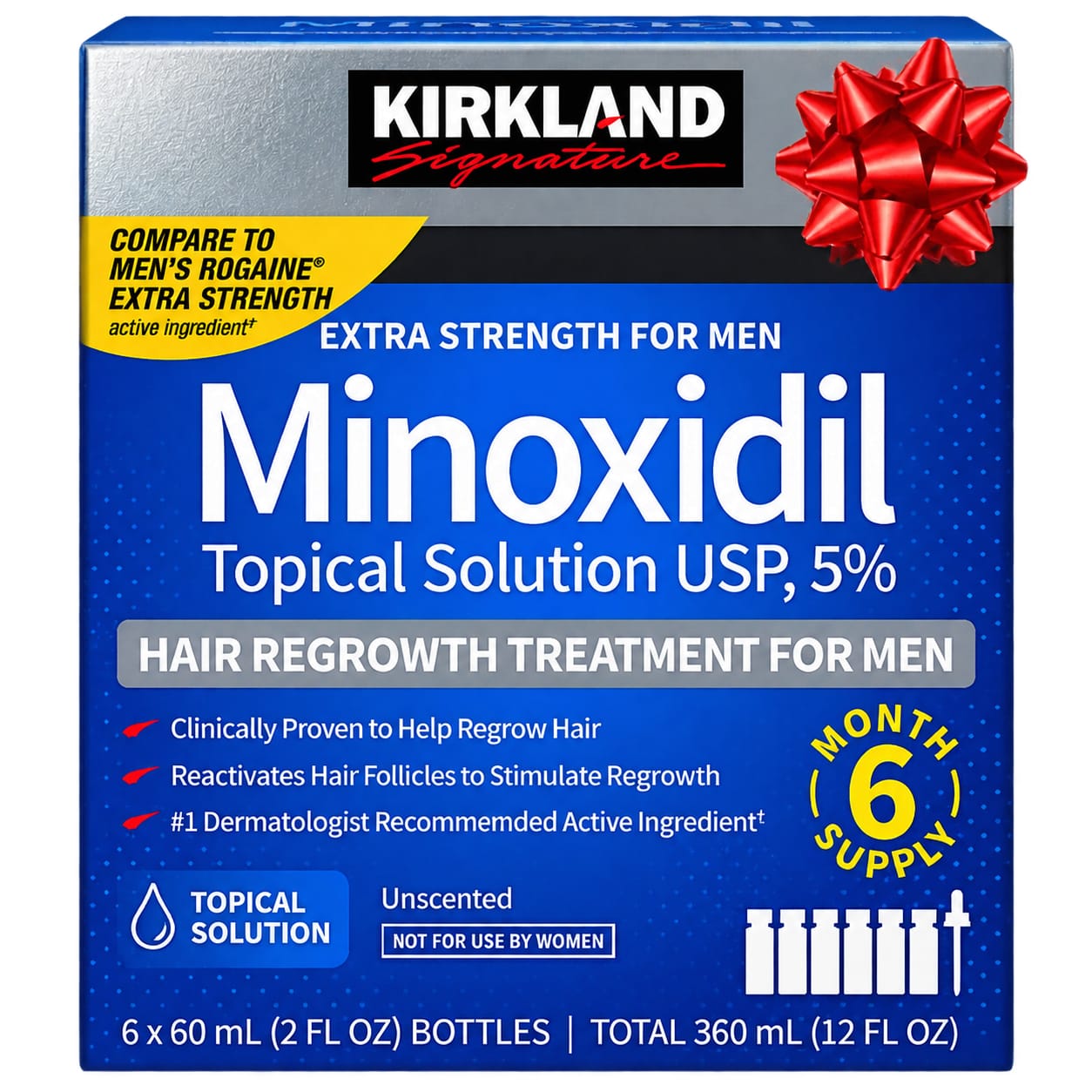
Minoxidil Topical Solution (generic name: minoxidil) is an over-the-counter topical medicine from the miscellaneous topical agents class, applied to the scalp to help regrow hair and prevent further hair loss in men and women with certain types of pattern hair loss. It comes as a liquid solution or foam. Continued use is needed to maintain results, and hair loss will typically resume within months of stopping treatment.
What is Minoxidil Topical Solution
Minoxidil is an over-the-counter topical medicine applied to the scalp to help regrow hair in men and women with certain types of pattern hair loss. It comes as a liquid solution or foam.
Minoxidil Topical Solution uses
- Helps regrow hair and prevent further hair loss in men and women with hereditary (pattern) hair loss
- Used by women 18 and older with gradual thinning or hair loss on the top of the head, with a family history of this type of hair loss
- Used by men 18 and older with gradually thinning hair or hair loss at the top/back of the scalp (vertex); not meant for a receding hairline or frontal baldness
Benefits of Minoxidil Topical Solution
- May help regrow thicker, more visible hair when used consistently over several months
- Works best in the earlier stages of hair loss before a large area is affected
How Minoxidil Topical Solution works
Minoxidil is thought to work by keeping hair follicles in their growth phase longer and shortening the shedding phase, which helps hair grow longer and thicker. Doctors do not fully understand exactly how it works, but it may improve blood flow to the scalp and encourage follicles to produce more hair-growth signals.
Minoxidil Topical Solution dosage
Make sure your hair and scalp are completely dry before applying. Apply directly to the scalp in the area of hair loss, starting at the center of that area, using the applicator provided. Do not apply to any other part of the body, and do not use other skin products on the same area of scalp you treat with minoxidil.
You can still color, perm, or relax your hair during treatment, but wash your scalp right before that treatment and avoid using minoxidil for 24 hours before and after it. Do not shampoo your hair for several hours after applying the solution, and wash your hands right away after applying.
Do not use a hairdryer on your scalp after applying the solution, as this can make it less effective. Let the solution dry completely (2 to 4 hours) before going to bed, since it can stain clothing, hats, or bedding if your scalp is still wet.
Avoid touching other parts of your body with wet product, and wash your hands after use to avoid spreading it accidentally. Keep away from your eyes, nose, and mouth; if it gets into these areas, rinse with cool water right away. Do not use near heat, open flame, or while smoking, since the product is flammable.
If you miss a dose, apply it as soon as you remember, but skip it if it's almost time for your next dose — never double up. Men usually apply the solution twice a day (morning and night); women usually apply the solution twice a day as well. Continued use is needed to keep any hair growth; hair loss will start again within months of stopping treatment.
| Age group | Dose |
|---|---|
| Under 18 Years | Not recommended unless advised by a healthcare professional |
| Adults (18–64 Years) | Apply 1 mL to the affected scalp area once or twice daily depending on product strength |
| Older Adults (65+ Years) | Apply 1 mL to affected scalp area as directed; monitor skin response |
Available forms and strengths
- Solution
- Foam
Side effects of Minoxidil Topical Solution
Common
- Itching or skin rash
- Changes in the color or texture of your hair
Serious
- Severe scalp irritation, redness, or burning
- Unwanted facial hair growth
- Acne at the application site
- Increased hair loss
- Swelling of the face, hands, feet, or lower legs; rapid weight gain
- Chest pain or fast/irregular heartbeat
- Dizziness, lightheadedness, or fainting
- Headache or confusion
- Blurred vision or other vision changes
- Numbness or tingling in the hands, feet, or face
- Flushing (warmth, redness, or tingly feeling)
- Signs of an allergic reaction: hives, difficulty breathing, swelling of the face, lips, tongue, or throat
Warnings and precautions
- Do not use this medicine if the skin on your scalp is red, swollen, irritated, painful, or infected, because this can let more medicine get absorbed into your body, which could be dangerous.
- Do not use this medicine if your hair loss is sudden, patchy, related to childbirth, or if you don't know the cause of your hair loss.
- Use only the product made for your gender — women should not use products made specifically for men.
- Do not use this medicine in anyone under 18 years old.
- If you have heart disease or high blood pressure, more serious problems could develop if too much medicine is absorbed into the body, so ask a doctor before use.
- Do not use the foam near heat or open flame, or while smoking, and do not puncture, break, or burn the can, since it is flammable.
- This medicine may be harmful if used during pregnancy. Ask a health care provider before use if you are pregnant.
- Studies suggest this medicine poses minimal risk to a breastfeeding infant, but one source advises asking a health care provider before use while breastfeeding.
- Apply only to the scalp as directed; avoid use on other body areas.
- Avoid contact with eyes, mouth, and face.
- Certain medicines should not be combined with alcohol; talk with your healthcare professional about using this medicine with alcohol.
- Hair shedding may temporarily increase when starting treatment.
Storage
- Store the medicine in a closed container at room temperature, away from heat, moisture, and direct light
- Keep from freezing
- Keep out of the reach of children
- Do not keep outdated medicine or medicine no longer needed
- Keep away from fire or flame since it is flammable
When to see a doctor
- Tell your doctor if you notice ongoing itching, redness, or burning of your scalp; if it's severe, wash off the medicine and check with your doctor before using it again.
- Tell your doctor if hair loss continues after 2 weeks of use, or if hair growth hasn't improved after using minoxidil for 4 months.
- Get emergency help right away for signs of an allergic reaction, such as hives, trouble breathing, or swelling of the face, lips, tongue, or throat.
- Call your doctor right away if you have severe scalp irritation, unwanted facial hair growth, chest pain, fast heartbeat, swelling in your hands or feet, rapid weight gain, a light-headed feeling like you might pass out, headache, dizziness, confusion, or flushing.
- If someone accidentally swallows this medicine, seek emergency medical attention or contact your local poison control center.
Alternatives
- Biotin Supplements
- Ketoconazole Shampoo
- Dutasteride
- Finasteride Tablet
Watch the video
FAQs
How often should Minoxidil Topical Solution be applied?
Men and women usually apply the solution twice a day, with adults applying 1 mL to the affected scalp area once or twice daily depending on product strength.
What happens if you stop using Minoxidil Topical Solution?
Continued use is needed to maintain hair growth; hair loss will typically resume within months of stopping treatment.
Can Minoxidil Topical Solution be used on a receding hairline?
No, it is meant for thinning hair or hair loss at the top or back of the scalp (vertex) and is not meant for a receding hairline or frontal baldness in men.
What are common side effects of Minoxidil Topical Solution?
Common side effects include itching or skin rash and changes in the color or texture of your hair.
When should you see a doctor while using Minoxidil Topical Solution?
See a doctor if hair loss continues after 2 weeks of use, if hair growth hasn't improved after 4 months, or if you experience severe scalp irritation or signs of an allergic reaction.
General information, not medical advice
Your prescriber and the leaflet in your pack know your situation. This page does not.
- Follow your prescriber and the leaflet
- Don't start, stop, or change a dose on your own
- Doses and warnings differ by country and product
Sources
Video
Related medicines
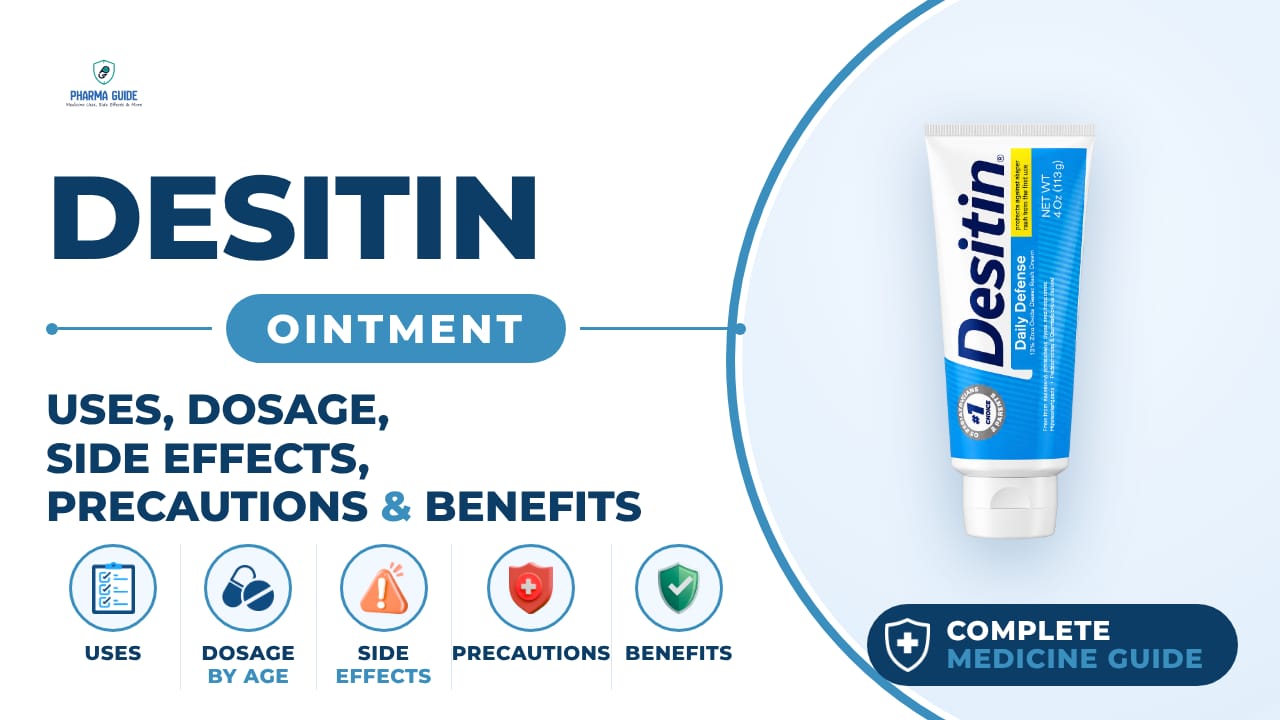
Desitin Ointment: Uses, Dosage, Side Effects, Precautions and Alternates
miscellaneous topical agents
Desitin Ointment contains zinc oxide to treat and prevent diaper rash by forming a protective moisture barrier. Learn uses, dosage, and side effects.
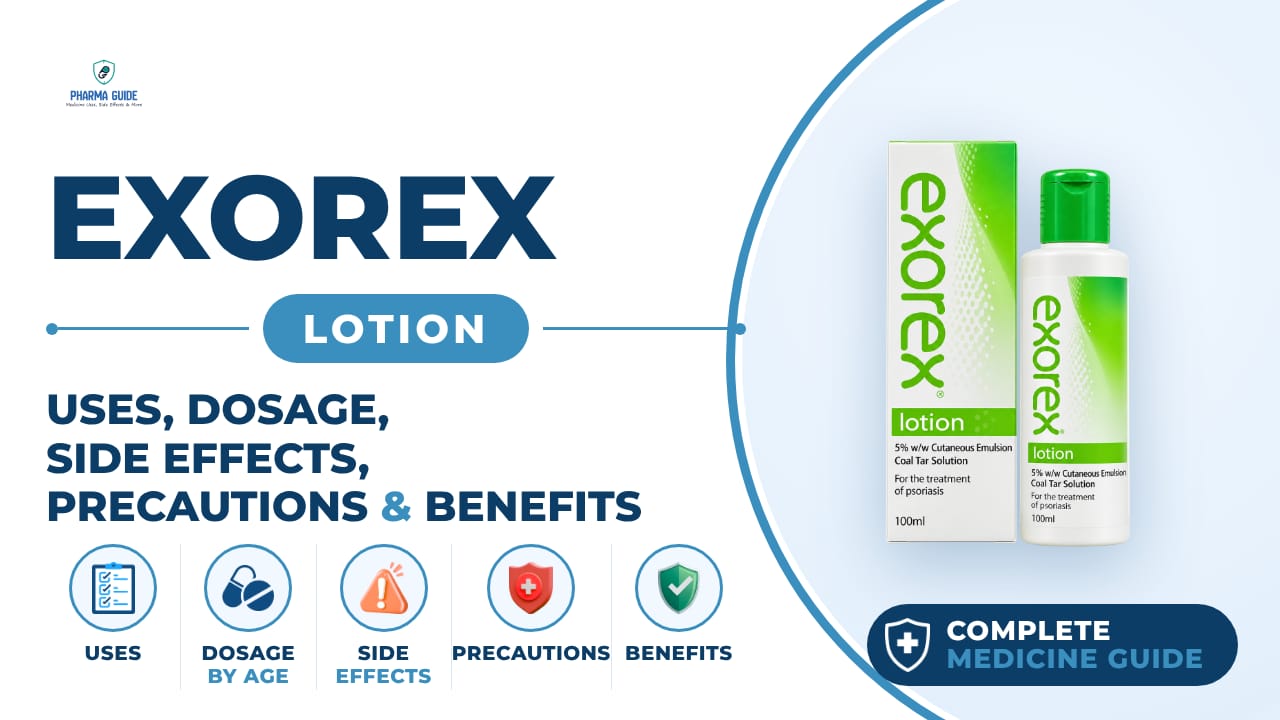
Exorex Lotion: Uses, Dosage, Side Effects, Precautions and Alternates
miscellaneous topical agents
Exorex Lotion is a coal tar emulsion for mild-to-moderate psoriasis that reduces scaling, redness, and itching. Learn uses, dosage, and precautions.