
Safety
General information, not medical advice
Your prescriber and the leaflet in your pack know your situation. This page does not.
- Follow your prescriber and the leaflet
- Don't start, stop, or change a dose on your own
- Doses and warnings differ by country and product
Norflex Tablet: Uses, Dosage, Side Effects, Precautions and Alternates
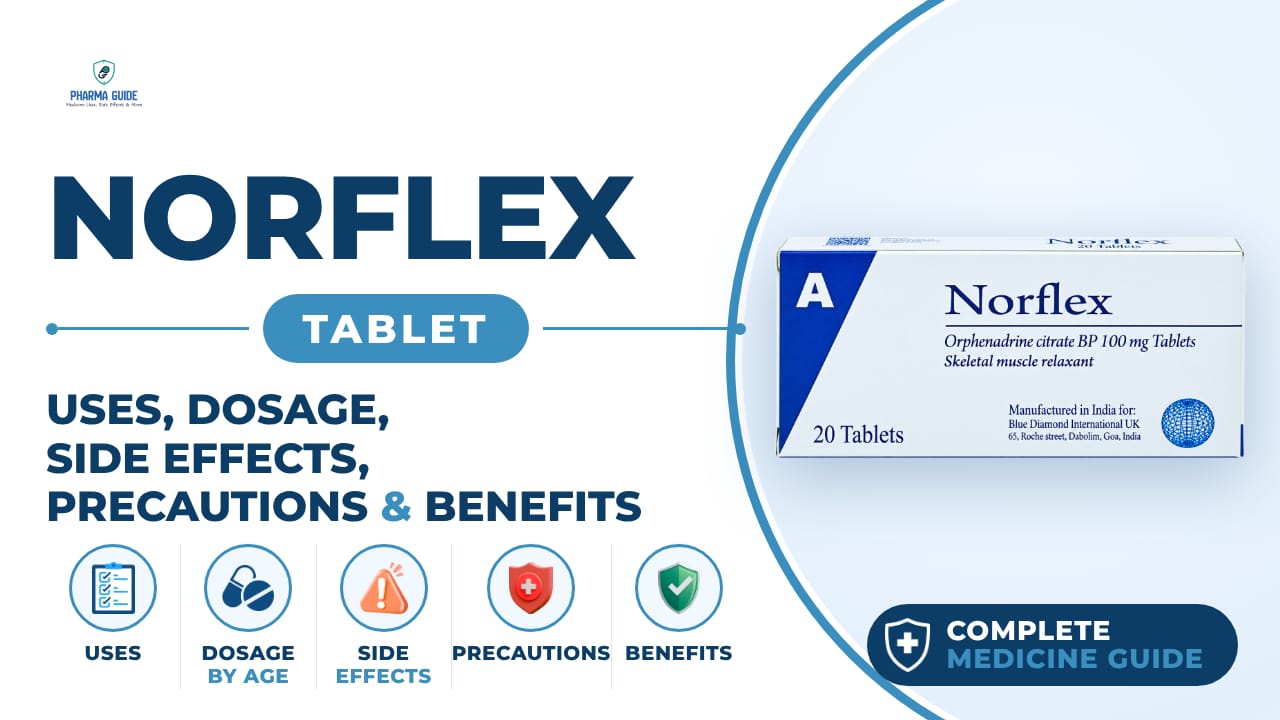
| Generic name | Orphenadrine citrate |
|---|---|
| Drug class | Skeletal muscle relaxant |
| Forms | Tablet (including slow release/modified release tablet) |
Quick overview
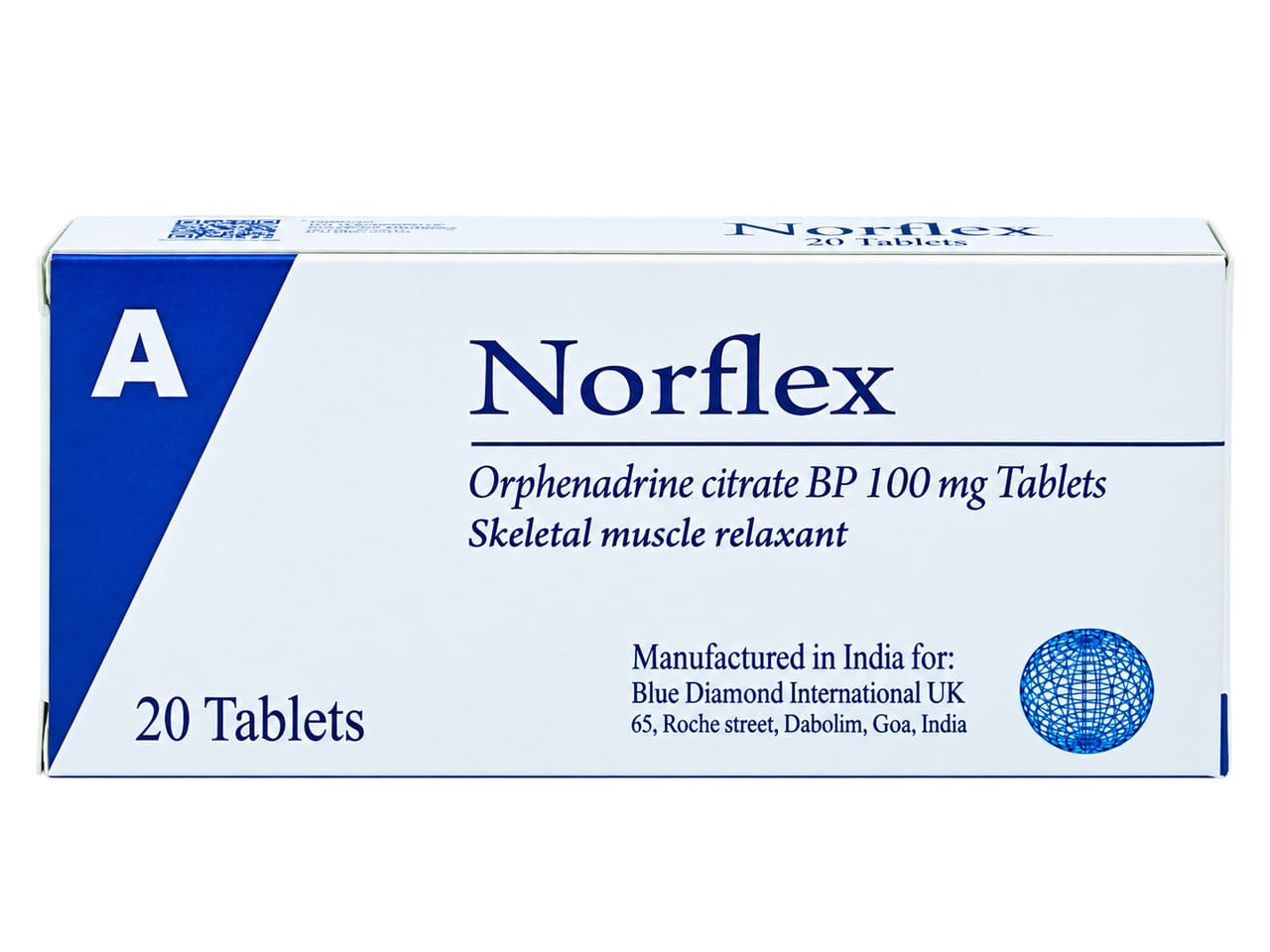
Norflex Tablet contains orphenadrine citrate, a skeletal muscle relaxant that works on the brain and spinal cord to relax tight muscles. It is used to relieve muscle pain, stiffness, and discomfort from sprains or strains, and may also help with tension headaches and persistent hiccups. It is usually taken twice daily as part of a treatment plan that may include rest and physical therapy. Norflex can cause side effects and has several warnings and precautions to be aware of.
What is Norflex Tablet
Norflex is a prescription medicine that contains orphenadrine citrate. It is a muscle relaxant that works on the brain and spinal cord to relax tight muscles.
Norflex Tablet uses
- Relieving muscle pain, stiffness, and discomfort caused by sprains, strains, or other muscle injuries
- Helping relax tight muscles in the body
- Treating tension headaches
- Treating persistent hiccups
Benefits of Norflex Tablet
- Helps relax muscles that are tight or in spasm
- Can ease pain and discomfort from muscle injuries
- Can relieve tension headaches and persistent hiccups when used with rest and physical therapy
How Norflex Tablet works
Norflex acts on the brain and spinal cord (central nervous system) to relax muscles that are tight or in spasm.
Norflex Tablet dosage
Take this medicine only as directed by your doctor or pharmacist, and follow the instructions on your prescription label. It is usually taken twice a day, with one dose in the morning and one dose in the evening. Do not change how much you take unless your doctor tells you to.
If this is an extended-release tablet, swallow it whole; do not crush, chew, or break it. This medicine works best as part of a full treatment plan that may also include rest and physical therapy. It is not meant for use in children under 12 (NZ/Australia sources) or under 18 (US source).
If you miss a dose and remember within about an hour, take it right away; if more time has passed, skip the missed dose and take your next dose at the normal time; do not take two doses at once.
| Age group | Dose |
|---|---|
| Under 12 years | Not recommended unless specifically prescribed |
| 12–17 years | Dose should be determined by a doctor |
| 18–64 years | 100 mg, twice daily (extended-release tablet) |
| 65+ years | Doctor-directed |
Available forms and strengths
- Tablet (including slow release/modified release tablet)
Side effects of Norflex Tablet
Common
- Dry mouth
- Nausea, vomiting
- Abdominal or stomach cramps or pain
- Blurred vision or other vision changes
- Headache
- Tremor or shaking
- Dizziness, lightheadedness, fainting
- Drowsiness
- Muscle weakness
- Feeling confused or agitated
- Constipation
- Trouble urinating
- Rash, itchiness, or other skin conditions
Serious
- Shortness of breath, troubled breathing, tightness in chest and/or wheezing with skin rash (allergic reaction)
- Sores, ulcers, or white spots on lips or in the mouth; swollen or painful glands; unusual bruising or bleeding; unusual tiredness or weakness
- Hallucinations (seeing, feeling, or hearing things that are not there)
- Fast or pounding heartbeat
- Little or no urination
- Severe confusion or anxiety
Warnings and precautions
- Do not take this medicine if you have glaucoma (high eye pressure), intestinal blockage, stomach ulcer, esophageal disease, an enlarged prostate or bladder obstruction, trouble swallowing, or myasthenia gravis (a condition causing muscle weakness).
- This medicine may be habit-forming. Never share it with anyone else, especially someone with a history of drug abuse or addiction, and keep track of how much medicine is used from each bottle.
- Taking this medicine with other drugs that cause drowsiness or slow breathing (such as sleeping pills, narcotic pain medicine, cough medicine, other muscle relaxers, or medicines for anxiety, depression, or seizures) can cause dangerous side effects or death.
- Should be used carefully in people with a fast heart rate, heart failure, reduced blood flow to the heart, or irregular heartbeats.
- It is not known if this medicine could harm an unborn baby. Tell your doctor if you are pregnant, think you might be pregnant, or are planning to become pregnant, and talk with them about the risks and benefits.
- It is not known if this medicine passes into breast milk or if it could affect a nursing baby. Tell your doctor if you are breastfeeding or plan to breastfeed.
- Tell your doctor if you have any kidney problems before taking this medicine.
- Tell your doctor if you have any liver problems before taking this medicine. If you take this medicine long-term, your doctor may want to check your liver function from time to time.
- Avoid drinking alcohol while taking this medicine, as it can increase the occurrence or severity of side effects like drowsiness, and combining them can be dangerous.
- Be careful driving or operating machinery until you know how this medicine affects you, because it can cause drowsiness, dizziness, or blurred vision.
Storage
- Keep in a cool dry place where the temperature stays below 30°C
- Do not store it or any other medicine in the bathroom or near a sink
- Do not leave it on a window sill or in the car
- Keep all medicines where children cannot reach them
- A locked cupboard at least 1.5 metres above the ground is a good place to store medicines
- If your doctor tells you to stop taking this medicine, or if it has passed its use-by date, ask your pharmacist what to do with any tablets that are left over
- Store at room temperature away from moisture, heat, and light; keep the bottle tightly closed when not in use
When to see a doctor
- Get emergency medical help right away if you have signs of an allergic reaction, such as hives, difficulty breathing, or swelling of your face, lips, tongue, or throat.
- Stop using this medicine and call your doctor right away if you feel like you might pass out, have painful or difficult urination, have little or no urination, feel confused, anxious, agitated, or have tremors or hallucinations, or notice a pounding or fluttering heartbeat.
- If you think you or someone else has taken too much of this medicine, get urgent medical attention right away, even if there are no signs of discomfort or poisoning.
- Tell your doctor right away or go to the hospital if you have shortness of breath, trouble breathing, chest tightness with wheezing and skin rash, or sores and white spots on the lips or in the mouth, swollen or painful glands, unusual bruising or bleeding, or unusual tiredness or weakness.
Alternatives
- Cyclobenzaprine
- Methocarbamol
- Carisoprodol
Watch the video
FAQs
What is Norflex Tablet used for?
Norflex Tablet is used to relieve muscle pain, stiffness, and discomfort caused by sprains, strains, or other muscle injuries. It may also help treat tension headaches and persistent hiccups, usually alongside rest and physical therapy.
How is Norflex Tablet taken?
Norflex Tablet is usually taken twice a day, with one dose in the morning and one in the evening, as directed by your doctor. Extended-release tablets should be swallowed whole and not crushed, chewed, or broken.
What is the dosage of Norflex Tablet for adults?
For adults aged 18 to 64, the usual dose is 100 mg of the extended-release tablet twice daily. Dosing for other age groups, including those 65 and older, should be determined by a doctor.
What are the common side effects of Norflex Tablet?
Common side effects include dry mouth, nausea, vomiting, stomach cramps, blurred vision, headache, tremor, dizziness, drowsiness, muscle weakness, confusion, constipation, trouble urinating, and skin rash or itchiness.
Who should not take Norflex Tablet?
Norflex should not be taken by people with glaucoma, intestinal blockage, stomach ulcer, esophageal disease, an enlarged prostate or bladder obstruction, trouble swallowing, or myasthenia gravis.
General information, not medical advice
Your prescriber and the leaflet in your pack know your situation. This page does not.
- Follow your prescriber and the leaflet
- Don't start, stop, or change a dose on your own
- Doses and warnings differ by country and product
Sources
Video
Related medicines
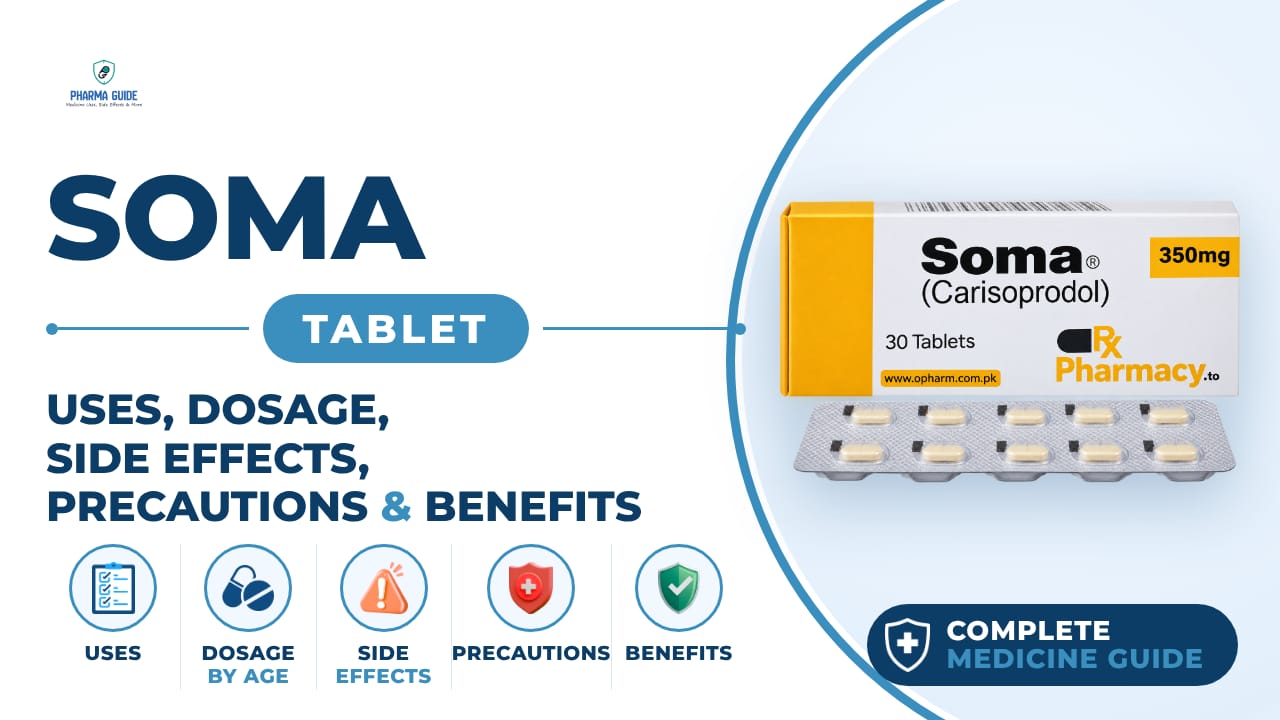
Soma Tablet: Uses, Dosage, Side Effects, Precautions and Alternates
Skeletal muscle relaxant
Soma Tablet (carisoprodol) is a muscle relaxant for short-term muscle pain relief. Learn about its uses, dosage, side effects, and safety warnings.
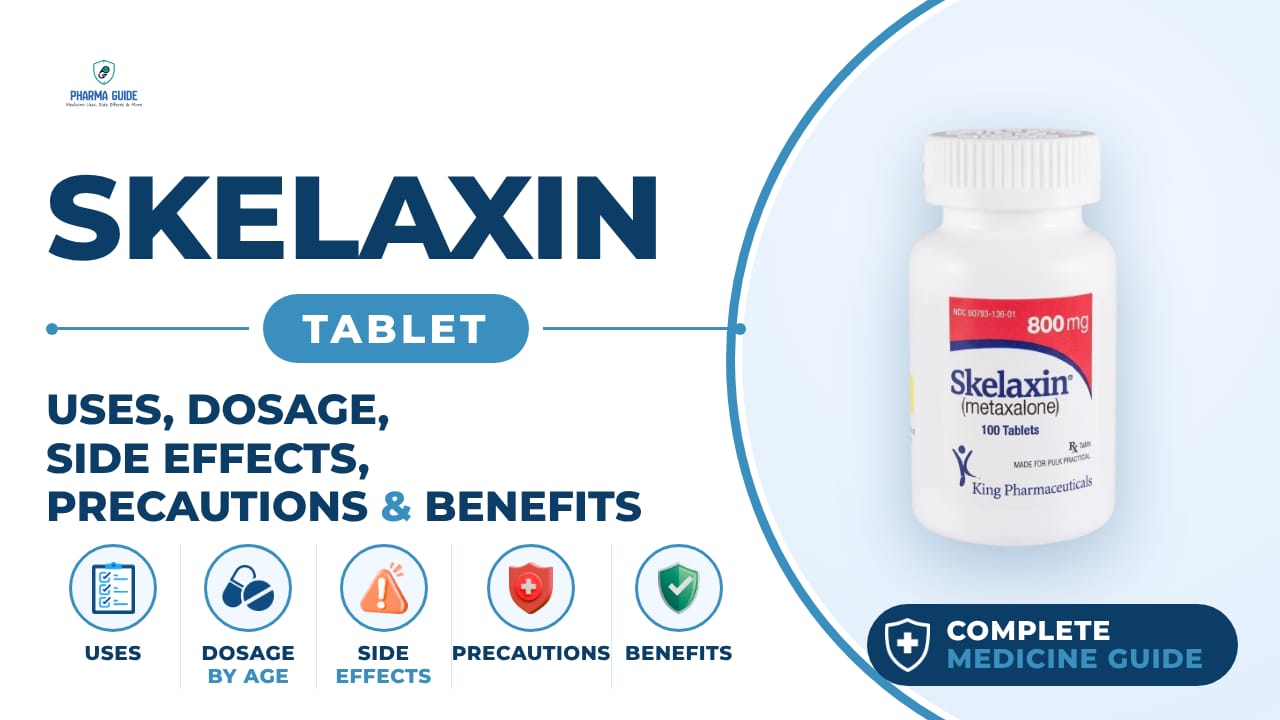
Skelaxin Tablet: Uses, Dosage, Side Effects, Precautions and Alternates
Skeletal muscle relaxant
Skelaxin Tablet (metaxalone) is a prescription muscle relaxant for short-term relief of painful muscle spasms. Learn uses, dosage, and side effects.