
Safety
General information, not medical advice
Your prescriber and the leaflet in your pack know your situation. This page does not.
- Follow your prescriber and the leaflet
- Don't start, stop, or change a dose on your own
- Doses and warnings differ by country and product
Ortho Evra Patch: Uses, Dosage, Side Effects, Precautions and Alternates
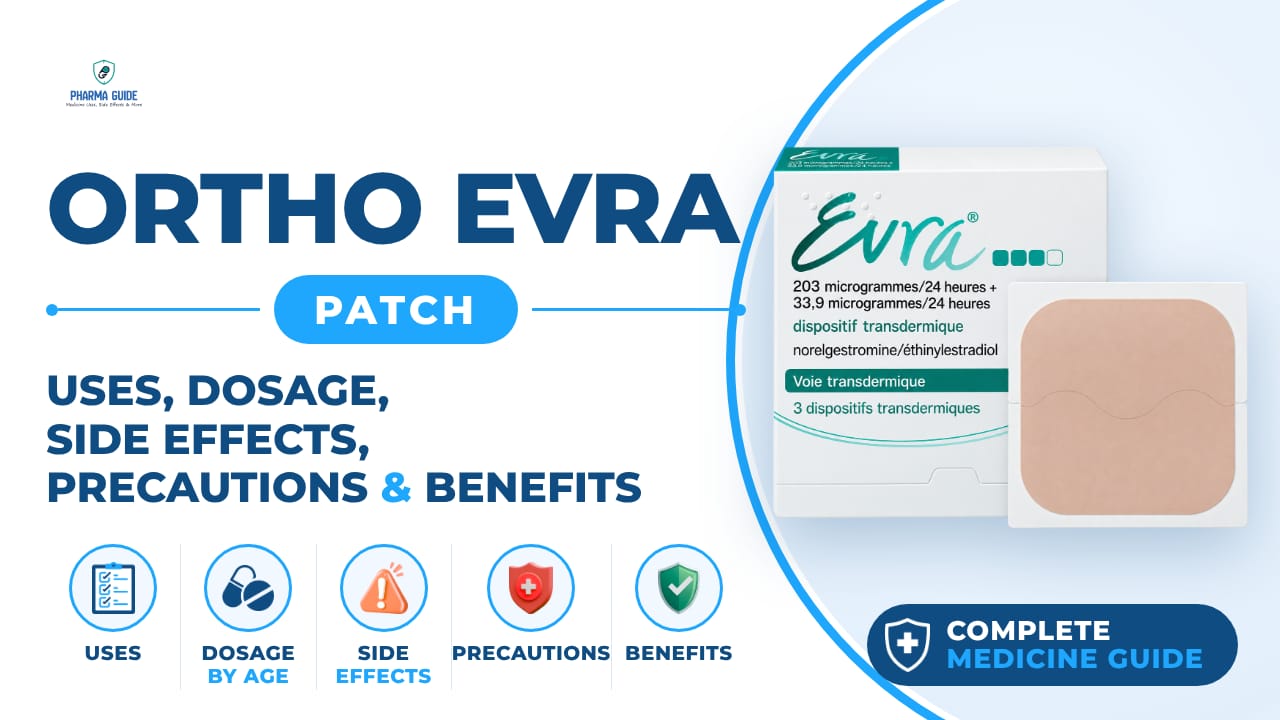
| Generic name | ethinyl estradiol and norelgestromin (transdermal) |
|---|---|
| Drug class | Contraceptives |
| Forms | Transdermal skin patch |
Quick overview
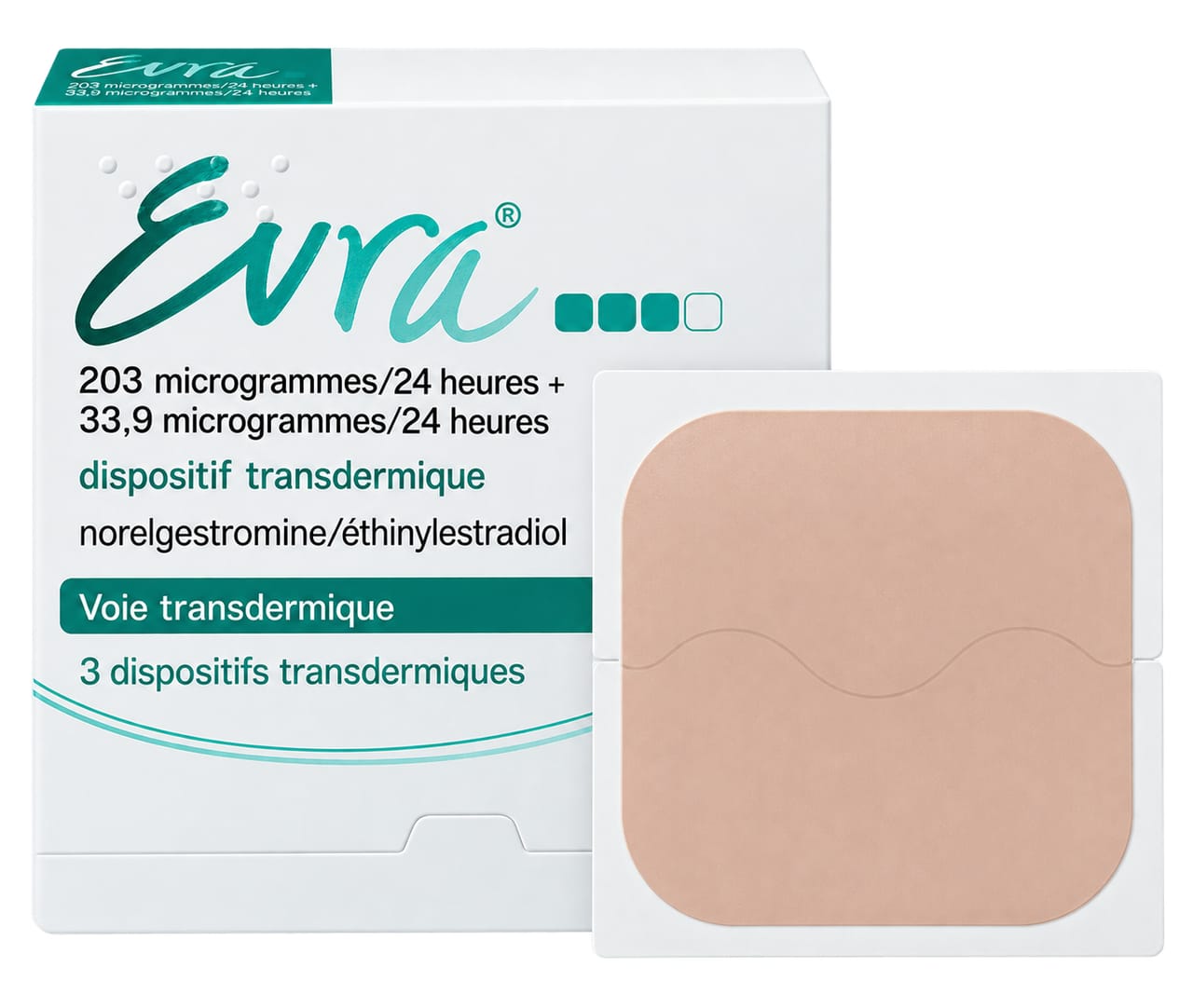
Ortho Evra Patch is a contraceptive skin patch containing ethinyl estradiol and norelgestromin, used to prevent pregnancy. It is applied to the skin once weekly for three weeks, followed by a patch-free week. The original brand has been discontinued in the U.S., but generic versions may be available.
What is Ortho Evra Patch
Ortho Evra is a contraceptive skin patch containing a combination of female hormones (ethinyl estradiol and norelgestromin) used to prevent pregnancy. The brand name has been discontinued in the U.S., but generic versions may be available.
Ortho Evra Patch uses
- Prevents pregnancy (contraception)
Benefits of Ortho Evra Patch
- Helps prevent pregnancy when used correctly.
- Provides convenient once-weekly contraception for 3 weeks of each cycle.
- Delivers estrogen and progestin through the skin, avoiding a daily pill.
- Can help make menstrual cycles more regular and predictable in some users.
How Ortho Evra Patch works
The patch releases two hormones, estrogen and progestin, that are absorbed through the skin into the bloodstream. These hormones stop the ovaries from releasing an egg, thicken cervical mucus to block sperm, and thin the lining of the uterus so a fertilized egg has trouble attaching.
Ortho Evra Patch dosage
Apply your first patch on the first day of your period, or on the first Sunday after your period begins, following your doctor's instructions. Place the patch on clean, dry skin on the outer upper arm, stomach, buttocks, or upper back, and press firmly for about 10 seconds to make sure the edges stick. Do not apply the patch to skin that is broken, irritated, or likely to be rubbed by tight clothing.
Wear each patch for a full week, then remove it and apply a new one on the same day each week for three weeks in a row. After three weeks of patches, leave the patch off for a full week before starting the next cycle; your period should occur during this patch-free week. Check the patch every day to make sure it is sticking well.
Avoid putting creams, lotions, powders, or other products on the skin where the patch is or will be placed, since this may stop it from sticking. You may continue normal activities such as bathing, swimming, showering, and exercising while wearing the patch.
If you need surgery, medical tests, or bed rest, you may need to stop using the patch for a short time — tell any treating doctor or surgeon that you use this medicine. You will need to see your doctor regularly while using this medicine.
| Age group | Dose |
|---|---|
| Before menarche | Not indicated |
| Adolescents after menarche | Apply 1 patch once weekly for 3 consecutive weeks, followed by 1 patch-free week |
| 18–34 years | Apply 1 patch weekly for 3 weeks, then 7 patch-free days |
| 35 years to menopause | Same 3-weeks-on/1-week-off regimen when medically appropriate |
| Postmenopausal women | Not indicated |
Available forms and strengths
- Transdermal skin patch
Side effects of Ortho Evra Patch
Common
- Nausea, stomach pain
- Breast tenderness or swelling
- Headache, anxiety, mood changes
- Skin irritation, redness, itching, or swelling where the patch was worn
- Menstrual cramps
- Irregular vaginal bleeding or spotting
Serious
- Signs of a stroke - sudden numbness or weakness (especially on one side of the body), sudden severe headache, slurred speech, problems with balance, sudden vision loss
- Signs of a blood clot in the lung - chest pain, sudden cough, wheezing, rapid breathing, coughing up blood
- Signs of a blood clot in a leg - pain, swelling, warmth, or redness in one or both legs
- Heart attack symptoms - chest pain or pressure, pain spreading to the jaw or shoulder, nausea, sweating
- Liver problems - nausea, upper stomach pain, itching, tired feeling, loss of appetite, dark urine, clay-colored stools, jaundice
- A change in the pattern or severity of migraine headaches
- Swelling in the hands, ankles, or feet
- A breast lump
- Symptoms of depression - sleep problems, weakness, tired feeling, mood changes
- Allergic reaction - hives, difficult breathing, swelling of face, lips, tongue, or throat
Warnings and precautions
- Do not use this medicine if you are pregnant. Stop using it and tell your doctor right away if you become pregnant or miss two periods in a row. If you have recently had a baby, wait at least 4 weeks before starting it.
- The hormones in this patch can pass into breast milk and may harm a nursing baby. It may also slow breast milk production, so it should not be used while breastfeeding.
- Tell your doctor if you have diabetes with eye, kidney, or circulation problems, as this medicine should not be used in that situation.
- This medicine should not be used if you have liver disease or liver cancer.
- The risk of a serious blood clot may be higher with this skin patch than with birth control pills.
- Using hormonal birth control raises the risk of blood clots, stroke, or heart attack, especially with certain other health conditions or if you are overweight.
- Smoking greatly increases the risk of blood clots, stroke, or heart attack while using this medicine. Do not use it if you smoke and are older than 35.
- Do not use this medicine if you have uncontrolled high blood pressure, heart disease, a blood-clotting disorder, diabetes-related eye or kidney problems, unexplained vaginal bleeding, liver disease or liver cancer, severe migraines, or a history of breast or uterine cancer, heart attack, stroke, or blood clot.
- Do not use this medicine if you are pregnant or have recently had a baby.
- This patch will not protect against sexually transmitted diseases, including HIV and AIDS; only condoms can help with that.
- Grapefruit and grapefruit juice may interact with this medicine and cause unwanted side effects, so discuss grapefruit products with your doctor.
Storage
- Store at 20–25°C (68–77°F) at controlled room temperature.
- Keep each patch in its original sealed protective pouch until ready to apply.
- Store patches flat and in their original packaging to prevent damage.
- Do not refrigerate or freeze; protect from excessive heat and moisture.
- Keep out of reach and sight of children and pets, including used patches.
When to see a doctor
- Get emergency help right away for signs of an allergic reaction, such as hives, trouble breathing, or swelling of the face, lips, tongue, or throat.
- Stop using the patch and call your doctor right away if you notice signs of a stroke, a blood clot in the lung or leg, a heart attack, liver problems, worsening migraines, swelling in the hands, ankles, or feet, a breast lump, or symptoms of depression.
- If you think you may have taken too much, seek emergency medical attention or contact a poison control center right away.
Alternatives
- Annovera
- NuvaRing
- Twirla Patch
- Zafemy Patch
- Xulane Patch
Watch the video
FAQs
How often do you apply the Ortho Evra Patch?
You apply one patch once weekly for three consecutive weeks, followed by one patch-free week during which your period should occur.
Where should the Ortho Evra Patch be applied?
Place it on clean, dry skin on the outer upper arm, stomach, buttocks, or upper back, avoiding broken, irritated, or tight-clothing-rubbed skin, and press firmly for about 10 seconds.
Is the Ortho Evra Patch still available?
The original brand has been discontinued in the U.S., but generic versions may be available.
What are the serious side effects of the Ortho Evra Patch?
Serious side effects include signs of stroke, blood clots in the lung or leg, heart attack symptoms, liver problems, worsening migraines, swelling in the hands or feet, a breast lump, and symptoms of depression.
Does the Ortho Evra Patch protect against sexually transmitted diseases?
No, the patch does not protect against sexually transmitted diseases, including HIV and AIDS; only condoms can help with that.
General information, not medical advice
Your prescriber and the leaflet in your pack know your situation. This page does not.
- Follow your prescriber and the leaflet
- Don't start, stop, or change a dose on your own
- Doses and warnings differ by country and product
Sources
Video
Related medicines
Plan B Tablet: Uses, Dosage, Side Effects, Precautions and Alternates
Contraceptives
Plan B Tablet is an emergency contraceptive that helps prevent pregnancy after unprotected sex. Learn how it works, dosage, side effects, and precautions.
Opcicon One-Step Tablet: Uses, Dosage, Side Effects, Precautions and Alternates
Contraceptives
Opcicon One-Step Tablet (levonorgestrel 1.5 mg) is an emergency contraceptive for use after unprotected sex. Learn dosage, side effects, and warnings.