
Safety
General information, not medical advice
Your prescriber and the leaflet in your pack know your situation. This page does not.
- Follow your prescriber and the leaflet
- Don't start, stop, or change a dose on your own
- Doses and warnings differ by country and product
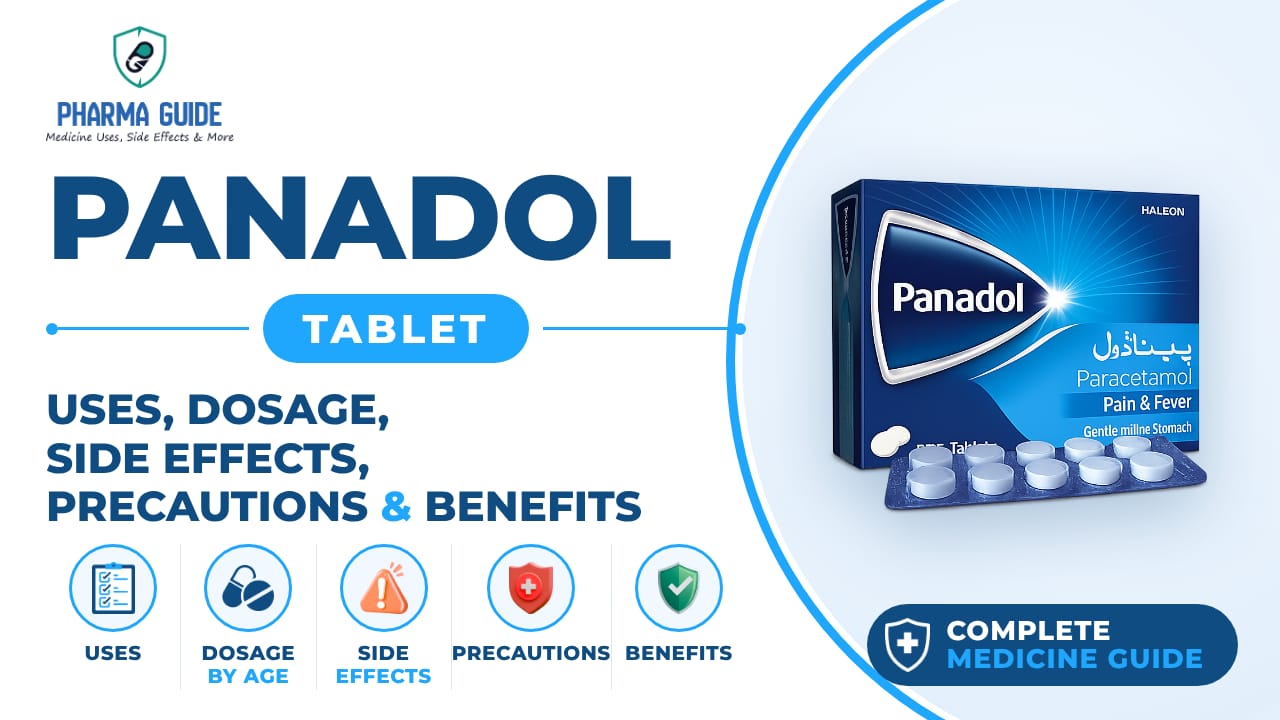
Panadol Tablet: Uses, Dosage, Side Effects, Precautions and Alternates
| Generic name | Paracetamol |
|---|---|
| Drug class | Analgesic/Antipyretic |
| Forms | Oral tablet |
Quick overview
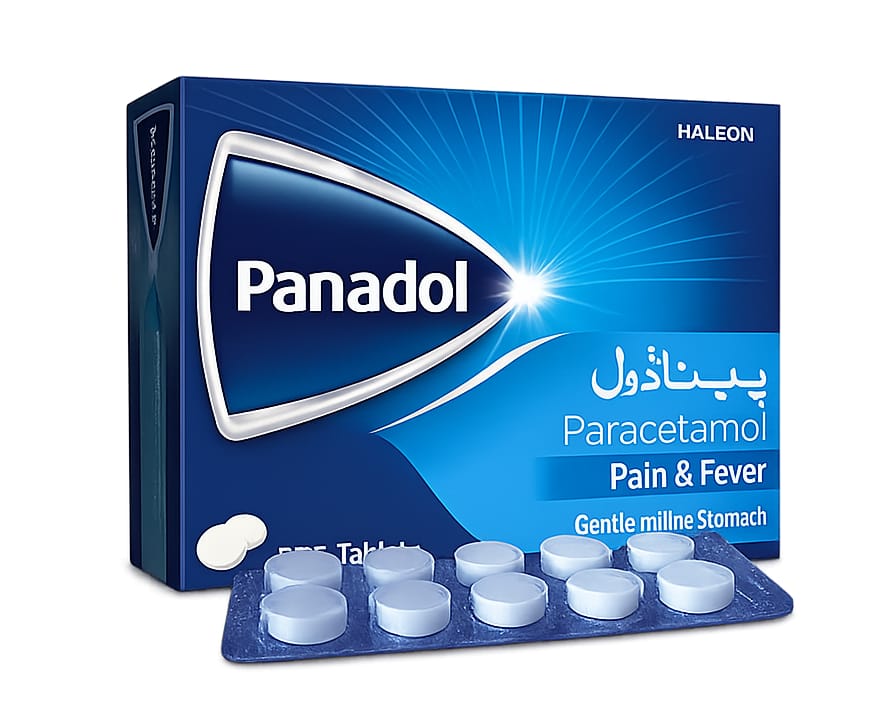
Panadol Tablet contains paracetamol and is used to relieve mild-to-moderate pain and to lower fever. It is available without a prescription, though it is best to check with a healthcare professional for proper use. Common uses include headaches, toothaches, muscle aches, and joint pain, among others. It should not be used for more than 3 days without medical advice.
What is Panadol Tablet
Panadol is a paracetamol tablet used to relieve mild-to-moderate pain and to lower fever. It is available without a prescription, though it is best to check with a healthcare professional for proper use.
Panadol Tablet uses
- Treatment of mild-to-moderate pain
- Treatment of fever
- Headaches
- Toothaches
- Muscle aches
- Joint pain and arthritis
- Colds and flu symptoms
- Menstrual cramps
Benefits of Panadol Tablet
- Relieves mild to moderate pain such as headache, muscle aches and arthritis
- Reduces fever
- Gentle on the stomach, making it suitable for most individuals
How Panadol Tablet works
Paracetamol works mainly by blocking the making of prostaglandins in the central nervous system, which helps relieve pain and lower fever.
Panadol Tablet dosage
Swallow the tablet whole with water. It can be taken with or without food. Take it at regular intervals and do not exceed the recommended dose. Do not take this medicine for more than 3 days without medical advice. Avoid alcohol during treatment.
| Age group | Dose |
|---|---|
| Under 10 years | Not recommended (use children's syrup/suspension instead) |
| 10–15 years | 1 tablet (500 mg) Every 4–6 hours/Day |
| Adults | 1–2 tablets (500–1,000 mg) Every 4–6 hours/Day |
Available forms and strengths
- Oral tablet, 500 mg
Side effects of Panadol Tablet
Common
- Nausea
- Vomiting
- Stomach pain
- Constipation
- Diarrhea
- Dyspepsia (indigestion)
- Rash
- Itching
- Headache
- Dizziness
Serious
- Allergic reactions such as skin rash or itching, sometimes with breathing problems or swelling of the lips, tongue, throat or face
- Skin rash or peeling, or mouth ulcers
- Serious skin reactions (such as Stevens-Johnson syndrome and toxic epidermal necrolysis)
- Unexplained bruising or bleeding
- Signs of a serious liver problem such as pain or tenderness in the upper stomach, pale stools, dark urine, loss of appetite, unusual tiredness or weakness, or yellow eyes or skin
- Liver failure
- Difficulty breathing
Warnings and precautions
- Pregnant women should get medical advice before taking paracetamol, using the lowest effective dose for the shortest time.
- Paracetamol passes into breast milk but not in a significant amount at recommended doses, and available data do not rule out breastfeeding.
- If you have kidney problems, get medical advice before taking this medicine. Paracetamol has dose-related toxicity, so avoid large doses if you have liver problems.
- If you will be taking more than an occasional dose, do not drink alcohol, as this may increase the chance of liver damage. Be cautious if you plan to drive or operate machinery, as it may cause mild drowsiness in some people.
- Do not take more than the recommended dose, as it may cause serious harm to your liver.
- Do not use this medicine if you are taking any other medicines containing paracetamol, as it may lead to an overdose.
- Do not use Panadol if you are allergic to paracetamol or any of the other ingredients.
- Do not take this medicine for more than 3 days without medical advice.
Storage
- Store below 35°C
- Keep in a cool, dry place
- Keep away from direct sunlight
- Keep all medicines away from and out of reach of children
When to see a doctor
- Get emergency help at once if you think you have taken too much, even if there are no signs of poisoning, because treatment to prevent liver damage must be started as soon as possible.
- Stop taking this medicine and tell your doctor immediately if you get an allergic reaction such as skin rash or itching, breathing problems, or swelling of the lips, tongue, throat or face; skin peeling or mouth ulcers; or unexplained bruising or bleeding.
- Contact a doctor immediately if you get a combination of symptoms of metabolic acidosis such as deep, rapid, difficult breathing, feeling or being sick, and loss of appetite.
- Check with your doctor right away if you have pain or tenderness in the upper stomach, pale stools, dark urine, loss of appetite, nausea, unusual tiredness or weakness, or yellow eyes or skin, as these could be signs of a serious liver problem.
Alternatives
- Alka-Seltzer Plus
- Comtrex
- Drixoral
Watch the video
FAQs
What is Panadol Tablet used for?
Panadol Tablet is used to relieve mild-to-moderate pain and lower fever, including headaches, toothaches, muscle aches, joint pain and arthritis, colds and flu symptoms, and menstrual cramps.
What is the dosage of Panadol Tablet for adults?
Adults can take 1–2 tablets (500–1,000 mg) every 4–6 hours per day, swallowed whole with water, with or without food, without exceeding the recommended dose.
Can children take Panadol Tablet?
Panadol Tablet is not recommended for children under 10 years; children's syrup or suspension should be used instead. For ages 10–15 years, 1 tablet (500 mg) every 4–6 hours per day is recommended.
How long can I take Panadol Tablet without medical advice?
Panadol Tablet should not be taken for more than 3 days without medical advice.
What are the serious side effects of Panadol Tablet?
Serious side effects include allergic reactions, skin rash or peeling, mouth ulcers, serious skin reactions like Stevens-Johnson syndrome, unexplained bruising or bleeding, signs of liver problems, liver failure, and difficulty breathing.
General information, not medical advice
Your prescriber and the leaflet in your pack know your situation. This page does not.
- Follow your prescriber and the leaflet
- Don't start, stop, or change a dose on your own
- Doses and warnings differ by country and product
Sources
Video
Related medicines
Metacin Tablet: Uses, Dosage, Side Effects, Precautions and Alternates
Analgesic/Antipyretic
Metacin Tablet contains Paracetamol and is used to treat fever and relieve mild to moderate pain. Learn about its uses, dosage, and side effects.
Crocin Advance Tablet: Uses, Dosage, Side Effects, Precautions and Alternates
Analgesic/Antipyretic
Crocin Advance Tablet contains Paracetamol, used for fever and mild to moderate pain relief. Learn its uses, dosage, side effects, and precautions.