
Safety
General information, not medical advice
Your prescriber and the leaflet in your pack know your situation. This page does not.
- Follow your prescriber and the leaflet
- Don't start, stop, or change a dose on your own
- Doses and warnings differ by country and product
Pancreaze Capsule: Uses, Dosage, Side Effects, Precautions and Alternates
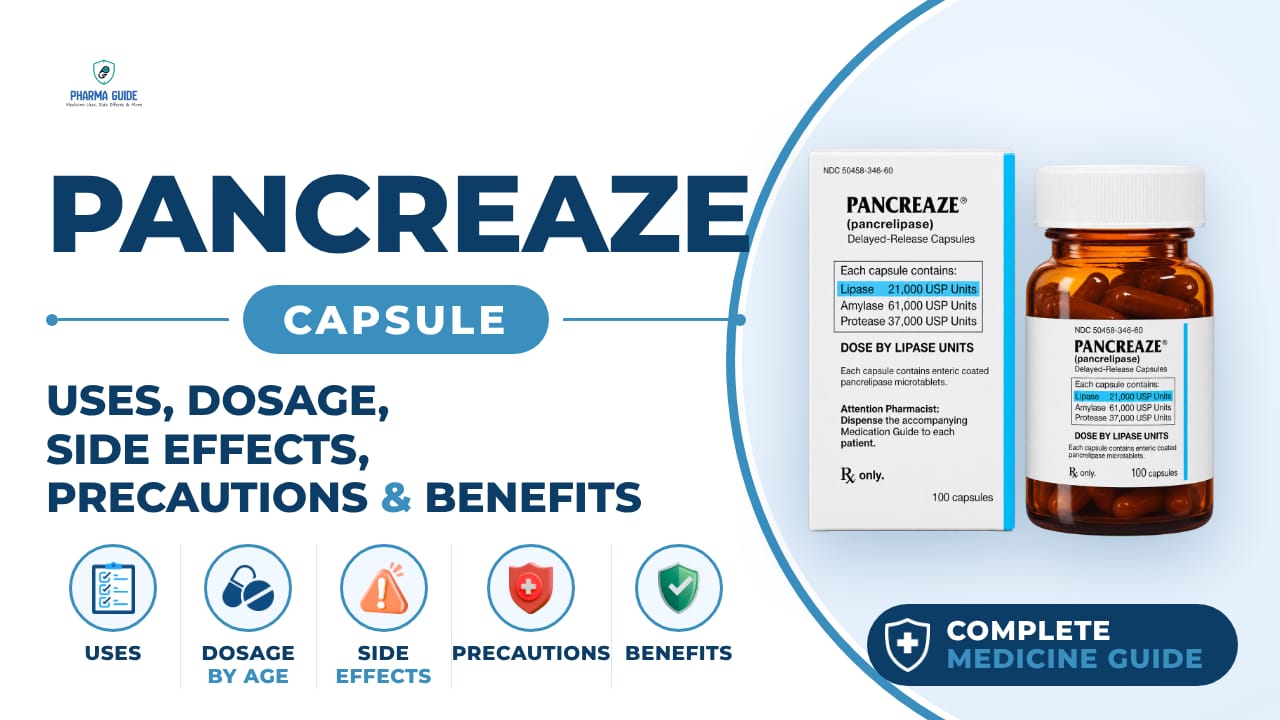
| Generic name | pancrelipase |
|---|---|
| Drug class | Digestive enzymes |
| Forms | delayed-release capsules |
Quick overview
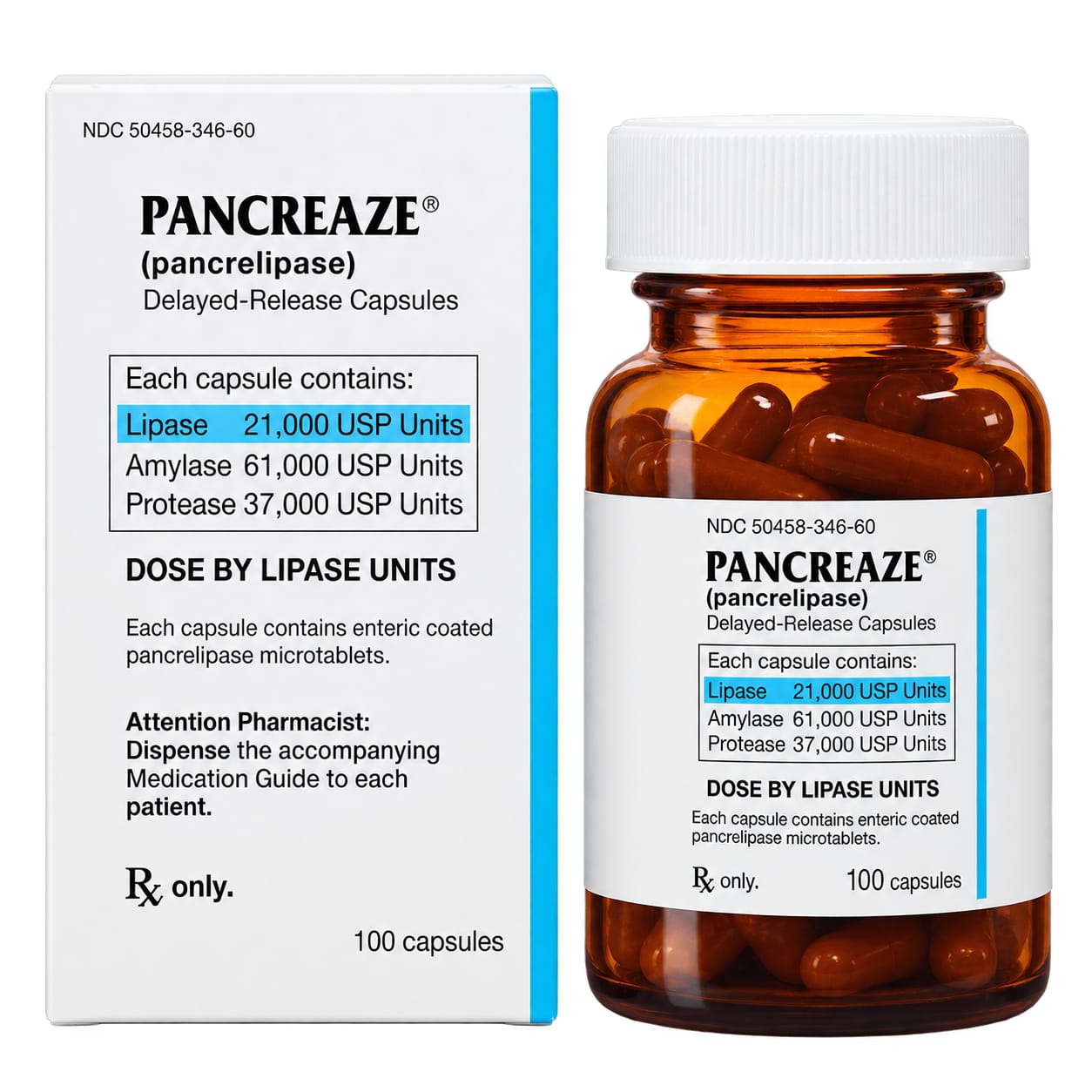
Pancreaze Capsule contains pancrelipase, a mixture of digestive enzymes (lipases, proteases, and amylases) sourced from pig pancreas. It is a prescription medicine used to treat exocrine pancreatic insufficiency, a condition in which the pancreas cannot make or release enough enzymes to digest food. It is taken with meals and snacks to help the body digest fats, proteins, and sugars and to support nutrient absorption.
What is Pancreaze Capsule
Pancreaze is a prescription medicine used to treat people who cannot digest food normally because their pancreas does not make enough enzymes. It contains a mixture of digestive enzymes including lipases, proteases, and amylases from pig pancreas.
Pancreaze Capsule uses
- Treats exocrine pancreatic insufficiency (when the pancreas cannot make or release enough digestive enzymes)
- Used for cystic fibrosis, chronic pancreatitis, pancreatic tumors, surgical removal of the pancreas, or after gastrointestinal bypass surgery
- Treats exocrine pancreatic insufficiency (EPI)
Benefits of Pancreaze Capsule
- Helps the body use fats, proteins, and sugars from food
- Improves nutrient absorption and supports proper weight gain
- Can relieve symptoms like greasy stools, bloating, gas, and abdominal pain
- Replaces essential pancreatic digestive enzymes
- Helps improve fat, protein, and carbohydrate digestion
- Supports better nutrient absorption
How Pancreaze Capsule works
Pancreaze supplies the digestive enzymes lipase, protease, and amylase, which break down fats, proteins, and sugars from food in the small intestine. This helps the body digest and absorb important nutrients.
Pancreaze Capsule dosage
Always take Pancreaze with a meal or snack and plenty of liquid such as water or juice. Swallow the capsules whole; do not crush, chew, or hold them in your mouth, as this can cause mouth irritation or change how the medicine works.
If you have trouble swallowing capsules, open them and sprinkle the contents on a small amount of soft acidic food like applesauce, then swallow right away without chewing and drink plenty of liquid. Do not store Pancreaze mixed with food; use it right away after mixing.
For infants under 12 months, give Pancreaze right before each feeding of breast milk or formula; do not mix it directly into the breast milk or formula bottle. Instead, sprinkle the contents into the infant's mouth or mix with a small amount of soft food, then give liquid right away and check the infant's mouth to make sure all medicine was swallowed.
If you miss a dose, skip it and take your next dose at your usual time with your next meal or snack; do not double up to make up for a missed dose. Do not switch to a different pancreatic enzyme product without talking to your doctor first.
| Age group | Dose |
|---|---|
| Birth–12 months | 2,600 lipase units per 120 mL of formula or per breastfeeding |
| Over 12 months–3 years | Starting dose: 1,000 lipase units/kg per meal; usual upper limit 2,500 lipase units/kg per meal |
| 4–64 years | Starting dose: 500 lipase units/kg per meal; usual upper limit 2,500 lipase units/kg per meal |
| 65–74 years | Starting dose: 500 lipase units/kg per meal; usual upper limit 2,500 lipase units/kg per meal, with monitoring |
Available forms and strengths
Pancreaze is available as delayed-release capsules.
Side effects of Pancreaze Capsule
Common
- Abdominal pain or cramps
- Gas and flatulence
- Nausea and vomiting
- Diarrhea or constipation
- Rash or mild skin irritation
- Blurred vision
- Mouth or throat irritation (if capsules are chewed or held in the mouth instead of swallowed whole)
Serious
- Fibrosing colonopathy (a rare, serious bowel disorder involving scarring or thickening of the colon wall, linked to high doses or long-term use, especially in children with cystic fibrosis)
- High blood uric acid (hyperuricemia), which can worsen gout or cause painful, swollen joints
- Severe allergic reactions, including trouble breathing, skin rash, swollen lips, swelling of the face/mouth/tongue/throat, racing heart, fever, dizziness, or fainting
Warnings and precautions
- Pancreaze may increase the chance of a rare bowel disorder called fibrosing colonopathy, especially with high doses over a long time in children with cystic fibrosis. This condition is serious and may require surgery.
- Do not take more Pancreaze than your doctor prescribes, and follow dosing instructions exactly to help reduce the risk of fibrosing colonopathy.
- Do not crush or chew the capsules, or hold them in your mouth, as this can cause mouth irritation or change how the medicine works.
- Pancreaze is made from pig pancreas, the same pigs used for pork. These pigs may carry viruses, and while never reported, it may be possible to get a viral infection from taking pancreatic enzyme products made from pigs.
- Do not switch to a different pancreatic enzyme product without talking to your doctor first.
- It is not known if Pancreaze will harm an unborn baby. Tell your doctor if you are pregnant or plan to become pregnant.
- It is not known if Pancreaze passes into breast milk. Talk to your doctor about the best way to feed your baby if you take Pancreaze.
- Tell your doctor if you have kidney disease, since this may increase the risk of high blood uric acid levels.
- No standard hepatic dose adjustment is established. Patients with significant liver disease should receive individualized medical assessment.
- It is not known if drinking alcohol will affect Pancreaze.
- Large doses may increase blood or urinary uric acid levels. Patients with gout, kidney disease, or hyperuricemia may require monitoring.
Storage
- Store Pancreaze at room temperature below 77°F (25°C). Avoid heat.
- Keep Pancreaze in a dry place and in the original container.
- After opening the bottle, keep it closed tightly between uses.
- Do not eat or throw away the desiccant packet in the medicine bottle; it protects the medicine from moisture.
- Keep Pancreaze and all medicines out of reach of children.
When to see a doctor
- Call your doctor right away if you have unusual or severe stomach pain, bloating, trouble passing stool, nausea, vomiting, or diarrhea, as these may be signs of fibrosing colonopathy.
- Call your doctor if you have joint pain, stiffness, redness, or swelling, which could mean your blood uric acid level is too high.
- Stop taking Pancreaze and get emergency treatment right away if you have trouble breathing, skin rashes, swollen lips, or itching, which could be signs of a severe allergic reaction.
- If you think you or someone else has taken too much Pancreaze, get medical help right away.
Alternatives
- Viokace
- Pertzye
- Zenpep
- Creon
Watch the video
FAQs
What is Pancreaze Capsule used for?
Pancreaze treats exocrine pancreatic insufficiency caused by conditions like cystic fibrosis, chronic pancreatitis, pancreatic tumors, pancreas removal, or gastrointestinal bypass surgery, where the pancreas cannot make or release enough digestive enzymes.
How should I take Pancreaze Capsule?
Take Pancreaze with a meal or snack and plenty of liquid, swallowing capsules whole without crushing or chewing. If you have trouble swallowing, you can open the capsule and sprinkle contents on soft acidic food like applesauce and swallow right away.
What are the side effects of Pancreaze Capsule?
Common side effects include abdominal pain, gas, nausea, vomiting, diarrhea or constipation, rash, and blurred vision. Serious risks include fibrosing colonopathy, high blood uric acid, and severe allergic reactions.
What happens if I miss a dose of Pancreaze?
If you miss a dose, skip it and take your next dose at your usual time with your next meal or snack. Do not double up to make up for a missed dose.
Is Pancreaze safe for infants?
For infants under 12 months, Pancreaze is given right before each feeding of breast milk or formula, sprinkled into the infant's mouth or mixed with a small amount of soft food, followed by liquid to ensure all medicine is swallowed.
General information, not medical advice
Your prescriber and the leaflet in your pack know your situation. This page does not.
- Follow your prescriber and the leaflet
- Don't start, stop, or change a dose on your own
- Doses and warnings differ by country and product
Sources
Video
Related medicines
Pertzye Capsule: Uses, Dosage, Side Effects, Precautions and Alternates
Digestive enzymes
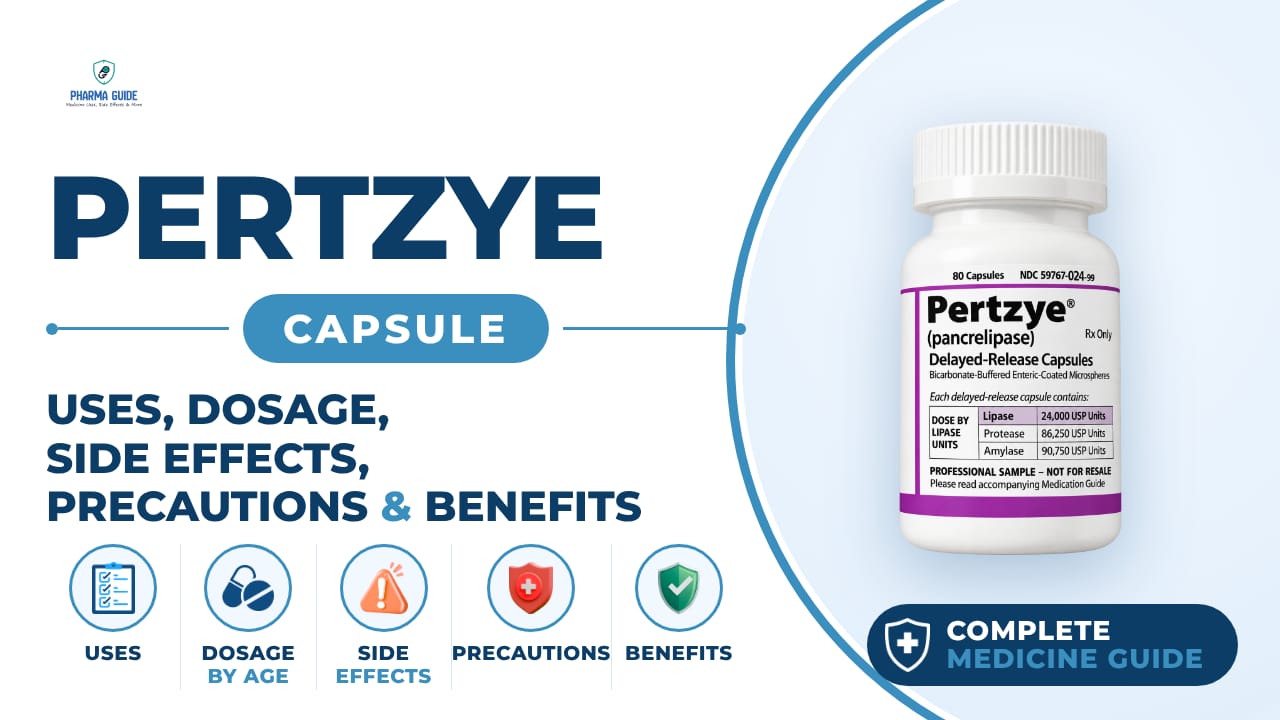
Pertzye (pancrelipase) capsules replace missing pancreatic enzymes to help digest fats, proteins, and carbs in cystic fibrosis and other EPI conditions.
Alpha-Galactosidase Tablet: Uses, Dosage, Side Effects, Precautions and Alternates
Digestive enzymes
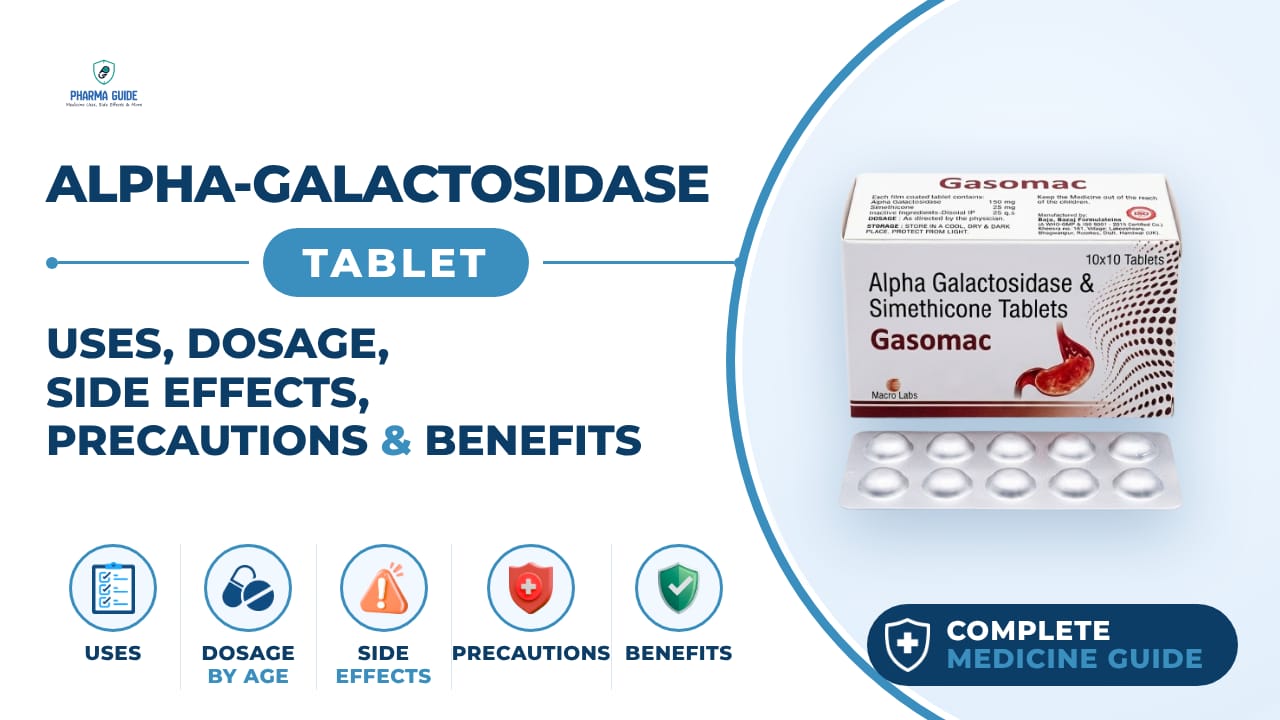
Alpha-Galactosidase Tablet is a digestive enzyme that helps prevent gas and bloating from beans and vegetables. Learn uses, dosage, and side effects.