
Safety
General information, not medical advice
Your prescriber and the leaflet in your pack know your situation. This page does not.
- Follow your prescriber and the leaflet
- Don't start, stop, or change a dose on your own
- Doses and warnings differ by country and product
Sertraline Capsule: Uses, Dosage, Side Effects, Precautions and Alternates
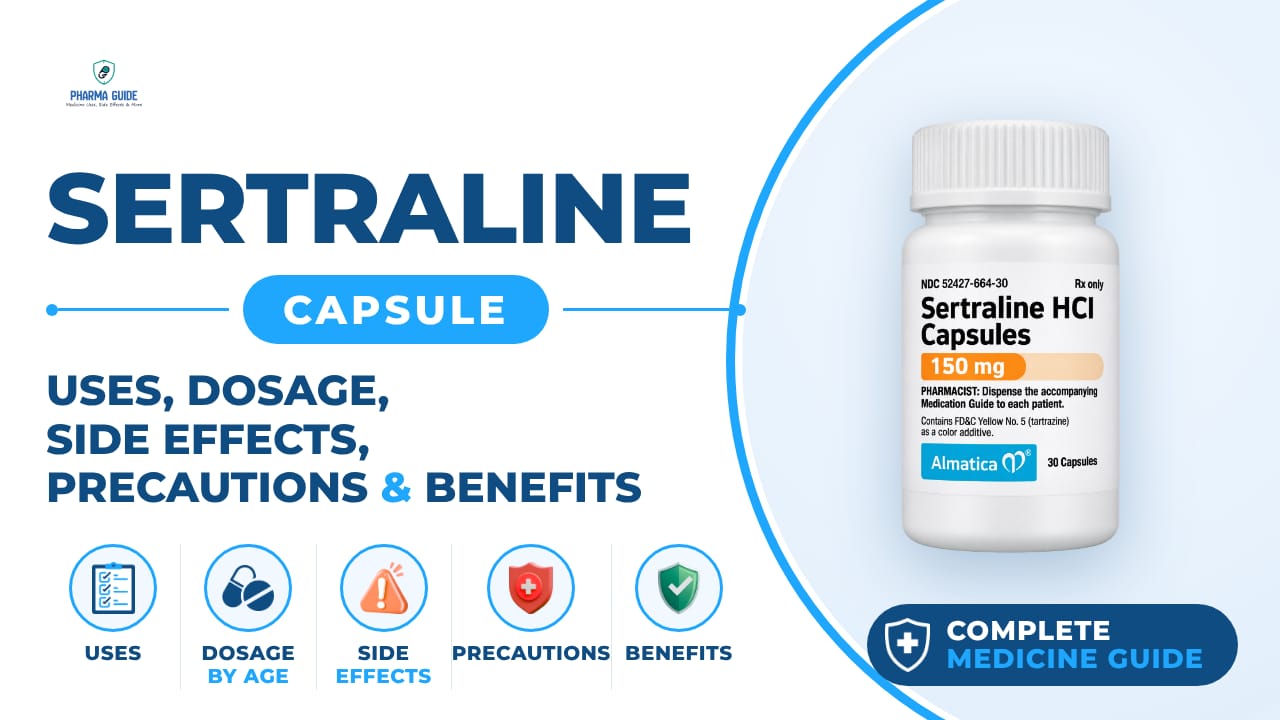
| Generic name | sertraline |
|---|---|
| Drug class | Selective serotonin reuptake inhibitor (SSRI) |
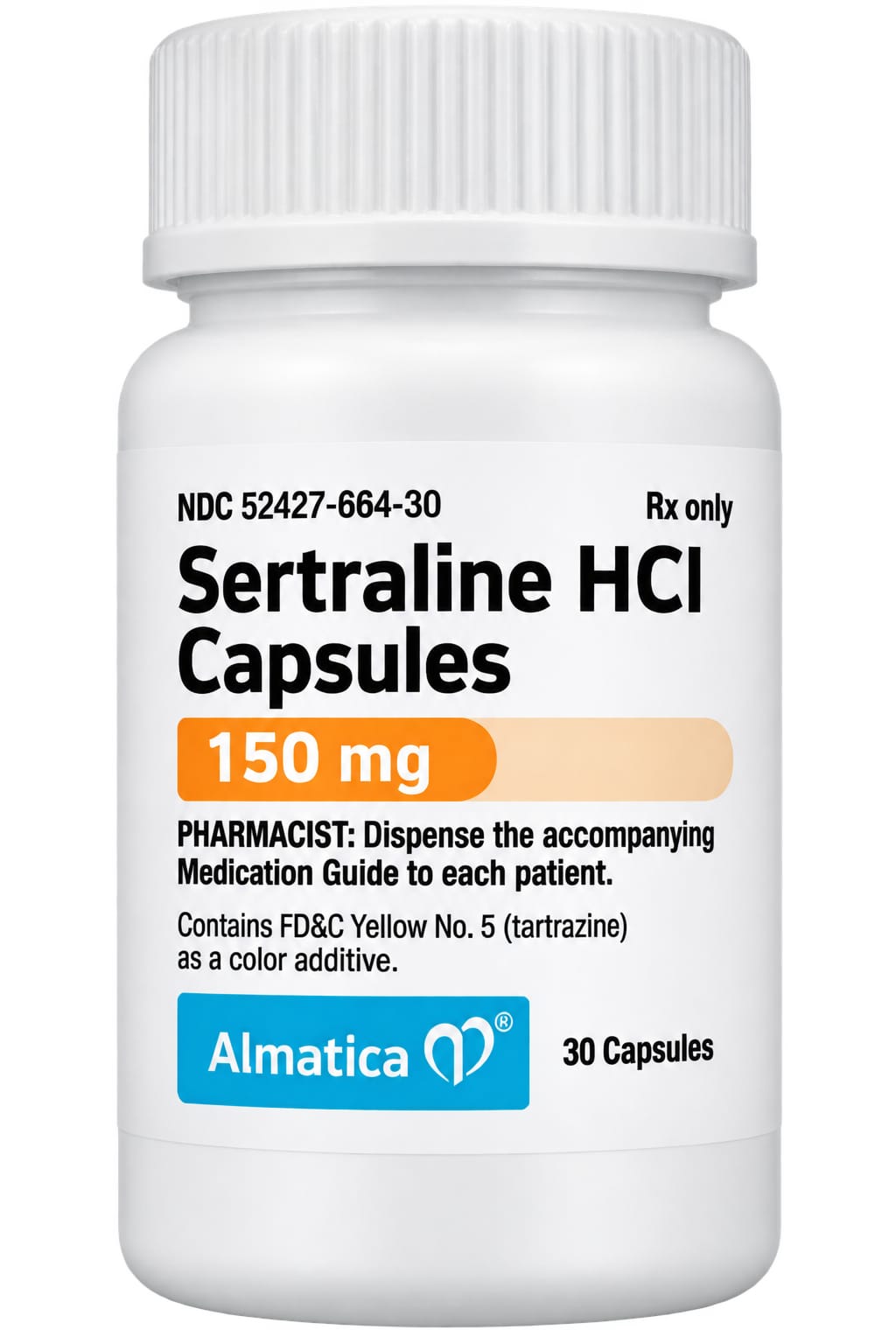
| Forms | Tablet (25 mg, 50 mg, 100 mg), Capsules (150 mg, 200 mg), Oral liquid/solution (20 mg/mL) |
Quick overview
Sertraline is a prescription antidepressant belonging to the selective serotonin reuptake inhibitor (SSRI) class. It is used to treat depression and several other mental health conditions by changing serotonin levels in the brain. It is sold under the brand name Zoloft, and generic versions are also available.
What is Sertraline Capsule
Sertraline is a prescription antidepressant that belongs to a group of medicines called SSRIs. It is used to treat depression and several other mental health conditions by changing serotonin levels in the brain. It is sold under the brand name Zoloft, and generic versions are also available.
Sertraline Capsule uses
- Major depressive disorder (depression)
- Obsessive-compulsive disorder (OCD)
- Panic disorder
- Post-traumatic stress disorder (PTSD)
- Social anxiety disorder (SAD)
- Premenstrual dysphoric disorder (PMDD)
Benefits of Sertraline Capsule
- Sertraline is thought to work by balancing serotonin, a chemical messenger that affects mood and emotions, which can help relieve symptoms of depression and other mood disorders.
- Doctors generally consider sertraline a preferred medication for treating depression.
How Sertraline Capsule works
Sertraline works by increasing the amount of serotonin, a brain chemical that helps regulate mood, available between nerve cells. It does this by blocking serotonin from being reabsorbed, which is thought to help relieve symptoms of depression and other conditions it treats.
Sertraline Capsule dosage
Take sertraline exactly as prescribed and follow all directions on your prescription label. Take it with or without food, in the morning or evening, but at the same time each day. Swallow capsules whole; do not crush, chew, break, or open them.
Keep taking sertraline even if you do not feel better right away, since it may take several weeks for the medicine to start working. Do not stop taking sertraline suddenly without talking to your doctor, as this can cause unpleasant symptoms.
If you miss a dose, take it as soon as you remember, but skip it if it is almost time for your next dose; do not take two doses at once.
Sertraline may cause false results on a drug-screening urine test, so tell laboratory staff you use this medicine.
| Age group | Dose |
|---|---|
| Under 6 years | Not routinely recommended |
| 6–12 years | 25 mg once daily initially for OCD; may be increased gradually |
| 13–17 years | 50 mg once daily initially for OCD; may be increased gradually |
| 18–64 years | 50 mg once daily initially; may be adjusted according to response |
| 65 years & older | Start cautiously; usually 25–50 mg once daily, with gradual adjustment |
| Adults — maximum | 200 mg/day |
Available forms and strengths
- Tablet (25 mg, 50 mg, 100 mg)
- Capsules (150 mg, 200 mg)
- Oral liquid/solution (20 mg/mL)
Side effects of Sertraline Capsule
Common
- Nausea
- Diarrhea
- Indigestion
- Loss of appetite/decreased appetite
- Increased sweating
- Shaking or trembling
- Inability to ejaculate/delayed ejaculation
- Decreased libido
- Headache
- Dry mouth
- Nervousness
- Feeling restless
- Fatigue
- Trouble sleeping (insomnia)
- Sleepiness (somnolence)
- Dizziness
Serious
- Allergic reaction: skin rash or hives, difficulty breathing, swelling of face, lips, tongue, or throat
- New or worsening mood or behavior changes, anxiety, panic attacks, trouble sleeping, feeling impulsive, irritable, agitated, hostile, aggressive, restless, hyperactive, more depressed, or thoughts of suicide or self-harm
- Unusual bleeding or bruising
- Seizures
- Vision changes, eye pain, redness, or swelling (possible angle-closure glaucoma)
- Low blood sodium: headache, confusion, problems with thinking or memory, weakness, feeling unsteady
- Manic episodes: racing thoughts, increased energy, unusual risk-taking behavior, extreme happiness, irritability, or talkativeness
- Serotonin syndrome: agitation, hallucinations, fever, sweating, shivering, fast heart rate, muscle stiffness, twitching, loss of coordination, nausea, vomiting, or diarrhea
- Heart rhythm problems, including QT prolongation and Torsade de Pointes: fast or irregular heartbeat, dizziness, fainting, chest pain, trouble breathing
- Effects on growth, weight, and appetite in children
- Abnormal muscle movement, nose bleeds, urinary incontinence, or aggressive reactions in children
Warnings and precautions
- Taking sertraline during pregnancy could harm the baby, such as causing withdrawal symptoms or a serious lung problem at birth, and taking it close to delivery may increase the risk of severe bleeding after birth. Do not start or stop this medicine during pregnancy without talking to your doctor first.
- A small amount of sertraline may pass into breast milk. Ask your doctor if it is safe to breastfeed while taking this medicine.
- Sertraline is mostly processed by the liver, and very little is removed unchanged through the kidneys, so dosing generally does not need to be adjusted based on kidney function, though your doctor should still know if you have kidney disease.
- Sertraline should be used with caution in people with liver disease, since the drug is broken down by the liver and its effects in people with moderate to severe liver problems have not been studied. A lower or less frequent dose may be needed.
- Do not drink alcohol while taking sertraline.
- Avoid driving or operating hazardous machinery until you know how sertraline affects you, since it can impair your reactions, judgment, or coordination.
- People with depression or mental illness may have thoughts of suicide, and some young people may have increased suicidal thoughts when starting this medicine. Tell your doctor right away about any sudden changes in mood or behavior, or thoughts about suicide.
- Do not stop taking sertraline suddenly without your doctor's advice, as this can cause unpleasant withdrawal-type symptoms.
- Sertraline can increase the risk of bleeding, especially when combined with aspirin, NSAIDs, or blood thinners.
- Sertraline may activate mania or hypomania, so people with bipolar disorder should be carefully evaluated before starting.
- Sertraline should be used carefully in people with seizure disorders.
- People with untreated narrow eye angles should avoid sertraline, since it can trigger an angle-closure glaucoma attack.
- Sertraline can cause sexual side effects.
- Do not take sertraline if you also take pimozide or are being treated with methylene blue injection, and avoid taking it within 14 days of using an MAO inhibitor, due to the risk of a dangerous interaction.
- Stopping sertraline abruptly can cause symptoms like sleep problems, ringing in the ears, irritability, agitation, anxiety, nausea, dizziness, tremors, confusion, and seizures.
- Elderly patients, people with osteoporosis, or those with risk factors for fractures should be aware that sertraline can increase the risk of falls due to dizziness, especially early in treatment.
Storage
- Store at room temperature (15°C to 30°C).
- Protect unit dose packages from high humidity.
- Keep container tightly closed.
- Keep out of reach and sight of children.
- If told to stop taking sertraline, return any leftover medicine to your pharmacist.
- If disposing at home, take to a medication take-back program when possible, or follow label/package instructions; if safe to throw away, mix with an unwanted substance like cat litter or coffee grounds, seal in a bag, and put in the trash.
When to see a doctor
- Get emergency medical help if you have signs of an allergic reaction, such as a skin rash or hives, difficulty breathing, or swelling of your face, lips, tongue, or throat.
- Seek medical attention right away if you have symptoms of serotonin syndrome, such as agitation, hallucinations, fever, sweating, shivering, fast heart rate, muscle stiffness, twitching, loss of coordination, nausea, vomiting, or diarrhea.
- Call your doctor right away if you have unusual bleeding or bruising, a seizure, vision changes or eye pain, signs of low blood sodium (headache, confusion, memory problems, weakness, feeling unsteady), or signs of a manic episode.
- Tell your doctor right away about any sudden changes in mood or behavior, or thoughts about suicide.
- If you have thoughts of harming or killing yourself at any time, tell your healthcare professional or go to a hospital right away.
- Seek immediate medical attention if you think you or someone else has taken too much sertraline, even if there are no symptoms.
- Seek immediate medical help for a newborn exposed to sertraline during pregnancy if they have trouble breathing or feeding, muscle stiffness or floppiness, seizures, jitteriness, or are constantly crying.
Alternatives
- Rexulti
- Vraylar
- Auvelity
- Lexapro
- Zoloft
- Seroquel
- Wellbutrin
- Cymbalta
- Prozac
- Fluoxetine
- Escitalopram
- Citalopram
- Fluvoxamine
- Paroxetine
- Vilazodone
- Duloxetine
Watch the video
FAQs
What is Sertraline Capsule used for?
It treats major depressive disorder, obsessive-compulsive disorder, panic disorder, post-traumatic stress disorder, social anxiety disorder, and premenstrual dysphoric disorder.
How does Sertraline work?
Sertraline increases the amount of serotonin available between nerve cells by blocking its reabsorption, which helps relieve symptoms of depression and other conditions it treats.
What is the typical starting dose of Sertraline for adults?
Adults aged 18-64 typically start at 50 mg once daily, which may be adjusted according to response, up to a maximum of 200 mg per day.
Can I stop taking Sertraline suddenly?
No, you should not stop taking sertraline suddenly without talking to your doctor, as this can cause withdrawal-type symptoms like sleep problems, irritability, anxiety, nausea, dizziness, tremors, confusion, and seizures.
What are common side effects of Sertraline?
Common side effects include nausea, diarrhea, indigestion, decreased appetite, increased sweating, shaking, delayed ejaculation, decreased libido, headache, dry mouth, nervousness, fatigue, insomnia, sleepiness, and dizziness.
General information, not medical advice
Your prescriber and the leaflet in your pack know your situation. This page does not.
- Follow your prescriber and the leaflet
- Don't start, stop, or change a dose on your own
- Doses and warnings differ by country and product
Sources
- https://www.drugs.com/sertraline.html
- https://www.medicalnewstoday.com/articles/325632#how-to-take
- https://my.clevelandclinic.org/health/drugs/20089-sertraline-tablets
- APO-SERTRALINE (Sertraline hydrochloride Capsules) Product Monograph, Apotex Inc.
Video
Related medicines
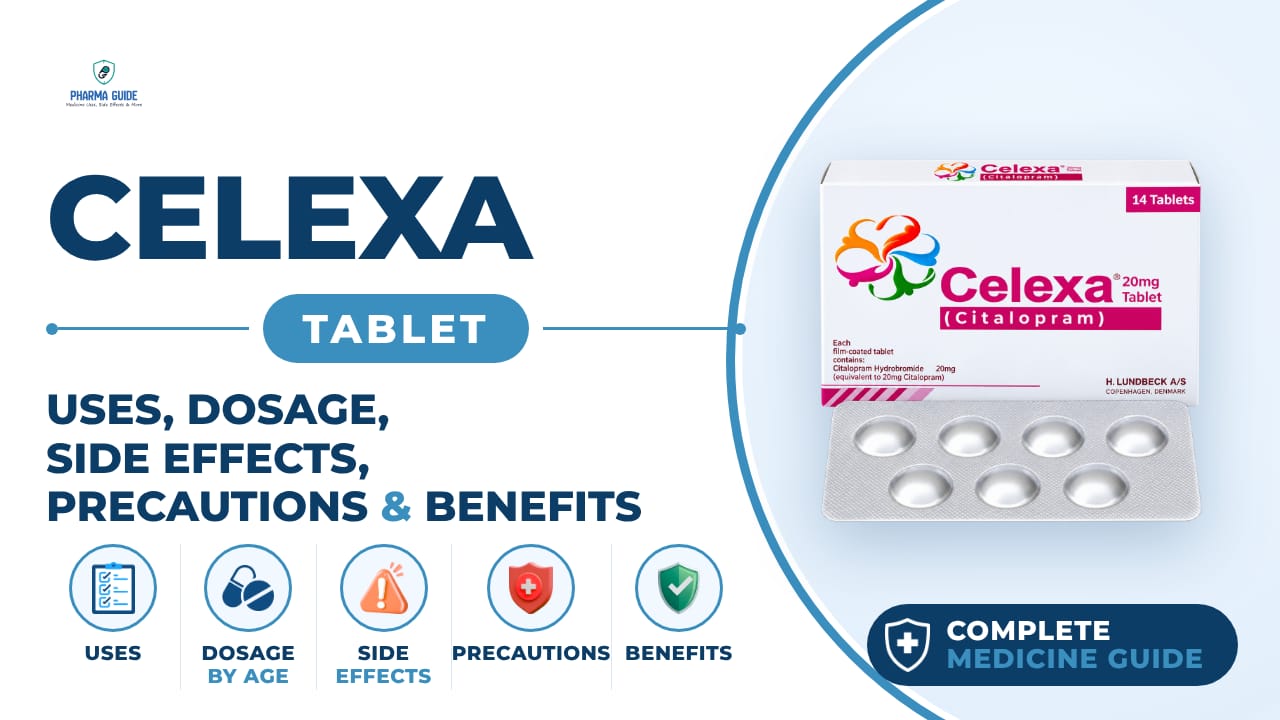
Celexa Tablet: Uses, Dosage, Side Effects, Precautions and Alternates
selective serotonin reuptake inhibitor (SSRI)
Celexa Tablet (citalopram) treats major depressive disorder in adults by boosting serotonin. Learn about uses, dosage forms, side effects, and warnings.
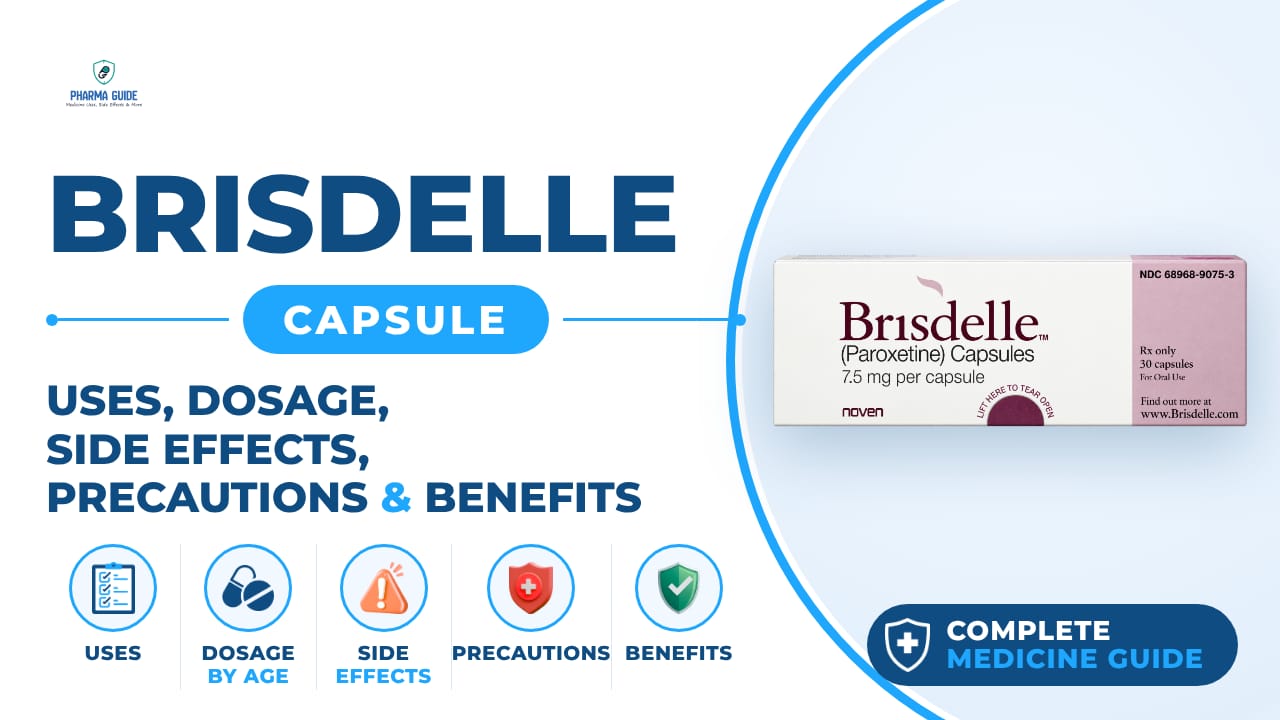
Brisdelle Capsule: Uses, Dosage, Side Effects, Precautions and Alternates
Selective serotonin reuptake inhibitor (SSRI)
Brisdelle Capsule (paroxetine) is a non-hormonal prescription treatment for moderate to severe menopausal hot flashes. Learn dosage, side effects, and warnings.