
Safety
General information, not medical advice
Your prescriber and the leaflet in your pack know your situation. This page does not.
- Follow your prescriber and the leaflet
- Don't start, stop, or change a dose on your own
- Doses and warnings differ by country and product
Trika Tablet: Uses, Dosage, Side Effects, Precautions and Alternates
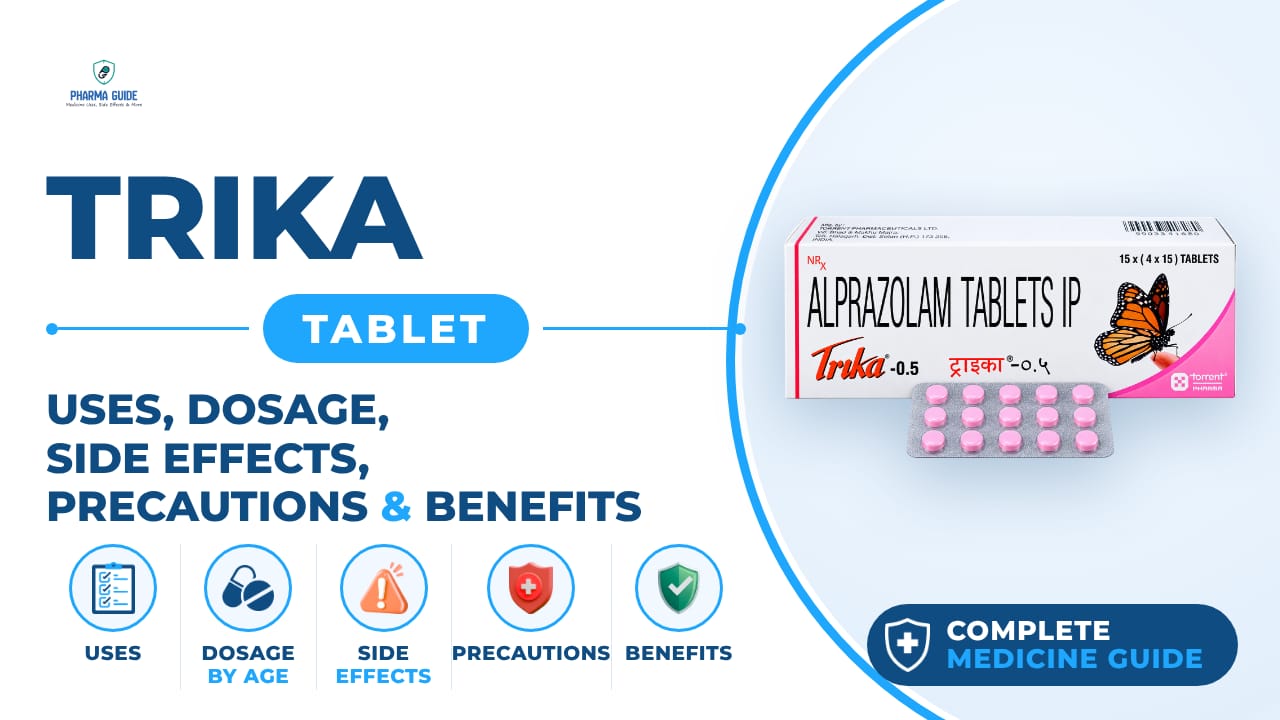
| Generic name | Alprazolam |
|---|---|
| Drug class | Benzodiazepine |
| Forms | Tablet |
Quick overview
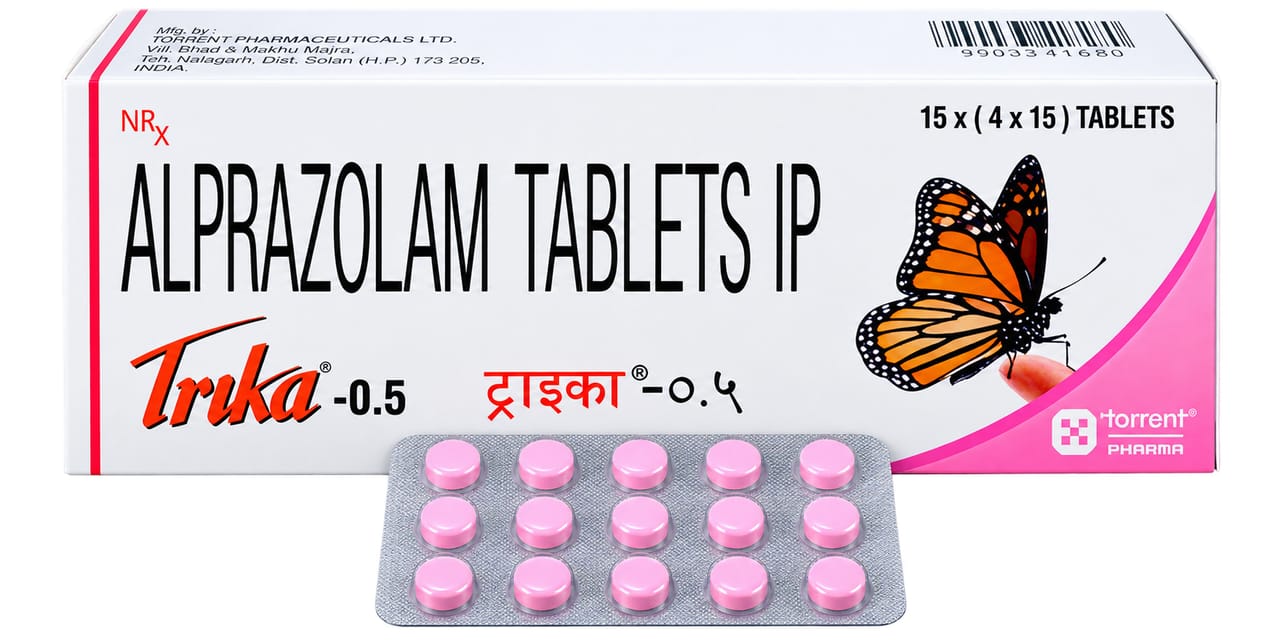
Trika Tablet contains alprazolam, a medicine belonging to the benzodiazepine drug class. It is mainly used to treat anxiety, including panic disorder and short-term relief of severe anxiety symptoms. It works by calming overactive nerve activity in the brain and is available as a tablet, to be used exactly as prescribed by a doctor.
What is Trika Tablet
Trika is a prescription tablet containing alprazolam, a benzodiazepine medicine. It is mainly used to treat anxiety.
Trika Tablet uses
- Anxiety
- Panic Attack and Disorder
- Management of anxiety disorders
- Short-term relief of severe anxiety symptoms
- Panic disorder (with or without agoraphobia)
- Anxiety with depression
Benefits of Trika Tablet
- Anxiety Relief: Helps reduce symptoms of significant anxiety.
- Panic Disorder Support: Can help reduce panic symptoms.
- Calming Effect: Reduces excessive nervous-system activity.
- Short-Term Symptom Control: May provide relatively rapid relief when prescribed.
- Sedative Effect: May cause relaxation and drowsiness, which can be clinically useful when prescribed for appropriate conditions.
How Trika Tablet works
Alprazolam works on the brain and nervous system by boosting the activity of a calming brain chemical called GABA. This lowers overactive nerve signals and produces a calming, anxiety-relieving effect.
Trika Tablet dosage
Trika can be taken with or without food. Do not break, chew, or crush the tablet; swallow it whole with a glass of water. Try to take it at the same time every day so you don't forget. Do not take more than the recommended amount.
Do not stop taking this medicine suddenly without talking to your doctor, as this can cause withdrawal problems like fits, anxiety, headache, or trouble sleeping. If you miss a dose, take it as soon as you remember, but skip it if it's almost time for your next dose; do not take two doses together.
People over 60 should use this medicine with extra caution because of a higher risk of sleepiness and muscle weakness. This medicine is not recommended for children under 18 years.
| Age group | Dose |
|---|---|
| Under 18 Years | Only under specialist medical supervision |
| Adults (18–64 Years) | Usually 0.25–0.5 mg, 2–3 times daily, as prescribed |
| Older Adults (65+ Years) | Usually 0.25 mg, 2–3 times daily initially, adjusted by a doctor |
Available forms and strengths
- Tablet
Side effects of Trika Tablet
Common
- Drowsiness
- Dizziness
- Dry mouth
- Fatigue
- Irritability
- Headache
- Nausea
- Vomiting
- Lightheadedness
- Impaired coordination
- Memory or concentration problems
- Slurred speech
- Changes in pattern of speech
- Unsteadiness
- Loss of coordination
- Blurred vision
- Abdominal pain
- Difficult or painful urination
- Chest pain
- Irregular menstrual periods
- Decreased appetite
- Weight loss
- Double vision
- Sudden sweating
- Acid or sour stomach
- Heartburn
- Constipation
Serious
- Angioedema
- Steven-Johnsons syndrome
- Memory problems
- Uncoordinated body movements
- Depression
- Severe allergic reaction (rash, swelling of face or lips, wheezing, difficulty breathing)
- Severe sleepiness
- Confusion or unusual behavior
- Withdrawal seizures if stopped abruptly
Warnings and precautions
- Trika can be habit-forming and may lead to physical or psychological dependence, especially with high doses or long-term use. Stopping suddenly can cause withdrawal symptoms including seizures, so the dose should be reduced gradually under medical guidance.
- This medicine should not be used by people with certain conditions like glaucoma, epilepsy, myasthenia gravis, severe breathing problems, sleep apnea, or severe liver disease, unless a specialist advises otherwise.
- Trika should be used carefully in people with depression or suicidal thoughts, as it may worsen these conditions; your doctor will monitor you closely.
- Combining Trika with alcohol, opioids, sedatives, or antihistamines increases the risk of extreme sleepiness and dangerous breathing problems, which can be fatal, especially with opioids.
- Certain medicines, like ketoconazole or clarithromycin, can raise the levels of Trika in the body, while others like carbamazepine or rifampicin can make it less effective. Tell your doctor about all medicines you take.
- Trika is not recommended during pregnancy because it can cause serious side effects in the baby, including withdrawal symptoms or floppiness after birth. Talk to your doctor before taking it if you are pregnant.
- Trika passes into breast milk and is not recommended while breastfeeding unless your doctor prescribes it.
- Use this medicine carefully if you have kidney disease. Your doctor may need to monitor your kidney function or adjust your dose.
- Trika can affect the liver, so talk to your doctor before taking it if you have liver disease. Your doctor may want to monitor your liver function.
- Avoid drinking alcohol while taking Trika, as it can cause dangerous drowsiness, breathing problems, and other serious side effects.
- Do not drive or operate machinery while taking Trika, since it can make you feel sleepy or dizzy.
Storage
- Store at room temperature (below 25°C), in a dry place protected from light and moisture.
- Keep out of reach of children.
When to see a doctor
- Stop the medicine and get medical help right away if you notice a rash, swelling of the face or lips, wheezing, or difficulty breathing.
- Get urgent medical care if you have an allergic reaction, severe sleepiness, trouble breathing, confusion, or unusual behavior.
- If you notice a skin rash, itching or swelling of the face, tongue, or throat, severe dizziness, or breathing difficulty, seek medical attention immediately, as this could be an allergic reaction.
- If you think you have taken too much of this medicine, get emergency medical treatment right away.
Alternatives
- Altzibarem 0.5 MG Tablet
- Stressban 0.5 MG Tablet
- Tranquil 0.5 MG Tablet
Watch the video
FAQs
What is Trika Tablet used for?
Trika Tablet is used to treat anxiety, panic attacks and disorder, management of anxiety disorders, short-term relief of severe anxiety symptoms, panic disorder with or without agoraphobia, and anxiety with depression.
How does Trika Tablet work?
Alprazolam works on the brain and nervous system by boosting the activity of a calming brain chemical called GABA, which lowers overactive nerve signals and produces a calming, anxiety-relieving effect.
What is the dosage of Trika Tablet for adults?
Adults aged 18-64 years usually take 0.25-0.5 mg, 2-3 times daily, as prescribed by a doctor. Older adults typically start with a lower dose of 0.25 mg, 2-3 times daily, adjusted by a doctor.
Can I stop taking Trika Tablet suddenly?
No, you should not stop taking Trika suddenly without talking to your doctor, as this can cause withdrawal problems like fits, anxiety, headache, or trouble sleeping. The dose should be reduced gradually under medical guidance.
What are the common side effects of Trika Tablet?
Common side effects include drowsiness, dizziness, dry mouth, fatigue, irritability, headache, nausea, vomiting, lightheadedness, impaired coordination, memory or concentration problems, and slurred speech, among others.
General information, not medical advice
Your prescriber and the leaflet in your pack know your situation. This page does not.
- Follow your prescriber and the leaflet
- Don't start, stop, or change a dose on your own
- Doses and warnings differ by country and product
Sources
- US Food and Drug Administration (FDA) - Package leaflet information for the user; XANAX (alprazolam)
- KD Tripathi, Seventh Edition, Jaypee Brothers Medical Publishers, 2013, Page No 405
- April Hazard Vallerand, Cynthia A. Sanoski, Sixteenth Edition, F. A. Davis Company, 2019, Page No 129-131
- Manufacturer labeling; CDSCO drug labeling requirements; benzodiazepine/alprazolam monographs
- Central Drugs Standard Control Organisation (CDSCO), Ministry of Health & Family Welfare, Government of India
- National List of Essential Medicines (NLEM) 2022, Government of India
- World Health Organization, ATC/DDD classification and Model Formulary
- George, T. and Tripp, J., 2022. Alprazolam. NCBI
Video
Related medicines
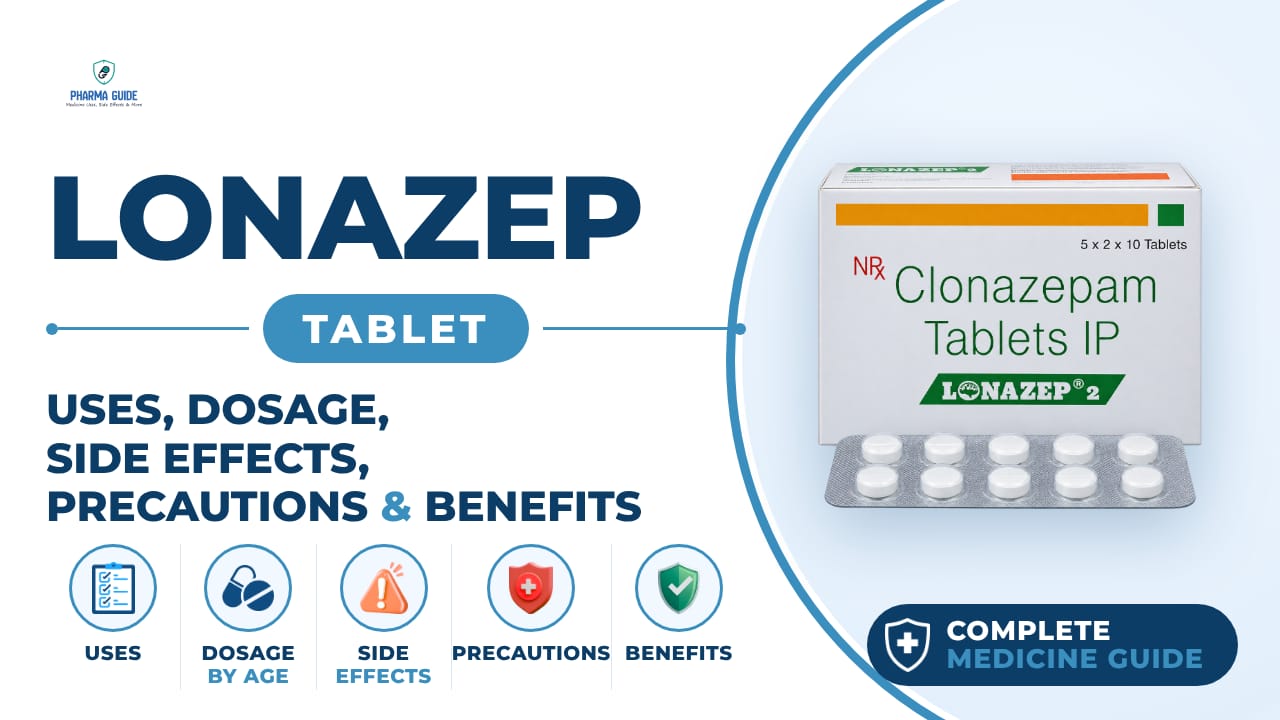
Lonazep Tablet: Uses, Dosage, Side Effects, Precautions and Alternates
Benzodiazepine
Lonazep Tablet contains clonazepam, used for anxiety, panic attacks, insomnia, and epilepsy. Learn about dosage, benefits, side effects, and precautions.
Benzodiazepines Capsule: Uses, Dosage, Side Effects, Precautions and Alternates
Benzodiazepine
Benzodiazepines Capsule (Diazepam) treats severe anxiety, muscle spasms, seizures, and alcohol withdrawal. Learn uses, dosage, side effects, and precautions.