
Safety
General information, not medical advice
Your prescriber and the leaflet in your pack know your situation. This page does not.
- Follow your prescriber and the leaflet
- Don't start, stop, or change a dose on your own
- Doses and warnings differ by country and product
Valium Tablet: Uses, Dosage, Side Effects, Precautions and Alternates
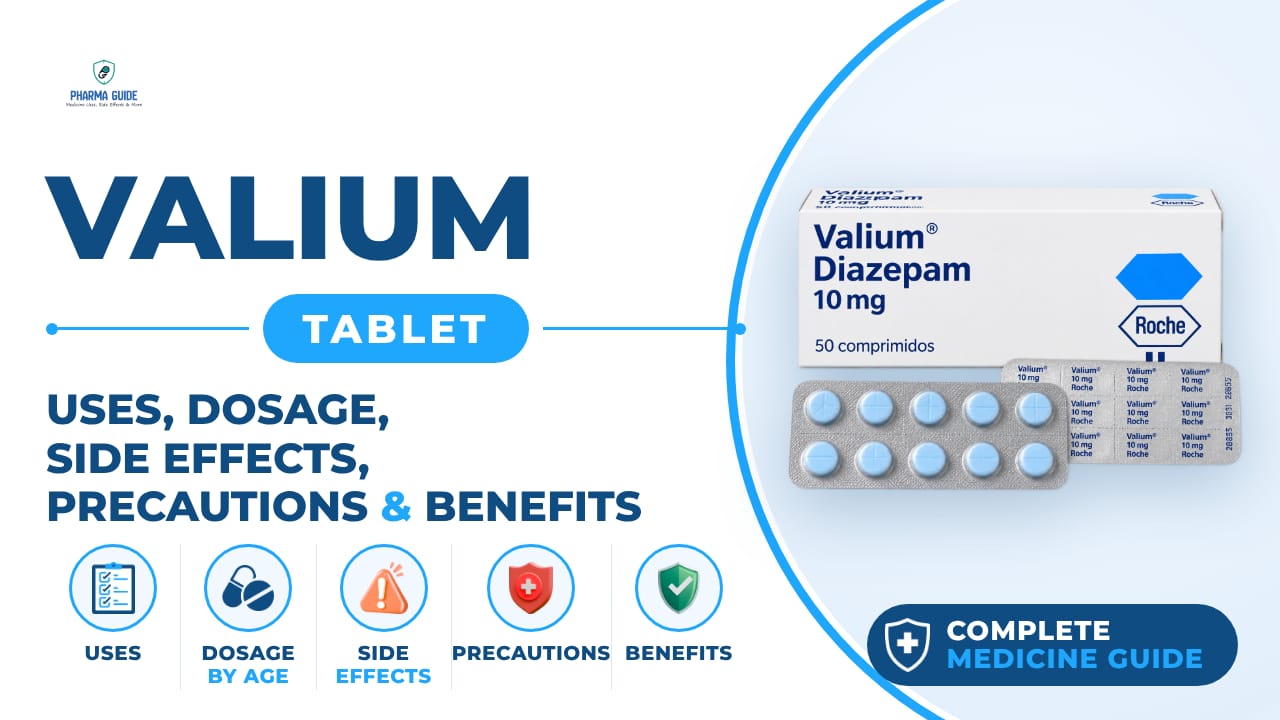
| Generic name | diazepam |
|---|---|
| Drug class | Benzodiazepine |
| Forms | Tablet, Oral solution (liquid), Concentrated oral solution, Injection |
Quick overview
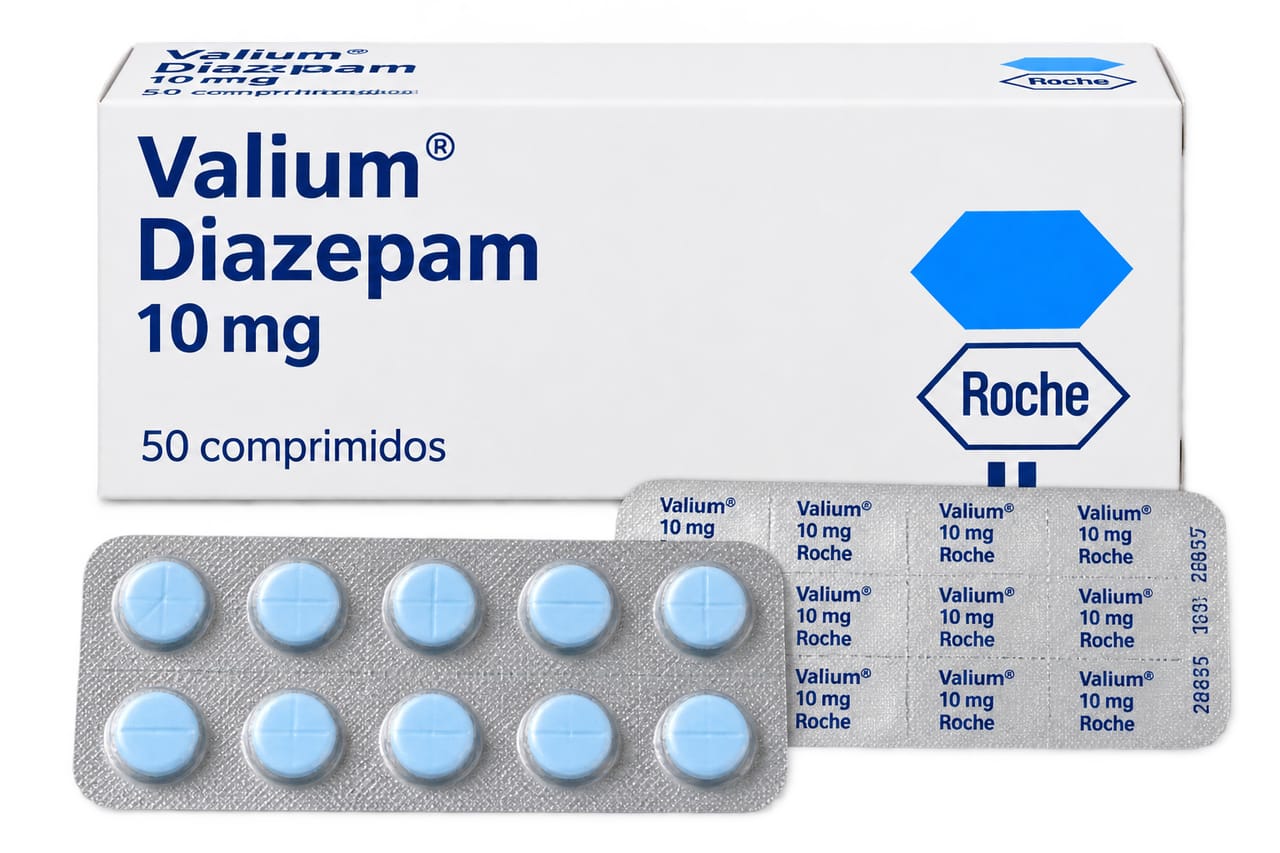
Valium Tablet contains the active ingredient diazepam, a benzodiazepine that helps calm down an overactive nervous system. It is used to treat anxiety, alcohol withdrawal symptoms, muscle spasms, and seizure disorders, and is sometimes given before medical procedures. It works by boosting a calming brain chemical called GABA, and it must be taken exactly as prescribed due to risks of dependence and withdrawal.
What is Valium Tablet
Valium is a medicine called a benzodiazepine. It contains the active ingredient diazepam and helps calm down an overactive nervous system. It comes as tablets taken by mouth.
Valium Tablet uses
- Treats anxiety disorders and short-term symptoms of anxiety
- Relieves symptoms of alcohol withdrawal such as agitation, tremor, and hallucinations
- Used along with other medicines to relieve muscle spasms and stiffness
- Used along with other medicines to treat seizure disorders
- Used before some medical procedures to calm anxiety
Benefits of Valium Tablet
- Helps reduce feelings of anxiety and tension
- Can calm acute agitation and tremors during alcohol withdrawal
- Helps relax tight or spasming muscles
- Can reduce the number of seizures when used with other seizure medicines
- Starts working within about 15 to 30 minutes for many people
How Valium Tablet works
Diazepam works by boosting the effect of a natural brain chemical called GABA, which calms down overactive activity in the brain and nervous system. This helps ease anxiety, relax muscles, and control seizures.
Valium Tablet dosage
Take by mouth exactly as directed on your prescription label. It can be taken with or without food; taking it with food may help if it upsets your stomach. Do not take it more often or in larger amounts than your doctor prescribes, and keep taking it unless your care team tells you to stop. Do not stop taking it or lower your dose suddenly without talking to your doctor first, since this can cause a serious reaction. If using a liquid form, measure the dose with a proper measuring device, not a kitchen spoon. Do not share this medicine with anyone else. People 65 years and older may need a smaller dose and may react more strongly to the medicine. Special care may be needed when giving this medicine to children; talk to your care team.
| Age group | Dose |
|---|---|
| Under 6 Months | Use only if prescribed by a doctor |
| 6 Months–12 Years | Dose determined by doctor based on weight and condition |
| 12–17 Years | Individualized dose as prescribed |
| Adults (18–64 Years) | 2–10 mg, 2–4 times daily depending on condition |
| Older Adults (65+ years) | 2–2.5 mg initially; dose adjusted based on response |
Available forms and strengths
- Tablet
- Oral solution (liquid)
- Concentrated oral solution
- Injection
Side effects of Valium Tablet
Common
- Drowsiness
- Dizziness
- Tiredness/fatigue
- Muscle weakness
- Problems with balance or coordination
- Headache
- Blurred vision
- Memory problems
Serious
- Slow or shallow breathing, trouble breathing
- Severe drowsiness or trouble staying awake, difficulty waking up
- Confusion, hallucinations, or paranoia
- Thoughts of suicide or self-harm, worsening depression or mood changes
- Allergic reaction: rash, itching, hives, swelling of face, lips, tongue, or throat
- New or worsening seizures
- Unusual muscle movements, agitation, or severe mood/behavior changes (can occur after stopping the medicine)
- Yellowing of eyes or skin
- Signs of infection such as fever, chills, or sore throat that doesn't go away
Warnings and precautions
- Tell your doctor if you are pregnant or planning to become pregnant.
- Diazepam may harm an unborn baby, and using it late in pregnancy can cause a newborn to be born sedated or with withdrawal symptoms like shaking, crying, or feeding problems.
- Breastfeeding is not recommended while taking this medicine, since it passes into breast milk and may cause sedation or feeding problems in a nursing baby.
- Tell your doctor if you have kidney disease, since the body may not clear this medicine as well, which can raise the risk of side effects.
- This medicine should not be used if you have severe liver disease. In people with milder liver problems, the medicine can stay in the body much longer, raising the risk of side effects.
- Do not drink alcohol while taking this medicine. Combining them can cause dangerous drowsiness, breathing problems, or even death.
- This medicine can affect your coordination, reaction time, and judgment. Do not drive or operate machinery until you know how it affects you.
- Taking this medicine with opioid painkillers, alcohol, or other drugs that slow the brain and breathing can cause extreme sleepiness, serious breathing problems, coma, or death.
- There is a real risk of abuse, misuse, and addiction with this medicine, which can lead to overdose or death, even when taken as prescribed.
- Do not stop taking this medicine suddenly or lower the dose on your own. Stopping abruptly after long-term use can cause serious, life-threatening withdrawal reactions, including seizures.
- Some withdrawal symptoms after stopping this medicine can last for weeks or more than a year.
- This medicine may worsen depression and cause thoughts of suicide, especially soon after starting treatment or after a dose change.
- This medicine should not be used by people with myasthenia gravis, severe breathing problems, severe liver disease, sleep apnea, or acute narrow-angle glaucoma.
Storage
- Store at room temperature between 20 and 25 degrees C (68 and 77 degrees F)
- Protect from light
- Keep the container tightly closed
- Keep out of the reach of children and pets; store it out of sight in a safe place
- Get rid of any unused medication after the expiration date
- Take unused or expired medicine to a take-back program if one is available
- If a take-back program isn't available, mix the medicine with something like cat litter or used coffee grounds, seal it in a bag, and put it in the household trash unless your care team tells you otherwise
- Do not flush this medication down the toilet unless specifically instructed to do so
When to see a doctor
- Get emergency help right away if you have slow or shallow breathing, trouble breathing, or you become very hard to wake up.
- Call your healthcare provider or go to the nearest hospital right away if you have delirium, paranoia, thoughts of suicide, seizures, or serious trouble breathing.
- Get medical help right away if you notice unusual movements, sudden severe mood changes, hallucinations, seizures, or thoughts of suicide after stopping this medicine.
- Seek medical care right away if you notice signs of a serious allergic reaction, such as rash, itching, swelling of the face, lips, tongue, or throat, or trouble breathing.
- If you think someone has taken too much of this medicine, get emergency help right away, especially if they pass out or have trouble breathing.
Alternatives
- Lorazepam
- Oxazepam
- Buspirone
Watch the video
FAQs
What is Valium Tablet used for?
Valium Tablet is used to treat anxiety disorders, relieve symptoms of alcohol withdrawal, help with muscle spasms and stiffness, treat seizure disorders alongside other medicines, and calm anxiety before some medical procedures.
How does Valium Tablet work?
Diazepam, the active ingredient in Valium, works by boosting the effect of a natural brain chemical called GABA, which calms overactive activity in the brain and nervous system, easing anxiety, relaxing muscles, and helping control seizures.
What is the dosage of Valium Tablet for adults?
For adults aged 18–64 years, the typical dose is 2–10 mg taken 2–4 times daily depending on the condition being treated. Older adults may need a smaller starting dose of 2–2.5 mg, adjusted based on response.
What are the common side effects of Valium Tablet?
Common side effects include drowsiness, dizziness, tiredness, muscle weakness, problems with balance or coordination, headache, blurred vision, and memory problems.
Can I drink alcohol while taking Valium Tablet?
No, you should not drink alcohol while taking Valium Tablet, as combining them can cause dangerous drowsiness, breathing problems, or even death.
General information, not medical advice
Your prescriber and the leaflet in your pack know your situation. This page does not.
- Follow your prescriber and the leaflet
- Don't start, stop, or change a dose on your own
- Doses and warnings differ by country and product
Sources
- Cleveland Clinic - Diazepam Tablets (my.clevelandclinic.org)
- Kaiser Permanente - Valium 10 mg tablet drug encyclopedia
- GoodRx - Diazepam (Valium)
- Drugs.com - Valium (diazepam)
- RxList - Valium
- DailyMed - VALIUM (diazepam tablet) label, Roche Laboratories Inc.
Video
Related medicines
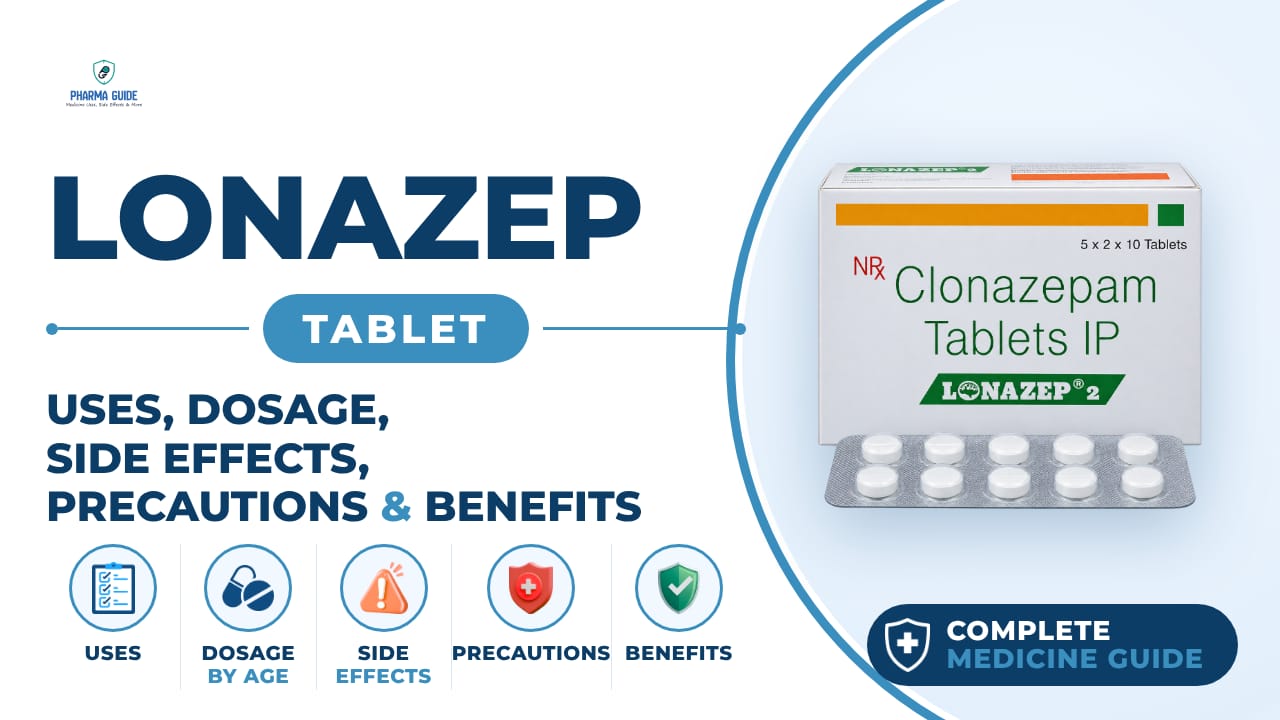
Lonazep Tablet: Uses, Dosage, Side Effects, Precautions and Alternates
Benzodiazepine
Lonazep Tablet contains clonazepam, used for anxiety, panic attacks, insomnia, and epilepsy. Learn about dosage, benefits, side effects, and precautions.
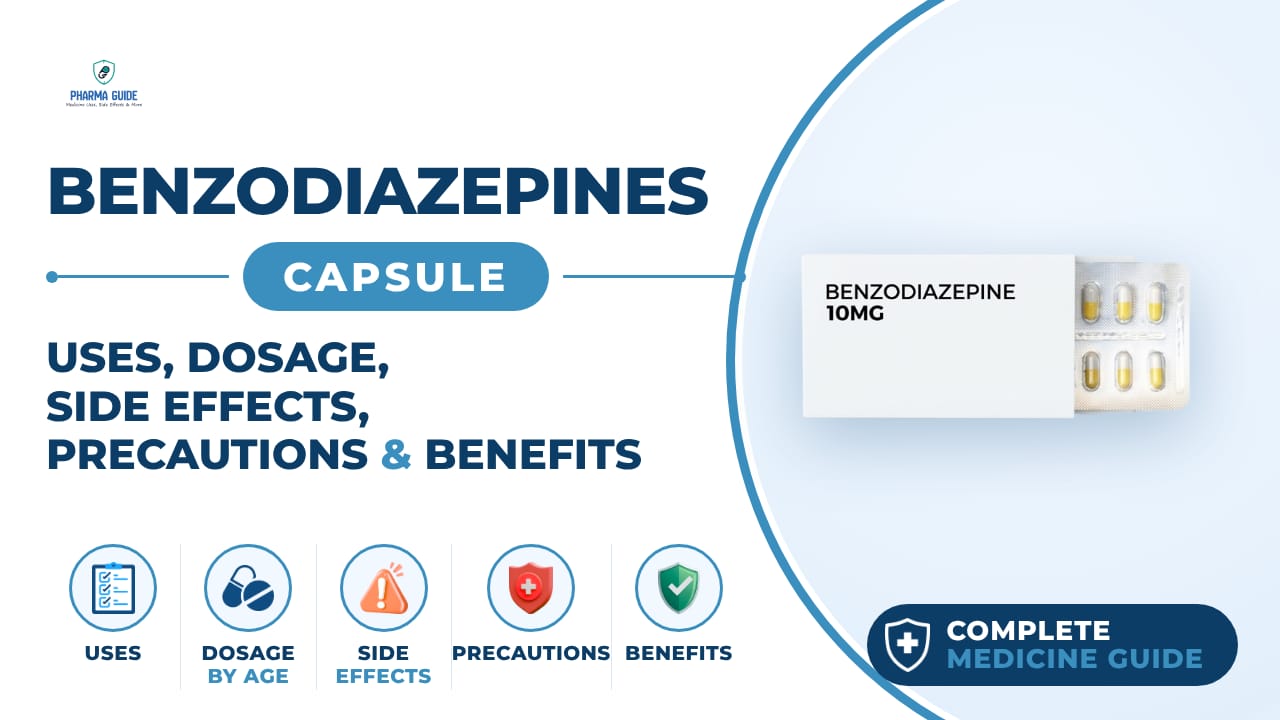
Benzodiazepines Capsule: Uses, Dosage, Side Effects, Precautions and Alternates
Benzodiazepine
Benzodiazepines Capsule (Diazepam) treats severe anxiety, muscle spasms, seizures, and alcohol withdrawal. Learn uses, dosage, side effects, and precautions.