Visine Eye Drops: Uses, Dosage, Side Effects, Precautions and Alternates
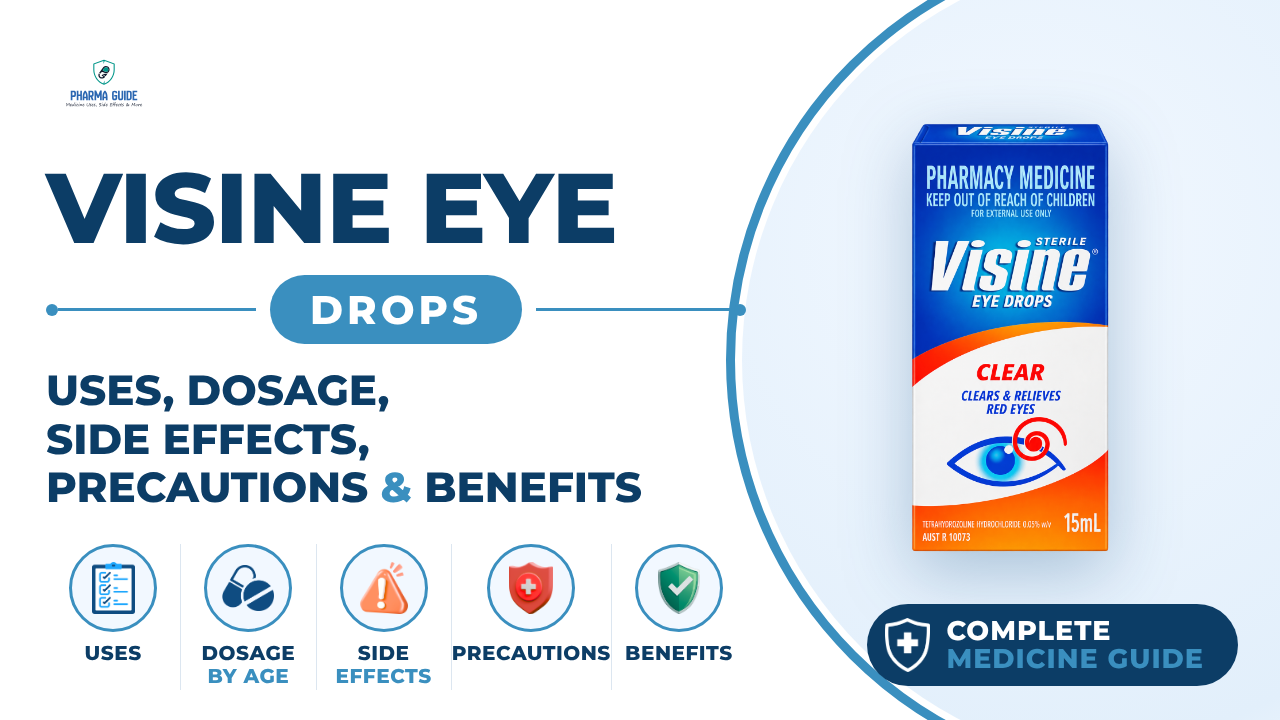
| Generic name | Tetrahydrozoline ophthalmic |
|---|---|
| Drug class | Ophthalmic antihistamines and decongestants |
| Forms | Eye drop solution |
Quick overview
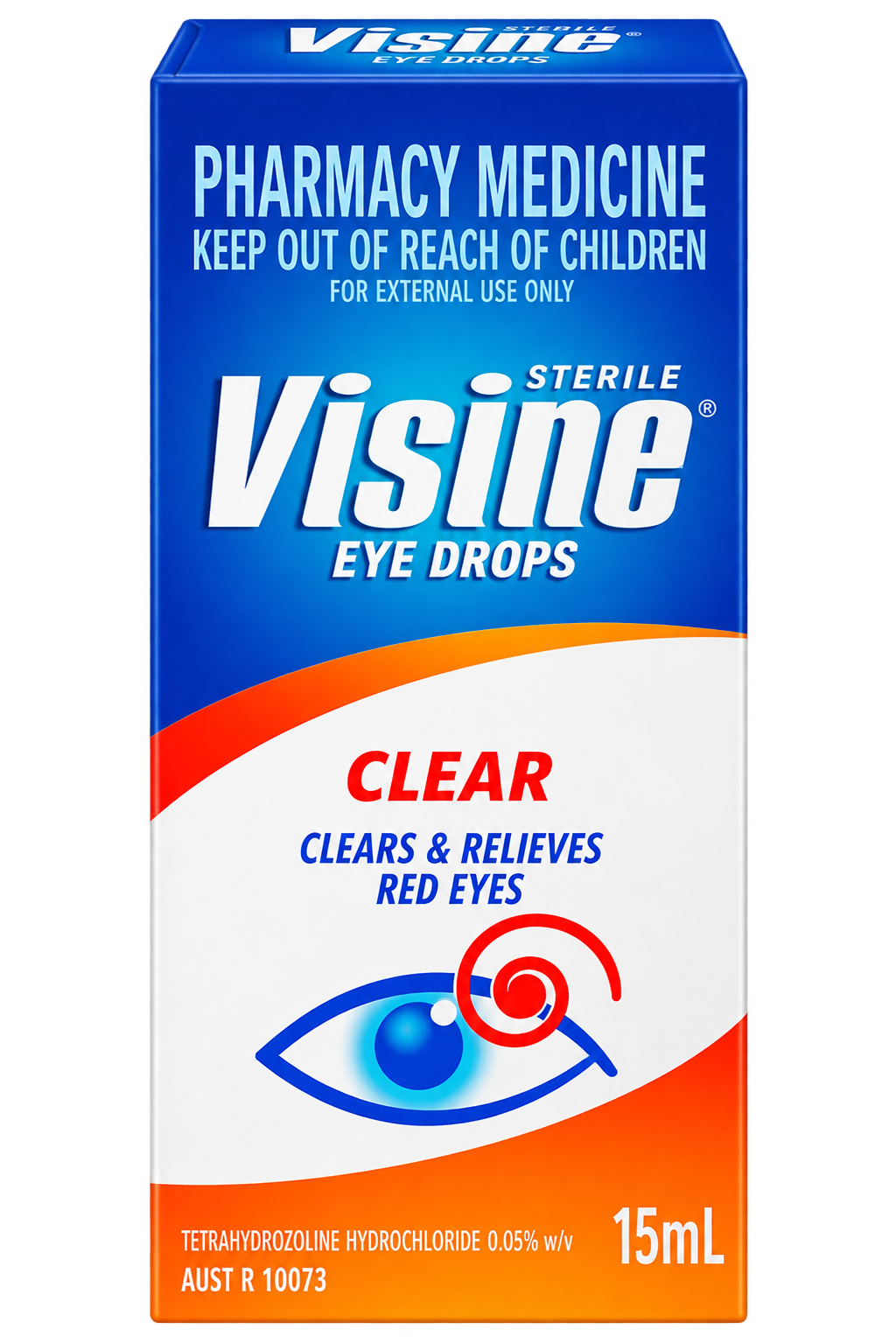
Visine Eye Drops contain tetrahydrozoline, an ophthalmic antihistamine and decongestant that narrows swollen blood vessels in the eye to reduce redness. Some Visine products also include lubricants, such as polyethylene glycol 400, for dryness, or zinc sulfate as an astringent. The drops are used for temporary relief of minor eye redness, irritation, and dryness. They are available as an over-the-counter eye drop solution.
What is Visine Eye Drops
Visine is an over-the-counter eye drop brand. Its main ingredient, tetrahydrozoline, is a vasoconstrictor that narrows swollen blood vessels in the eyes to reduce redness. Some Visine products also contain lubricants, like polyethylene glycol 400, to relieve dryness, or zinc sulfate, which acts as an astringent.
Visine Eye Drops uses
- Temporary relief of minor eye redness, swelling, or draining caused by minor irritants
- Temporary relief of burning, irritation, and discomfort due to dryness of the eye or exposure to wind or sun
- Protection against further irritation
- Relief of itchy, watery, red, dry, or tired eyes depending on the specific product
Benefits of Visine Eye Drops
- Reduces minor eye redness caused by irritants
- Relieves burning and irritation from dryness, wind, or sun exposure
- Provides moisture and comfort for dry, tired eyes
- Some formulas provide up to 10 hours of comfort
How Visine Eye Drops works
Tetrahydrozoline is a vasoconstrictor. It narrows the swollen blood vessels on the surface of the eye, which reduces redness and swelling.
Visine Eye Drops dosage
Use exactly as directed on the label, or as prescribed by your doctor. Do not use in larger or smaller amounts or for longer than recommended, since using the medication too long or too often may worsen your symptoms and cause damage to the blood vessels in your eyes.
Wash your hands before using the eye drops. Tilt your head back slightly and pull down your lower eyelid to create a small pocket, hold the dropper above the eye with the tip down, look up and away from the dropper, and squeeze out a drop. Close your eye and gently press your finger to the inside corner of the eye for about 1 minute, to keep the liquid from draining into your tear duct. Use only the number of drops recommended.
Do not touch the tip of the eye dropper or place it directly on your eye, since a contaminated dropper can infect your eye. Do not use the eye drops if the liquid has changed colors or has particles in it. If using other eye drops together, separate the application of the different drops by about 5 minutes; if using an eye ointment too, use the eye drops before the ointment.
Children under 6 years of age should only use this medicine after consulting a doctor. Remove contact lenses before using this medicine, and wait at least 15 minutes after using it before putting contact lenses back in.
| Age group | Dose |
|---|---|
| Under 6 years | Not recommended |
| 6–60 years | 1–2 drops, once/day |
| 60+ years | 1–2 drops, once/day |
Available forms and strengths
Visine Eye Drops are available as an eye drop solution.
Side effects of Visine Eye Drops
Common
- Mild burning or stinging of the eye
- Blurred vision, watery eyes
- Dilated pupils
- Headache
- Sensitivity to light
Serious
- Ongoing or worsening eye redness
- Eye pain
- Changes in your vision
- Chest pain, fast or uneven heart rate
- Severe headache, buzzing in your ears, anxiety, confusion, or feeling short of breath
Warnings and precautions
- Ask a doctor or pharmacist if it is safe to use this medicine if you have glaucoma, heart disease, high blood pressure, diabetes, a thyroid disorder, or an eye injury or infection.
- Using this medicine too long or too often may worsen your symptoms and damage the blood vessels in your eyes.
- Do not use this medication while wearing contact lenses. It may contain a preservative that can discolor soft contact lenses. Remove contact lenses before use and wait at least 15 minutes after using this medicine before putting in your contact lenses.
- Using eye redness drops too often can cause rebound redness, where your eyes become more red and irritated once the medicine wears off.
- Frequent or long-term use can make the medicine less effective over time, even if you use more of it. Avoid using more than the recommended dose or using it for a prolonged period.
- Keep this medicine out of the reach of children, since certain eye medications can cause serious medical problems in a young child who accidentally sucks on or swallows medicine from the eye dropper.
- It is not known whether Visine will harm an unborn baby. Tell your doctor if you are pregnant or plan to become pregnant while using this medication.
- It is not known whether tetrahydrozoline ophthalmic passes into breast milk or if it could harm a nursing baby. Tell your doctor if you are breast-feeding a baby.
- It is not known if drinking alcohol will affect this medicine.
- If redness lasts longer than 72 hours, or if eye pain or vision changes occur, medical evaluation is necessary.
Storage
- Store at room temperature away from moisture and heat
- Do not freeze
- Keep the bottle tightly closed when not in use
- Get rid of any unused medication after the expiration date
When to see a doctor
- Get emergency medical help if you have signs of an allergic reaction, such as hives, difficulty breathing, or swelling of your face, lips, tongue, or throat.
- Stop using this medicine and call your doctor right away if you have ongoing or worsening eye redness, eye pain, or vision changes.
- Stop using this medicine and consult your care team if your eye condition lasts longer than 72 hours.
- Call your doctor right away if you notice chest pain, a fast or uneven heart rate, severe headache, buzzing in your ears, anxiety, confusion, or feeling short of breath.
- Seek emergency medical attention if anyone has accidentally swallowed the medication, since an overdose is not expected to be dangerous but should still be checked.
- Tell your health care provider right away if you think you have an eye infection, with symptoms like pink or itchy eyes, blurry vision or irritation, eye discharge, swollen eyelids, and fever.
Alternatives
- Systane Eye Drops
- Rohto Eye Drops
- Clear Eyes Eye Drops
FAQs
What is Visine Eye Drops used for?
Visine is used for temporary relief of minor eye redness, swelling, burning, irritation, and discomfort caused by dryness, wind, or sun exposure.
How does Visine Eye Drops work?
Its main ingredient, tetrahydrozoline, is a vasoconstrictor that narrows swollen blood vessels on the surface of the eye, reducing redness and swelling.
What is the dosage for Visine Eye Drops?
For ages 6 to 60 and above, the typical dose is 1-2 drops once a day. It is not recommended for children under 6 without consulting a doctor.
Can I wear contact lenses while using Visine Eye Drops?
No, you should remove contact lenses before using Visine and wait at least 15 minutes after using it before putting your contacts back in.
What are the side effects of Visine Eye Drops?
Common side effects include mild burning or stinging, blurred vision, watery eyes, dilated pupils, headache, and sensitivity to light.
Sources
Video