Voltaren Gel: Uses, Dosage, Side Effects, Precautions and Alternates
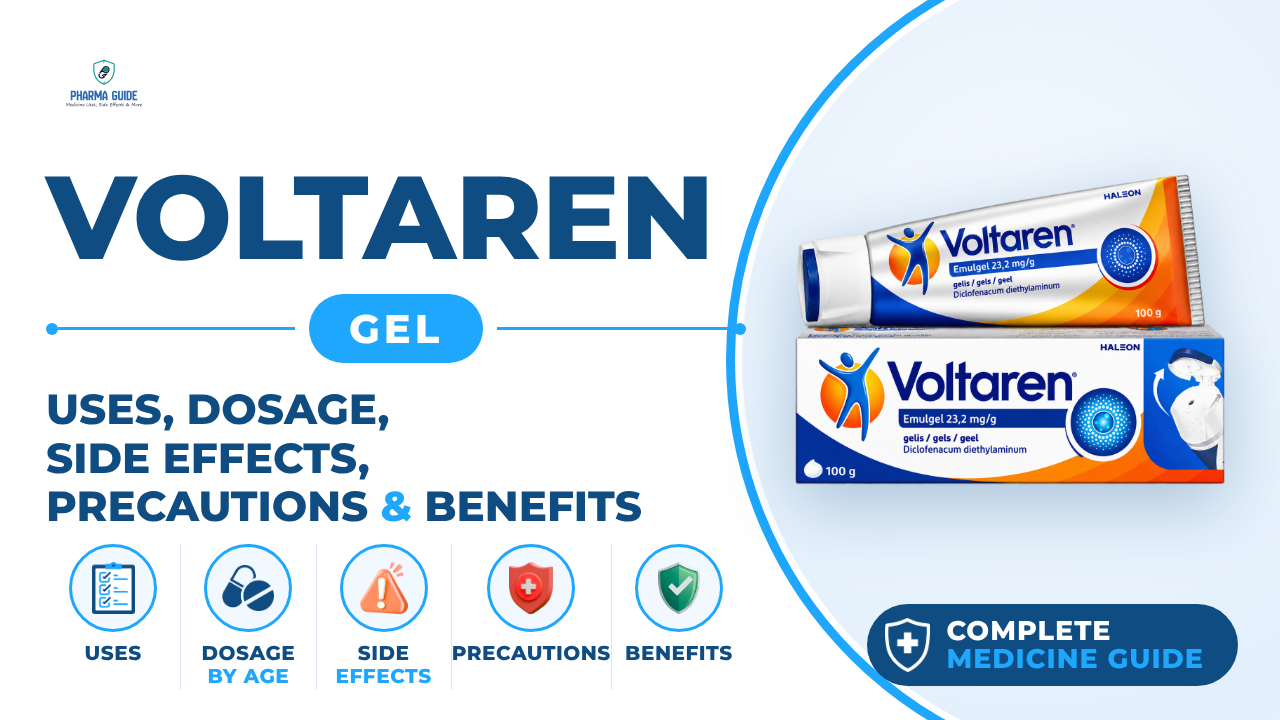
| Generic name | diclofenac topical |
|---|---|
| Drug class | Topical non-steroidal anti-inflammatories (NSAIDs) |
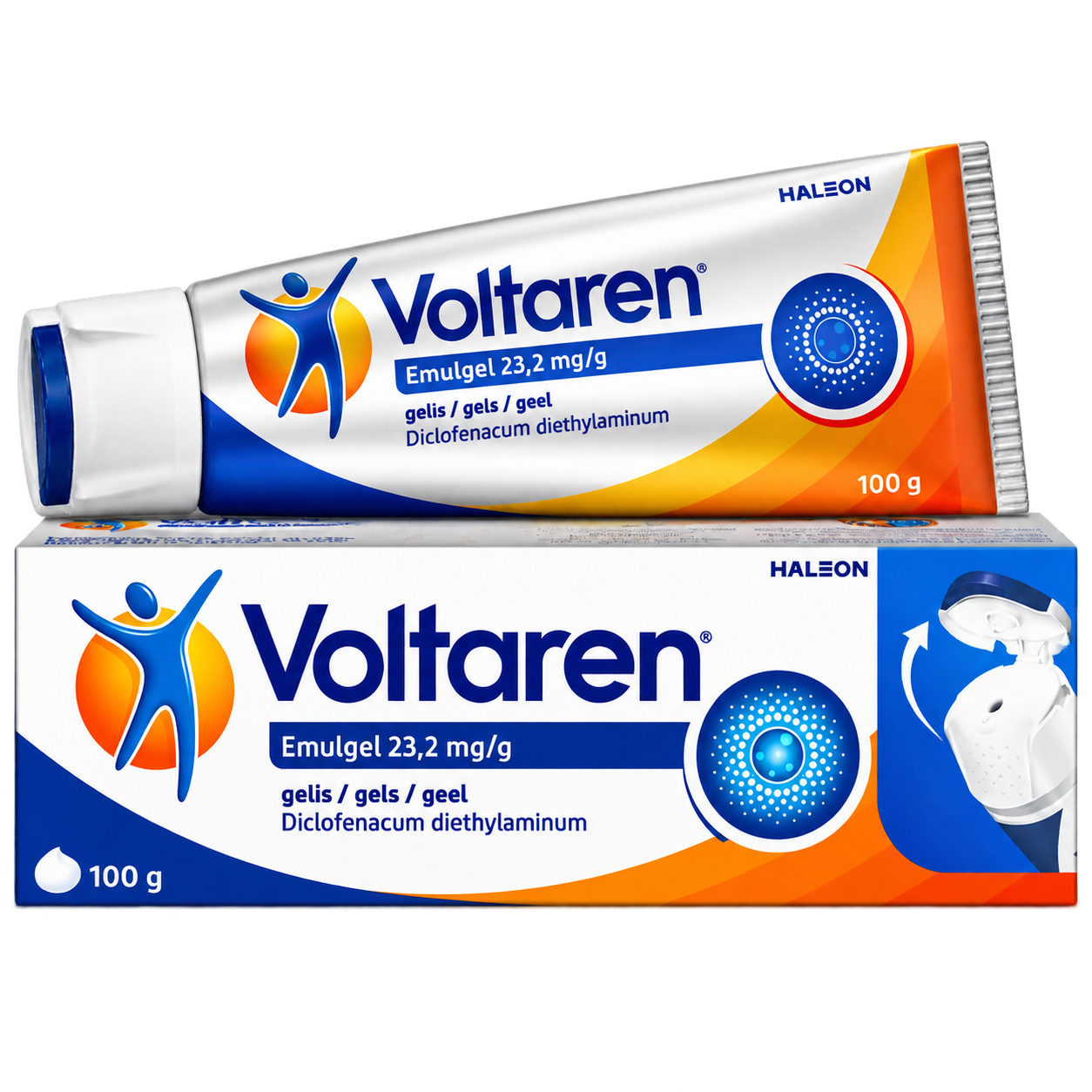
| Forms | Topical gel (1%), Emulgel (cream-like gel in tubes and pressurized containers) |
Quick overview
Voltaren Gel contains diclofenac, a nonsteroidal anti-inflammatory drug (NSAID), applied to the skin to relieve joint pain and reduce inflammation. It is used for osteoarthritis pain, muscle and joint injuries, tendonitis, and mild arthritis of the knee or fingers. The gel is for external use only and works by reducing substances in the body that cause pain and inflammation. It comes with specific usage instructions and important safety warnings.
What is Voltaren Gel
Voltaren gel contains diclofenac, a nonsteroidal anti-inflammatory drug (NSAID). It is a gel you rub into the skin to relieve joint pain and reduce inflammation.
Voltaren Gel uses
- Treats joint pain caused by osteoarthritis in the hands, wrists, elbows, knees, ankles, or feet
- Relieves pain and reduces inflammation and swelling in painful conditions of the joints and muscles
- Muscle and joint injuries such as sprains, strains, bruises, backache, and sports injuries
- Tendonitis, such as tennis elbow
- Mild arthritis of the knee or fingers
Benefits of Voltaren Gel
- Helps reduce joint pain and inflammation
- Applied directly to the painful area on the skin
- Relieves joint and muscle pain
- Reduces pain and inflammation
- Helps relieve arthritis pain
- Reduces swelling and tenderness
- Helps with sprains and strains
- Relieves back and neck pain
- Helps reduce pain from overuse or minor injuries
- Provides localized pain relief directly where applied
How Voltaren Gel works
Diclofenac works by reducing substances in the body that cause pain and inflammation.
Voltaren Gel dosage
- Use exactly as prescribed by your doctor or as instructed on the packaging. Do not use more than recommended, and use the lowest effective amount.
- This medicine is for external use only.
- Do not take by mouth, and do not swallow it.
- Wash your hands before and after applying the gel, unless you are treating the skin on your hands.
- Wait at least 10 minutes before dressing or wearing gloves, and wait at least 1 hour before you bathe or shower.
- Do not apply to an open skin wound, or on areas of infection, rash, burn, or peeling skin.
- Do not cover treated skin with a bandage or expose it to heat from a hot tub, heating pad, or sauna, as heat or bandaging can increase how much diclofenac is absorbed.
- Gently rub a small amount of gel into the skin where you have pain or swelling; you may notice a slight cooling effect.
- Avoid getting the gel near your eyes, nose, or mouth; if this happens, rinse with water.
- For adults and adolescents over 12 years of age, apply to the painful area a few times a day.
- Talk to your care team about using this medication in children, as special care may be needed.
- Do not use for more than 2 weeks for muscle and joint injuries or tendonitis, or 3 weeks for arthritis pain, unless a doctor recommends longer treatment.
- See a doctor if your symptoms worsen or do not improve after 7 days.
| Age group | Dose |
|---|---|
| Under 18 years | Not recommended unless specifically directed by a healthcare professional |
| 18–64 years | Apply 2 grams to the affected hand, wrist, elbow, foot, ankle, or knee 4 times daily. Do not exceed 8 grams per day per joint or 32 grams per day total |
| 65+ years | Same labeled dose, but medical advice is recommended, particularly with long-term use |
Available forms and strengths
- Topical gel (1%)
- Emulgel (cream-like gel in tubes and pressurized containers)
Side effects of Voltaren Gel
Common
- Heartburn, gas, stomach pain, nausea, vomiting
- Diarrhea, constipation
- Headache, dizziness, drowsiness
- Stuffy nose
- Itching, increased sweating
- Increased blood pressure
- Skin redness, itching, dryness, scaling, or peeling where the medicine was applied
- Skin rash, itching, reddening or smarting of the skin
Serious
- Signs of an allergic reaction (hives, sneezing, runny or stuffy nose, wheezing or trouble breathing, swelling in your face or throat)
- Severe skin reaction (fever, sore throat, burning eyes, skin pain, red or purple skin rash with blistering and peeling)
- Signs of a heart attack or stroke (chest pain spreading to your jaw or shoulder, sudden numbness or weakness on one side of the body, slurred speech, feeling short of breath)
- Swelling, rapid weight gain
- Severe headache, blurred vision, pounding in your neck or ears
- Little or no urination
- Liver problems (nausea, diarrhea, upper right stomach pain, tiredness, itching, dark urine, clay-colored stools, jaundice)
- Low red blood cells (anemia) - pale skin, unusual tiredness, feeling light-headed or short of breath, cold hands and feet
- Signs of stomach bleeding (bloody or tarry stools, coughing up blood or vomit that looks like coffee grounds)
- Heart failure (shortness of breath, swelling of the ankles, feet, or hands, sudden weight gain, unusual weakness)
Warnings and precautions
- If you are pregnant, you should not use this medicine unless your doctor tells you to.
- Using an NSAID during the last 20 weeks of pregnancy can cause serious heart or kidney problems in the unborn baby and possible complications with your pregnancy.
- It should not be used in the last 3 months of pregnancy.
- It may not be safe to breastfeed while using this medicine because diclofenac passes into breast milk.
- Ask your doctor about any risk. Do not apply the gel on the breasts while nursing.
- Tell your doctor or pharmacist if you have kidney disease before using this medicine.
- Tell your doctor or pharmacist if you have liver disease before using this medicine.
- Avoid drinking alcohol, as it may increase your risk of stomach bleeding.
- Do not use this medicine if you have ever had asthma or a severe allergic reaction caused by aspirin, diclofenac, or another NSAID.
- Diclofenac can increase your risk of a fatal heart attack or stroke, especially with long-term use, high doses, or if you have heart disease.
- Do not use just before or after heart bypass surgery (CABG).
- Diclofenac may cause stomach or intestinal bleeding, which can be fatal and can occur without warning, especially in older adults.
- Do not take aspirin or other NSAIDs while using this medicine, as side effects such as upset stomach, nausea, and ulcers may be more likely.
- Be cautious when smoking or near naked flames, as the gel contains paraffin which is potentially flammable when it builds up on fabric such as clothing, bedding, or dressings.
Storage
- Store at room temperature away from moisture and heat. Do not freeze.
- Store at or below 25 °C. Protect pressurized containers from direct sunlight and do not pierce or burn them, even when empty.
- Do not use after the expiry date shown on the carton and tube or pump dispenser.
- Return all unused medicine to your pharmacist.
- Do not dispose of unused medicine in drains or sewerage systems (e.g. toilets).
- Keep out of the reach of children and pets.
- Take the medication to a medication take-back program to dispose of it safely.
When to see a doctor
Get emergency medical help if you have signs of an allergic reaction such as hives, wheezing or trouble breathing, or swelling in your face or throat, or a severe skin reaction with blistering and peeling.
Stop using this medicine and seek emergency medical attention if you have signs of a heart attack or stroke, such as chest pain spreading to your jaw or shoulder, sudden numbness or weakness on one side of the body, slurred speech, or feeling short of breath.
Stop using this medicine and seek treatment if you have a serious drug reaction with symptoms such as skin rash, fever, swollen glands, muscle aches, severe weakness, unusual bruising, or yellowing of the skin or eyes.
If you think you have used too much, contact your local poison control center or emergency room at once.
Seek medical advice immediately if you accidentally swallow the gel.
Alternatives
- Ibuprofen Gel
- Ketoprofen Gel
- Piroxicam Gel
- Indomethacin Gel
- Naproxen Gel
FAQs
What is Voltaren Gel used for?
It treats joint pain from osteoarthritis in the hands, wrists, elbows, knees, ankles, or feet, and relieves pain from muscle and joint injuries like sprains, strains, bruises, backache, sports injuries, tendonitis such as tennis elbow, and mild arthritis of the knee or fingers.
How do you use Voltaren Gel?
Gently rub a small amount into the painful area a few times a day for adults and adolescents over 12. Wash your hands before and after applying (unless treating your hands), wait at least 10 minutes before dressing or wearing gloves, and wait at least 1 hour before bathing or showering. It is for external use only and should not be swallowed.
What is the recommended dose for adults?
Adults aged 18-64 apply 2 grams to the affected hand, wrist, elbow, foot, ankle, or knee 4 times daily, not exceeding 8 grams per day per joint or 32 grams per day total.
How long can I use Voltaren Gel?
Do not use for more than 2 weeks for muscle and joint injuries or tendonitis, or 3 weeks for arthritis pain, unless a doctor recommends longer treatment. See a doctor if symptoms worsen or do not improve after 7 days.
What are the serious side effects of Voltaren Gel?
Serious side effects include allergic reactions, severe skin reactions, signs of heart attack or stroke, liver problems, stomach bleeding, low red blood cells, heart failure, swelling, and little or no urination. Seek emergency help if these occur.
Sources
Video