Voltaren Tablet: Uses, Dosage, Side Effects, Precautions and Alternates
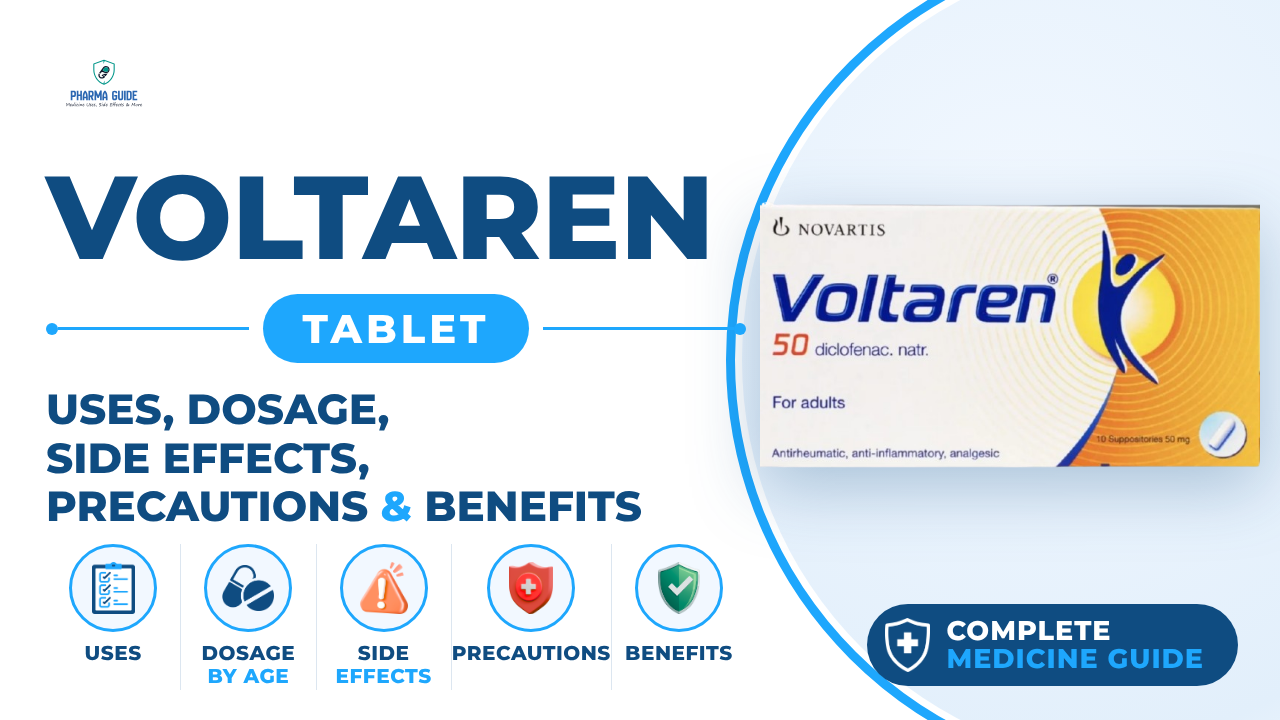
| Generic name | Diclofenac sodium |
|---|---|
| Drug class | Nonsteroidal anti-inflammatory drug (NSAID) |
| Forms | Oral tablets (including slow-release SR 75 mg and Retard 100 mg tablets), Enteric-coated (delayed-release) tablets, Extended-release tablets, Ophthalmic eyedrops, Gel |
Quick overview
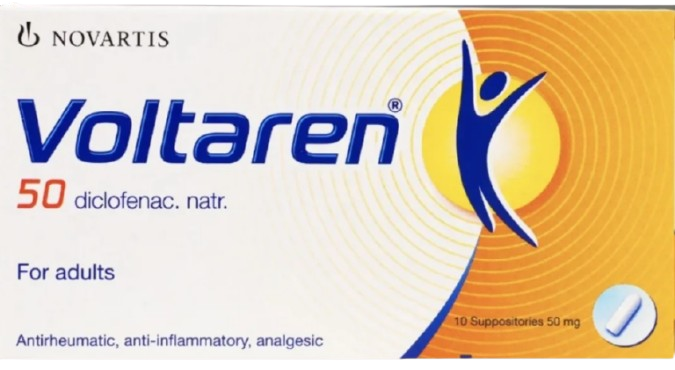
Voltaren Tablet contains diclofenac sodium, a nonsteroidal anti-inflammatory drug (NSAID). It is used to treat mild to moderate pain and the signs and symptoms of certain joint, muscle, and tendon conditions. Some Voltaren tablets are specially formulated to release the medicine slowly. It works by blocking substances in the body that cause inflammation, pain, and fever.
What is Voltaren Tablet
Voltaren is a nonsteroidal anti-inflammatory drug (NSAID). The oral tablets are used to treat mild to moderate pain and the signs and symptoms of certain joint, muscle, and tendon conditions. Some Voltaren tablets are specially formulated to release the medicine slowly.
Voltaren Tablet uses
- Mild to moderate pain
- Osteoarthritis
- Rheumatoid arthritis
- Ankylosing spondylitis
- Acute gout and other types of rheumatism
- Backache, frozen shoulder, soft tissue sports injuries, sprains and strains, dislocations and fractures
- Tendonitis, tenosynovitis, bursitis
- Pain and inflammation from dental and minor surgery
- Painful inflammatory conditions in gynaecology, including menstrual periods
Benefits of Voltaren Tablet
- Relieves pain
- Reduces swelling and inflammation
- Reduces fever
- Eases inflammation in conditions affecting the joints, muscles and tendons
How Voltaren Tablet works
Voltaren reduces pain and inflammation by blocking the substances in the body (called prostaglandins) that cause inflammation, pain and fever. It does not treat the cause of the inflammation or fever.
Voltaren Tablet dosage
Take Voltaren exactly as prescribed by your doctor and follow the directions on your prescription label. Use the lowest dose that is effective in treating your condition, for the shortest time possible. Swallow the tablets whole with a glass of water or other liquid. Do not crush, chew, or break them, as this affects the slow-release system. It is recommended to take the tablets during meals. Where symptoms are most pronounced during the night or in the morning, the slow-release tablets should preferably be taken in the evening. Different brands of diclofenac contain different amounts and may have different uses; if you switch brands, your dose needs may change. If you use Voltaren long-term, you may need frequent medical tests.
| Age group | Dose |
|---|---|
| Under 14 years | Not recommended |
| 14–17 years | 1 tablet (50 mg) 2–3 times daily |
| 18 years and older | 1 tablet (50 mg) 2–3 times daily |
Available forms and strengths
- Oral tablets (including slow-release SR 75 mg and Retard 100 mg tablets)
- Enteric-coated (delayed-release) tablets
- Extended-release tablets
- Ophthalmic eyedrops
- Gel
Side effects of Voltaren Tablet
Common
- Indigestion, gas, nausea, vomiting, stomach pain
- Diarrhea, constipation
- Headache, dizziness, drowsiness, vertigo
- Abnormal liver function test results
- Itching, sweating
- Stuffy nose
- Increased blood pressure
- Swelling or pain in the arms or legs
- Loss of appetite
- Skin rash
Serious
- Signs of a heart attack, such as sudden and oppressive chest pain
- Signs of heart failure, such as breathlessness, difficulty breathing when lying down, swelling of the feet or legs
- Signs of a stroke, such as sudden severe headache, numbness, difficulty speaking, weakness or paralysis of limbs or face
- Signs of stomach bleeding, such as bloody or tarry stools, coughing up blood, or vomit that looks like coffee grounds
- Kidney problems, such as little or no urinating, swelling, feeling tired or short of breath
- Liver problems, such as nausea, stomach pain in the upper right side, tiredness, itching, dark urine, or yellowing of the skin or eyes (jaundice)
- Serious allergic reactions, such as hives, difficult breathing, swelling of the face or throat (angioedema)
- Severe skin reactions with fever, blistering and peeling (such as Stevens-Johnson syndrome or toxic epidermal necrolysis)
- Chest pain that can be a sign of Kounis syndrome
- Spontaneous bleeding or bruising (thrombocytopenia)
- High fever, frequent infections, persistent sore throat (agranulocytosis)
- Seizures
- Stiff neck, fever, nausea, vomiting, headache (signs of aseptic meningitis)
- Severe upper stomach pain (signs of pancreatitis)
- Blood in urine, excess protein in urine, swelling, or abnormal urination (kidney problems)
Warnings and precautions
Voltaren can increase your risk of a fatal heart attack or stroke, even if you have no risk factors. The risk is higher with high doses taken for a long time. Do not use it just before or after heart bypass surgery (CABG).
Voltaren may cause stomach or intestinal bleeding, which can be fatal. This can happen without warning at any time, especially in older adults.
Do not use Voltaren if you are allergic to diclofenac, or if you have ever had an asthma attack or severe allergic reaction after taking aspirin or an NSAID.
Voltaren 75 mg and 100 mg tablets must not be given to children and adolescents under 18 years of age.
Take the lowest dose for the shortest possible time, particularly if you are underweight or elderly, to keep your risk of side effects as small as possible.
Because Voltaren is an anti-inflammatory medicine, it may hide symptoms of infection such as headache and high temperature. Tell your doctor you are taking it if you feel unwell.
If you are pregnant you should not take Voltaren unless your doctor tells you to. Do not take it during the last 3 months of pregnancy. Taking an NSAID during the last 20 weeks of pregnancy can cause serious heart or kidney problems in the unborn baby and possible pregnancy complications. Talk to your doctor before use.
It may not be safe to breastfeed while using this medicine. Because the drug can pass into breast milk in small amounts, it is advisable not to take it during breastfeeding. Ask your doctor about any risk.
Tell your doctor if you have kidney disease. Do not take Voltaren if you have kidney failure. If you have kidney impairment you will have blood tests during treatment, and your doctor may change or stop your treatment.
Tell your doctor if you have liver disease. Do not take Voltaren if you have liver failure. Patients with liver disease may require reduced doses, and blood tests will monitor your liver function during treatment.
Avoid drinking alcohol while taking Voltaren, as it may increase your risk of stomach bleeding.
Storage
- Store at room temperature away from moisture and heat.
- Keep the bottle tightly closed when not in use.
- Voltaren SR Tablets: protect from heat (store below 30°C) and moisture.
- There are no special storage instructions for Voltaren Retard Tablets.
- Keep this medicine out of the reach and sight of children.
- Do not use after the expiry date printed on the pack.
- If your doctor tells you to stop taking the tablets, take any unused tablets back to your pharmacist to be destroyed. Do not throw them away with household water or waste.
When to see a doctor
- Get emergency medical help if you have signs of an allergic reaction (hives, difficult breathing, swelling of the face or throat) or a severe skin reaction (fever, sore throat, burning eyes, skin pain, red or purple rash with blistering and peeling).
- Get emergency medical help if you have signs of a heart attack or stroke: chest pain spreading to your jaw or shoulder, sudden numbness or weakness on one side of the body, slurred speech, or feeling short of breath.
- Stop using Voltaren and tell your doctor straight away if you notice mild cramping and abdominal tenderness followed by rectal bleeding or bloody diarrhoea, chest pain, or a serious allergic skin reaction with widespread patches, swelling, blisters and itching.
- If you take too much, tell your doctor or your nearest hospital casualty department, or contact your local poison control center. Take your medicine pack with you.
- If at any time while taking Voltaren you have signs of heart or blood vessel problems such as chest pain, shortness of breath, weakness, or slurred speech, contact your doctor immediately.
Alternatives
Cataflam, Cambia, Voltaren-XR, Zipsor, Arthrotec, Flector, Pennsaid, Solaraze.
FAQs
What is Voltaren Tablet used for?
Voltaren Tablet is used to treat mild to moderate pain and the signs and symptoms of certain joint, muscle, and tendon conditions, including osteoarthritis, rheumatoid arthritis, ankylosing spondylitis, gout, backache, sprains, and tendonitis.
How should Voltaren Tablet be taken?
Voltaren should be taken exactly as prescribed, swallowed whole with water during meals, without crushing or chewing, as this affects the slow-release system. If symptoms are worse at night or morning, slow-release tablets should be taken in the evening.
What is the dosage of Voltaren Tablet for adults?
For adults 18 years and older, the dose is 1 tablet (50 mg) taken 2–3 times daily.
What are the serious side effects of Voltaren Tablet?
Serious side effects include signs of heart attack, heart failure, stroke, stomach bleeding, kidney or liver problems, serious allergic reactions, severe skin reactions, and spontaneous bleeding or bruising.
Is Voltaren Tablet safe during pregnancy?
Voltaren should not be taken during pregnancy unless directed by a doctor, and must not be taken during the last 3 months of pregnancy, as it can cause serious heart or kidney problems in the unborn baby.
Sources
- https://www.drugs.com/voltaren.html
- Package leaflet: Information for the patient VOLTAREN SR 75 and VOLTAREN Retard 100 (diclofenac sodium)
- https://www.accessdata.fda.gov/drugsatfda_docs/label/2009/019201s038lbl.pdf
Video