
Safety
General information, not medical advice
Your prescriber and the leaflet in your pack know your situation. This page does not.
- Follow your prescriber and the leaflet
- Don't start, stop, or change a dose on your own
- Doses and warnings differ by country and product
Xeomin Injection: Uses, Dosage, Side Effects, Precautions and Alternates

| Generic name | incobotulinumtoxinA |
|---|---|
| Drug class | Skeletal muscle relaxant |
| Forms | Powder for injection (50 Units, 100 Units, 200 Units) |
Quick overview
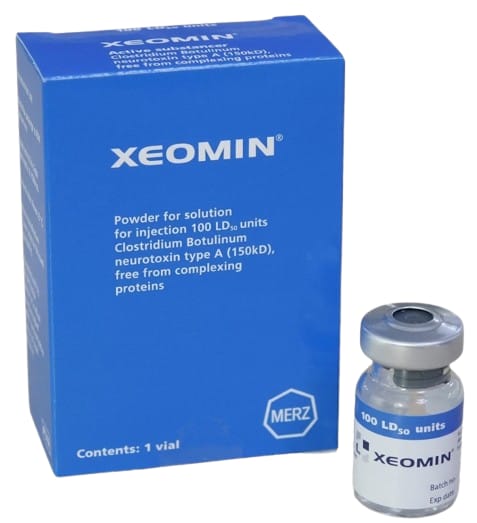
Xeomin Injection (incobotulinumtoxinA) is a prescription skeletal muscle relaxant containing botulinum toxin type A. It is given by a doctor or nurse as an injection into muscles or glands to treat certain muscle and gland conditions, and to improve the appearance of some facial lines. Results can be noticed within about a week and typically last a few months after each treatment.
What is Xeomin Injection
Xeomin is a prescription injection containing botulinum toxin type A. A doctor or nurse injects it into muscles or glands to treat certain muscle and gland conditions, and to improve the look of some facial lines.
Xeomin Injection uses
- Long-lasting (chronic) drooling (sialorrhea) in adults and children 2 years and older
- Increased muscle stiffness in the arm from upper limb spasticity in adults and children 2 years and older
- Abnormal head position and neck pain from cervical dystonia in adults
- Abnormal spasm of the eyelids (blepharospasm) in adults
- Moderate-to-severe frown lines between the eyebrows (glabellar lines) in adults
- Moderate-to-severe horizontal forehead lines in adults
- Moderate-to-severe crow's feet (lateral canthal lines) in adults
- Spasticity of the lower limb in adults
Benefits of Xeomin Injection
- Non-surgical and minimally invasive treatment
- Results can be noticed within about a week
- Effects typically last a few months after each treatment
- Quick procedure with minimal recovery time
How Xeomin Injection works
Xeomin blocks a chemical called acetylcholine that nerves use to tell muscles to contract or glands to make saliva. This lowers muscle activity or saliva production in the treated area. The effect wears off over time as the nerve endings regrow and normal signaling comes back.
Xeomin Injection dosage
Xeomin is given as an injection by a healthcare provider into the affected muscles or glands; it is not a medicine you take at home. Your healthcare provider may adjust your dose during treatment. Treatment sessions for a given area are spaced apart and are not repeated too often, based on the condition being treated. If you miss a scheduled injection appointment, contact your doctor to arrange another visit; some symptoms may return until you are treated again.
| Age group | Dose |
|---|---|
| Under 18 years | Not recommended |
| 18–60 years | 20–50 units, once/day |
| 60+ years | 20–50 units, once/day |
Available forms and strengths
- Powder for injection (50 Units, 100 Units, 200 Units)
Side effects of Xeomin Injection
Common
- Needing to have a tooth pulled (extracted)
- Dry mouth
- Diarrhea
- High blood pressure
- Bronchitis
- Nausea
- Headache
- Vomiting
- Seizure
- Nasal congestion, sore throat, and runny nose
- Upper respiratory infection
- Difficulty swallowing
- Neck pain
- Muscle weakness
- Pain at the injection site
- Muscle and bone pain
- Drooping of the eyelid
- Dry eye
- Vision problems
- Injection site bruising
Serious
- Problems with swallowing, speaking, or breathing
- Spread of toxin effects causing symptoms of botulism, such as loss of strength and muscle weakness all over the body, double vision, blurred vision and drooping eyelids, hoarseness or change or loss of voice, trouble saying words clearly, loss of bladder control, trouble breathing, trouble swallowing
- Injury to the cornea (the clear front surface of the eye) in people treated for blepharospasm
- Allergic reactions, including itching, rash, redness, swelling, wheezing, trouble breathing, dizziness, or feeling faint
- Worsening of certain types of glaucoma
Warnings and precautions
- Xeomin can cause serious, life-threatening problems with swallowing, speaking, or breathing. These can happen hours to weeks after an injection if the muscles used for breathing and swallowing become weak. Death can occur if these problems are severe.
- The toxin's effects can sometimes spread beyond the injection site and cause symptoms of botulism, including muscle weakness all over the body, double or blurred vision, drooping eyelids, voice changes, trouble speaking clearly, loss of bladder control, and trouble breathing or swallowing. This can happen hours to weeks after the injection.
- People who already have swallowing or breathing problems before treatment have the highest risk of developing these problems, and swallowing difficulties may last for several months, sometimes requiring a feeding tube.
- Do not receive Xeomin if you are allergic to it or any of its ingredients, have had an allergic reaction to another botulinum toxin product, or have a skin infection at the planned injection site.
- Tell your doctor if you have a disease affecting your muscles and nerves, such as ALS, myasthenia gravis, or Lambert-Eaton syndrome, as these may increase your risk of serious breathing and swallowing problems.
- Using Xeomin with certain other medicines, including other botulinum toxin products, injected antibiotics, muscle relaxants, allergy or cold medicines, or sleep medicines, may cause serious side effects.
- It is not known if Xeomin can harm an unborn baby. Tell your doctor if you are pregnant or plan to become pregnant.
- It is not known if Xeomin passes into breast milk. Tell your doctor if you are breastfeeding or plan to breastfeed.
- Tell your doctor if you have kidney problems before receiving Xeomin.
- Tell your doctor if you have liver problems before receiving Xeomin.
- Tell your doctor if you drink alcohol, as it is not known exactly how alcohol affects this medicine, and it may worsen blurred vision caused by Xeomin.
- Xeomin can cause muscle weakness, blurred vision, dizziness, or drooping eyelids within hours to weeks of treatment. Do not drive a car, operate machinery, or do other dangerous activities if this happens.
Storage
- Xeomin is stored by your doctor or clinic until it is time for your injection.
- Do not use this medicine after the expiry date printed on the pack or if the packaging is torn or shows signs of tampering.
When to see a doctor
- Get medical help right away if you have trouble swallowing, speaking, or breathing after treatment.
- Get medical help right away if you have symptoms of botulism, such as muscle weakness all over the body, double or blurred vision, drooping eyelids, voice changes, trouble speaking, loss of bladder control, or trouble breathing or swallowing.
- Call your healthcare provider or get medical care right away if you have eye pain or irritation after treatment with Xeomin, as this could be a sign of corneal injury.
- Get medical help right away if you have signs of an allergic reaction, such as wheezing, trouble breathing, dizziness, or feeling faint.
Alternatives
- Jeuveau
- Dysport
- Botox
Watch the video
FAQs
What is Xeomin Injection used for?
Xeomin is used to treat chronic drooling, upper limb spasticity, cervical dystonia, blepharospasm, lower limb spasticity, and moderate-to-severe frown lines, forehead lines, and crow's feet.
How long does it take for Xeomin to work and how long does it last?
Results can be noticed within about a week, and the effects typically last a few months after each treatment.
How is Xeomin given?
Xeomin is given as an injection by a healthcare provider into the affected muscles or glands; it is not a medicine you take at home.
What are the serious side effects of Xeomin Injection?
Serious side effects include problems with swallowing, speaking, or breathing; spread of toxin effects causing botulism-like symptoms; corneal injury in those treated for blepharospasm; allergic reactions; and worsening of certain types of glaucoma.
Who should not receive Xeomin Injection?
You should not receive Xeomin if you are allergic to it or its ingredients, have had an allergic reaction to another botulinum toxin product, or have a skin infection at the planned injection site.
General information, not medical advice
Your prescriber and the leaflet in your pack know your situation. This page does not.
- Follow your prescriber and the leaflet
- Don't start, stop, or change a dose on your own
- Doses and warnings differ by country and product
Sources
Video
Related medicines
Soma Tablet: Uses, Dosage, Side Effects, Precautions and Alternates
Skeletal muscle relaxant
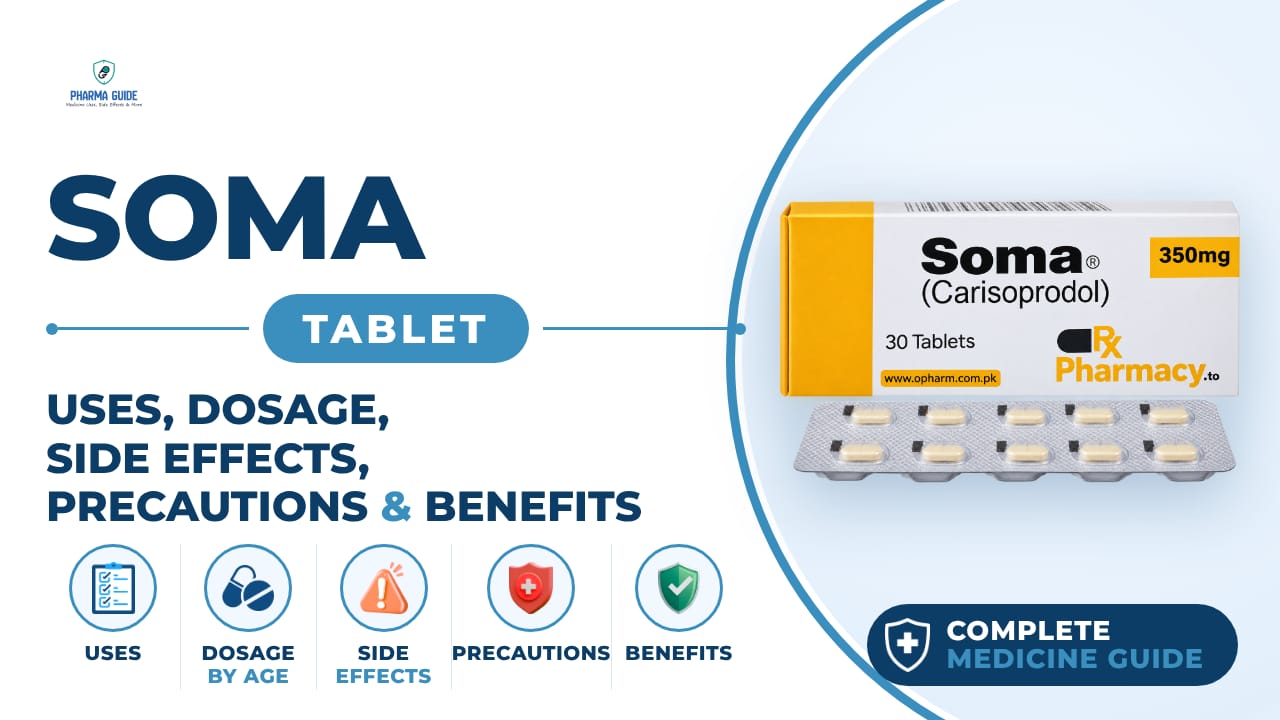
Soma Tablet (carisoprodol) is a muscle relaxant for short-term muscle pain relief. Learn about its uses, dosage, side effects, and safety warnings.
Skelaxin Tablet: Uses, Dosage, Side Effects, Precautions and Alternates
Skeletal muscle relaxant
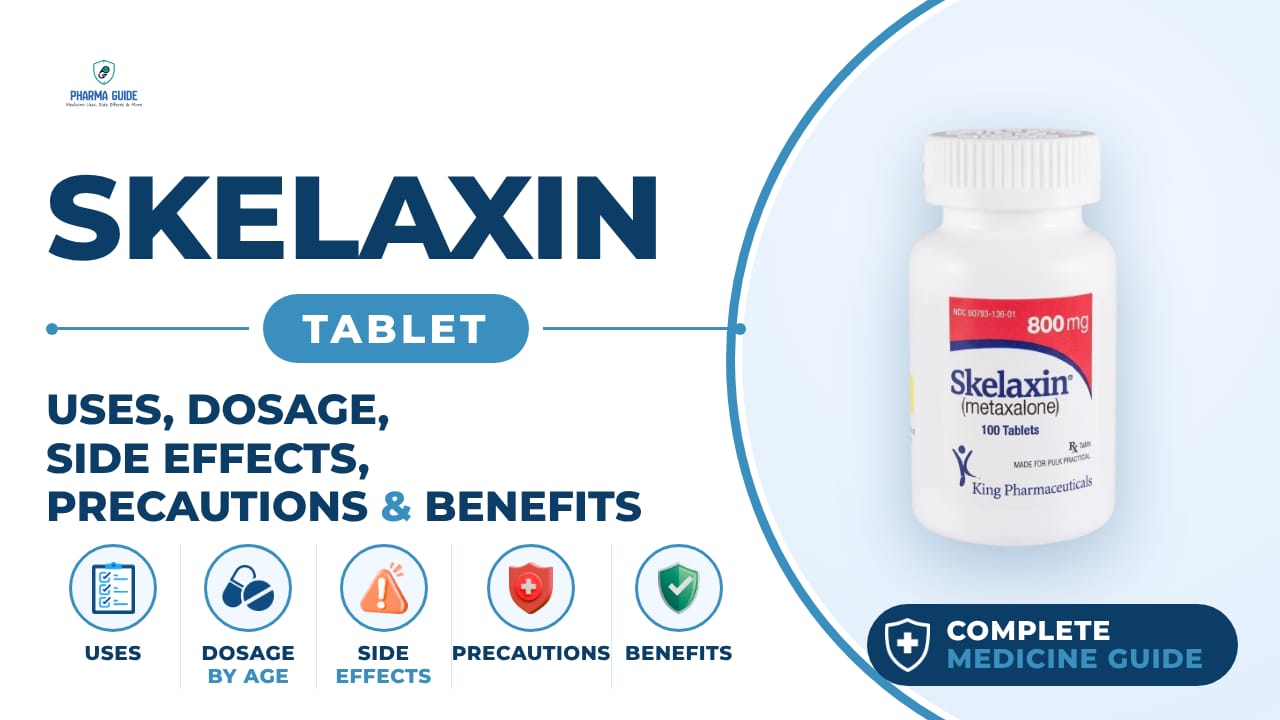
Skelaxin Tablet (metaxalone) is a prescription muscle relaxant for short-term relief of painful muscle spasms. Learn uses, dosage, and side effects.