
Safety
General information, not medical advice
Your prescriber and the leaflet in your pack know your situation. This page does not.
- Follow your prescriber and the leaflet
- Don't start, stop, or change a dose on your own
- Doses and warnings differ by country and product
Xulane Patch: Uses, Dosage, Side Effects, Precautions and Alternates
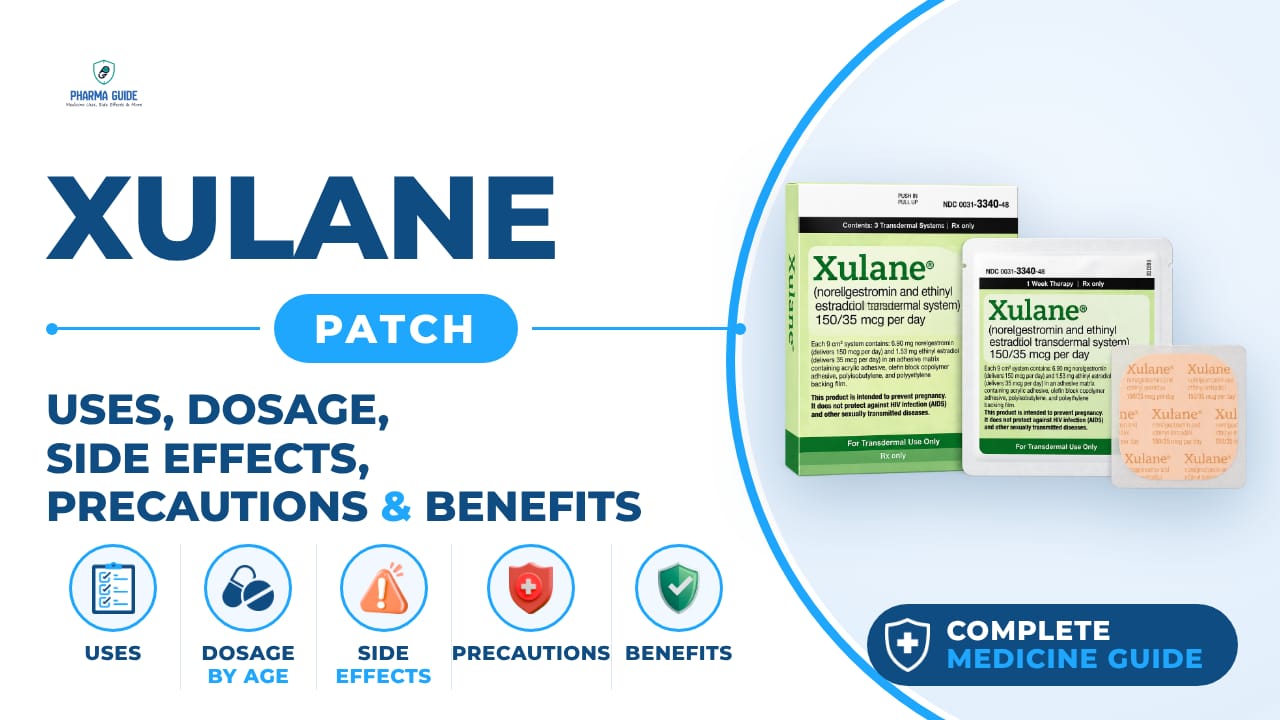
| Generic name | norelgestromin and ethinyl estradiol |
|---|---|
| Drug class | Contraceptives |
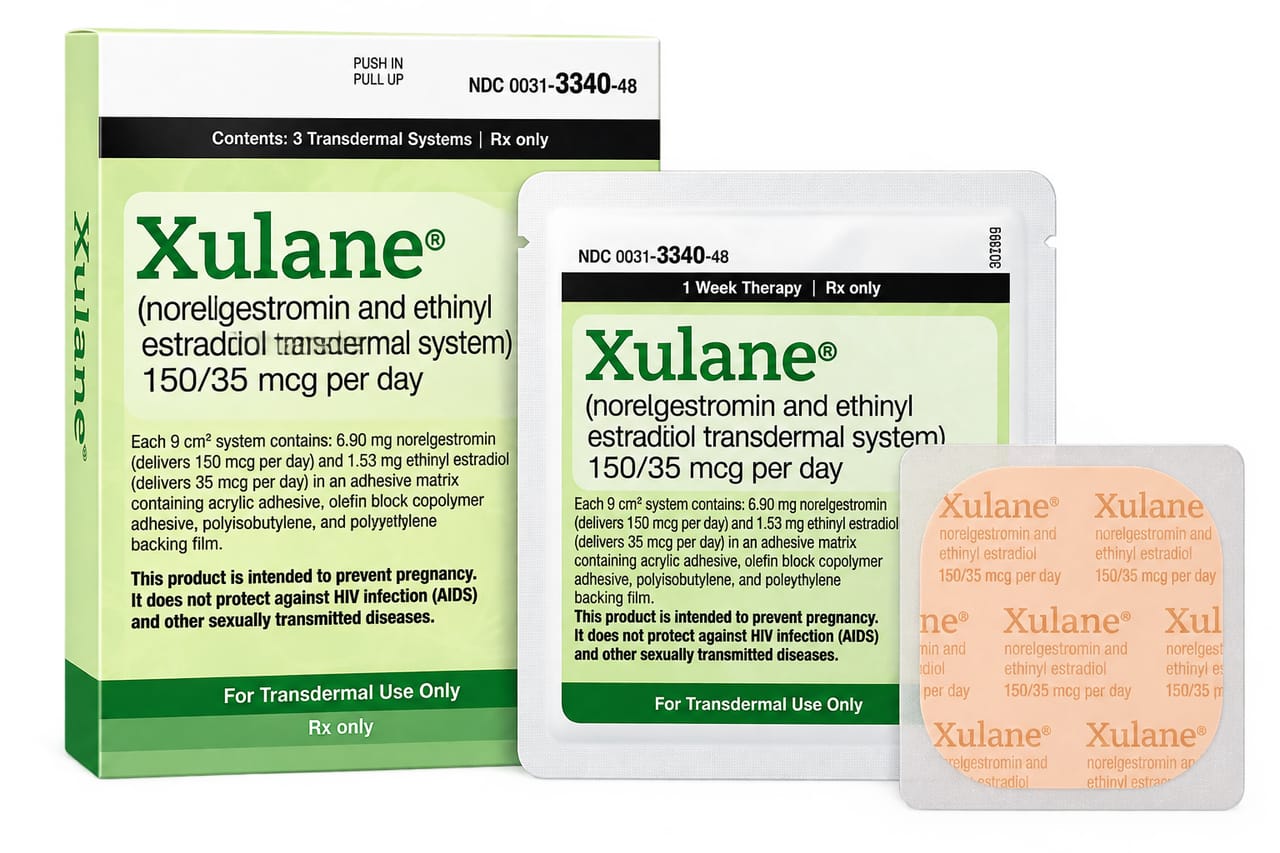
| Forms | Transdermal patch |
Quick overview
Xulane Patch is a transdermal contraceptive containing norelgestromin and ethinyl estradiol, used to prevent pregnancy in women with a BMI less than 30 kg/m2 for whom a combined hormonal contraceptive is appropriate. It is worn on the skin and changed weekly for three weeks, followed by a patch-free week. The patch works mainly by suppressing ovulation and thickening cervical mucus.
What is Xulane Patch
Xulane is a birth control patch that you wear on your skin to prevent pregnancy. It contains two hormones, an estrogen and a progestin, that are absorbed through the skin.
Xulane Patch uses
- Prevents pregnancy in women with a BMI less than 30 kg/m2 for whom a combined hormonal contraceptive is appropriate
Benefits of Xulane Patch
- Helps prevent pregnancy when used correctly.
- Provides a convenient once-weekly contraceptive option for 3 weeks of each cycle.
- Delivers estrogen and progestin through the skin, avoiding a daily pill.
- Helps prevent pregnancy mainly by suppressing ovulation and thickening cervical mucus.
- Can help make menstrual cycles more predictable in some users.
How Xulane Patch works
The patch releases hormones that stop the ovaries from releasing eggs. It also thickens cervical mucus to make it harder for sperm to reach the egg, and changes the lining of the uterus to make it less likely for a fertilized egg to implant.
Xulane Patch dosage
Apply the patch to clean, dry, healthy skin on the buttock, abdomen, upper outer arm, or upper torso, in a spot that won't be rubbed by tight clothing. Do not put the patch on your breasts. Do not use lotions, creams, oils, powders, or make-up on the skin where the patch will go, as this may stop it from sticking properly. Press the patch firmly in place for 10 seconds to make sure it sticks well. Wear only one patch at a time, and remove the old patch before applying a new one. Change the patch on the same day each week for 3 weeks in a row, then have a patch-free week before starting a new cycle. Do not cut, damage, or alter the patch in any way. Check the patch every day to make sure all edges are sticking. Do not apply the patch to cut, irritated skin, or the same spot as the previous patch. Use with children has been limited to female children who have already started having menstrual periods.
| Age group | Dose |
|---|---|
| Before menarche | Not indicated |
| Adolescents after menarche | Apply 1 patch once weekly for 3 consecutive weeks, followed by 1 patch-free week |
| 18–34 years | Apply 1 patch weekly for 3 weeks, then 7 patch-free days |
| 35 years to menopause | Same 3-weeks-on/1-week-off regimen when medically appropriate |
| Postmenopausal women | Not indicated |
Available forms and strengths
- Transdermal patch
Side effects of Xulane Patch
Common
- Breast pain, tenderness, or swelling
- Headache
- Skin irritation, redness, itching, or discoloration at the patch site
- Nausea
- Menstrual cramps (dysmenorrhea)
- Abdominal/stomach pain
- Vaginal bleeding or spotting between periods
- Mood changes
- Vomiting
Serious
- Blood clots (in the legs, lungs, eyes, heart, or brain)
- Heart attack
- Stroke
- Liver problems, including liver tumors
- Gallbladder disease
- High blood pressure
- Severe allergic reaction (swelling of the face, lips, tongue, or throat; difficulty breathing)
- Worsening depression or thoughts of self-harm
- New or worsening migraines or headaches
Warnings and precautions
- Xulane should not be used during pregnancy. It has not been shown to cause birth defects if used accidentally in early pregnancy, but you should stop using it and contact your doctor if you think you are pregnant.
- Xulane is not recommended while breastfeeding because it may decrease your milk supply. A small amount of the hormones may also pass into breast milk. Talk to your doctor about other birth control options until you are ready to stop breastfeeding.
- Do not use Xulane if you have liver disease or liver tumors. Your doctor should stop the medication if you develop yellowing of the skin or eyes.
- There are no known interactions between alcohol and Xulane. Ask your doctor or pharmacist how much alcohol, if any, is safe for you to drink while using this medication.
- Do not use this medication if you smoke and are over 35 years old. Smoking greatly raises your risk of serious heart problems, blood clots, or stroke while using this patch, and this risk grows with age and the number of cigarettes smoked.
- Do not use this patch if your BMI is 30 kg/m2 or higher, as this increases your risk of developing blood clots compared to women with a lower BMI.
- This medication does not protect against HIV or other sexually transmitted infections.
- This medication may be less effective at preventing pregnancy in women who weigh more than 198 pounds (90 kg).
- If you are having surgery, tell your doctor you use this patch. You may need to stop using it several weeks before the procedure because it can raise your risk of blood clots.
- Smoking while using this medication increases the risk of blood clots and stroke, especially in women older than 35.
Storage
- Store at 20–25°C (68–77°F) at controlled room temperature.
- Keep each patch in its original sealed protective pouch until ready to apply.
- Store patches flat and in their original packaging to protect them from damage.
- Do not refrigerate or freeze; protect from excessive heat and moisture.
- Keep out of reach and sight of children and pets, including used patches.
When to see a doctor
- Get medical help right away if you have leg pain that won't go away, sudden shortness of breath, sudden loss of vision, severe chest pain or pressure, a sudden severe headache unlike your usual headaches, weakness or numbness in an arm or leg, trouble speaking, or yellowing of the skin or eyes.
- Seek help for signs of an allergic reaction, such as skin rash, itching, hives, or swelling of the face, lips, tongue, or throat.
- Contact your doctor immediately if you have any thoughts of harming yourself.
- Contact your care team if you have signs of a blood clot, such as pain, swelling, or warmth in the leg, shortness of breath, or chest pain.
- Get medical attention for signs of gallbladder problems, such as severe stomach pain, nausea, vomiting, or fever.
- If you think you have taken too much of this medicine, contact a poison control center or emergency room right away.
Alternatives
- Annovera
- NuvaRing
- Twirla Patch
- Zafemy Patch
Watch the video
FAQs
How often do you change the Xulane Patch?
You change the patch once weekly for 3 consecutive weeks, applying a new one on the same day each week, followed by a patch-free week before starting a new cycle.
Where can you apply the Xulane Patch?
Apply it to clean, dry, healthy skin on the buttock, abdomen, upper outer arm, or upper torso, avoiding the breasts and areas rubbed by tight clothing.
Who should not use the Xulane Patch?
Xulane should not be used by women with a BMI of 30 kg/m2 or higher, those with liver disease or liver tumors, or women over 35 who smoke, due to increased risks of blood clots and other serious problems.
Does the Xulane Patch protect against sexually transmitted infections?
No, Xulane does not protect against HIV or other sexually transmitted infections.
What are common side effects of the Xulane Patch?
Common side effects include breast pain or tenderness, headache, skin irritation at the patch site, nausea, menstrual cramps, abdominal pain, irregular bleeding, mood changes, and vomiting.
General information, not medical advice
Your prescriber and the leaflet in your pack know your situation. This page does not.
- Follow your prescriber and the leaflet
- Don't start, stop, or change a dose on your own
- Doses and warnings differ by country and product
Sources
Video
Related medicines
Plan B Tablet: Uses, Dosage, Side Effects, Precautions and Alternates
Contraceptives
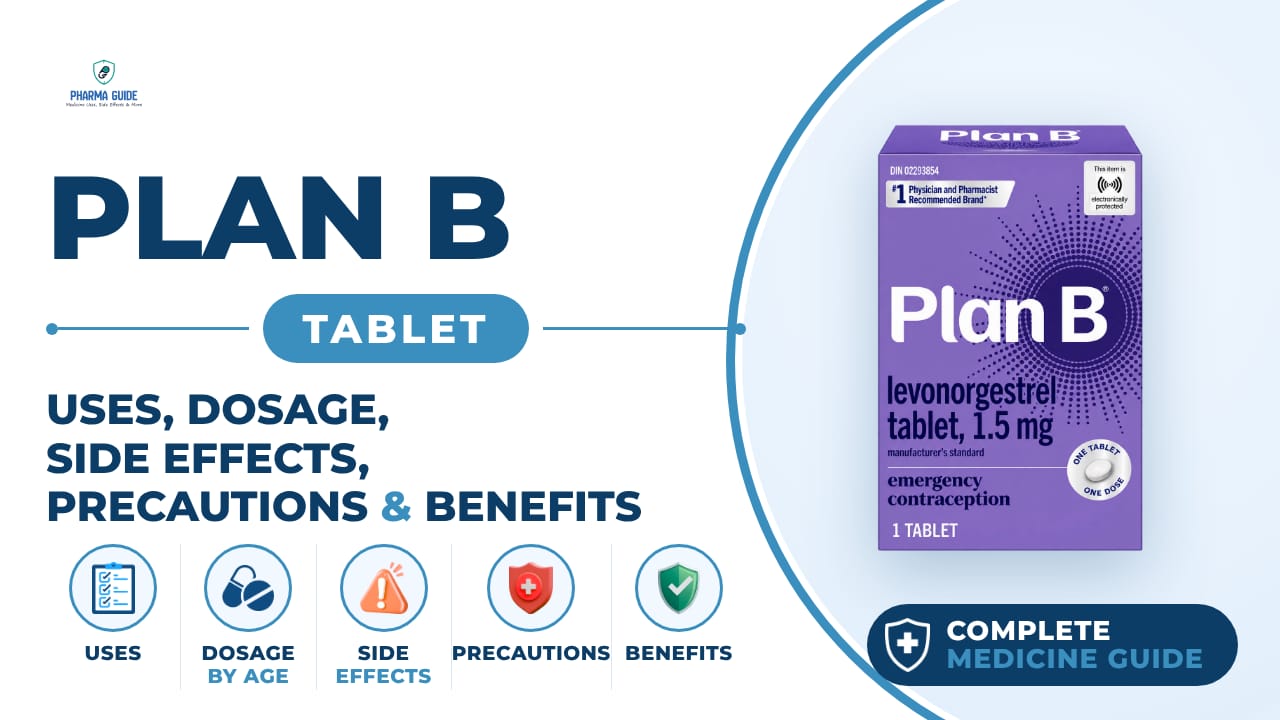
Plan B Tablet is an emergency contraceptive that helps prevent pregnancy after unprotected sex. Learn how it works, dosage, side effects, and precautions.
Opcicon One-Step Tablet: Uses, Dosage, Side Effects, Precautions and Alternates
Contraceptives
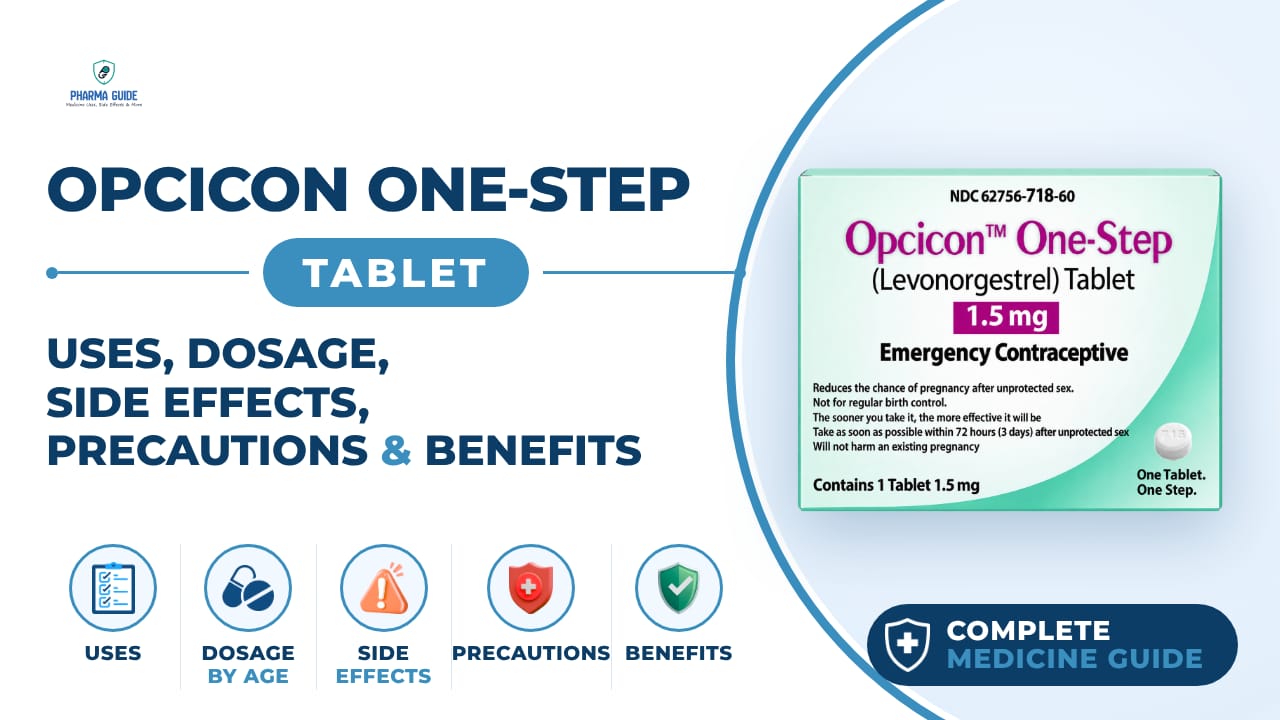
Opcicon One-Step Tablet (levonorgestrel 1.5 mg) is an emergency contraceptive for use after unprotected sex. Learn dosage, side effects, and warnings.