Zinnat Tablet: Uses, Dosage, Side Effects, Precautions and Alternates
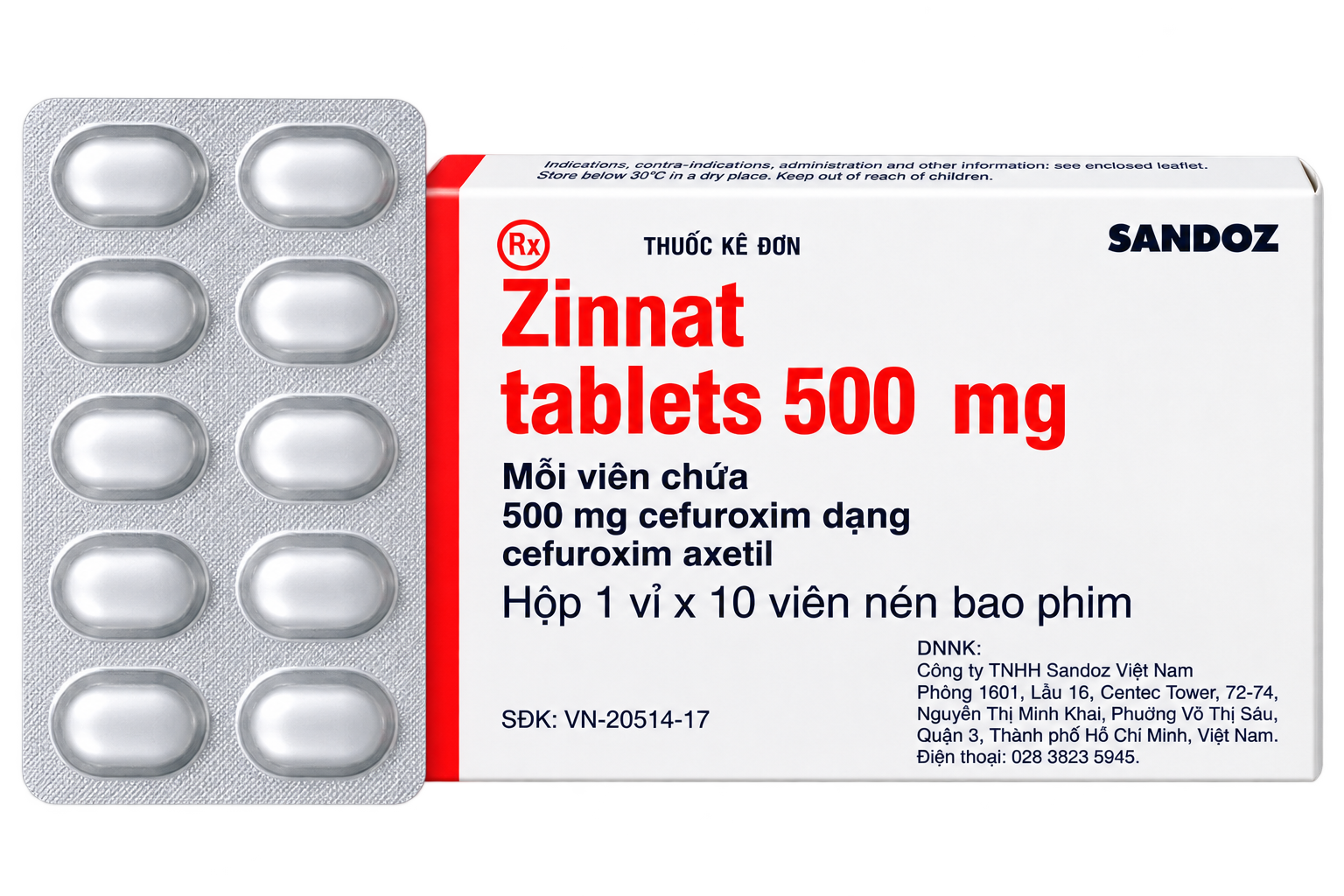
| Generic name | cefuroxime axetil |
|---|---|
| Drug class | Cephalosporin antibiotic (second-generation) |
| Forms | Film-coated tablet, Granules for oral suspension |
Quick overview
Zinnat Tablet contains cefuroxime axetil, a second-generation cephalosporin antibiotic. It is used in adults and children to treat a range of bacterial infections, including throat, sinus, ear, lung, urinary tract, skin, and early Lyme disease infections. It works by killing the bacteria that cause infections. It should be taken after food and the full course should be completed exactly as prescribed.
What is Zinnat Tablet
Zinnat is an antibiotic used in adults and children. It works by killing bacteria that cause infections. It belongs to a group of medicines called cephalosporins.
Zinnat Tablet uses
- Throat infections (such as tonsillitis and pharyngitis)
- Sinus infections
- Middle ear infections
- Lung or chest infections (such as flare-ups of chronic bronchitis)
- Urinary tract infections (such as cystitis and kidney infection)
- Skin and soft tissue infections
- Early Lyme disease (an infection spread by ticks)
Benefits of Zinnat Tablet
- Helps clear bacterial infections by killing the bacteria that cause them.
- Treats certain bacterial infections
- Helps treat respiratory tract infections
- Used for ear infections
- Helps treat sinus infections
- Used for throat and tonsil infections
- Treats certain urinary tract infections (UTIs)
- Helps treat skin and soft-tissue infections
- May be used for early Lyme disease
How Zinnat Tablet works
Zinnat works by killing the bacteria that cause infections. It stops the bacteria from building their cell walls, which makes the bacteria break apart and die.
Zinnat Tablet dosage
Take Zinnat after food, as this helps make the treatment more effective. Swallow the tablets whole with some water. Do not chew, crush or split the tablets, as this may make the treatment less effective.
Take your complete course exactly as directed by your doctor or pharmacist. Do not stop taking it just because you feel better, as the infection may come back. Do not take a double dose to make up for a forgotten dose; take your next dose at the usual time.
Zinnat tablets cannot be crushed, so they are unsuitable for people who cannot swallow tablets; in children an oral suspension may be used instead.
| Age group | Dose |
|---|---|
| Under 3 months | Not established |
| 3 months–<40 kg | 10–15 mg/kg twice daily; max 250 mg twice daily |
| ≥40 kg / 12+ years | 250–500 mg twice daily, depending on infection |
| Adults 18–64 | 250–500 mg twice daily |
| 65+ years | Same adult dose if kidney function is normal; adjust if renal impairment |
Available forms and strengths
- Film-coated tablet
- Granules for oral suspension
Side effects of Zinnat Tablet
Common
- Fungal infections (such as Candida or thrush)
- Headache
- Dizziness
- Diarrhoea
- Feeling sick (nausea)
- Stomach pain
- Increase in a type of white blood cell (eosinophilia)
- Increase in liver enzymes
Serious
- Severe allergic reaction (raised itchy rash, swelling of the face or mouth, difficulty breathing)
- Severe skin reactions such as Stevens-Johnson syndrome or toxic epidermal necrolysis (widespread rash with blisters and peeling skin)
- Skin rash that may blister and look like small targets (erythema multiforme)
- Severe diarrhoea (pseudomembranous colitis), often with blood and mucus, stomach pain and fever
- Jarisch-Herxheimer reaction (fever, chills, headache, muscle pain and rash during Lyme disease treatment)
- Yellowing of the whites of the eyes or skin, or inflammation of the liver (hepatitis)
- Red blood cells destroyed too quickly (haemolytic anaemia)
- Seizures
- Encephalopathy (reduced ability to think clearly, memory loss, drowsiness, muscle twitches)
Warnings and precautions
- Do not take Zinnat if you are allergic to cefuroxime or any cephalosporin antibiotic, or if you have had a severe allergic reaction to any other beta-lactam antibiotic (penicillins, monobactams or carbapenems).
- Serious and sometimes fatal allergic reactions can occur. If a severe allergic reaction happens, treatment must be stopped straight away and emergency care given.
- Serious skin reactions such as Stevens-Johnson syndrome, toxic epidermal necrolysis and DRESS can occur and may be life-threatening.
- Stop the medicine and get help if such skin symptoms appear, and never take it again if you have had such a reaction.
- This medicine may reduce how well the contraceptive pill works, so use an extra barrier method such as condoms.
- It is important to finish the full course of treatment. Do not stop unless your doctor tells you to, even if you feel better, or the infection may come back.
- If you are pregnant, think you may be pregnant or are planning a baby, ask your doctor before taking this medicine. It should only be used in pregnancy if the benefit outweighs the risk.
- Cefuroxime passes into breast milk in small amounts. Talk to your doctor before use, as breastfeeding might need to be stopped due to possible effects such as diarrhoea or fungal infection in the baby.
- If you have a kidney problem, your doctor may change your dose because the medicine is cleared more slowly.
- There is no information for people with liver problems. Because the medicine is mainly removed by the kidneys, liver problems are not expected to affect how it works.
- This medicine may make you dizzy or less alert. Be careful before driving or using machines until you know how it affects you, and do not drive or use machines if you do not feel well.
Storage
- Keep this medicine out of the sight and reach of children.
- Store in the original pack in a dry place at or below 30°C.
- Do not store it in the bathroom, in the car or on window sills.
- Do not use the medicine after the expiry date shown on the pack.
- Do not use Zinnat if the tablets are chipped or there are other visible signs of deterioration.
- Do not throw away medicines via wastewater or household waste; ask your pharmacist how to dispose of medicines you no longer use.
When to see a doctor
Contact a doctor or nurse immediately if you get signs of a severe allergic reaction or serious skin reaction, such as a raised itchy rash, swelling of the face or mouth, difficulty breathing, or a widespread rash with blisters and peeling skin.
If you take too much Zinnat you may have neurological problems, especially fits (seizures). Do not delay; contact your doctor or your nearest hospital emergency department immediately, and if possible show them the pack.
Stop taking this medicine and call your doctor straight away, or go to your nearest hospital emergency department, if you notice wheezing, swelling of the lips or mouth, difficulty breathing, a lumpy rash (hives), fainting or a seizure.
Alternatives
- Cefixime
- Cefpodoxime
- Cefdinir
- Cephalexin
- Cefadroxil
- Amoxicillin
- Amoxicillin + Clavulanic Acid
FAQs
What is Zinnat Tablet used for?
Zinnat Tablet is used to treat throat infections, sinus infections, middle ear infections, lung or chest infections, urinary tract infections, skin and soft tissue infections, and early Lyme disease.
How should I take Zinnat Tablet?
Take Zinnat after food, as this helps make the treatment more effective. Swallow the tablets whole with water; do not chew, crush or split them. Complete the full course exactly as directed.
What are the common side effects of Zinnat Tablet?
Common side effects include fungal infections such as Candida, headache, dizziness, diarrhoea, nausea, stomach pain, eosinophilia, and increased liver enzymes.
Can Zinnat Tablet affect contraceptive pills?
Yes, this medicine may reduce how well the contraceptive pill works, so an extra barrier method such as condoms should be used.
What should I do if I notice signs of a severe allergic reaction to Zinnat?
Stop taking the medicine and contact a doctor or nurse immediately, or go to your nearest hospital emergency department, if you notice a raised itchy rash, swelling of the face or mouth, difficulty breathing, wheezing, hives, fainting or a seizure.
Sources
Video