
Safety
General information, not medical advice
Your prescriber and the leaflet in your pack know your situation. This page does not.
- Follow your prescriber and the leaflet
- Don't start, stop, or change a dose on your own
- Doses and warnings differ by country and product
Zumandimine Tablet: Uses, Dosage, Side Effects, Precautions and Alternates
| Generic name | Ethinyl estradiol/drospirenone |
|---|---|
| Drug class | Contraceptives |
| Forms | Tablet |
Quick overview
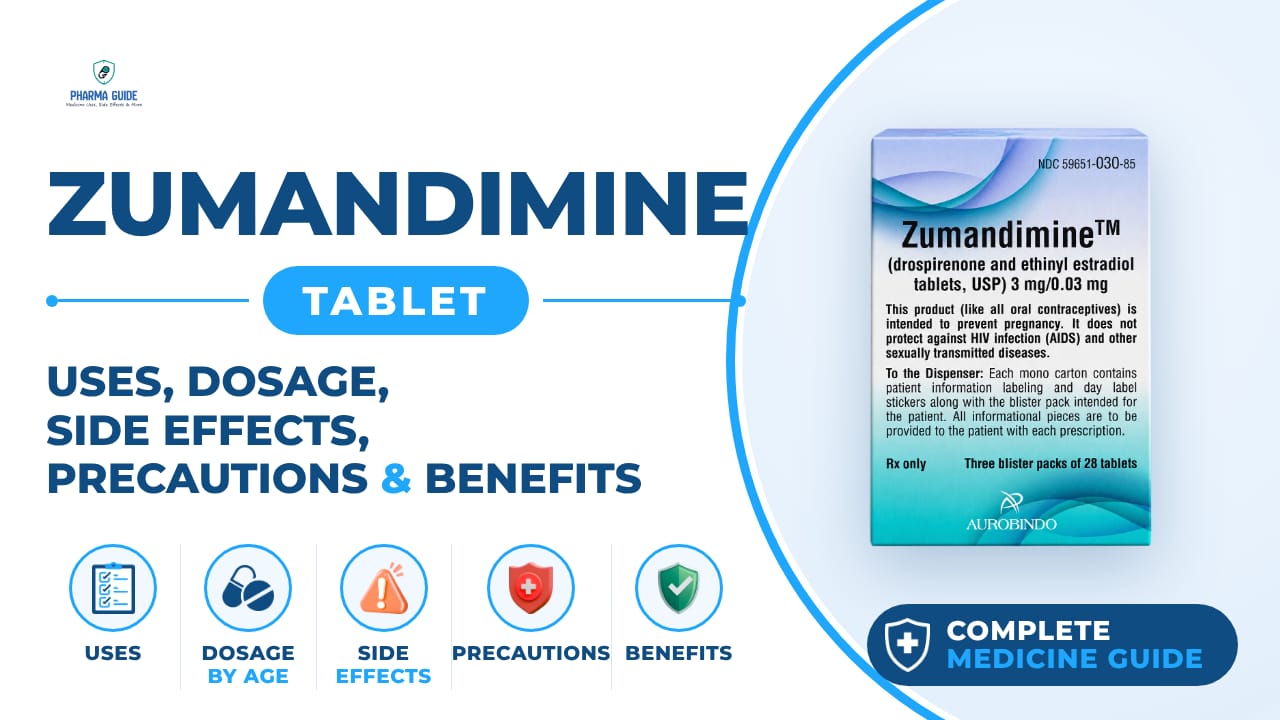
Zumandimine Tablet contains ethinyl estradiol and drospirenone, a combination of an estrogen and a progestin, and belongs to the contraceptives drug class. It is used to prevent pregnancy, treat moderate acne in certain postpubertal females, and manage symptoms of premenstrual dysphoric disorder (PMDD). It works by stopping the ovaries from releasing an egg, thickening cervical mucus, and changing the womb lining. It is taken by mouth once daily, usually following a specific pack schedule.
What is Zumandimine Tablet
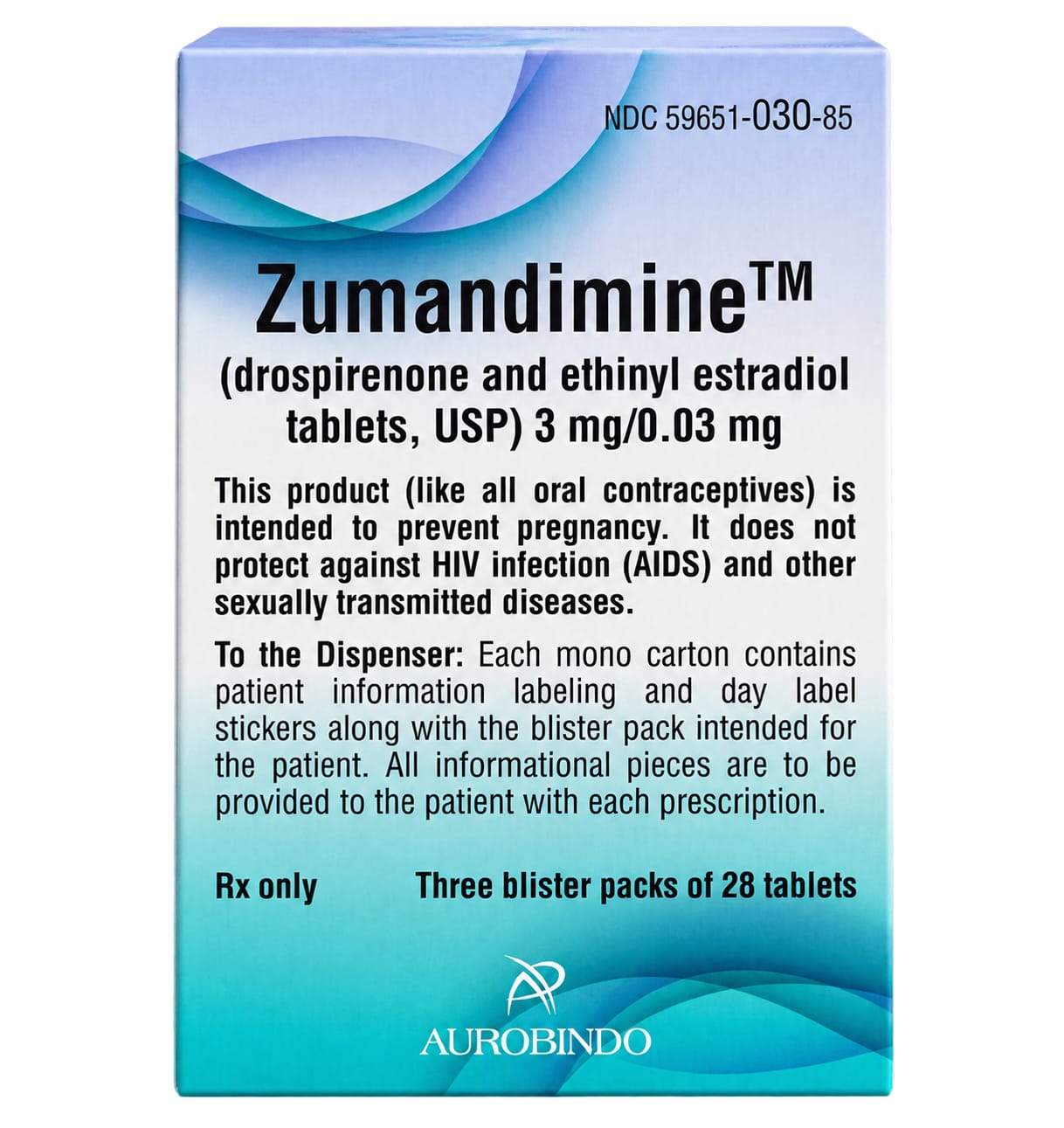
Zumandimine is a combination birth control pill that contains two hormones, an estrogen (ethinyl estradiol) and a progestin (drospirenone). It is used to prevent pregnancy.
Zumandimine Tablet uses
- Prevent pregnancy (contraception)
- Treat moderate acne in women who are at least 14 years old and have started having menstrual periods, and who wish to use birth control pills
- Treat symptoms of premenstrual dysphoric disorder (PMDD), such as anxiety, depression, irritability, trouble concentrating, lack of energy, sleep or appetite changes, breast tenderness, joint or muscle pain, headache, and weight gain
Benefits of Zumandimine Tablet
- May make periods more regular
- May decrease blood loss and painful periods
- May decrease the risk of ovarian cysts
- May improve acne
How Zumandimine Tablet works
Zumandimine works by stopping the ovaries from releasing an egg each month. It also thickens the mucus at the entrance to the womb and changes the lining of the womb, making it harder for sperm to reach an egg and harder for a fertilized egg to attach.
Zumandimine Tablet dosage
Take the medication by mouth, with or without food, usually once a day. Pick a time of day that is easy to remember and take the pill at the same time each day, about 24 hours apart. Taking the pill after your evening meal or at bedtime may help reduce stomach upset and nausea.
Follow the package instructions to find the first tablet and take the tablets in the correct order without skipping doses. If you are starting for the first time and not switching from another hormonal birth control, take the first tablet on the first Sunday after your period begins or on the first day of your period; use a backup birth control method for the first 7 days.
Take one active (hormone) pill daily for 21 days in a row. If using a 28-tablet pack, take a reminder pill (no hormones) once daily for 7 days after finishing the active pills, unless your doctor tells you otherwise. If using a 21-tablet pack, do not take any tablets for 7 days after finishing the active pills, unless your doctor tells you otherwise. After finishing the reminder pills or the 7 days without a tablet, start a new pack the next day whether or not you have your period.
Vomiting or diarrhea can stop the pill from working well; you may need a backup birth control method if this happens. Do not share this medication with others.
| Age group | Dose |
|---|---|
| Under 18 years | 1 tablet once daily in postpubertal females; not indicated before menarche |
| 18–64 years | 1 tablet once daily at the same time every day |
| 65+ years | Not generally indicated; use requires medical assessment |
Available forms and strengths
- Tablet
Side effects of Zumandimine Tablet
Common
- Nausea, vomiting
- Breast tenderness
- Headache, mood changes, feeling tired or irritable
- Weight gain
- Changes in menstrual periods, decreased sex drive
- Bloating
- Swelling of the ankles/feet (fluid retention)
- Vaginal bleeding between periods (spotting) or missed/irregular periods, especially in the first few months
Serious
- Signs of a stroke: sudden numbness or weakness (especially on one side of the body), sudden severe headache, slurred speech, problems with vision or balance
- Signs of a blood clot: sudden vision loss, stabbing chest pain, feeling short of breath, coughing up blood, pain or warmth in one or both legs
- Heart attack symptoms: chest pain or pressure, pain spreading to the jaw or shoulder, nausea, sweating
- Liver problems: loss of appetite, upper stomach pain, tiredness, dark urine, clay-colored stools, jaundice (yellowing of the skin or eyes)
- Increased blood pressure: severe headache, blurred vision, pounding in the neck or ears
- Swelling in the hands, ankles, or feet
- A change in the pattern or severity of migraine headaches
- Symptoms of depression: sleep problems, weakness, tired feeling, mood changes
- Breast lumps
- Severe stomach/abdominal pain
- Mental/mood changes such as new or worsening depression, suicidal thoughts
- Symptoms of a high potassium blood level such as muscle weakness, slow or irregular heartbeat
- Unusual changes in vaginal bleeding such as continuous spotting, sudden heavy bleeding, or missed periods
Warnings and precautions
- This medication should not be used during pregnancy. If you become pregnant or think you may be pregnant, tell your doctor right away.
- This medication passes into breast milk and may harm a nursing infant. It may also slow breast milk production. Do not use if you are breastfeeding.
- You should not take this medicine if you have kidney disease. Tell your doctor if you have had kidney problems.
- You should not take this medicine if you have liver disease or liver cancer. Tell your doctor if you have had liver problems, such as a liver tumor or active liver disease.
- Do not use this medication if you smoke and are over 35 years old. Smoking increases the risk of stroke, heart attack, blood clots, and high blood pressure caused by hormonal birth control. The risk gets higher with age and with the number of cigarettes smoked.
- This medication may rarely cause serious, sometimes fatal, problems from blood clots such as heart attack, stroke, or blood clots in the lungs or legs.
- Taking this medicine can increase the risk of blood clots, stroke, or heart attack. The risk is higher with high blood pressure, diabetes, high cholesterol, or being overweight, and is highest during the first year of use or when restarting after a break of 4 weeks or more.
- Do not use this medicine if you are pregnant or if you recently had a baby.
- This medication does not protect against sexually transmitted diseases. Use a barrier method such as condoms to lower the risk of infection.
Storage
- Store at room temperature away from light and moisture.
- Do not store in the bathroom.
- Keep all medications away from children and pets.
- Do not flush medications down the toilet or pour them into a drain unless instructed to do so.
- Properly discard this product when it is expired or no longer needed. Consult your pharmacist or local waste disposal company.
When to see a doctor
- Get medical help right away if you have shortness of breath or rapid breathing, chest/jaw/left arm pain, unusual sweating, confusion, sudden dizziness or fainting, pain/swelling/warmth in the groin or calf, sudden or severe headaches, trouble speaking, weakness on one side of the body, or sudden vision changes.
- Get medical help right away if you have breast lumps, severe stomach or abdominal pain, dark urine, yellowing of the eyes or skin, or new/worsening mental or mood changes such as depression or suicidal thoughts.
- Get medical help right away if you notice signs of a serious allergic reaction, including rash, itching or swelling (especially of the face, tongue, or throat), severe dizziness, or trouble breathing.
- Stop using birth control pills and call your doctor right away if you have signs of a stroke, signs of a blood clot, heart attack symptoms, liver problems, increased blood pressure, swelling in the hands, ankles or feet, a change in migraine pattern, or symptoms of depression.
- If someone has overdosed and has serious symptoms such as passing out or trouble breathing, get emergency medical help. Otherwise, contact your local poison control center right away.
Alternatives
- Yasmin
- Ocella
- Loryna
Watch the video
FAQs
What is Zumandimine Tablet used for?
Zumandimine Tablet is used to prevent pregnancy, treat moderate acne in postpubertal females who want to use birth control pills, and manage symptoms of premenstrual dysphoric disorder (PMDD) such as anxiety, depression, and irritability.
How does Zumandimine Tablet work?
It works by stopping the ovaries from releasing an egg each month, thickening the mucus at the entrance to the womb, and changing the lining of the womb, making it harder for sperm to reach an egg and for a fertilized egg to attach.
How should I take Zumandimine Tablet?
Take one tablet by mouth once daily at the same time each day, about 24 hours apart, with or without food. Follow the pack instructions for active and reminder pills, and use a backup method for the first 7 days if starting for the first time.
What are the serious side effects of Zumandimine Tablet?
Serious side effects include signs of stroke, blood clots, heart attack symptoms, liver problems, increased blood pressure, swelling in the hands or feet, changes in migraine pattern, depression or suicidal thoughts, breast lumps, and high potassium symptoms.
Who should not take Zumandimine Tablet?
This medication should not be used by those who are pregnant, breastfeeding, have kidney disease, have liver disease or liver cancer, or smoke and are over 35 years old, due to increased risks of blood clots, stroke, and heart attack.
General information, not medical advice
Your prescriber and the leaflet in your pack know your situation. This page does not.
- Follow your prescriber and the leaflet
- Don't start, stop, or change a dose on your own
- Doses and warnings differ by country and product
Sources
Video
Related medicines
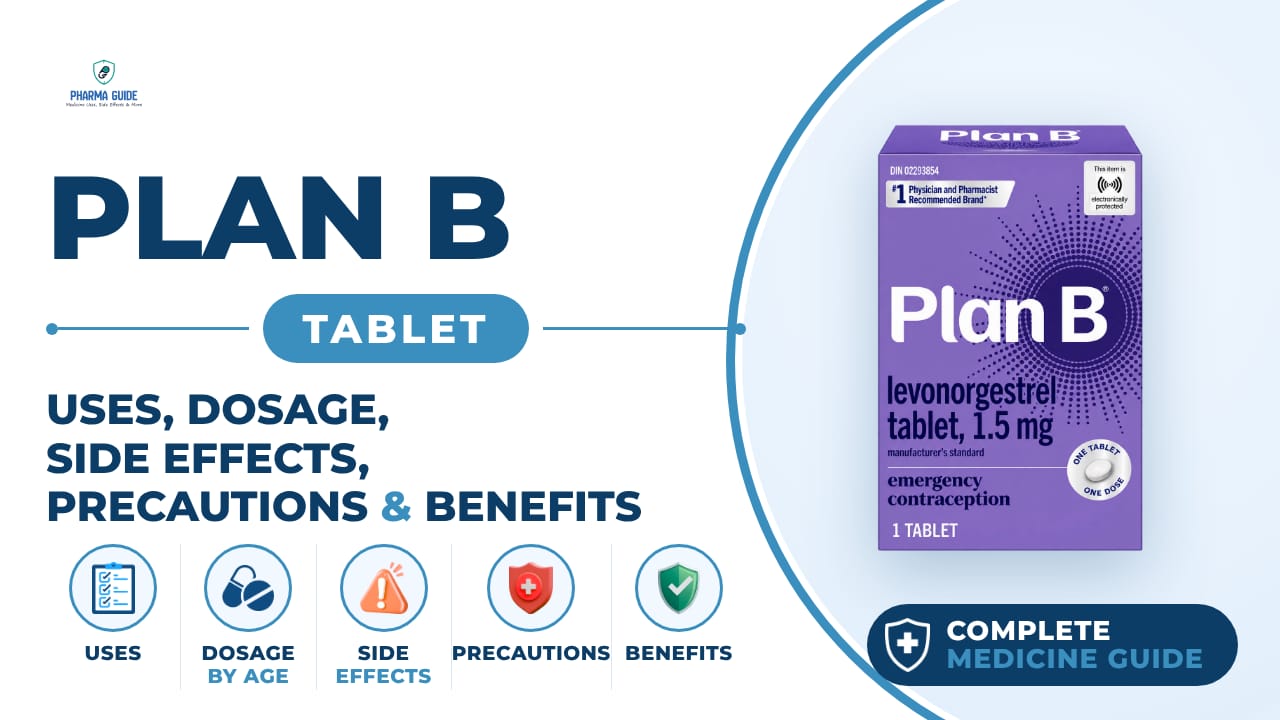
Plan B Tablet: Uses, Dosage, Side Effects, Precautions and Alternates
Contraceptives
Plan B Tablet is an emergency contraceptive that helps prevent pregnancy after unprotected sex. Learn how it works, dosage, side effects, and precautions.
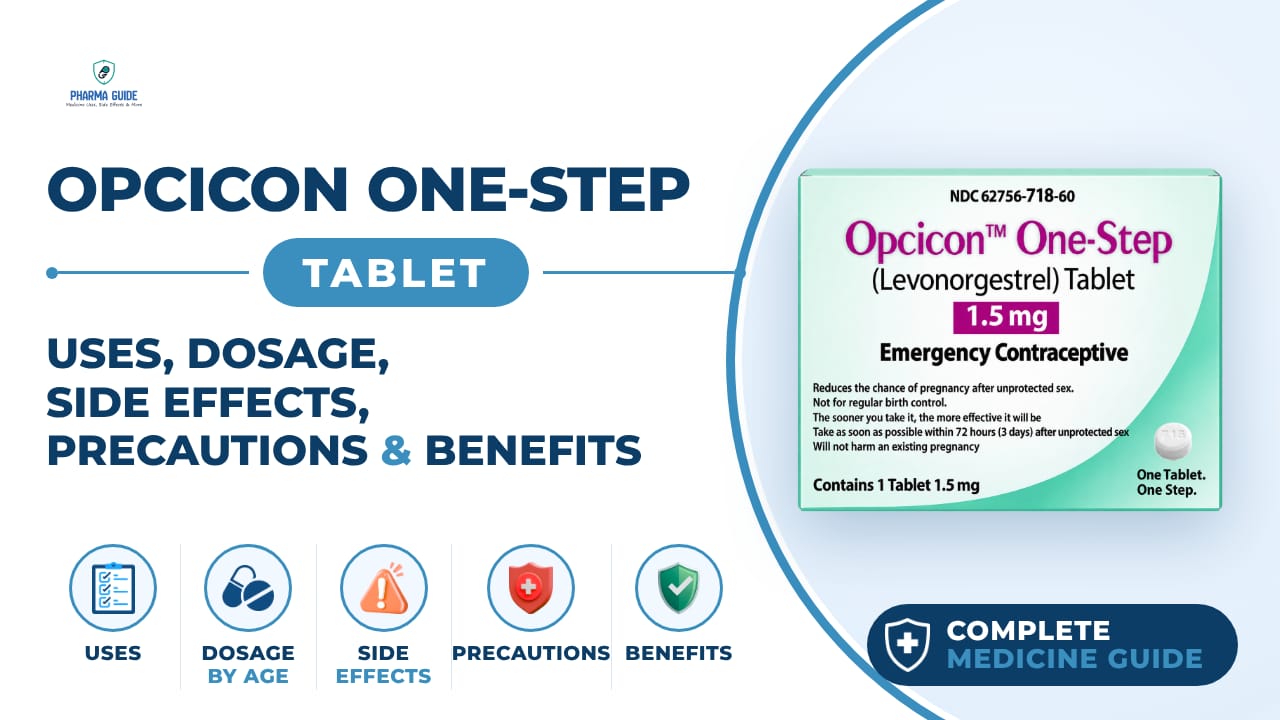
Opcicon One-Step Tablet: Uses, Dosage, Side Effects, Precautions and Alternates
Contraceptives
Opcicon One-Step Tablet (levonorgestrel 1.5 mg) is an emergency contraceptive for use after unprotected sex. Learn dosage, side effects, and warnings.