
Safety
General information, not medical advice
Your prescriber and the leaflet in your pack know your situation. This page does not.
- Follow your prescriber and the leaflet
- Don't start, stop, or change a dose on your own
- Doses and warnings differ by country and product
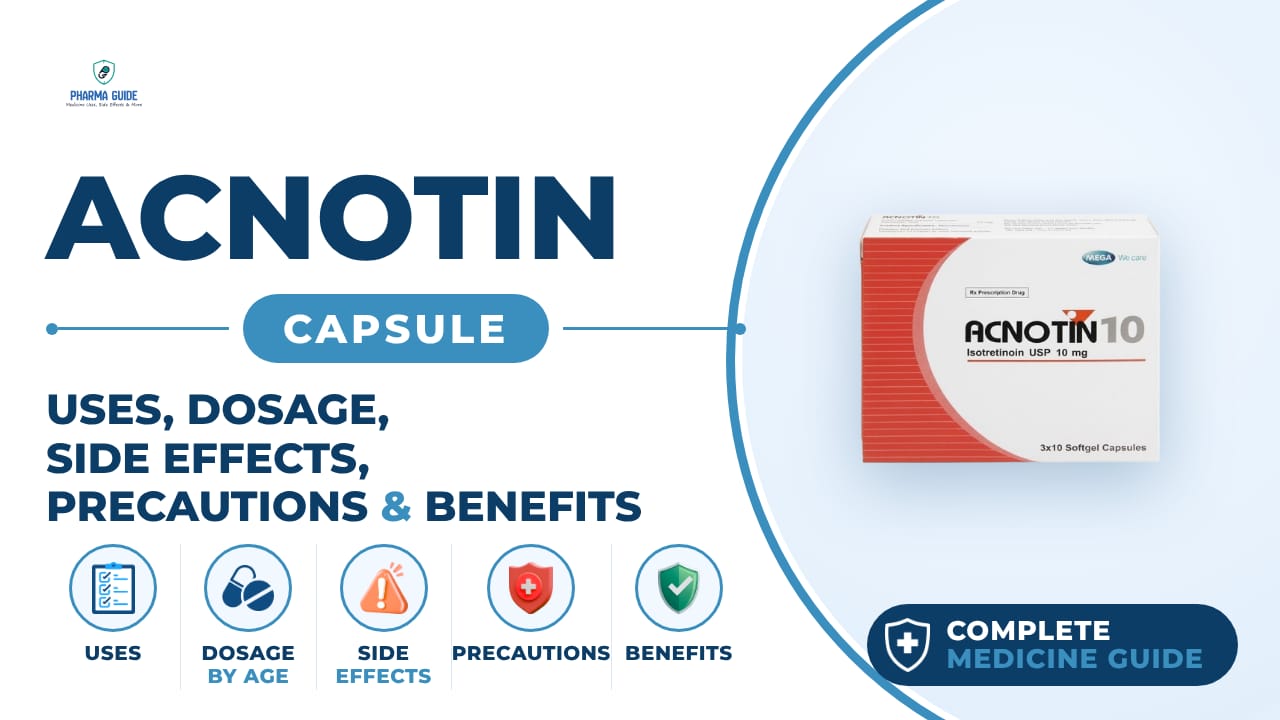
Acnotin Capsule: Uses, Dosage, Side Effects, Precautions and Alternates
| Generic name | Isotretinoin |
|---|---|
| Drug class | Retinoid |
| Forms | Capsule |
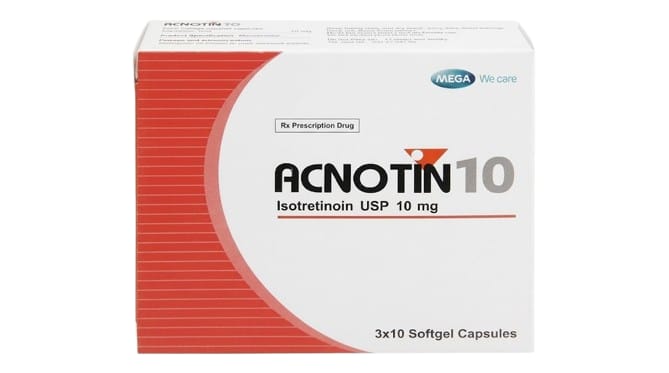
Quick overview
Acnotin Capsule contains isotretinoin, a retinoid medicine used to treat severe acne that has not responded to other treatments. It is a systemic medication that works throughout the body, so it must be used with caution and under medical supervision. Treatment typically runs for about 15 to 20 weeks and carries important precautions, including a high risk of birth defects if taken during pregnancy.
What is Acnotin Capsule
Acnotin 20 mg is a capsule containing isotretinoin, a retinoid medicine used to treat severe acne that has not responded to other treatments. It is a systemic medication, meaning it works throughout the body, so it must be used with caution.
Acnotin Capsule uses
- Severe acne that requires a stronger treatment
- Acne that has not improved with other acne medications or treatments
- Acne that has caused noticeable scarring or disfigurement of the face, leading to significant emotional distress or difficulties in daily life
Benefits of Acnotin Capsule
- Treats severe nodular, cystic, or disfiguring acne that does not respond to standard treatments like topical creams or oral antibiotics
- Dramatically shrinks the size of sebaceous (oil) glands and cuts down sebum production
- Lowers deep inflammation, swelling, and redness beneath the skin
- Provides permanent or long-lasting clearance of acne for a majority of patients after a single treatment course (typically 15 to 20 weeks)
How Acnotin Capsule works
The exact way isotretinoin works is not fully understood, but it is known to shrink the oil-producing glands in the skin and reduce how much oil they make. It also has anti-inflammatory effects that help reduce skin inflammation.
Acnotin Capsule dosage
Acnotin is taken by mouth as a capsule. Adult and adolescent doses are usually divided into two doses and taken with meals, over a course of about 15-20 weeks. It is not suitable for treating acne in children under 12 years of age. Acne may seem to flare up slightly more during the early part of treatment, and extra treatment may be needed at that time.
| Age group | Dose |
|---|---|
| Under 18 years | Not recommended |
| 18–64 years | 10–20 mg, twice/day |
| 65+ years | 10–20 mg, twice/day |
Available forms and strengths
- Capsule — 20 mg
Side effects of Acnotin Capsule
Common
- Dry skin and mucous membranes, cracked lips, nosebleeds, conjunctivitis, reversible corneal opacities, and intolerance to contact lenses
- Rashes, dermatitis, itching, sweat gland disorders, inflammation around nails, nail thinning, hair loss, increased acne, excessive hair growth, skin discoloration, and increased sensitivity to sunlight
- Muscle aches, joint pain, tendonitis, and other bone-related changes
- Headaches
- Temporary mild, reversible thinning or shedding of hair during treatment
Serious
- Behavioral changes, depression, increased intracranial pressure, seizures
- Visual disturbances, hearing loss, light sensitivity, night blindness, cataracts, and corneal inflammation
- Colitis, hemorrhagic ileitis
- Temporary increases in liver enzymes; in some cases, hepatitis may occur, necessitating a reduction in dosage or discontinuation of the medication
- Bronchospasm, decreased white blood cells, decreased red blood cells, increased or decreased platelets, increased sedimentation rate, increased cholesterol and triglycerides, increased uric acid, and local or systemic infections
Warnings and precautions
- Isotretinoin causes severe birth defects, miscarriage, or infant death if taken during pregnancy. Blood from people who have recently taken this medicine should not be given to pregnant women or women who might become pregnant.
- This medicine has been linked to mental health problems including depression, psychosis, suicidal thoughts, and suicide. People with a history of depression need close monitoring.
- Do not take this medicine together with tetracycline antibiotics, and avoid oral contraceptives containing androgen-type progesterone such as 19-nortestosterone derivatives.
- Do not exfoliate your skin during treatment or for 6 months after stopping, as it can increase the risk of scarring. Avoid cosmetic procedures like waxing, laser skin resurfacing, or chemical peels during and for several months after treatment.
- This medicine should not be used by people with a history of allergy to isotretinoin or any ingredient in the medicine.
- This medicine can interact with other medications such as low-dose progesterone and phenytoin.
- Blood glucose should be checked regularly in people with or suspected of having diabetes, since this medicine has been linked to rapid rises in blood sugar in some cases.
- Limit direct sun exposure, including avoiding harsh sunlight and tanning beds, because of increased sensitivity to sunburn.
- Do not take this medicine if you are pregnant, planning to become pregnant, or if you become pregnant during treatment, because of a high risk of serious birth defects. Reliable birth control is essential during treatment.
- This medicine should not be used while breastfeeding.
- This medicine should not be used if you have kidney disease.
- This medicine should not be used if you have liver disease. Liver function tests should be done before starting treatment, one month after starting, and every three months after that.
- People who abuse alcohol need to be closely monitored for side effects while taking this medicine.
Storage
- Store below 30°C in a dry place.
- Protect from direct sunlight and moisture.
- Keep capsules in their original packaging.
- Keep out of reach of children.
- Do not use after the expiry date.
- Return unused capsules to a pharmacist for safe disposal.
When to see a doctor
- Get medical help if you notice mood changes, anxiety, depression, or thoughts of suicide while taking this medicine.
- Seek medical attention if you have severe headaches or vision changes, as this can be a sign of increased pressure around the brain.
- Tell your healthcare provider if you experience any side effects so your treatment can be adjusted.
Alternatives
- Amnesteem
- Absorica
- Isotretinoin
Watch the video
FAQs
What is Acnotin Capsule used for?
Acnotin Capsule is used to treat severe acne that has not responded to other treatments, including nodular or cystic acne and acne causing noticeable scarring or disfigurement.
How long does Acnotin Capsule treatment last?
Treatment typically runs for about 15 to 20 weeks, and a majority of patients experience permanent or long-lasting acne clearance after a single course.
Can Acnotin Capsule be used during pregnancy?
No, isotretinoin causes severe birth defects, miscarriage, or infant death if taken during pregnancy. Reliable birth control is essential during treatment, and it should not be used by anyone who is pregnant or planning to become pregnant.
What are the common side effects of Acnotin Capsule?
Common side effects include dry skin and mucous membranes, cracked lips, nosebleeds, conjunctivitis, rashes, itching, nail thinning, hair loss, muscle aches, joint pain, and headaches.
What precautions should be taken while using Acnotin Capsule?
Avoid exfoliating the skin or cosmetic procedures like waxing, laser resurfacing, or chemical peels during and for several months after treatment, limit sun exposure, and avoid tetracycline antibiotics while using this medicine.
General information, not medical advice
Your prescriber and the leaflet in your pack know your situation. This page does not.
- Follow your prescriber and the leaflet
- Don't start, stop, or change a dose on your own
- Doses and warnings differ by country and product
Sources
Video
Related medicines
Differin Gel: Uses, Dosage, Side Effects, Precautions and Alternates
retinoid
Differin Gel (adapalene) treats acne in people 12+. Learn how it works, dosage instructions, side effects, warnings, and skincare alternatives.
Accutane Capsule: Uses, Dosage, Side Effects, Precautions and Alternates
retinoid
Accutane Capsule (isotretinoin) treats severe nodular acne unresponsive to other treatments. Learn uses, dosage, side effects, and key safety warnings.