
Safety
General information, not medical advice
Your prescriber and the leaflet in your pack know your situation. This page does not.
- Follow your prescriber and the leaflet
- Don't start, stop, or change a dose on your own
- Doses and warnings differ by country and product
Aluminium Hydroxide Tablet: Uses, Dosage, Side Effects, Precautions and Alternates
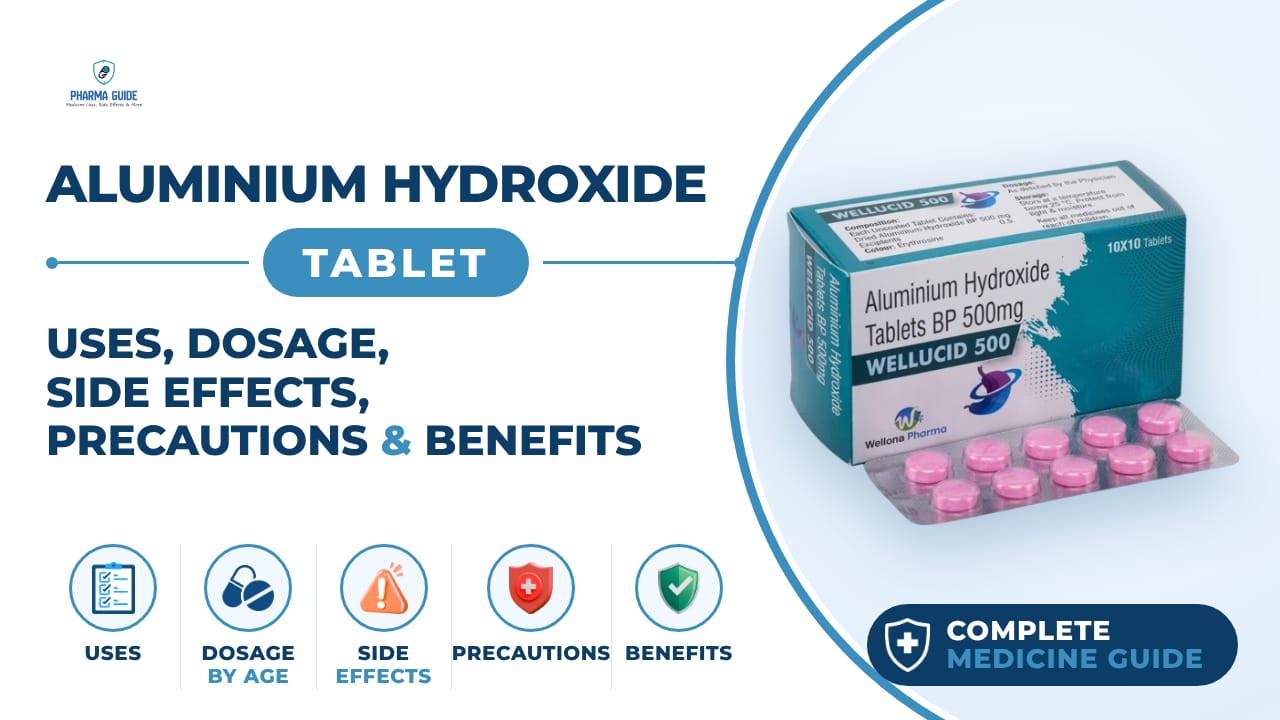
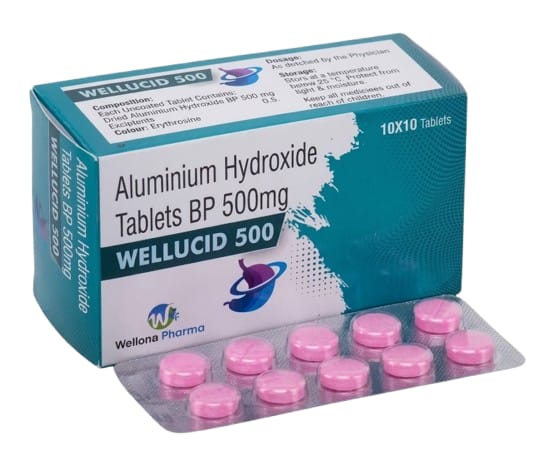
| Generic name | Aluminium hydroxide |
|---|---|
| Drug class | Antacid |
| Forms | Capsules, Tablets, Oral suspension, Liquid, Chewable tablets, Gel, Ointment |
Quick overview
Aluminium Hydroxide Tablet is an antacid that neutralizes excess stomach acid, helping to relieve indigestion and heartburn. It is also used to help control high phosphate levels in people with kidney disease. It may be used alone or combined with other medicines, such as for treating peptic ulcers.
What is Aluminium Hydroxide Tablet
Aluminium hydroxide is an antacid. It neutralizes excess stomach acid and helps relieve indigestion and heartburn. It can also help reduce how much phosphate your body absorbs from food, which is useful for some people with kidney disease.
Aluminium Hydroxide Tablet uses
- Indigestion and heartburn
- Acid reflux discomfort
- Peptic ulcer (used with other medicines)
- Controlling high phosphate levels in people with kidney disease
- Stress ulcer prevention
Benefits of Aluminium Hydroxide Tablet
- Provides quick relief from heartburn and indigestion
- Neutralizes stomach acid effectively
- Helps protect the stomach lining from acid irritation
- Can be combined with other medicines to treat ulcers
How Aluminium Hydroxide Tablet works
Aluminium hydroxide neutralizes excess acid in the stomach, which relieves indigestion and protects the stomach lining. For phosphate control, it combines with phosphate in the stomach so it passes out in your stool instead of being absorbed into the body.
Aluminium Hydroxide Tablet dosage
Antacids are best taken when symptoms are likely to occur. Take with meals and at bedtime if using for indigestion. This medicine is not suitable for children to take as an antacid.
If using for phosphate control, take the doses spaced out through the day with meals. Leave two hours between taking this medicine and any other medicines, since it can stop other medicines from being absorbed properly.
If taken as a phosphate binder, swallow tablets whole shortly before or with meals; do not take a dose if you miss a meal.
If you forget a dose before or with a meal, wait for your next meal to take your usual dose; do not double up.
| Age group | Dose |
|---|---|
| Under 18 years | Not recommended |
| 18–64 years | 500 mg, 3–4 times/day |
| 65+ years | 500 mg, 3–4 times/day |
Available forms and strengths
- Capsules
- Tablets
- Oral suspension
- Liquid
- Chewable tablets
- Gel
- Ointment
Side effects of Aluminium Hydroxide Tablet
Common
- Constipation
- Diarrhea (rarely)
- Stomach cramps
- Changes in bowel movements
- Loss of appetite
- Unusual tiredness
- Nausea and vomiting
- Chalky taste
Serious
- Fecal impaction
- Weak bones, bone pain, or fractures from increased aluminium levels (especially with kidney problems)
- Brain disorders from increased aluminium levels
- Signs of low phosphate such as unusual tiredness, muscle weakness and confusion
- Proximal myopathy
- Encephalopathy
- Dementia
- Allergic reaction: skin rash, itching or swelling of the face, tongue, or throat, breathing difficulty
- Bloody or tarry stools
Warnings and precautions
- This medicine is not recommended during pregnancy unless your doctor says it is clearly needed. Talk to your doctor about the risks and benefits first.
- This medicine is not recommended while breastfeeding. Talk to your doctor about the risks and benefits before taking it.
- Tell your doctor if you have kidney problems before taking this medicine, since aluminium levels in the blood can build up and cause serious side effects, especially in people with kidney disease.
- Tell your doctor or pharmacist if you have any problems with how your liver works before taking this medicine.
- It isn't clear how this medicine interacts with alcohol, so check with your doctor before drinking.
- Never take more than the dose your doctor or pharmacist prescribed.
- This medicine is only for you — never give it to someone else, even if they seem to have the same condition.
- Avoid this medicine if you have severe constipation, as it may make the condition worse and lead to a blocked bowel.
- This medicine can interfere with other medicines and stop them from working properly, so leave a gap of a few hours between doses.
- Older people have a higher risk of a hardened stool mass getting stuck in the bowel, so use this medicine carefully if you are elderly.
Storage
- Keep all medicines out of the reach and sight of children.
- Store in a cool, dry place, away from direct heat and light.
- Store in a well closed container, below 40°C. Protect from sunlight, moisture and heat.
- Do not keep out-of-date or unwanted medicines. Take them to your local pharmacy which will dispose of them for you.
When to see a doctor
- Speak to your doctor as soon as possible if you have difficulty swallowing, see blood or dark stools, lose weight, or are being sick, since these could point to a more serious problem.
- Get medical help right away if you notice signs of an allergic reaction, such as a skin rash, swelling of the face, tongue or throat, or trouble breathing.
- If you think you or someone else has taken too much of this medicine, go to the emergency department of your local hospital and bring the container with you.
- Tell your doctor right away if you notice signs of low phosphate, such as unusual tiredness, muscle weakness, and confusion.
Alternatives
- Magaldrate
- Calcium Carbonate
- Magnesium Hydroxide
Watch the video
FAQs
What is Aluminium Hydroxide Tablet used for?
It is used to relieve indigestion, heartburn, and acid reflux discomfort, to help treat peptic ulcers alongside other medicines, and to control high phosphate levels in people with kidney disease.
How does Aluminium Hydroxide Tablet work?
It neutralizes excess stomach acid, relieving indigestion and protecting the stomach lining. For phosphate control, it binds phosphate in the stomach so it passes out in the stool instead of being absorbed.
What is the dosage for Aluminium Hydroxide Tablet?
For adults aged 18 to 64 and those 65 and older, the dose is 500 mg taken 3 to 4 times a day. It is not recommended for use in children under 18.
What are the common side effects of Aluminium Hydroxide Tablet?
Common side effects include constipation, diarrhea, stomach cramps, changes in bowel movements, loss of appetite, unusual tiredness, nausea, vomiting, and a chalky taste.
Can I take Aluminium Hydroxide Tablet with other medicines?
You should leave a gap of about two hours between this medicine and other medicines, as it can stop them from being absorbed properly.
General information, not medical advice
Your prescriber and the leaflet in your pack know your situation. This page does not.
- Follow your prescriber and the leaflet
- Don't start, stop, or change a dose on your own
- Doses and warnings differ by country and product
Sources
Video
Related medicines
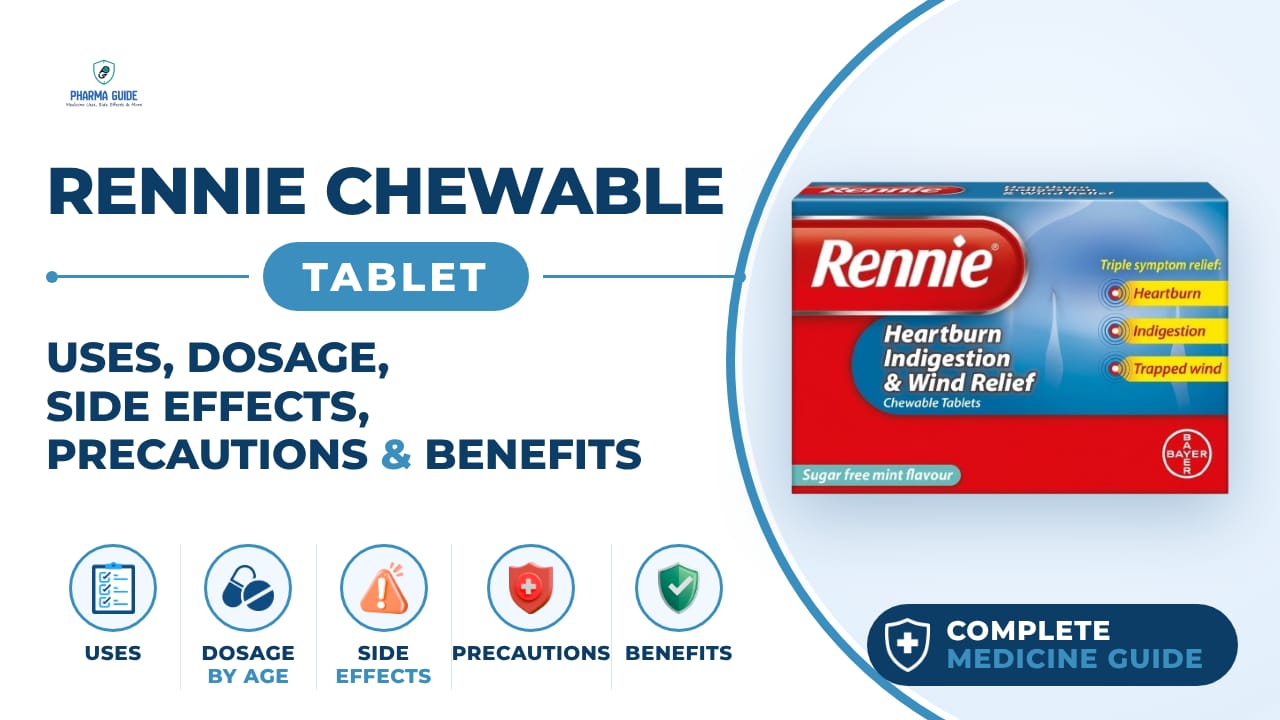
Rennie Chewable Tablet: Uses, Dosage, Side Effects, Precautions and Alternates
Antacid
Rennie Chewable Tablet relieves heartburn, acid indigestion, and trapped wind by neutralising stomach acid. Learn uses, dosage, side effects, and precautions.
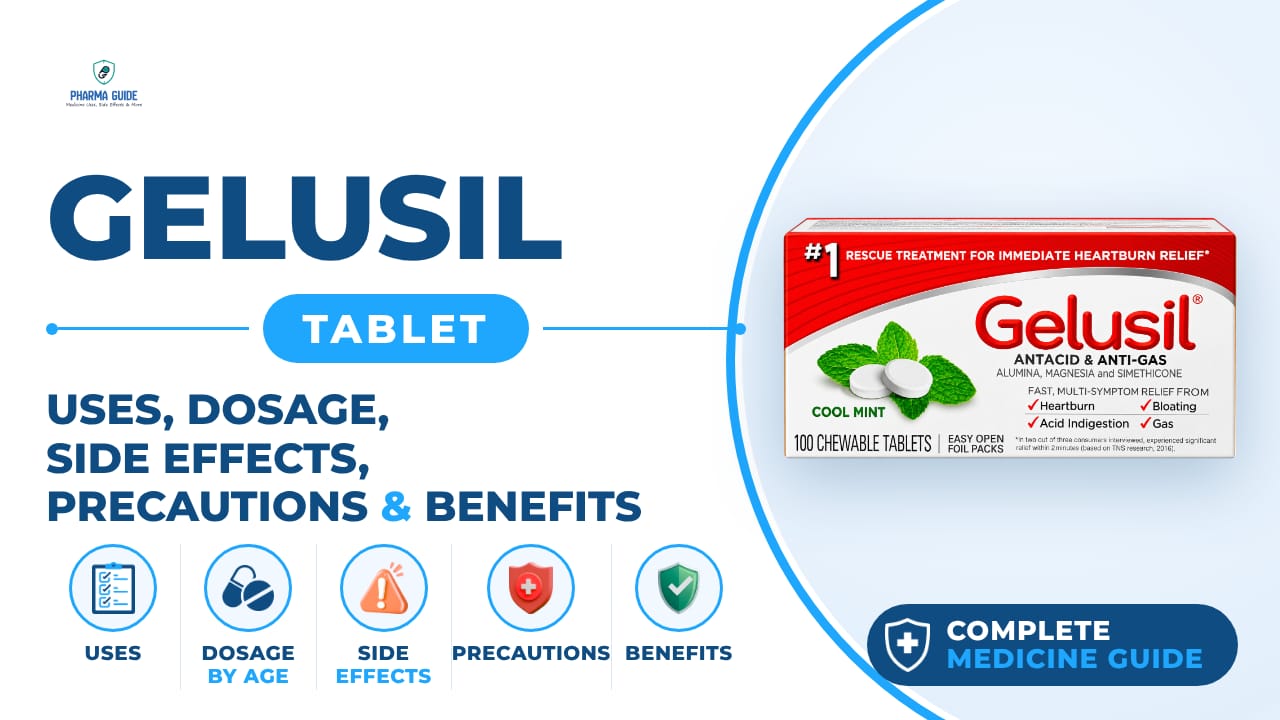
Gelusil Tablet: Uses, Dosage, Side Effects, Precautions and Alternates
Antacid
Gelusil Tablet relieves heartburn, acid indigestion, and gas by neutralizing stomach acid and breaking down gas bubbles. Learn uses, dosage, and side effects.