
Safety
General information, not medical advice
Your prescriber and the leaflet in your pack know your situation. This page does not.
- Follow your prescriber and the leaflet
- Don't start, stop, or change a dose on your own
- Doses and warnings differ by country and product
Ambroxol Tablet: Uses, Dosage, Side Effects, Precautions and Alternates
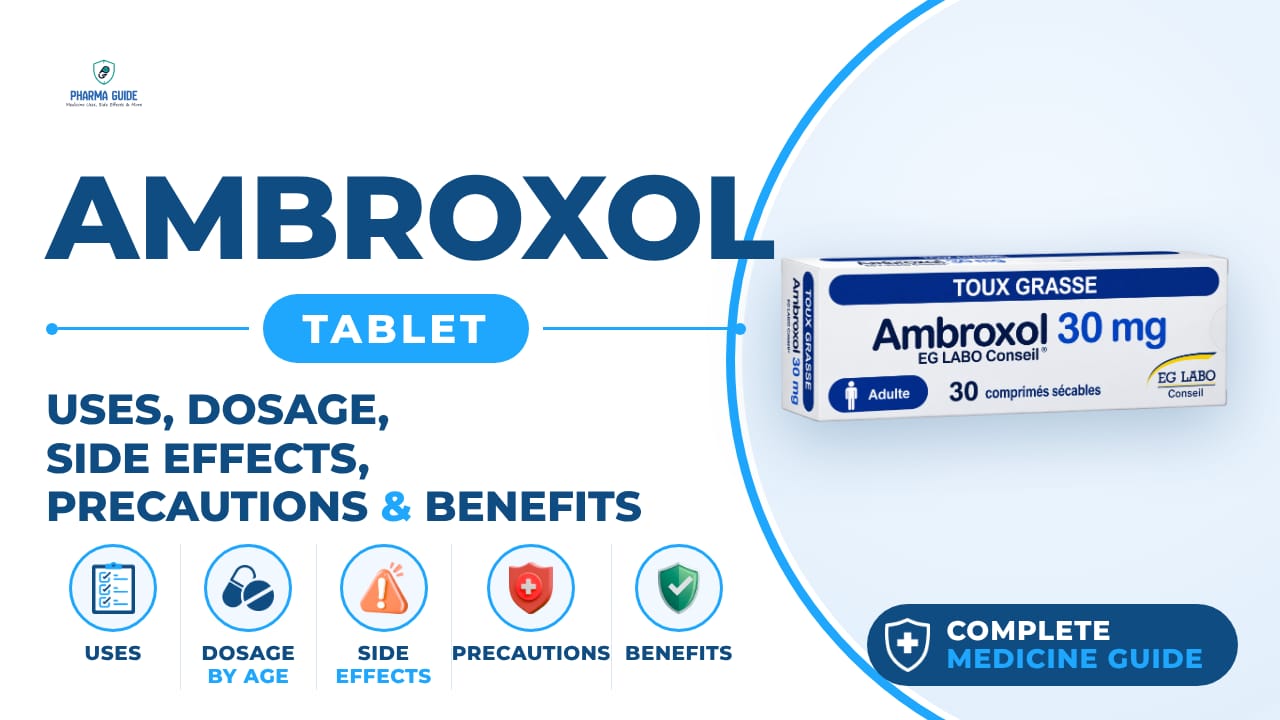
| Generic name | Ambroxol hydrochloride |
|---|---|
| Drug class | Mucolytic / Expectorant |
| Forms | Tablet, Syrup, Oral drops, Sustained release capsule, Oral solution |
Quick overview
Ambroxol Tablet (ambroxol hydrochloride) is a mucolytic and expectorant medicine used to help thin and loosen mucus in the airways. It is used for acute respiratory conditions with poor mucus clearance, such as flare-ups of chronic bronchitis, asthmatic bronchitis, bronchial asthma, and bronchiectasis. It works by increasing airway fluid, supporting surfactant production, and boosting cilia movement to help clear mucus. Common side effects include taste changes and mild stomach upset, while rare but serious skin reactions require immediate medical attention.
What is Ambroxol Tablet
Ambroxol is a medicine that belongs to a group of medicines called mucolytics. It helps thin and loosen mucus in the airways so it can be cleared more easily.
Ambroxol Tablet uses
- Treatment of acute respiratory tract diseases with impaired formation of secretions, particularly in acute exacerbations of chronic bronchitis, asthmatic bronchitis, bronchial asthma and bronchiectasis
- Treatment of respiratory disorders associated with viscid mucus such as pneumonia, otitis media, sinusitis, nasopharyngitis (in some markets)
- Mucous-dissolving treatment in diseases of the bronchi and lungs with thick mucus, in adults and children from 2 years old
- All forms of tracheobronchitis, emphysema with bronchitis, pneumoconiosis, chronic inflammatory pulmonary conditions, bronchiectasis, bronchitis with bronchospasm asthma
Benefits of Ambroxol Tablet
- Helps loosen and thin thick mucus so it can be coughed up more easily
- May help reduce coughing by improving mucus clearance
- Has a local numbing effect that may help relieve sore throat pain
How Ambroxol Tablet works
Ambroxol increases fluid secretion in the airways, helps produce surfactant, and boosts the tiny hair-like structures (cilia) that move mucus. This helps mucus flow and clear out more easily, which eases expectoration and can reduce coughing.
Ambroxol Tablet dosage
Tablets should be taken after a meal with adequate fluid. The syrup or oral solution can be taken with or without food. Sustained release capsules should be swallowed whole without chewing after a meal with adequate fluid. Do not take a double dose to make up for a forgotten dose. Talk to a doctor if you do not feel better, or feel worse, after about 5 days of use (within 3 days for children under 6 years).
| Age group | Dose |
|---|---|
| Under 6 years | 30 mg tablet not recommended; use an age-appropriate pediatric formulation instead. |
| 6–11 years | ½ tablet (15 mg), 2–3 times daily. |
| 12–17 years | 1 tablet (30 mg), 2–3 times daily. |
| 18+ years | 1 tablet (30 mg), 2–3 times daily. |
Available forms and strengths
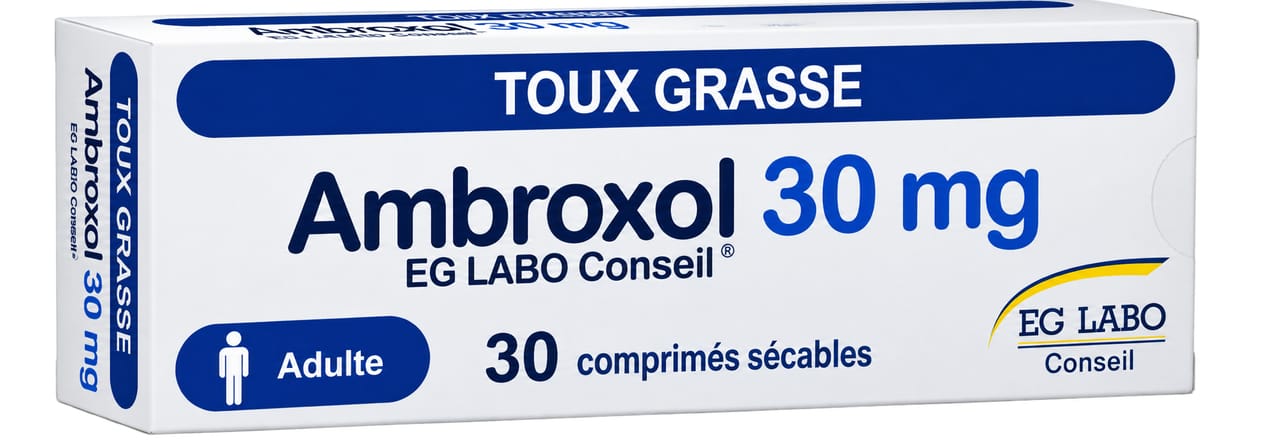
- Tablet (30 mg)
- Syrup
- Oral drops
- Sustained release capsule
- Oral solution
Side effects of Ambroxol Tablet
Common
- Diarrhoea
- Taste alteration
- Nausea
- Decreased sensitivity at the mouth and pharynx
- Mild gastrointestinal symptoms such as vomiting, dyspepsia, dry mouth, abdominal pain
Serious
- Severe allergic (anaphylactic) reactions including facial swelling, respiratory distress, fever, shivering, or anaphylactic shock
- Severe skin reactions such as Stevens-Johnson syndrome, toxic epidermal necrolysis (Lyell's syndrome), and acute generalized exanthematous pustulosis
- Angioedema (fast swelling of the skin, tissues under the skin, mucosa or submucosa)
- Skin rash, hives (urticaria), itchy skin
Warnings and precautions
- This medicine should not be used, or used only with caution, in people prone to peptic (stomach) ulcers, since it may affect the stomach lining.
- People with a lung condition affecting the ability to move mucus (ciliary dyskinesia) or with a bronchial motor activity disorder combined with heavy mucus production should be cautious, or avoid this medicine, due to risk of mucus blocking the airway.
- Do not take this medicine together with cough suppressants (antitussives), as this can stop mucus from being cleared and cause it to build up in the lungs.
- Very rare but severe skin reactions such as Stevens-Johnson syndrome and toxic epidermal necrolysis have been reported with this medicine.
- Tablets contain lactose and should not be taken by people with certain rare hereditary conditions affecting sugar processing.
- People with an intolerance to histamine-rich foods should avoid long-term use, since this medicine can affect histamine processing in the body and cause symptoms like headache, runny nose, or itching.
- Caution is advised when using this medicine during pregnancy.
- It is not recommended during the first three months of pregnancy, though later use has not shown harm to the baby in studies.
- This medicine passes into breast milk and is generally not recommended while breastfeeding, although no harm to the breastfed infant is expected.
- People with severe kidney problems should only use this medicine under a doctor's supervision, as the dose may need to be reduced or spaced out more.
- People with severe liver problems should only use this medicine under a doctor's supervision.
- No studies have looked at how this medicine affects the ability to drive or use machines, and its effect is not known, though there is no evidence it causes problems.
Storage
- Store at temperatures not exceeding 30°C. Protect from light.
- Keep this medicine out of the sight and reach of children.
- Do not use this medicine after the expiry date which is stated on the label after EXP.
- After opening the bottle for the first time, the medicine remains stable for 6 months.
- This medicine does not require any special storage conditions.
- Do not freeze.
- Do not throw away any medicines via wastewater or household waste. Ask your pharmacist how to throw away medicines you no longer use.
When to see a doctor
- Get medical help right away and stop taking this medicine if you develop a new skin rash or sores in the mouth, throat, nose, eyes, or genitals.
- See a doctor if you do not feel better, or you feel worse, after about 5 days of treatment (or within 3 days for children under 6 years).
- If there is any new damage to the skin or the lining of the mouth or other mucous membranes, get medical advice immediately and stop using this medicine.
Alternatives
- Bromhexine
- Acetylcysteine (NAC)
- Carbocisteine
- Erdosteine
- Guaifenesin
Watch the video
FAQs
What is Ambroxol Tablet used for?
It treats acute respiratory conditions with poor mucus clearance, such as flare-ups of chronic bronchitis, asthmatic bronchitis, bronchial asthma, and bronchiectasis.
How does Ambroxol Tablet work?
It increases airway fluid secretion, supports surfactant production, and boosts cilia movement, helping mucus flow and clear out more easily, which eases expectoration and can reduce coughing.
What is the dosage of Ambroxol Tablet for adults?
Adults (18+ years) typically take 1 tablet (30 mg) 2–3 times daily, taken after a meal with adequate fluid.
What are the common side effects of Ambroxol Tablet?
Common side effects include diarrhoea, taste alteration, nausea, decreased sensitivity at the mouth and pharynx, and mild gastrointestinal symptoms like vomiting, dyspepsia, dry mouth, or abdominal pain.
Can Ambroxol Tablet be taken with cough suppressants?
No, it should not be taken with cough suppressants (antitussives), as this can stop mucus from being cleared and cause it to build up in the lungs.
General information, not medical advice
Your prescriber and the leaflet in your pack know your situation. This page does not.
- Follow your prescriber and the leaflet
- Don't start, stop, or change a dose on your own
- Doses and warnings differ by country and product
Sources
Video
Related medicines
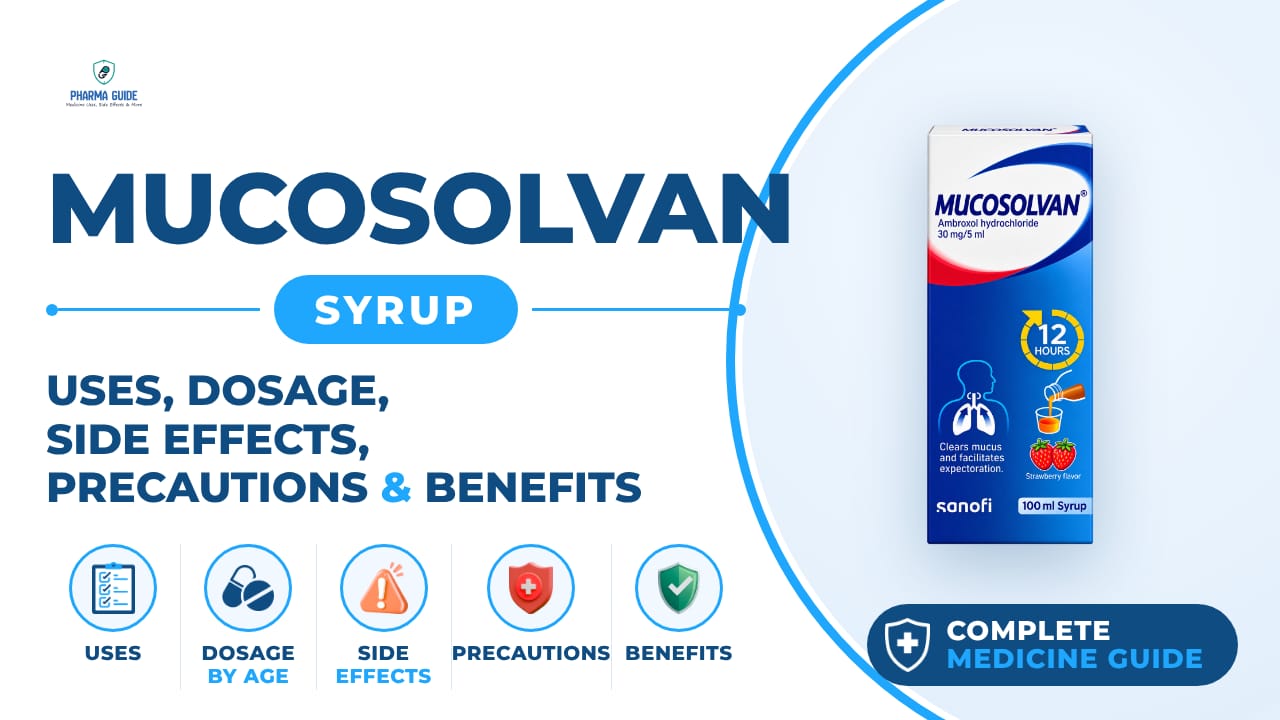
Mucosolvan Syrup: Uses, Dosage, Side Effects, Precautions and Alternates
Mucolytic (expectorant)
Mucosolvan Syrup contains ambroxol hydrochloride, a mucolytic that thins mucus for easier clearance. Learn uses, dosage by age, side effects, and precautions.

Injectafer Injection: Uses, Dosage, Side Effects, Precautions and Alternates
Iron products
Injectafer (ferric carboxymaltose) treats iron deficiency anemia and heart failure-related iron deficiency via IV. Learn uses, dosage, side effects, and