
Safety
General information, not medical advice
Your prescriber and the leaflet in your pack know your situation. This page does not.
- Follow your prescriber and the leaflet
- Don't start, stop, or change a dose on your own
- Doses and warnings differ by country and product
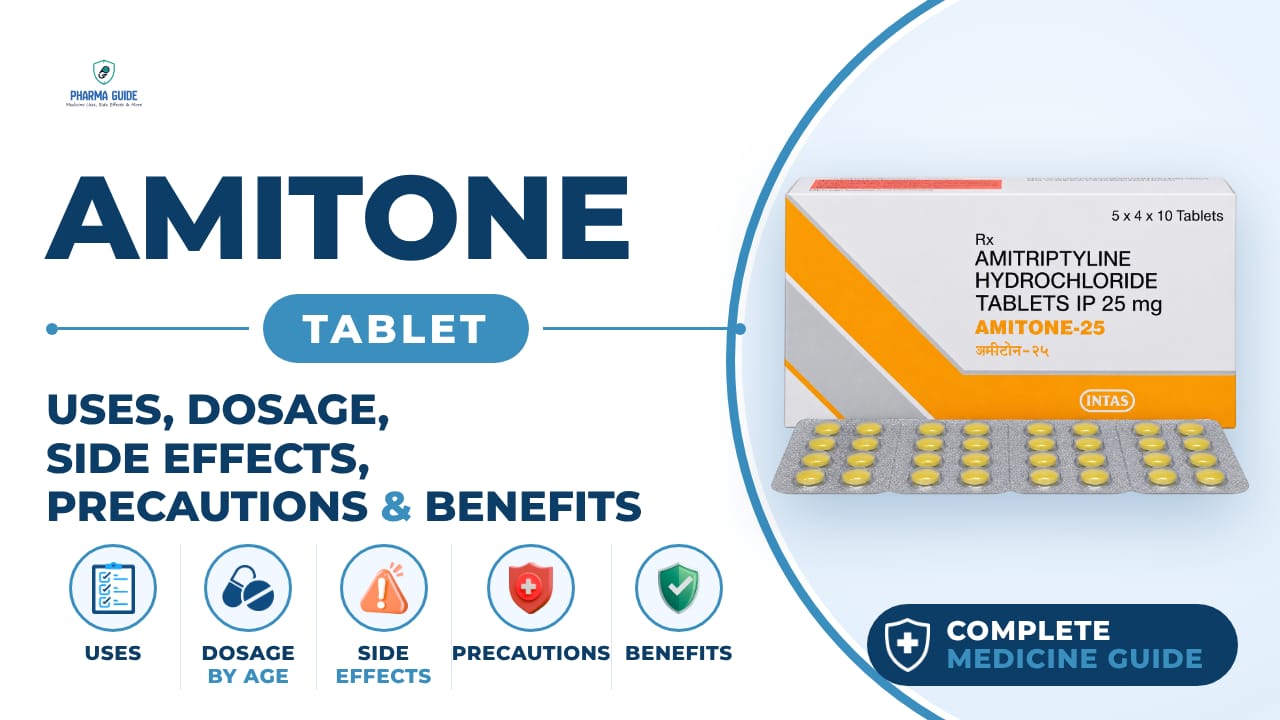
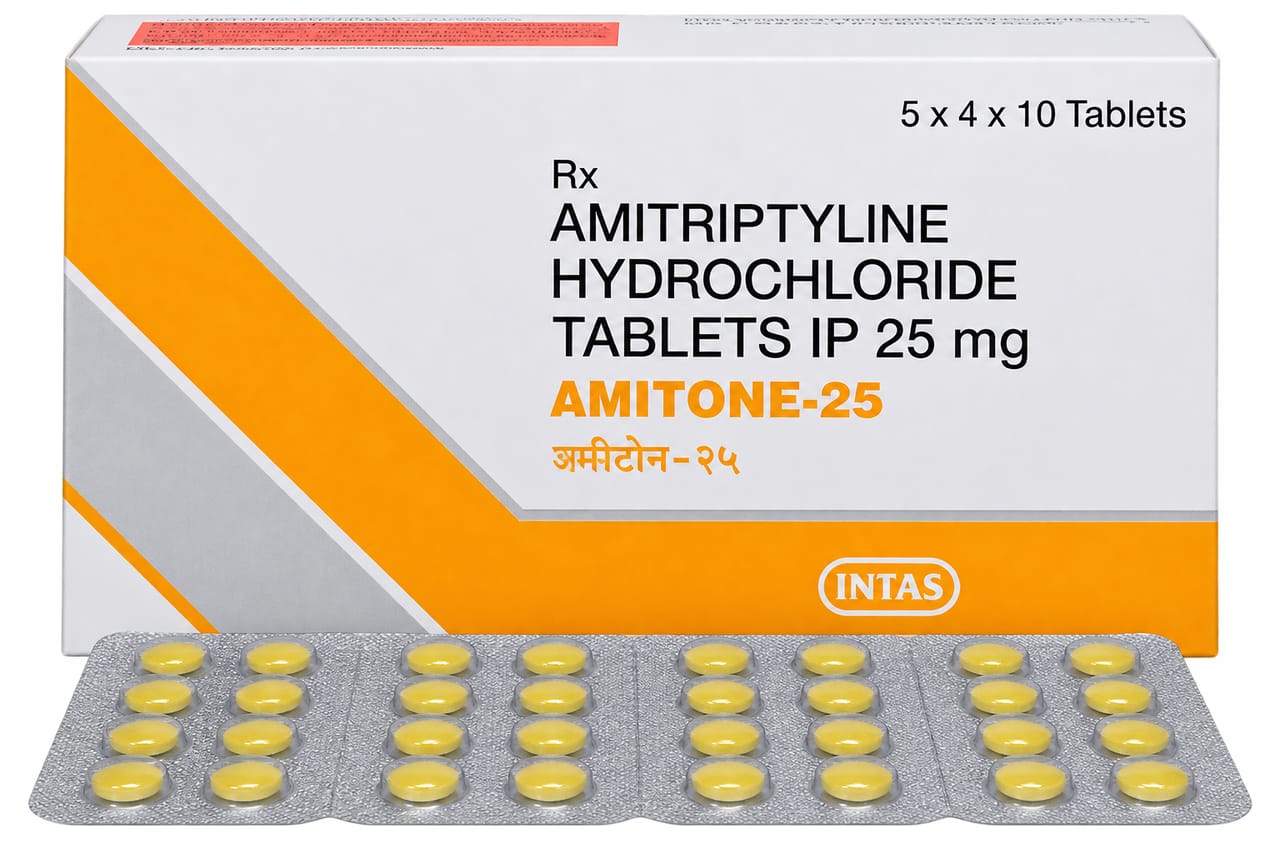
Amitone Tablet: Uses, Dosage, Side Effects, Precautions and Alternates
| Generic name | Amitriptyline |
|---|---|
| Drug class | Tricyclic Antidepressant (TCA) |
| Forms | Tablet, Injection |
Quick overview
Amitone Tablet contains Amitriptyline, a tricyclic antidepressant (TCA). It is used to treat long-term depression and to prevent chronic nerve pain and migraines. At low doses, it is also used for managing sleep problems caused by chronic pain. It works by increasing levels of mood- and pain-regulating chemicals in the brain.
What is Amitone Tablet
Amitone Tablet contains Amitriptyline, a tricyclic antidepressant. It is used to treat long-term depression and to prevent chronic nerve pain and migraines. At low doses, it is also used for managing sleep problems caused by chronic pain.
Amitone Tablet uses
- Depression
- Neuropathic (nerve) pain, including diabetic neuropathy, postherpetic neuralgia, and peripheral nerve injuries
- Pain management for conditions like fibromyalgia and tension headaches
- Migraine prevention
- Tension-type headache
Benefits of Amitone Tablet
- May improve low mood, poor sleep, reduced interest, and anxiety linked with depression
- Helps calm overactive pain pathways in nerve-related pain and fibromyalgia
How Amitone Tablet works
This medicine works by blocking the reuptake of serotonin and norepinephrine in the brain, which increases the amount of these mood- and pain-regulating chemicals available. This helps improve mood and reduces the transmission of pain signals, especially for nerve-related pain. It also has a natural sedative effect.
Amitone Tablet dosage
Take exactly as your doctor recommends. Swallow the tablet whole with water, after a meal, to avoid stomach discomfort. Do not cut, break, or chew the tablet. Take at a fixed time each day for best results.
Usually taken once daily, preferably in the evening or at bedtime, because it may cause sleepiness and this helps reduce daytime drowsiness. It can be taken with or without food.
Do not stop taking this medicine suddenly without consulting your doctor, as this can cause withdrawal symptoms such as headache, weakness, fatigue, sleep disturbances, or irritability; your doctor may reduce your dose gradually.
It may take several weeks (commonly 4 to 6 weeks) to see the full improvement in mood or pain. This medicine is not routinely recommended for children and adolescents under 18 years of age. Older adults may need lower starting doses and closer monitoring due to increased sensitivity.
| Age group | Dose |
|---|---|
| Under 18 years | Not recommended for depression/pain |
| 18–60 years | 25–75 mg once daily |
| 60+ years | 10–25 mg once daily |
Available forms and strengths
- Tablet
- Injection
Side effects of Amitone Tablet
Common
- Dry mouth
- Constipation
- Drowsiness/sleepiness
- Dizziness, including when standing up suddenly
- Shakiness/tremor
- Headache
- Weight gain
- Slurred or slow speech
- Nausea and vomiting
- Indigestion and stomach discomfort
- Nasal congestion
- Excessive sweating
- Increased thirst
- Blurred vision
- Confusion and lack of attention
- Decreased sex drive
- Difficulty passing urine
- Changes in taste
Serious
- Suicidal thoughts or behavior
- Mania or significant mood changes
- Irregular heartbeat or fast heartbeat
- Severe allergic reaction: skin rash, itching or swelling of face/tongue/throat, severe dizziness, breathing difficulty
- Seizures
- Severe confusion, hallucinations, or agitation
Warnings and precautions
- Do not take this medicine if you are allergic to amitriptyline or any other tricyclic antidepressant.
- Do not take this medicine if you have taken MAOI antidepressants within the last 14 days, as this can cause serious interactions.
- This medicine is not recommended if you have recently had a heart attack or have certain heart problems, as it may worsen these conditions.
- Use with caution if you have glaucoma, as this medicine can increase pressure in the eye and worsen the condition.
- Use with caution if you have a history of seizures, as this medicine may increase seizure risk.
- Do not stop this medicine suddenly, as it may cause withdrawal symptoms like headache, weakness, fatigue, sleep problems, and irritability. Your doctor will help you reduce the dose gradually.
- This medicine should only be used in pregnancy if your doctor decides it is clearly necessary, after weighing the possible risks to the baby against the benefits to you.
- This medicine can pass into breast milk and may affect your baby. Talk to your doctor about whether to continue breastfeeding or continue the medicine.
- If you have kidney problems, your doctor may need to adjust your dose and monitor your kidney function regularly.
- This medicine is broken down by the liver, so it is not recommended if you have severe liver disease, and your doctor may monitor your liver function if you have existing liver problems.
- Avoid alcohol while taking this medicine, as it can significantly increase drowsiness, dizziness, and impaired judgment.
- This medicine can cause drowsiness and slower reaction times. Avoid driving or operating machinery until you know how it affects you.
Storage
- Store at room temperature (15-25°C)
- Protect from light and moisture
- Keep away from children
- Do not use after the expiry date has passed
When to see a doctor
- Get emergency help right away if you have signs of a severe allergic reaction, such as skin rash, itching or swelling of the face, tongue, or throat, severe dizziness, or difficulty breathing.
- Stop taking this medicine and contact your doctor immediately if you have thoughts of harming or killing yourself, or feelings of anxiety.
- Contact your doctor immediately if you notice mania (excessive excitement, rapidly changing ideas, or unusually high physical activity) or any change in mood or behavior.
- If you or someone else has taken too much of this medicine by accident, get immediate medical attention from a doctor or nearby hospital. Overdose symptoms can include drowsiness, dry mouth, constipation, slurred speech, nausea and vomiting, fast or irregular heartbeat, fits, confusion, and extreme drowsiness.
Alternatives
- Tryptomer
- Eliwel
- AmICON
Watch the video
FAQs
What is Amitone Tablet used for?
Amitone Tablet contains Amitriptyline and is used to treat long-term depression, prevent chronic nerve pain and migraines, and at low doses, manage sleep problems caused by chronic pain.
How does Amitone Tablet work?
It works by blocking the reuptake of serotonin and norepinephrine in the brain, increasing the amount of these mood- and pain-regulating chemicals, which improves mood and reduces pain signal transmission.
How should I take Amitone Tablet?
Swallow the tablet whole with water, usually once daily in the evening or at bedtime, with or without food. Do not cut, break, or chew it, and take it at a fixed time each day.
How long does Amitone Tablet take to work?
It may take several weeks, commonly 4 to 6 weeks, to see the full improvement in mood or pain.
Can I stop taking Amitone Tablet suddenly?
No, you should not stop suddenly without consulting your doctor, as this can cause withdrawal symptoms such as headache, weakness, fatigue, sleep disturbances, or irritability.
General information, not medical advice
Your prescriber and the leaflet in your pack know your situation. This page does not.
- Follow your prescriber and the leaflet
- Don't start, stop, or change a dose on your own
- Doses and warnings differ by country and product
Sources
- K.D. Tripathi. Essentials of Medical Pharmacology. Seventh edition. 2013.
- Amitriptyline: Uses, Interactions, Mechanism of Action - DrugBank Online.
- Amitriptyline. Drugs and Lactation Database (LactMed) - NCBI Bookshelf.
- Amitriptyline Disease Interactions - Drugs.com.
- Thour, A. (2023). Amitriptyline. StatPearls - NCBI Bookshelf.
- NHS - Amitriptyline for depression.
- Mayo Clinic - Amitriptyline oral route description.
- NICE guidance cg173.
Video
Related medicines
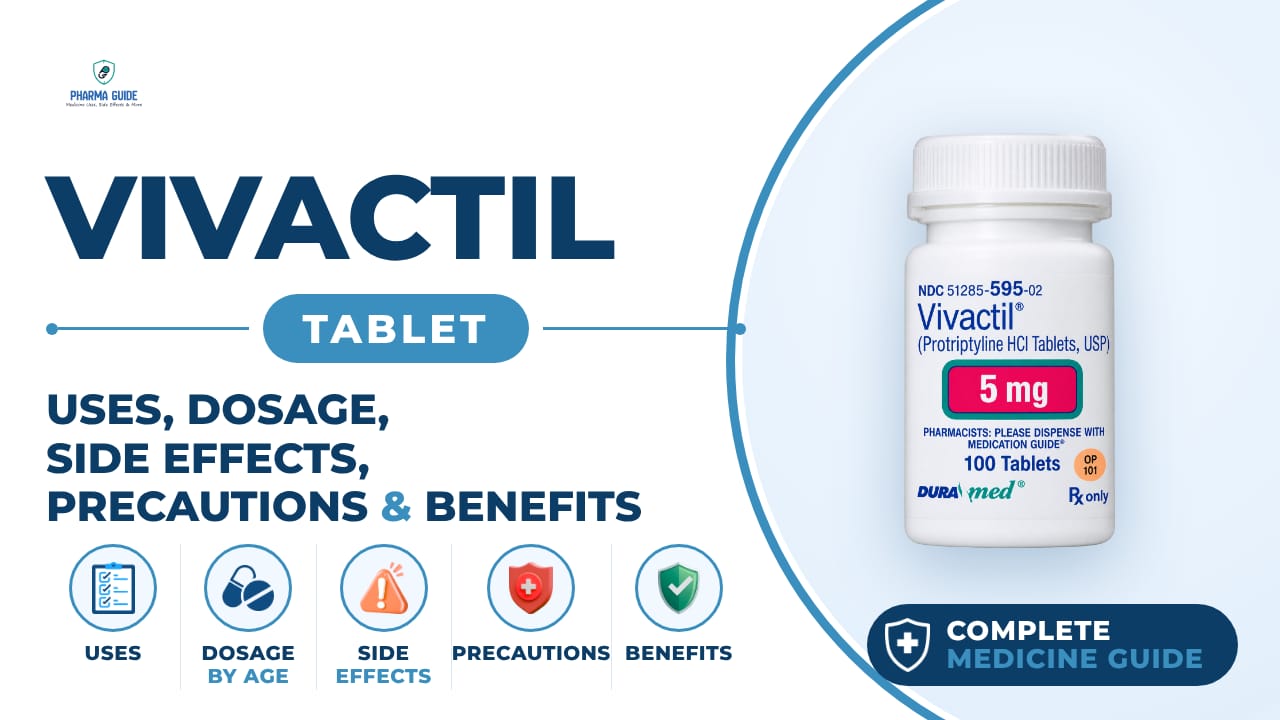
Vivactil Tablet: Uses, Dosage, Side Effects, Precautions and Alternates
Tricyclic antidepressant (TCA)
Vivactil Tablet (protriptyline) is a tricyclic antidepressant for depression, especially in withdrawn or low-energy patients. Learn dosage, uses, and side
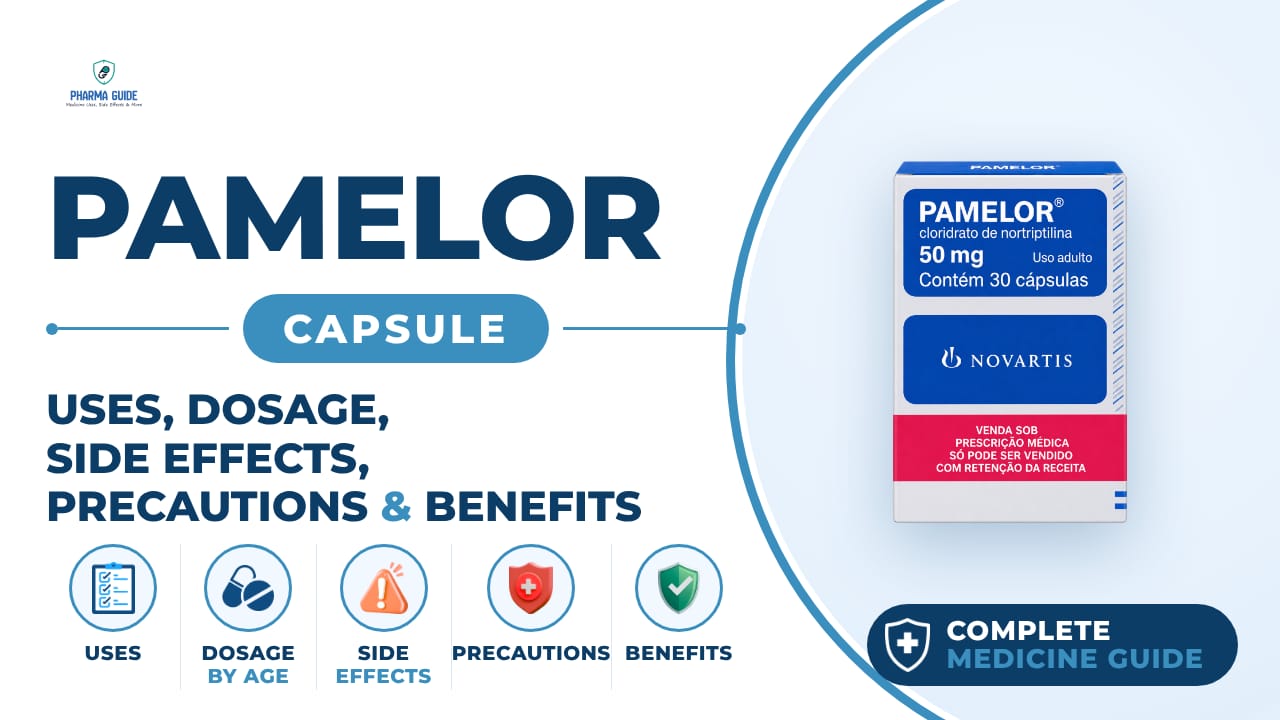
Pamelor Capsule: Uses, Dosage, Side Effects, Precautions and Alternates
Tricyclic antidepressant (TCA)
Pamelor Capsule (nortriptyline) treats depression in adults by raising mood-related brain chemicals. Learn uses, dosage, side effects, and precautions.