
Safety
General information, not medical advice
Your prescriber and the leaflet in your pack know your situation. This page does not.
- Follow your prescriber and the leaflet
- Don't start, stop, or change a dose on your own
- Doses and warnings differ by country and product
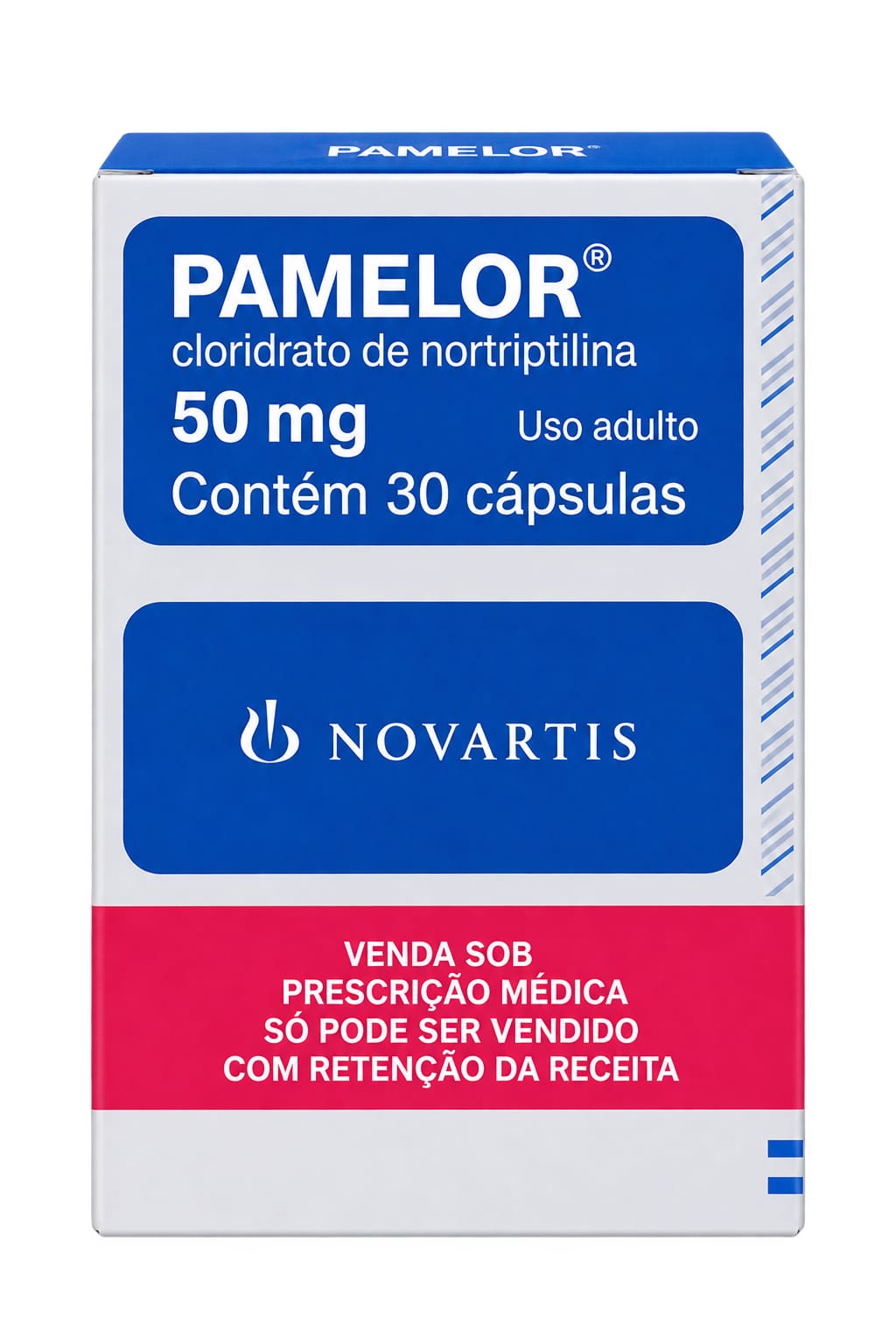
Pamelor Capsule: Uses, Dosage, Side Effects, Precautions and Alternates
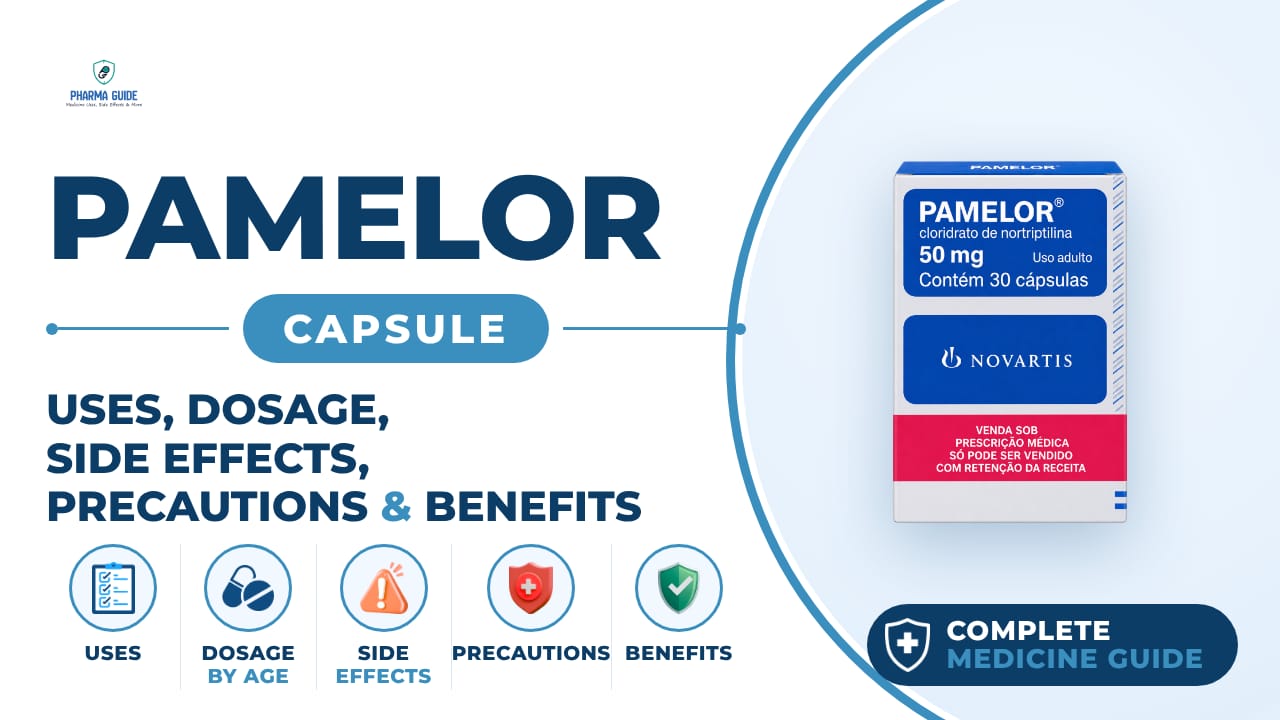
| Generic name | nortriptyline hydrochloride |
|---|---|
| Drug class | Tricyclic antidepressant (TCA) |
| Forms | Capsules (10 mg, 25 mg, 50 mg, 75 mg), Oral solution (10 mg/5 mL) |
Quick overview
Pamelor Capsule (nortriptyline hydrochloride) is a tricyclic antidepressant used to treat symptoms of depression in adults. It is thought to work by raising levels of brain chemicals such as serotonin and norepinephrine that help control mood. It is not approved for use in children, and it is sometimes prescribed for nerve pain depending on the patient's condition.
What is Pamelor Capsule
Pamelor is a tricyclic antidepressant (TCA) used to treat symptoms of depression in adults. It is not approved for use in children.
Pamelor Capsule uses
- Treats depression.
- Helps reduce persistent sadness.
- May help manage loss of interest in daily activities.
- May help improve emotional well-being.
- Sometimes prescribed for nerve pain, depending on the patient's condition.
Benefits of Pamelor Capsule
- May improve mood and emotional well-being.
- May reduce persistent sadness.
- May help improve concentration when depression improves.
- May support daily functioning.
- May help manage symptoms of depression.
How Pamelor Capsule works
Scientists aren't exactly sure how Pamelor works, but it's thought to raise levels of certain brain chemicals, including serotonin and norepinephrine, that help control mood.
Pamelor Capsule dosage
Pamelor is taken by mouth, either all at once or split into smaller doses throughout the day. It can be taken with or without food; taking it with food may help if it upsets your stomach. Do not crush or chew the capsules unless your doctor tells you to. If using the liquid form, measure it with the syringe or dosing device provided, not a kitchen spoon.
Pamelor is not recommended for children. Lower doses are generally used for elderly patients and adolescents compared with other adults. It may take several weeks before you notice improvement in your symptoms. Do not stop taking this medicine suddenly without talking to your doctor, as this can cause withdrawal symptoms.
If you miss a dose, take it as soon as you remember, but skip it if it is almost time for your next dose; do not take a double dose.
| Age group | Dose |
|---|---|
| Under 18 years | Not recommended |
| 18–64 years | 25 mg, three times/day |
| 65+ years | 25 mg, three times/day |
Available forms and strengths
- Capsules: 10 mg, 25 mg, 50 mg, 75 mg
- Oral solution: 10 mg/5 mL
Side effects of Pamelor Capsule
Common
- Dry mouth
- Constipation
- Blurred vision
- Dizziness
- Increased heart rate
- Nausea and vomiting
- Changes in taste
- Loss of appetite
- Numbness or tingling in hands or feet
- Rash or itching
- Breast swelling (in men or women)
- Changes in blood pressure
- Drowsiness
- Weight gain or loss
- Sweating
Serious
- Fast, irregular, or pounding heartbeat; chest pain
- Signs of a heart attack: chest pain, cold sweats, left arm pain, difficulty breathing
- Signs of a stroke: sudden numbness, weakness, confusion, or difficulty talking
- Seizures (convulsions)
- Worsening depression, new or worse anxiety, agitation, panic attacks, irritability, aggressiveness, or thoughts of suicide or self-harm
- Signs of serotonin syndrome: agitation, hallucinations, fever, sweating, shivering, fast heart rate, muscle stiffness, twitching, loss of coordination, nausea, vomiting, diarrhea
- Severe allergic reaction: hives, difficulty breathing, swelling of face, lips, tongue, or throat
- Eye pain, vision changes, seeing halos around lights, or swelling/redness in or around the eye (possible angle-closure glaucoma)
- Painful or difficult urination
- Jaundice (yellowing of the skin or eyes)
- Easy bruising, unusual bleeding, fever, or sore throat
- Fainting or abnormal heartbeats (possible sign of Brugada syndrome)
Warnings and precautions
- Antidepressants can increase the risk of suicidal thoughts and behavior in children, teens, and young adults, especially in the first few months of treatment or after a dose change. Pamelor is not approved for use in children.
- Do not take Pamelor with, or within 14 days of stopping, an MAOI, because this combination can cause a dangerous reaction called serotonin syndrome.
- Pamelor should not be used right after a heart attack, during the acute recovery period.
- People with heart disease should only take Pamelor under close medical supervision, since it can cause a fast heart rate, slow the heart's electrical conduction, and has been linked to heart attacks, abnormal heart rhythms, and strokes.
- Pamelor can lower the seizure threshold, so people with a history of seizures should be watched closely while taking it.
- There have been reports linking Pamelor to unmasking Brugada syndrome, a heart rhythm disorder that carries a risk of sudden death.
- Pamelor can widen the pupils slightly, which in susceptible people may trigger an attack of angle-closure glaucoma.
- Taking Pamelor with other serotonergic drugs can lead to a potentially life-threatening condition called serotonin syndrome.
- Drinking too much alcohol while taking Pamelor may increase the danger of suicide attempts or overdose, especially in people with a history of emotional problems or suicidal thoughts.
- Stopping Pamelor suddenly after long-term use can cause withdrawal symptoms like nausea, headache, and a general feeling of being unwell.
- It isn't known if Pamelor is safe during pregnancy. Tell your doctor if you are pregnant or planning to become pregnant so they can weigh the benefits against possible risks.
- It isn't known if Pamelor passes into breast milk or if it could harm a nursing baby, so talk to your doctor before breastfeeding.
- In elderly patients, liver problems such as jaundice and abnormal liver tests have rarely been seen, and there have been isolated reports of death from liver damage.
- Do not drink alcohol while taking Pamelor, as it can make side effects like dizziness and drowsiness worse and may increase the risk of dangerous effects or even death.
- Pamelor can affect your alertness, coordination, and reactions, so avoid driving or operating machinery until you know how the medicine affects you.
Storage
- Store at 20° to 25°C (68° to 77°F) [see USP Controlled Room Temperature]
- Dispense in tight container (USP) with a child-resistant closure
- Store at room temperature away from moisture and heat. Keep the bottle tightly closed when not in use
When to see a doctor
- Get medical help right away if you or a family member has new or worsening depression, anxiety, agitation, panic attacks, trouble sleeping, irritability, aggressive or impulsive behavior, or thoughts of suicide.
- Seek emergency help for signs of an allergic reaction, such as hives, trouble breathing, or swelling of the face, lips, tongue, or throat.
- Call your doctor right away for blurred vision, eye pain or swelling, seeing halos around lights, fainting feelings, seizures, chest pain, pounding or fluttering heartbeats, sudden numbness or weakness, problems with speech or balance, fever, sore throat, easy bruising, unusual bleeding, painful urination, or yellowing of the skin or eyes.
- Seek medical help right away if you notice symptoms of serotonin syndrome, such as agitation, hallucinations, fever, sweating, shivering, fast heart rate, muscle stiffness, twitching, loss of coordination, nausea, vomiting, or diarrhea.
- If you think you've taken too much Pamelor, get emergency medical help immediately, since an overdose can be fatal.
- Talk to your healthcare provider right away if you faint or notice abnormal heartbeats, which could be a sign of a serious heart condition called Brugada syndrome.
Alternatives
- Desipramine
- Clomipramine
- Amitriptyline
Watch the video
FAQs
What is Pamelor Capsule used for?
Pamelor is a tricyclic antidepressant used to treat symptoms of depression in adults, and it is sometimes prescribed for nerve pain depending on the patient's condition.
How does Pamelor work?
Pamelor is thought to work by raising levels of brain chemicals such as serotonin and norepinephrine, which help control mood.
What is the typical dosage of Pamelor Capsule?
For adults aged 18-64 and those 65 and older, the typical dose is 25 mg, three times a day. Pamelor is not recommended for children under 18.
What are the common side effects of Pamelor?
Common side effects include dry mouth, constipation, blurred vision, dizziness, increased heart rate, nausea, drowsiness, and weight gain or loss.
Can I drink alcohol while taking Pamelor?
No, you should not drink alcohol while taking Pamelor, as it can worsen side effects like dizziness and drowsiness and may increase the risk of dangerous effects.
General information, not medical advice
Your prescriber and the leaflet in your pack know your situation. This page does not.
- Follow your prescriber and the leaflet
- Don't start, stop, or change a dose on your own
- Doses and warnings differ by country and product
Sources
Video
Related medicines
Vivactil Tablet: Uses, Dosage, Side Effects, Precautions and Alternates
Tricyclic antidepressant (TCA)
Vivactil Tablet (protriptyline) is a tricyclic antidepressant for depression, especially in withdrawn or low-energy patients. Learn dosage, uses, and side
Trimipramine Capsule: Uses, Dosage, Side Effects, Precautions and Alternates
tricyclic antidepressant (TCA)
Trimipramine Capsule is a tricyclic antidepressant for depression in adults. Learn uses, dosage, side effects, warnings, and when to see a doctor.