
Safety
General information, not medical advice
Your prescriber and the leaflet in your pack know your situation. This page does not.
- Follow your prescriber and the leaflet
- Don't start, stop, or change a dose on your own
- Doses and warnings differ by country and product
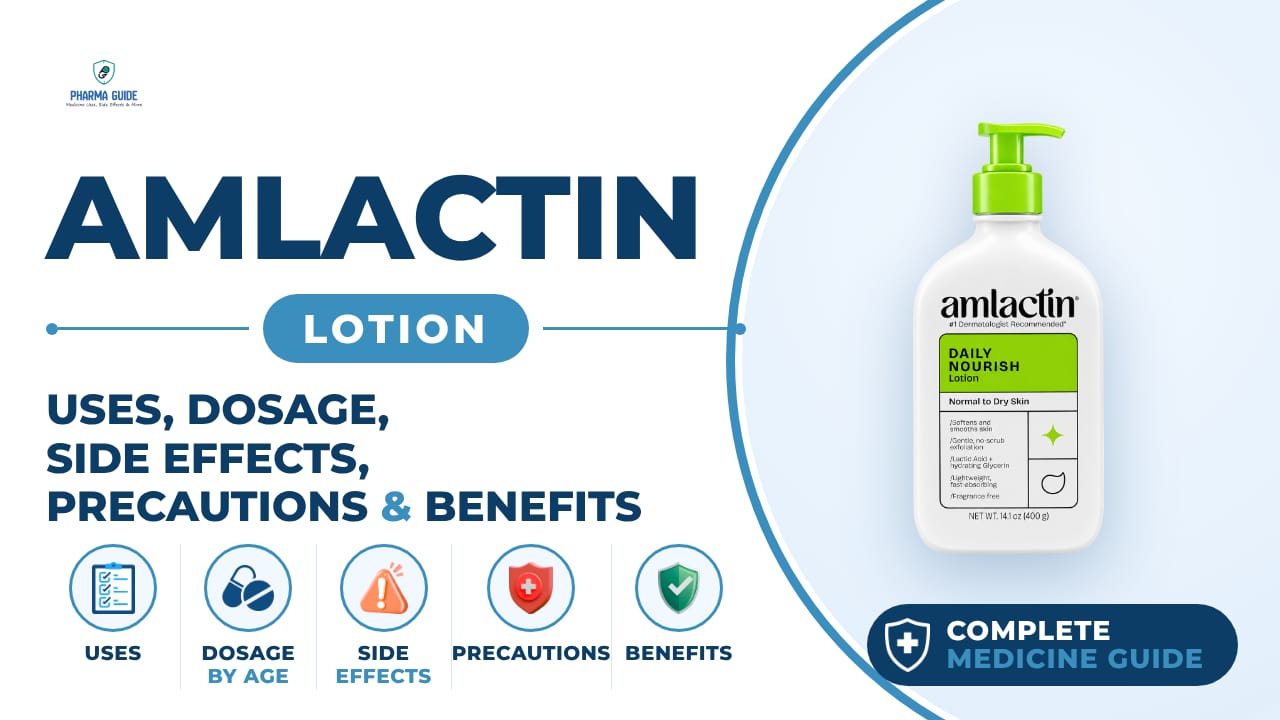
Amlactin Lotion: Uses, Dosage, Side Effects, Precautions and Alternates
| Generic name | ammonium lactate |
|---|---|
| Drug class | alpha-hydroxy acid, emollient |
| Forms | topical cream, topical lotion |
Quick overview
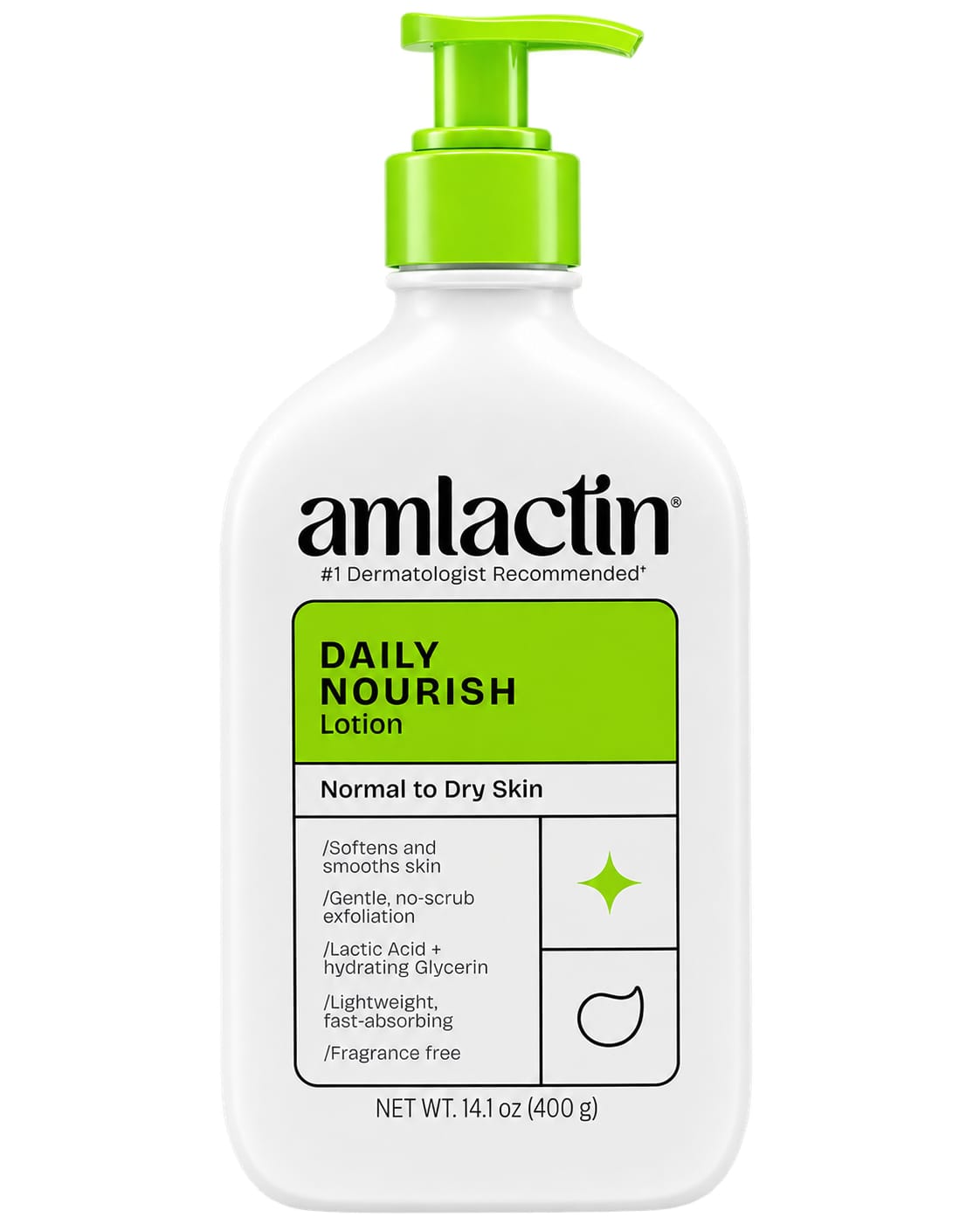
Amlactin Lotion contains ammonium lactate (12% lactic acid neutralized with ammonium hydroxide) and belongs to the alpha-hydroxy acid and emollient drug classes. It is used on the skin to manage dryness, scaling, and rough patches, including conditions such as keratosis pilaris and ichthyosis vulgaris. It works by moisturizing the skin and gently removing dead skin cells. It is applied topically, typically twice daily, as directed by a healthcare professional.
What is Amlactin Lotion
AmLactin Lotion contains 12% lactic acid neutralized with ammonium hydroxide. It works as both a chemical exfoliator (alpha-hydroxy acid) and a moisturizer (humectant) for the skin.
Amlactin Lotion uses
- Dry and scaly skin (general xerosis, rough texture, and scaling)
- Keratosis pilaris (small rough bumps, often on upper arms and thighs)
- Ichthyosis vulgaris (severe, dry, fish-scale-like skin)
- Cracked heels and rough patches on feet, elbows, and knees
- Dry or itchy skin from ichthyosis vulgaris or xerosis
Benefits of Amlactin Lotion
- Softens thick, hardened skin on feet, elbows, and knees
- Promotes skin cell turnover and may improve the look of fine lines or thinning skin with consistent use
- Helps keep moisture in the skin
How Amlactin Lotion works
Ammonium lactate acts as a humectant, meaning it helps hold moisture in the skin where it is applied. It also works as an alpha-hydroxy acid that gently loosens and removes dead skin cells.
Amlactin Lotion dosage
Shake the lotion well before each use. Apply only to the skin; avoid the eyes, lips, mouth, nose, and open or broken wounds. If used on the face, avoid getting it on the lips, and be aware the skin may become red or irritated. Mild stinging or burning may happen if applied to areas with cuts, scrapes, or freshly shaved skin. Wash your hands before and after applying.
If a dose is missed, apply it as soon as remembered, but skip it if it is almost time for the next dose; do not use double amounts. Do not share this medicine with others, even if they have the same skin condition.
| Age group | Dose |
|---|---|
| Birth–2 years | No separate age-specific amount established; use only under pediatric medical guidance |
| 3–74 years | 12% lotion applied twice daily to affected skin when recommended by a healthcare professional |
| 75 years and older | 12% lotion applied twice daily to affected skin, with careful monitoring of skin tolerance |
Available forms and strengths
- Topical cream
- Topical lotion (12%)
Side effects of Amlactin Lotion
Common
- Mild stinging, burning, redness, or skin irritation (especially on sensitive, newly shaved, or broken skin)
- Mild peeling, dryness, or temporary skin discoloration
- Rash, such as skin redness and irritation
- Burning or stinging where applied
- Bruising or discoloration of treated skin
- Itching
- Dry skin
Serious
- Severe allergic reactions, hives, blistering, or intense swelling of the face, lips, or mouth
- Breathing problems or wheezing
- Racing heart
- Fever or general ill feeling
- Swollen lymph nodes
- Swelling of the face, lips, mouth, tongue, or throat
- Trouble swallowing or throat tightness
- Nausea or vomiting
- Dizziness, feeling lightheaded, or fainting
- Stomach cramps
- Joint pain
- Severe redness or stinging where the medicine was applied
Warnings and precautions
- This medicine increases skin sensitivity to the sun and the risk of sunburn. Use a daily sunscreen of SPF 30 or higher on treated areas, and limit or avoid sun exposure or tanning beds where you have applied it.
- This medicine is for use on the skin only. Keep it out of your eyes, mouth, nose, and vagina, and off your lips if applying to the face.
- Do not use this medicine unless it has been prescribed or recommended for you, and keep it out of the reach of children.
- People allergic to ammonium lactate, Amlactin, Lac-Hydrin, or any ingredient in the product should not use it.
- It is not known if or how this medicine could affect pregnancy or harm a baby. Tell your health care provider if you are pregnant or plan to become pregnant.
- It is not known if this medicine passes into breast milk. Tell your health care provider if you are breastfeeding or plan to breastfeed.
- No routine renal dose adjustment is established for topical ammonium lactate. Patients with significant kidney disease should receive individualized medical assessment when extensive treatment is planned.
- No established hepatic-specific dosage adjustment is available. Systemic exposure is generally limited with appropriate topical use.
- It is not known whether drinking alcohol affects this medicine.
- Amlactin Lotion is not associated with significant sedation and is not expected to affect driving ability.
Storage
- Store at room temperature, between 68 F and 77 F (20 C and 25 C)
- Can be exposed to temperatures between 59 F and 86 F (15 C and 30 C) for shorter periods, such as during transport
- Store in a cool, dry place
When to see a doctor
- Get emergency help right away if you have signs of a serious allergic reaction, such as hives, trouble breathing, or swelling of the face, lips, tongue, or throat.
- Stop using the medicine and call your doctor right away if you notice severe redness or stinging where you applied it.
- If your skin condition gets worse instead of better while using this medicine, stop using it and contact your health care provider.
- Speak with a healthcare provider if irritation persists or worsens after 4 weeks of use, or if you are pregnant or breastfeeding.
- If you think you have used too much of this medicine, get medical help right away or contact your local poison control center.
Alternatives
- Lactic Acid Body Lotion
- CeraVe SA Lotion
- Lac-Hydrin
Watch the video
FAQs
What is Amlactin Lotion used for?
It is used to manage dry and scaly skin, keratosis pilaris, ichthyosis vulgaris, and rough patches on areas like feet, elbows, and knees.
How does Amlactin Lotion work?
It contains ammonium lactate, which acts as a humectant to hold moisture in the skin and as an alpha-hydroxy acid that gently loosens and removes dead skin cells.
How often should Amlactin Lotion be applied?
It is typically applied twice daily to affected skin, as directed by a healthcare professional, after shaking the lotion well.
What are the common side effects of Amlactin Lotion?
Common side effects include mild stinging, burning, redness, irritation, peeling, dryness, temporary skin discoloration, and itching.
Does Amlactin Lotion increase sun sensitivity?
Yes, it increases skin sensitivity to the sun and the risk of sunburn, so a daily sunscreen of SPF 30 or higher should be used on treated areas.
General information, not medical advice
Your prescriber and the leaflet in your pack know your situation. This page does not.
- Follow your prescriber and the leaflet
- Don't start, stop, or change a dose on your own
- Doses and warnings differ by country and product
Sources
Video
Related medicines
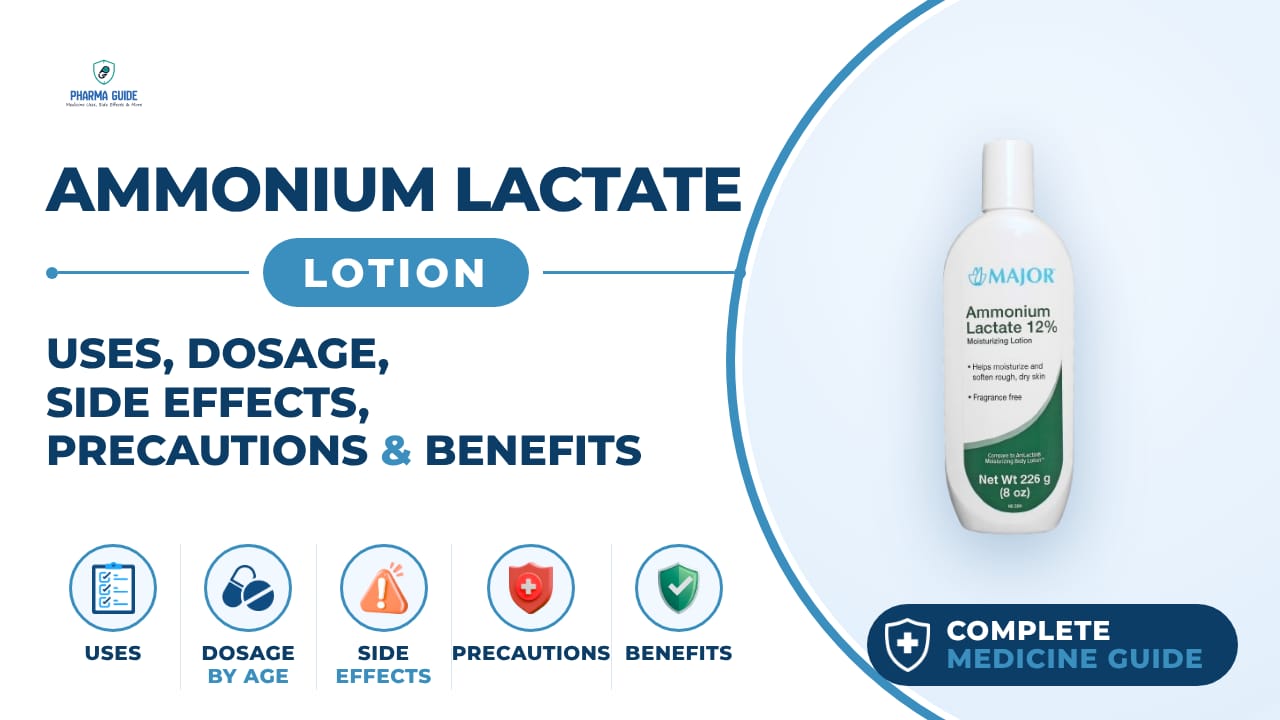
Ammonium Lactate Lotion: Uses, Dosage, Side Effects, Precautions and Alternates
alpha-hydroxy acid, emollient
Ammonium Lactate Lotion moisturizes dry, scaly, itchy skin by boosting hydration. Learn uses, dosage, side effects, and warnings before applying.
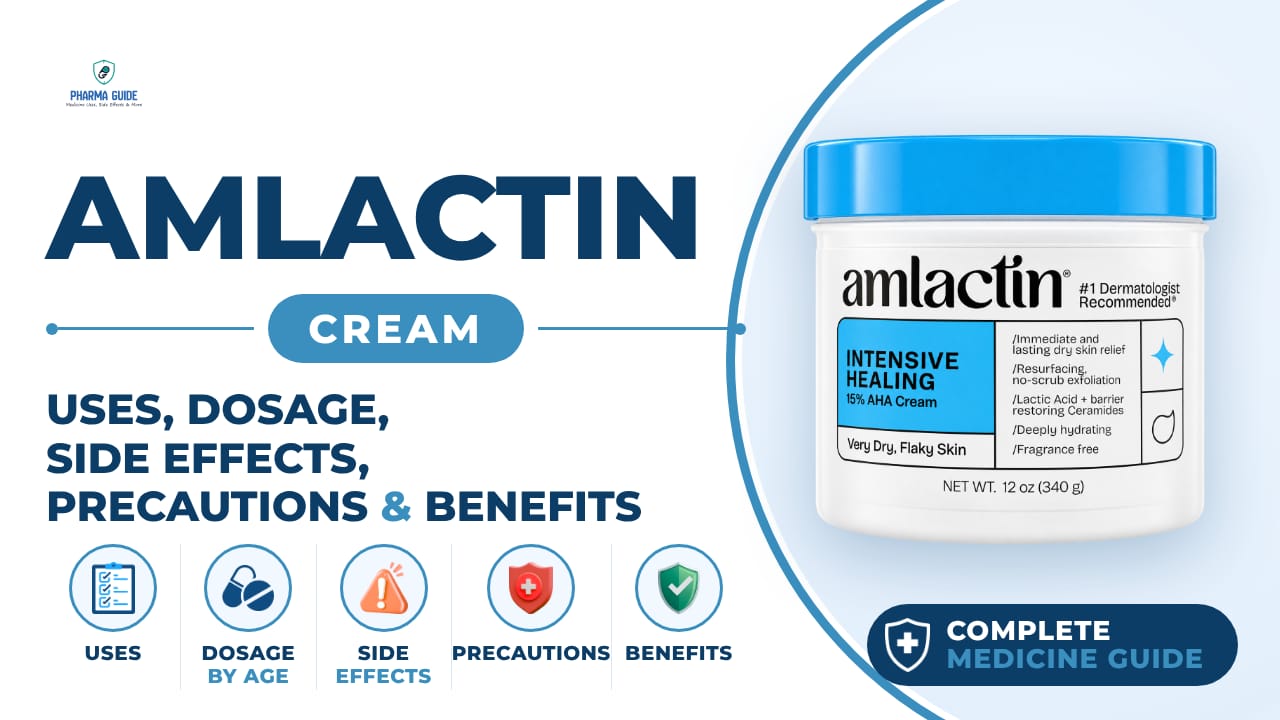
Amlactin Cream: Uses, Dosage, Side Effects, Precautions and Alternates
alpha-hydroxy acid, emollient
Amlactin Cream (ammonium lactate) treats dry, scaly, itchy skin like xerosis and keratosis pilaris. Learn uses, dosage, side effects, and precautions.