Azithromycin Syrup: Uses, Dosage, Side Effects, Precautions and Alternates

| Generic name | azithromycin |
|---|---|
| Drug class | Macrolides |
| Forms | Tablet, Oral suspension (liquid), Injection |
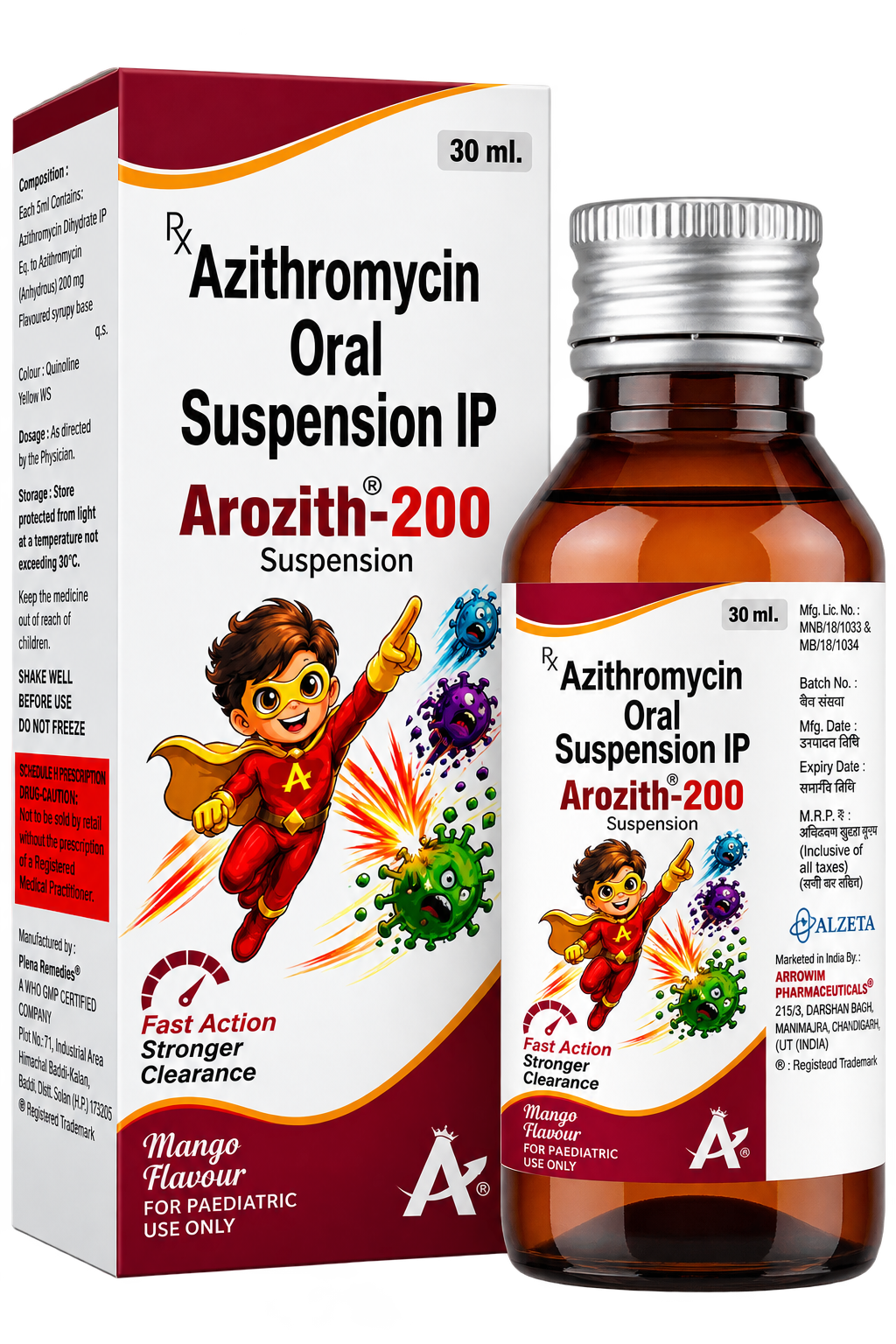
Quick overview
Azithromycin Syrup is an antibiotic belonging to the macrolide class, used to treat infections caused by bacteria in different parts of the body. It works by killing or stopping the growth of bacteria, and it will not work against viral infections such as colds or flu. The oral suspension is for use in children, with dosing based on age and weight. It is important to complete the full prescribed course even if symptoms improve early.
What is Azithromycin Syrup
Azithromycin is an antibiotic that fights bacteria. It is used to treat infections in different parts of the body caused by bacteria. It will not work against viral infections such as colds or flu.
Azithromycin Syrup uses
- Treats many types of infections caused by bacteria, such as respiratory infections, skin infections, ear infections, and eye infections
- Treats sexually transmitted diseases, including chlamydia
- Prevents bacterial infections
- Used in children for infections (oral suspension)
Benefits of Azithromycin Syrup
Helps clear bacterial infections in different parts of the body.
How Azithromycin Syrup works
Azithromycin works by killing or stopping the growth of the bacteria that cause your infection.
Azithromycin Syrup dosage
You may take most forms of azithromycin with or without food. Shake the oral suspension (liquid) well just before you measure a dose. Measure each dose carefully with the dosing syringe provided, a special dose-measuring spoon, or a medicine cup. If you do not have a dose-measuring device, ask your pharmacist for one.
Use this medicine for the full prescribed length of time. Your symptoms may improve before the infection is fully cleared. Do not stop taking it just because you feel better. If you are taking an antacid, take it at least one hour before or two hours after your azithromycin dose. Take azithromycin regularly as directed. The oral suspension is for use in children.
If you miss a dose, take it as soon as you remember. Skip it if it is almost time for the next dose. Do not take extra medicine to make up a missed dose.
| Age group | Dose |
|---|---|
| Under 6 months | Use only when specifically prescribed by a doctor |
| 6 months–11 years | Commonly 10 mg/kg once daily for some infections; duration varies by infection |
| 12–17 years | Often 500 mg once daily if the patient is adult-sized; depends on the infection and weight |
| 18–64 years | Common regimens include 500 mg once daily for 3 days, or 500 mg on day 1 followed by 250 mg once daily on days 2–5 |
| 65+ years | Usually the same adult regimen, with medical assessment when appropriate |
Available forms and strengths
- Tablet
- Oral suspension (liquid)
- Injection
Side effects of Azithromycin Syrup
Common
- Diarrhoea
- Nausea, vomiting, stomach pain
- Headache
- Oral thrush (white, furry, sore tongue and mouth)
- Vaginal thrush (sore and itchy vagina and/or white discharge)
- Loss of appetite
- Constipation
- Indigestion, wind
- Dizziness, spinning sensation
- Tiredness, drowsiness, fatigue, restlessness
- Muscle or joint aches
- Rash
- Hearing loss or ringing in the ears
- Altered taste and smell
Serious
- Signs of an allergic reaction: hives, difficult breathing, swelling of the face, lips, tongue or throat
- Severe skin reaction: fever, sore throat, burning eyes, skin pain, red or purple rash that spreads and causes blistering and peeling
- Severe or watery/bloody diarrhoea with stomach pain and fever
- Severe upper stomach pain, often with nausea and vomiting
- Fast or irregular heartbeat, palpitations, fluttering in the chest, shortness of breath and sudden dizziness
- Liver problems: nausea, upper stomach pain, itching, tired feeling, loss of appetite, dark urine, clay-coloured stools, jaundice (yellowing of the skin or eyes)
- Widespread body rash, fever and swollen lymph nodes
- Bleeding or bruising more easily than normal
- Numbness or weakness in the face, arm or leg; trouble with speech; trouble walking or loss of balance
- Fainting or convulsions (fits)
- In a baby: becoming irritable or vomiting while eating or nursing
Warnings and precautions
- Do not use azithromycin if you have ever had jaundice or liver problems when taking it before.
- Do not take this medicine if you are allergic to it or to similar antibiotics such as clarithromycin, erythromycin, or telithromycin.
- Tell your doctor if you have a heart rhythm disorder, low potassium in your blood, or long QT syndrome, as azithromycin can affect heart rhythm.
- Older adults may be more likely to have side effects on heart rhythm, including a life-threatening fast heart rate.
- Do not take antacids that contain aluminum or magnesium within 2 hours before or after taking azithromycin, as they can make it less effective.
- Avoid sunlight or tanning beds; azithromycin can make you sunburn more easily, so wear protective clothing and use sunscreen (SPF 30 or higher).
- Do not stop taking this medicine or lower the dose without checking with your doctor, and finish the full course.
- Tell your doctor if you have ever had kidney disease before taking this medicine. Tell your doctor if you have ever had liver disease.
- This medicine is not expected to harm an unborn baby. Tell your doctor if you are pregnant or plan to become pregnant so they can discuss the risks and benefits with you.
- It is not known whether azithromycin passes into breast milk or if it could harm a nursing baby. Tell your doctor if you are breastfeeding.
- No information is available about drinking alcohol with this medicine.
- Be careful driving or using machines or tools until you know how this medicine affects you, as it may cause dizziness in some people.
Storage
- Store at room temperature away from moisture and heat.
- Store in the original carton or packaging until ready for use, in a cool, dry place where the temperature stays below 30°C.
- Do not store in the bathroom or near a sink, and do not leave it in the car or on a window sill.
- Keep it where young children cannot reach it.
- Throw away any immediate-release suspension that has not been used within 10 days.
- Once the course is finished, take any leftover liquid back to your pharmacy for safe disposal.
When to see a doctor
- Get emergency medical help if you have signs of an allergic reaction (hives, difficult breathing, swelling of your face or throat) or a severe skin reaction (fever, sore throat, burning eyes, skin pain, red or purple rash that blisters and peels).
- Call your doctor at once if you have severe stomach pain, watery or bloody diarrhoea; fast or pounding heartbeats, fluttering in your chest, shortness of breath and sudden dizziness; or signs of liver problems.
- Call your doctor right away if a baby taking azithromycin becomes irritable or vomits while eating or nursing.
- If you think you or anyone else may have taken too much, get medical advice right away by contacting your doctor or local poison control center, even if there are no signs of discomfort.
- Tell your doctor immediately if you have a fast or irregular heartbeat or fainting, or signs of liver problems such as yellow skin or eyes, itching, dark urine, pale bowel motions or abdominal pain.
Alternatives
- Clarithromycin Suspension
- Erythromycin Suspension
- Amoxicillin Suspension
- Amoxicillin-Clavulanate Suspension
- Cefuroxime Suspension
- Cefixime Suspension
Watch the video
FAQs
What is Azithromycin Syrup used for?
It is used to treat many types of bacterial infections such as respiratory infections, skin infections, ear infections, eye infections, and sexually transmitted diseases like chlamydia. It will not work against viral infections such as colds or flu.
How should Azithromycin Syrup be given to children?
Shake the oral suspension well before measuring a dose, using the dosing syringe, dose-measuring spoon, or medicine cup provided. Dosing is based on age and weight, with the full prescribed course completed even if symptoms improve early.
What should I do if I miss a dose?
Take the missed dose as soon as you remember, but skip it if it is almost time for the next dose. Do not take extra medicine to make up for a missed dose.
What are the common side effects of Azithromycin Syrup?
Common side effects include diarrhoea, nausea, vomiting, stomach pain, headache, oral or vaginal thrush, loss of appetite, constipation, indigestion, dizziness, tiredness, muscle or joint aches, rash, and altered taste or smell.
How long can the oral suspension be kept after opening?
Any immediate-release suspension that has not been used within 10 days should be thrown away, and leftover liquid should be returned to the pharmacy for safe disposal once the course is finished.
Sources
Video
Related medicines
Zithromax Tablet: Uses, Dosage, Side Effects, Precautions and Alternates
Macrolides
Zithromax Tablet (azithromycin) treats bacterial infections like bronchitis, sinusitis, and skin infections. Learn dosage, side effects, and precautions.

Ampicillin Injection: Uses, Dosage, Side Effects, Precautions and Alternates
Penicillin antibiotic (aminopenicillin)
Ampicillin Injection is a penicillin antibiotic used for meningitis, pneumonia, septicemia, and more. Learn dosage, side effects, and warnings.