
Safety
General information, not medical advice
Your prescriber and the leaflet in your pack know your situation. This page does not.
- Follow your prescriber and the leaflet
- Don't start, stop, or change a dose on your own
- Doses and warnings differ by country and product
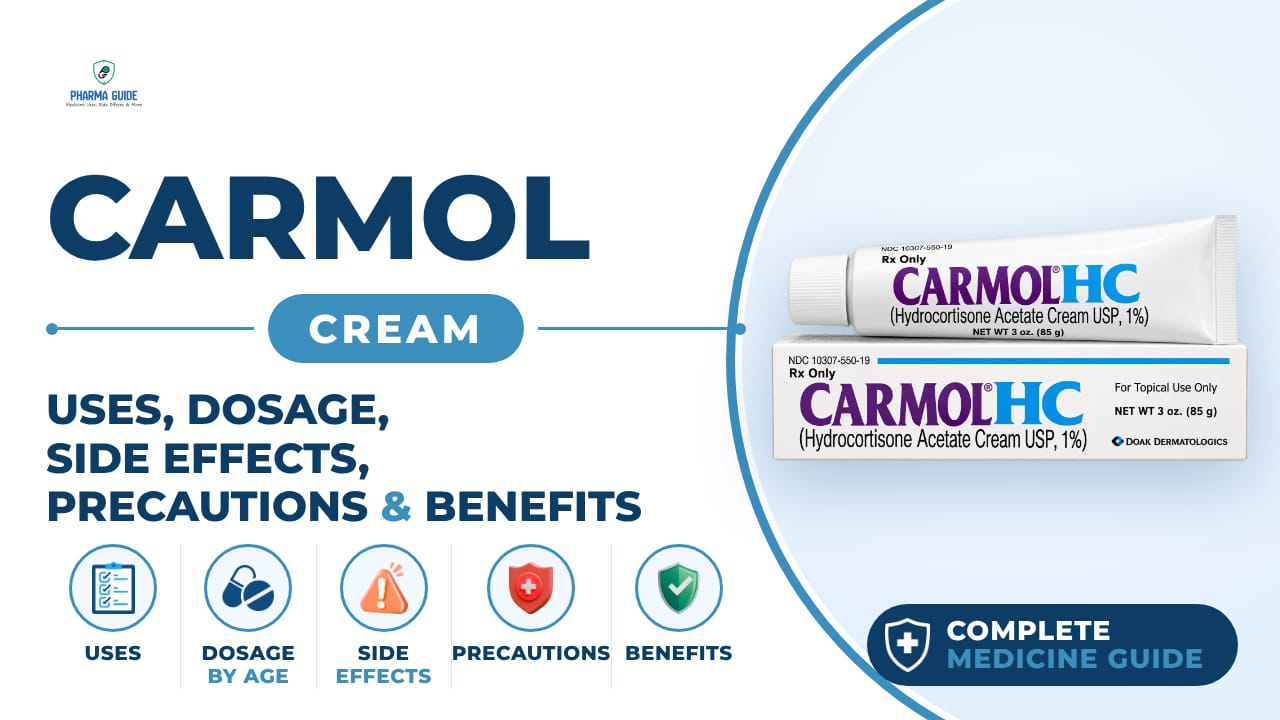
Carmol Cream: Uses, Dosage, Side Effects, Precautions and Alternates
| Generic name | urea topical |
|---|---|
| Drug class | Topical emollients |
| Forms | Cream, Lotion, Ointment, Liquid, Gel, Foam, Shampoo |
Quick overview
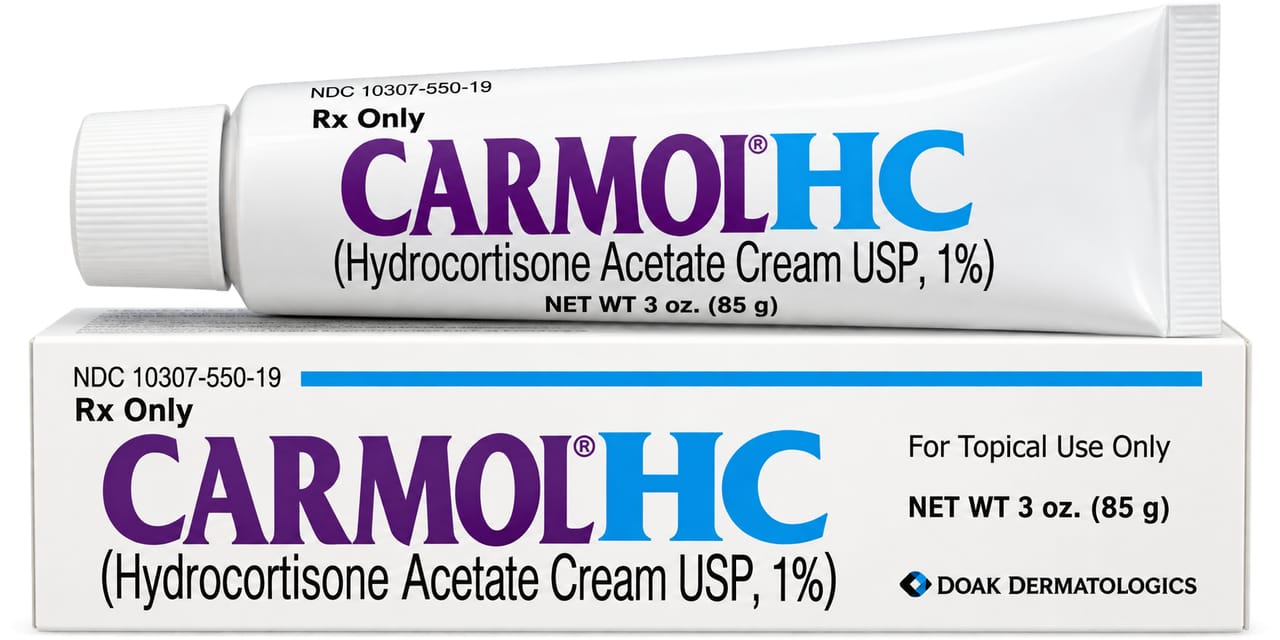
Carmol Cream is a topical cream containing urea, used to soften rough or dry skin and help remove thick, dead skin buildup. It is applied directly to the skin or nails to manage conditions such as eczema, psoriasis, and keratosis, as well as calluses, corns, and damaged nails. It works only where applied and is available over-the-counter.
What is Carmol Cream
Carmol is a topical cream containing urea, an ingredient that softens and removes thick, dead skin buildup. It is used on the skin to soften rough or dry areas caused by various skin conditions.
Carmol Cream uses
- Softens rough or dry skin caused by skin conditions such as eczema, psoriasis, and keratosis
- Softens damaged fingernails or toenails so they can be removed without surgery
- Treats calluses on the heels and balls of the feet, and corns
- May also be used for purposes not listed in this medication guide
Benefits of Carmol Cream
- Acts as an emollient and keratolytic agent, trapping moisture and helping break down hardened skin layers
- Works only where it is applied, meaning fewer effects on the rest of the body compared to oral medicines
- Available over-the-counter at an affordable price
How Carmol Cream works
Urea works by pulling moisture into the skin while breaking down the proteins that hold dead skin cells together, which lets the dead skin shed more easily.
Carmol Cream dosage
Use exactly as directed on the label or as prescribed by your doctor; do not use in larger or smaller amounts or for longer than recommended. Do not take by mouth; this medicine is for use only on the skin. If it gets in your eyes, nose, mouth, rectum, or vagina, rinse with water.
Wash the skin or nail area with a mild soap or cleanser before treating it; the area may work best if left slightly damp before applying the medicine. Apply a thin layer to the affected skin and rub it in as completely as possible.
When applying to the nails, avoid getting medicine on the cuticles or surrounding skin; apply generously to the nail and let it dry; the nail may be covered with a bandage or gauze if your doctor advises, and the treated nail should be easier to remove after several days.
Shake the foam form well just before each use; other forms may also need to be shaken before use, so follow the label directions. Wash your hands with soap and water after applying, unless you are treating the skin on your hands.
Call your doctor if your symptoms do not improve, or if they get worse while using this medicine. Apply consistently at the same time each day for best results; if you miss an application, apply it at your next scheduled time and do not double up. Do not stop using it abruptly unless you have a severe reaction. Avoid using on open wounds, burns, or areas of swollen skin.
| Age group | Dose |
|---|---|
| Under 12 years | No specific age-based dose is established |
| 12–17 years | Apply a thin layer to the affected skin |
| 18–39 years | Apply to affected area(s) twice daily and rub in until absorbed |
| 40–64 years | Apply to affected area(s) twice daily |
Available forms and strengths
- Cream
- Lotion
- Ointment
- Liquid
- Gel
- Foam
- Shampoo
Side effects of Carmol Cream
Common
- Mild itching
- Mild burning or stinging
- Stinging or burning sensation at the application site
- Redness or irritation of treated skin
- Peeling or flaking as dead skin sheds
- Dryness of the skin
- Temporary unpleasant odor from the cream base
Serious
- Signs of allergic reaction: hives, difficulty breathing, swelling of the face, lips, tongue, or throat
- Severe redness or irritation of treated skin
- Severe burning or blistering of the skin
- Infection of the treated area (pus, warmth, increasing redness, or odor)
- Persistent open sores or wounds that don't heal
Warnings and precautions
- Do not use this medicine if you are allergic to it.
- Do not use on open wounds, burns, or areas of swollen or broken skin.
- Avoid contact with eyes, lips, mucous membranes, and open or infected wounds.
- Applying certain other skin products (like retinoids, salicylic acid, benzoyl peroxide, antibiotic ointments, moisturizers, or other urea products) to the same area may increase irritation or reduce effectiveness; space out applications or use on different areas as advised.
- It is not known whether this medicine will harm an unborn baby. Do not use it without a doctor's advice if you are pregnant.
- It is not known whether this medicine passes into breast milk or if it could harm a nursing baby. Do not use it without a doctor's advice if you are breastfeeding.
- Because this is a topical product, routine kidney or liver-based dose adjustment is not generally required.
- There is no significant direct alcohol interaction.
- Carmol Cream does not normally affect driving.
Storage
- Store at room temperature away from moisture and heat
- Do not freeze
- Keep the medicine container tightly closed when not in use
- Keep the foam canister away from open flame or high heat, as it may explode if it gets too hot
- Do not puncture or burn an empty foam canister
When to see a doctor
- Get emergency medical help if you have signs of an allergic reaction such as hives, difficulty breathing, or swelling of your face, lips, tongue, or throat.
- Stop using the medicine and call your doctor right away if you have severe redness or irritation of the treated skin.
- Contact your healthcare provider if you experience severe burning, blistering, signs of allergic reaction, or if irritation worsens after a few days of use.
- If you have open wounds, broken skin, or signs of infection in the treated area, stop using the cream and consult your doctor.
Alternatives
- Urea 10% cream
- Urea 20% cream
- Urea 40% cream
- Ammonium lactate cream
Watch the video
FAQs
What is Carmol Cream used for?
It is used to soften rough or dry skin from conditions like eczema, psoriasis, and keratosis, soften damaged nails for removal, and treat calluses and corns.
How does Carmol Cream work?
The urea in Carmol pulls moisture into the skin while breaking down the proteins that hold dead skin cells together, allowing dead skin to shed more easily.
How do you apply Carmol Cream?
Wash the area with mild soap, leave it slightly damp, then apply a thin layer and rub it in completely. For nails, apply generously while avoiding the cuticles and surrounding skin.
What are the side effects of Carmol Cream?
Common side effects include mild itching, burning or stinging, redness, peeling, dryness, and temporary odor. Serious effects include allergic reaction, severe irritation, blistering, or infection.
Can Carmol Cream be used on open wounds?
No, it should not be used on open wounds, burns, or areas of swollen or broken skin.
General information, not medical advice
Your prescriber and the leaflet in your pack know your situation. This page does not.
- Follow your prescriber and the leaflet
- Don't start, stop, or change a dose on your own
- Doses and warnings differ by country and product
Sources
Video
Related medicines
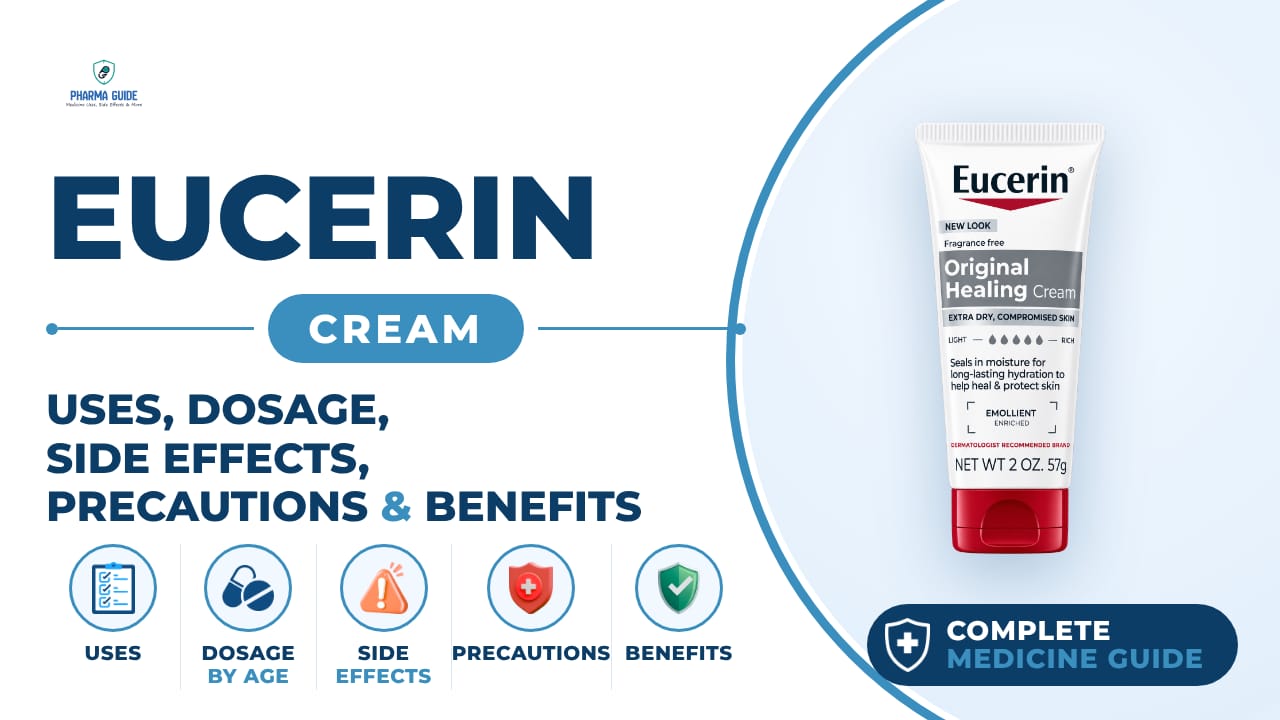
Eucerin Cream: Uses, Dosage, Side Effects, Precautions and Alternates
topical emollients
Eucerin Cream is a topical emollient that hydrates dry skin, soothes eczema and psoriasis, and supports skin recovery. Learn uses, dosage, and side effects.
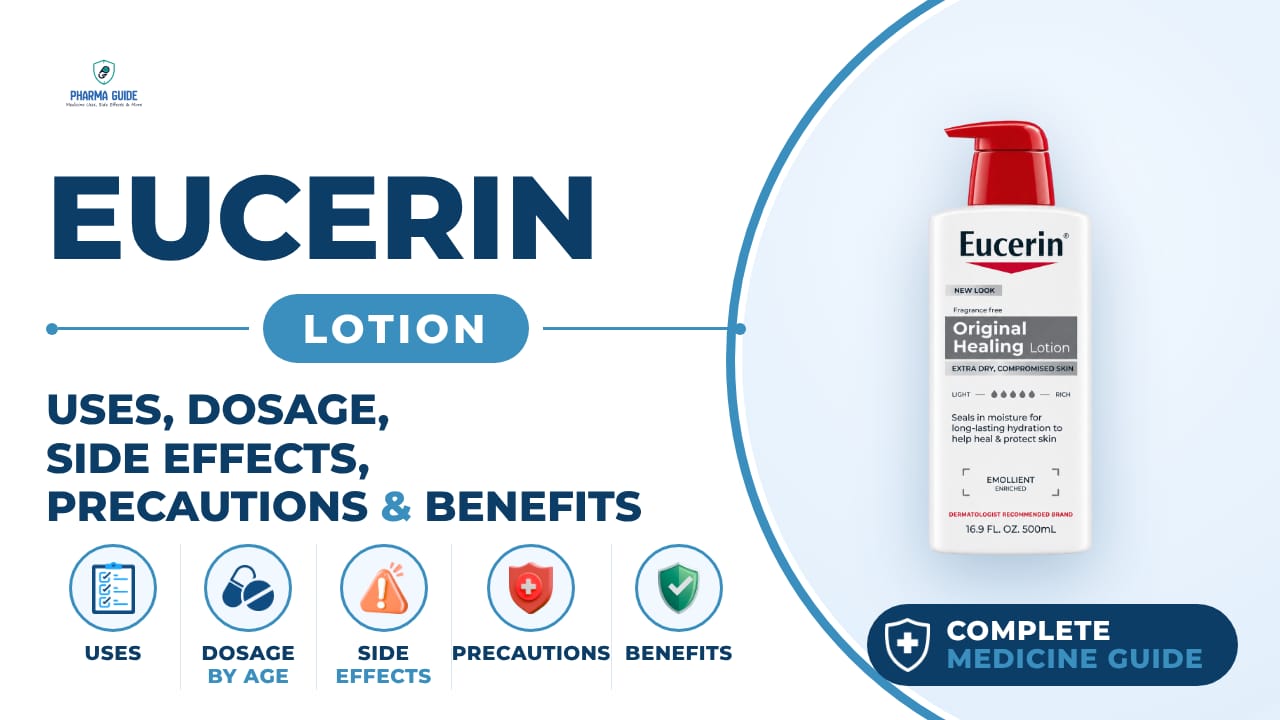
Eucerin Lotion: Uses, Dosage, Side Effects, Precautions and Alternates
topical emollients
Eucerin Lotion is a moisturizer that treats dry, rough, scaly, itchy skin and minor irritations like diaper rash, forming a protective barrier that locks in