Cefdinir Capsule: Uses, Dosage, Side Effects, Precautions and Alternates
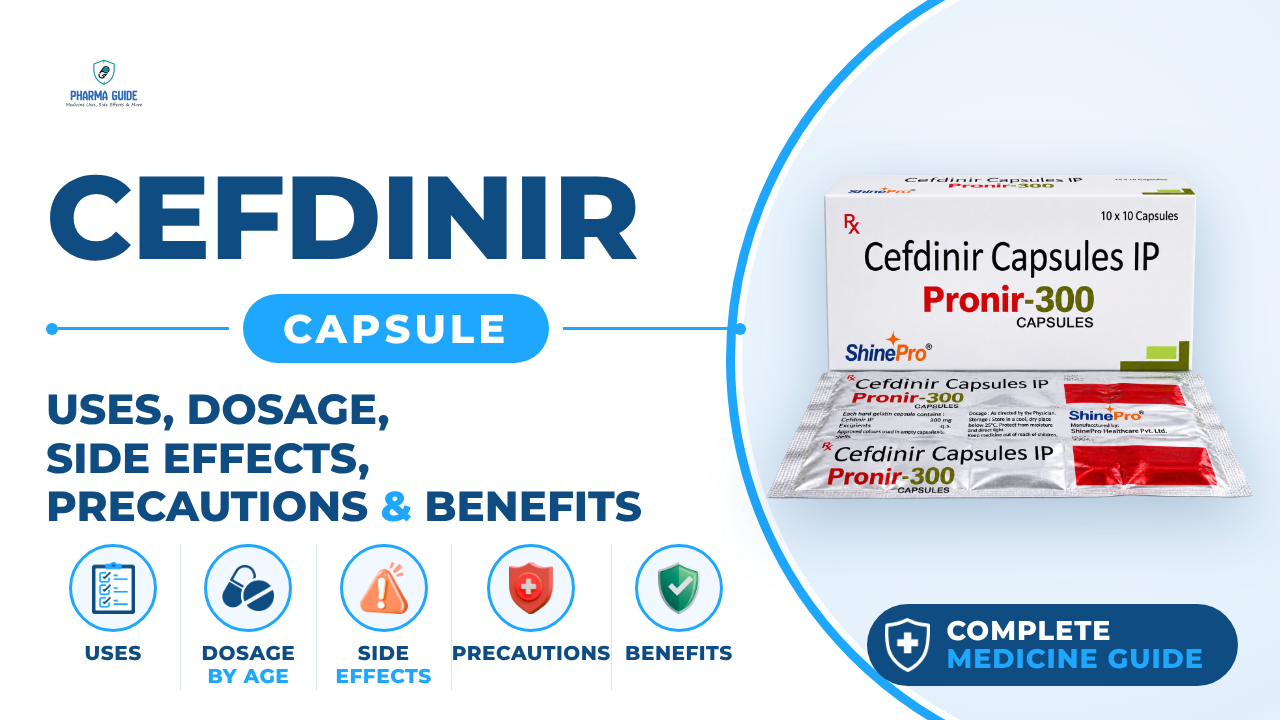
| Generic name | Cefdinir |
|---|---|
| Drug class | Cephalosporin antibiotic |
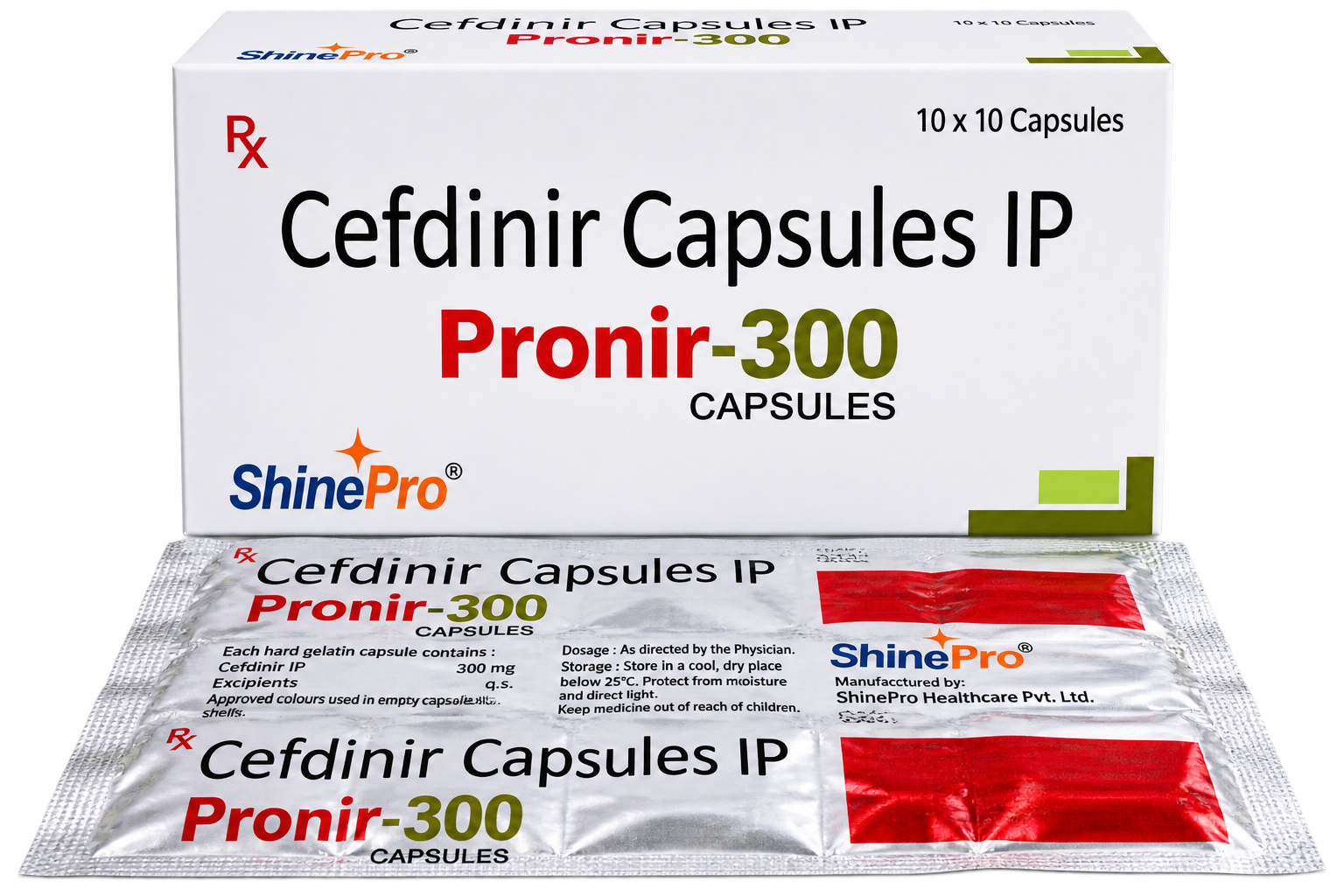
| Forms | Capsule, Oral suspension (liquid) |
Quick overview
Cefdinir Capsule is a cephalosporin antibiotic used to treat infections caused by bacteria, including pneumonia, bronchitis flare-ups, sinusitis, throat infections, and skin infections. It works by killing bacteria and will not treat colds, the flu, or other viral infections. It can be taken with or without food, and dosing depends on age and the type of infection being treated.
What is Cefdinir Capsule
Cefdinir is an antibiotic that treats infections caused by bacteria. It belongs to a group of medicines called cephalosporin antibiotics. It will not treat colds, the flu, or infections caused by viruses.
Cefdinir Capsule uses
- Treats bacterial infections
- Community-acquired pneumonia
- Acute worsening of chronic bronchitis
- Acute maxillary sinusitis
- Throat infection or tonsillitis (pharyngitis/tonsillitis)
- Uncomplicated skin and skin structure infections
- Acute bacterial middle ear infection (otitis media) in children
Benefits of Cefdinir Capsule
- Helps clear infections caused by bacteria that are sensitive to the medicine
- Can be taken with or without food
How Cefdinir Capsule works
Cefdinir kills bacteria by blocking them from building their cell walls, which they need to survive.
Cefdinir Capsule dosage
Take this medicine by mouth at the same time every day as directed on the label. You can take it with or without food. If it upsets your stomach, take it with food. Take all of this medicine, even if you feel better, unless your care team tells you to stop early.
Take products with aluminum, magnesium, or iron at a different time of day. Take this medicine 2 hours before or 2 hours after these products. If you take this medicine with an iron product, your stools may turn a reddish color, which is normal.
For the liquid (suspension), shake well before use and measure doses carefully with the device provided. Talk to your care team about using this medicine in children, as precautions apply.
| Age group | Dose |
|---|---|
| 6 months–12 years | Usually 14 mg/kg/day, given once daily or divided into 2 doses; pediatric suspension is generally preferred |
| 13–17 years | Commonly 300 mg every 12 hours or 600 mg once daily, depending on the infection |
| 18–64 years | Commonly 300 mg every 12 hours or 600 mg once daily, depending on the infection |
| 65+ years | Usually adult dosing, but kidney function should be assessed and the dose adjusted when necessary |
Available forms and strengths
- Capsule
- Oral suspension (liquid)
Side effects of Cefdinir Capsule
Common
- Diarrhea
- Headache
- Nausea
- Abdominal pain
- Vaginal yeast infection
- Vomiting
- Indigestion
- Gas
- Reddish stools (when taken with iron products)
Serious
- Allergic reactions such as skin rash, itching, hives, or swelling of the face, lips, tongue, or throat
- Redness, blistering, peeling, or loosening of the skin, including inside the mouth
- Severe diarrhea and fever
- Unusual vaginal discharge, itching, or odor
- Not being able to pass urine or a change in how much urine is passed
- Dark urine or yellow skin or eyes
- Seizures
- Fever, chills, or sore throat; unexplained bruising or bleeding; or feeling very tired or weak
Warnings and precautions
- Before taking cefdinir, tell your care team if you have ever had an allergic reaction to cefdinir, other cephalosporins, penicillins, or other drugs.
- Cross-allergy can happen in people allergic to penicillin. Stop the medicine and get help if an allergic reaction occurs.
- Antibiotics including cefdinir can cause a serious bowel infection called C. difficile-associated diarrhea, which can range from mild to life-threatening.
- It may happen during treatment or even up to two months after finishing the medicine.
- This medicine may cause serious skin reactions that can happen weeks to months after starting it.
- Do not use this medicine longer than you have been told, as a second infection may happen.
- Take it exactly as directed and finish the full course.
- Tell your doctor if you are pregnant or plan to become pregnant.
- This medicine should be used during pregnancy only if clearly needed.
- Tell your doctor if you are breastfeeding. After single 600 mg doses, cefdinir was not detected in human breast milk.
- If you have markedly reduced kidney function, your dose may need to be lowered because the medicine can build up in your body.
- No dose change is expected to be needed for people with liver problems, because the medicine is mostly cleared by the kidneys.
Storage
- Store at room temperature in a dry place. Do not store in a bathroom.
- Store the liquid (suspension) at room temperature and throw away any unused part after 10 days.
- Keep out of the reach of children and pets.
- Throw away any unused medicine after the expiration date. Do not flush down a toilet or pour down a drain unless told to do so. Check with your pharmacist about the best way to throw out medicines.
When to see a doctor
Contact your care team right away if you notice fevers or flu-like symptoms with a rash, a red or purple rash that turns into blisters or peeling skin, or a red rash with swelling of the face, lips, or lymph nodes.
Call your doctor right away if you have stomach pain, cramps, or very loose, watery, or bloody stools. Do not treat diarrhea on your own before checking with your doctor.
Get medical help right away if you have signs of an allergic reaction, trouble passing urine, dark urine or yellow skin or eyes, seizures, or fever, chills, sore throat, unusual bruising or bleeding, or feeling very tired or weak.
If you think you have taken too much of this medicine, contact your local poison control center or emergency room at once.
Alternatives
- Cefixime
- Cefpodoxime
- Cefuroxime
- Cephalexin
- Cefadroxil
- Amoxicillin
- Amoxicillin-Clavulanate
- Azithromycin
FAQs
What is Cefdinir Capsule used for?
Cefdinir treats bacterial infections such as community-acquired pneumonia, acute worsening of chronic bronchitis, acute maxillary sinusitis, throat infections or tonsillitis, uncomplicated skin and skin structure infections, and acute bacterial middle ear infections in children.
Can Cefdinir Capsule be taken with food?
Yes, it can be taken with or without food. If it upsets your stomach, taking it with food may help.
Does Cefdinir Capsule treat viral infections like colds or the flu?
No, Cefdinir is an antibiotic that treats bacterial infections only and will not treat colds, the flu, or other viral infections.
Can I take iron, aluminum, or magnesium products with Cefdinir Capsule?
Products with aluminum, magnesium, or iron should be taken 2 hours before or 2 hours after Cefdinir. If taken with an iron product, stools may turn a reddish color, which is normal.
What are the serious side effects of Cefdinir Capsule?
Serious side effects include allergic reactions such as rash, itching, hives, or facial swelling; severe skin reactions with blistering or peeling; severe diarrhea and fever; trouble passing urine; dark urine or yellow skin/eyes; seizures; and signs like fever, chills, sore throat, bruising, or extreme tiredness.
Sources
- Cleveland Clinic - Cefdinir Capsules (https://my.clevelandclinic.org/health/drugs/20347-cefdinir-capsules)
- DailyMed - Cefdinir Capsule, Aurobindo Pharma Limited
- Memorial Sloan Kettering Cancer Center - Cefdinir (UpToDate Lexidrug)