Cefixime Tablet: Uses, Dosage, Side Effects, Precautions and Alternates
| Generic name | cefixime |
|---|---|
| Drug class | Third generation cephalosporins |
| Forms | Oral capsule, Oral powder for reconstitution, Oral tablet, Oral chewable tablet |
Quick overview
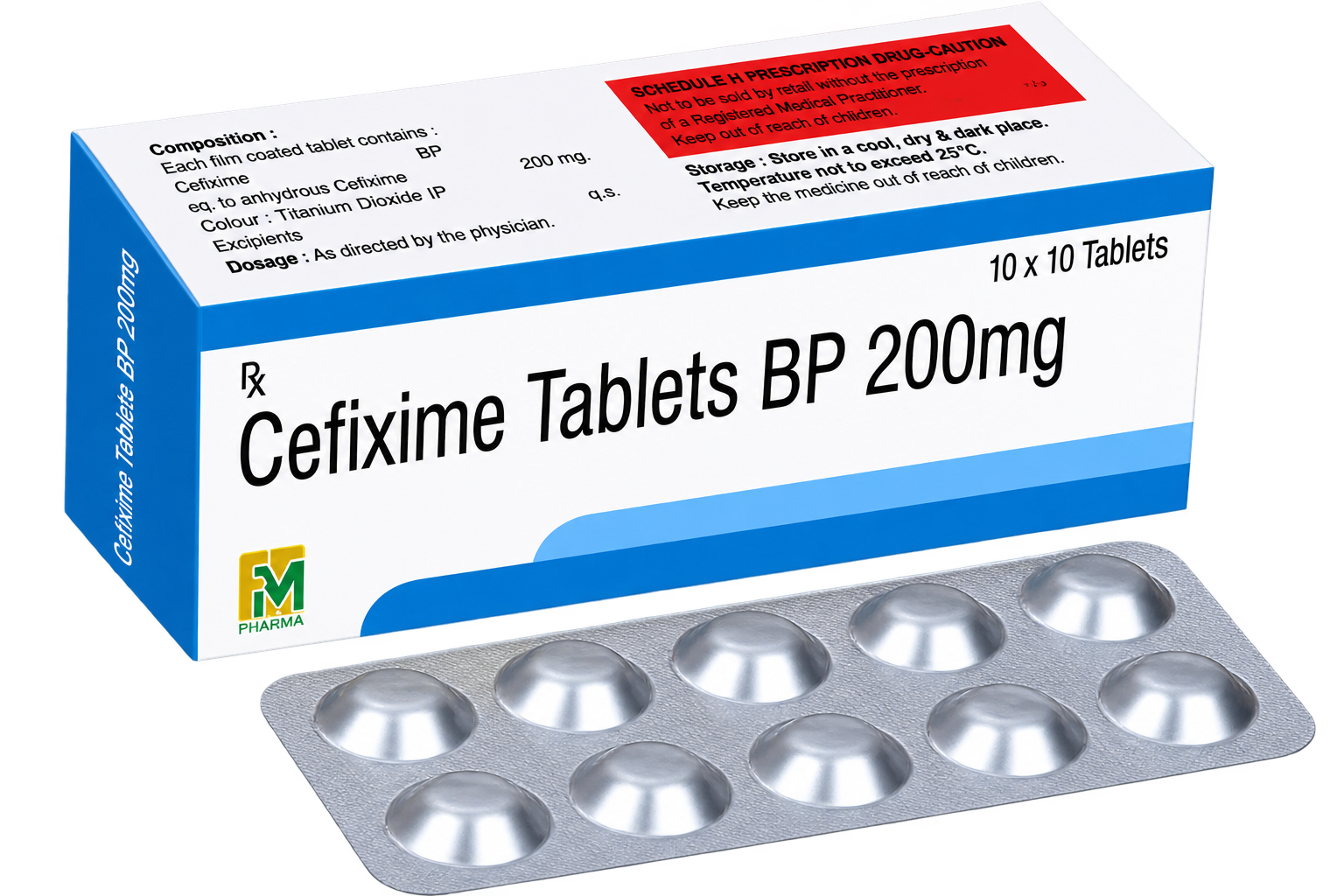
Cefixime Tablet is a third generation cephalosporin antibiotic used to treat many different types of infections caused by bacteria, such as urinary tract infections, pharyngitis, tonsillitis, and bronchitis. It works by stopping bacteria from forming a cell wall, reducing the number of bacteria in your body so your immune system can clear the infection. It will not treat viral infections such as the common cold or flu.
What is Cefixime Tablet
Cefixime is an antibiotic that may be used to treat many different types of infections caused by bacteria. It will not treat a viral infection such as the common cold or flu.
Cefixime Tablet uses
- Uncomplicated urinary tract infections
- Pharyngitis and tonsillitis
- Acute exacerbations of chronic bronchitis
- Uncomplicated gonorrhea
- Upper respiratory tract infections such as otitis media
- Lower respiratory tract infection such as bronchitis
Benefits of Cefixime Tablet
- Helps your body fight bacterial infections by reducing the number of bacteria in your body
- Treats certain bacterial infections
- Helps treat urinary tract infections (UTIs)
- Used for throat and tonsil infections
- Helps treat ear infections
- Used for certain respiratory tract infections
- May be used to treat uncomplicated gonorrhea
- Helps stop the growth of susceptible bacteria
How Cefixime Tablet works
Cefixime stops bacteria from forming a cell wall, which bacteria need to survive. This reduces the number of bacteria in your body so your body can fight the infection.
Cefixime Tablet dosage
You may take cefixime with or without food. The chewable tablet form must be chewed before you swallow it. Shake the oral suspension (liquid) well just before you measure a dose, and measure it with a proper dosing device. Use cefixime for the full prescribed length of time, even if you feel better, to fully clear the infection and reduce the risk of resistant infection. Do not take it in larger or smaller amounts or for longer than recommended. Cefixime will not treat a viral infection such as the common cold or flu.
| Age group | Dose |
|---|---|
| Under 6 months | Not routinely recommended; medical supervision required |
| 6 months–11 years | Pediatric dose is weight-based (8 mg/kg/day); suspension is generally used |
| 12–17 years | 400 mg once daily if >45 kg; otherwise pediatric weight-based dosing |
| 18+ years | 400 mg once daily |
Available forms and strengths
- Oral capsule
- Oral powder for reconstitution
- Oral tablet
- Oral chewable tablet
Side effects of Cefixime Tablet
Common
- Indigestion
- Stomach (abdominal) pain
- Nausea
- Vomiting
- Diarrhea or loose stools
- Vaginal itching or discharge
- Flatulence
- Dyspepsia
- Headache
- Dizziness
Serious
- Signs of an allergic reaction such as hives, difficult breathing, or swelling of the face, lips, tongue, or throat
- Severe stomach pain, or diarrhea that is watery or bloody
- Jaundice (yellowing of the skin or eyes)
- Pale or yellowed skin, dark colored urine, confusion or weakness
- Seizure (convulsions)
- Low blood cell counts with fever, chills, mouth sores, easy bruising or unusual bleeding
- Kidney problems such as little or no urination or swelling in feet or ankles
- Severe skin reactions such as Stevens-Johnson syndrome or toxic epidermal necrolysis with blistering and peeling
Warnings and precautions
- Do not take cefixime if you are allergic to cefixime or to similar cephalosporin antibiotics.
- Tell your doctor if you are allergic to penicillins. Serious allergic reactions, including shock and deaths, have been reported. Stop the drug if an allergic reaction occurs.
- Antibiotics like cefixime can cause Clostridium difficile-associated diarrhea, which can range from mild diarrhea to fatal colitis, and can occur up to two months after taking the medicine.
- Severe skin reactions such as toxic epidermal necrolysis, Stevens-Johnson syndrome, DRESS and AGEP have been reported. Stop treatment at the first sign of skin rash or skin hypersensitivity.
- The chewable tablet may contain phenylalanine. Talk to your doctor before using it if you have phenylketonuria (PKU). The suspension contains sucrose. Talk to your doctor before using it if you have diabetes.
- Beta-lactams, including cefixime, can raise the risk of encephalopathy (which may include convulsions, confusion, impaired consciousness, movement disorders), especially in overdose or kidney impairment.
- It is not known whether cefixime will harm an unborn baby. Tell your doctor if you are pregnant; it should be used during pregnancy only if clearly needed.
- It is not known whether cefixime passes into breast milk or if it could harm a nursing baby. Tell your doctor if you are breast-feeding; you may need to stop nursing while taking cefixime.
- Cefixime may be given to people with impaired kidney function, but the dose may need to be adjusted if kidney function is reduced. Patients on dialysis should be monitored carefully.
- Cefixime may cause temporary rises in liver enzymes and, rarely, hepatitis or jaundice. People with liver impairment may be at risk of clotting effects.
- If you have side effects such as encephalopathy, which may include convulsions, confusion, impaired consciousness, or movement disorders, you should not operate machines or drive a vehicle.
Storage
- Store cefixime at room temperature away from moisture, heat, and light.
- You may also store the oral liquid in the refrigerator. Throw away any unused liquid after 14 days.
- Store at temperature below 30°C and protect from light.
- Keep this and all other medicines out of the reach of children.
When to see a doctor
Get emergency medical help if you have signs of an allergic reaction such as hives, difficult breathing, or swelling of your face, lips, tongue, or throat.
Call your doctor at once if you have serious side effects such as severe stomach pain, watery or bloody diarrhea, jaundice, a seizure, signs of low blood cell counts, kidney problems, or a severe skin reaction.
If you have watery or bloody diarrhea, call your doctor and do not use anti-diarrhea medicine unless your doctor tells you to.
In case of overdose, seek emergency medical attention or call your local poison control center.
Alternatives
- Cefpodoxime
- Ceftibuten
- Cefaclor
- Cefuroxime
- Cefdinir
FAQs
What is Cefixime Tablet used for?
It is used to treat bacterial infections such as uncomplicated urinary tract infections, pharyngitis, tonsillitis, acute exacerbations of chronic bronchitis, uncomplicated gonorrhea, and upper and lower respiratory tract infections like otitis media and bronchitis. It will not treat viral infections such as the common cold or flu.
How does Cefixime Tablet work?
Cefixime stops bacteria from forming a cell wall, which bacteria need to survive. This reduces the number of bacteria in your body so your immune system can clear the infection.
What is the usual adult dosage of Cefixime Tablet?
Adults 18 years and older typically take 400 mg once daily. It may be taken with or without food.
What are the common side effects of Cefixime Tablet?
Common side effects include indigestion, stomach pain, nausea, vomiting, diarrhea or loose stools, vaginal itching or discharge, flatulence, dyspepsia, headache, and dizziness.
Can Cefixime Tablet be taken during pregnancy or breastfeeding?
It is not known whether cefixime will harm an unborn baby, so it should be used during pregnancy only if clearly needed. It is also not known whether it passes into breast milk, so you should tell your doctor if breastfeeding, as you may need to stop nursing while taking it.
Sources
- https://www.drugs.com/cefixime.html
- Ascend Laboratories, LLC - Cefixime capsule Prescribing Information (Revised 5/2022)
- https://www.efda.gov.et/wp-content/uploads/2023/08/Cefixime-Capsules-400mg_SANIX-400-CAP_Sance-Laboratories-Private-Limited.pdf