
Safety
General information, not medical advice
Your prescriber and the leaflet in your pack know your situation. This page does not.
- Follow your prescriber and the leaflet
- Don't start, stop, or change a dose on your own
- Doses and warnings differ by country and product
Cephalexin Syrup: Uses, Dosage, Side Effects, Precautions and Alternates
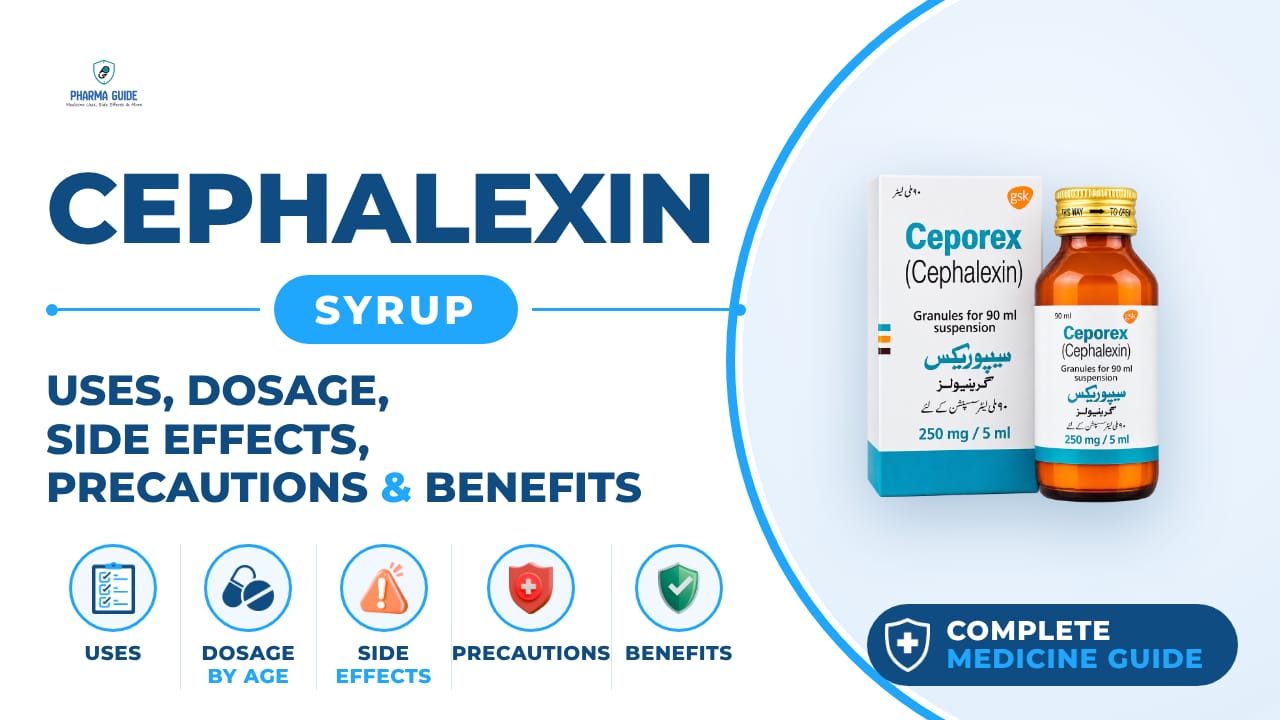
| Generic name | Cephalexin |
|---|---|
| Drug class | First generation cephalosporin antibiotic |
| Forms | Capsule, Tablet, Powder for oral suspension (liquid) |
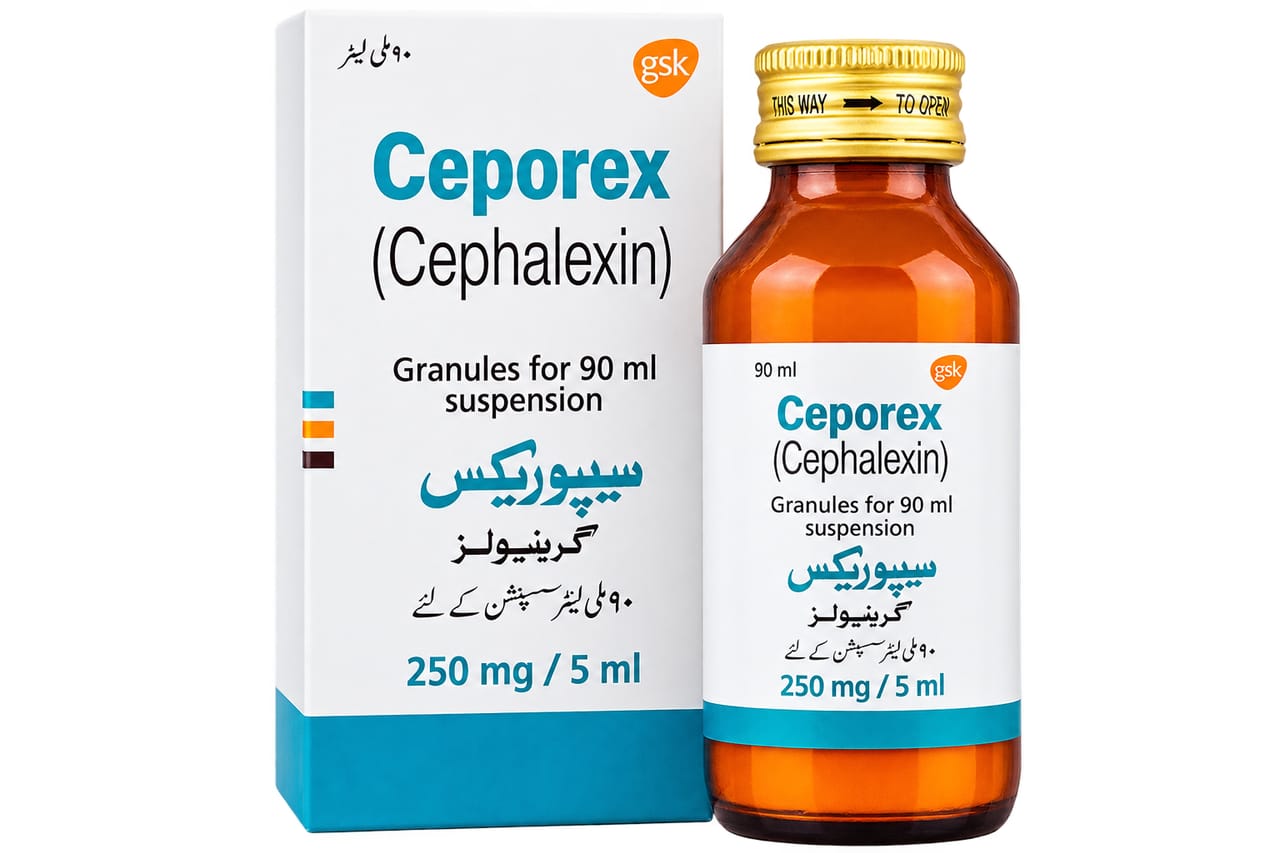
Quick overview
Cephalexin Syrup contains cephalexin, a first generation cephalosporin antibiotic used to treat bacterial infections in many different parts of the body. It works by killing bacteria or stopping their growth and will not work for colds, flu, or other viral infections. It can be given with or without food, and it is available as capsules, tablets, or a powder for oral suspension.
What is Cephalexin Syrup
Cephalexin is a cephalosporin antibiotic. It is used to treat bacterial infections in many different parts of the body. It works by killing bacteria or stopping their growth. It will not work for colds, flu, or other infections caused by viruses.
Cephalexin Syrup uses
- Treats bacterial infections in many parts of the body
- Upper respiratory infections
- Ear infections (otitis media)
- Skin and skin structure infections
- Urinary tract infections
- Bone infections
- Genitourinary tract infections, including acute prostatitis
Benefits of Cephalexin Syrup
- Helps clear up bacterial infections
- Can be given with or without food
How Cephalexin Syrup works
Cephalexin is a cephalosporin antibiotic. It works by killing bacteria or stopping them from growing. It does not work against viruses such as colds or flu.
Cephalexin Syrup dosage
Take this medicine only as directed by your doctor. Do not take more of it, take it more often, or take it for longer than ordered.
Shake the oral liquid well before each use. Measure the medicine with a marked measuring spoon, oral syringe, or medicine cup. A regular household teaspoon may not hold the right amount.
Cephalexin may be given with or without food.
Keep using this medicine for the full treatment time, even if you feel better after the first few doses. Your infection may not clear up if you stop too soon.
Do not share this medicine with another person, even if they have the same symptoms.
If your symptoms do not improve within a few days, or if they get worse, check with your doctor.
| Age group | Dose |
|---|---|
| Under 1 year | Usually 25–50 mg/kg/day, divided into 2–4 doses, only as prescribed |
| 1–11 years | 25–50 mg/kg/day, divided into 2–4 doses; severe infections may require up to 100 mg/kg/day |
| 12–17 years | If adult-sized, commonly 250–500 mg every 6 hours, depending on the infection |
| 18–64 years | Commonly 250–500 mg every 6 hours |
| 65+ years | Usually adult dosing, but kidney function may require adjustment |
Available forms and strengths
- Capsule
- Tablet
- Powder for oral suspension (liquid)
Side effects of Cephalexin Syrup
Common
- Diarrhea
- Nausea
- Vomiting
- Indigestion
- Stomach pain
- Vaginal itching or discharge
Serious
- Signs of an allergic reaction such as hives, trouble breathing, or swelling of the face or throat
- Severe skin reaction with fever, sore throat, burning eyes, skin pain, or red or purple rash with blistering and peeling
- Severe stomach pain, or diarrhea that is watery or bloody (even months after the last dose)
- Unusual tiredness, feeling light-headed, or shortness of breath
- Easy bruising, unusual bleeding, or purple or red spots under the skin
- A seizure
- Pale skin, cold hands and feet
- Yellowed skin or dark colored urine
- Fever and weakness
- Pain in the side or lower back, or painful urination
Warnings and precautions
- Cephalexin is not expected to be harmful to an unborn baby.
- Tell your doctor if you are pregnant.
This medicine should be used during pregnancy only if clearly needed. - Cephalexin can pass into breast milk. Studies suggest it poses minimal risk to the infant, but you should use caution and tell your doctor if you are breastfeeding.
- Use with caution if you have kidney disease. The effects may be increased because the medicine is removed from the body more slowly, and the dose may need to be lowered.
- Use with caution if you have liver disease. The effects may be increased because the medicine is removed from the body more slowly.
- Do not use this medicine if you are allergic to cephalexin or to other cephalosporin antibiotics. Tell your doctor about any drug allergies, especially to penicillins.
- There is a risk of cross-allergy between penicillins and cephalosporins. People with a history of penicillin allergy should be given this medicine with caution.
- This medicine can cause diarrhea that can be severe, sometimes caused by a bowel infection (pseudomembranous colitis). Do not take medicine to treat diarrhea without first checking with your doctor, as it may make things worse.
- This medicine can affect the results of certain medical tests and can cause a false-positive urine sugar test. Tell any doctor treating you that you are using it.
- Use only for bacterial infections. Using it when it is not needed increases the risk of bacteria becoming resistant to the medicine.
Storage
- Store the tablets and capsules in a closed container at room temperature, away from heat, moisture, and direct light. Keep from freezing.
- Store the oral liquid in the refrigerator. Throw away any unused liquid after 14 days.
- After mixing, keep the bottle tightly closed and shake well before using.
- Keep out of the reach of children.
- Do not keep outdated medicine or medicine no longer needed.
- Ask your healthcare professional how to dispose of any medicine you do not use.
When to see a doctor
Get emergency medical help right away if you have signs of an allergic reaction, such as hives, trouble breathing, or swelling in your face or throat, or a severe skin reaction with fever, sore throat, burning eyes, skin pain, or a red or purple rash with blistering and peeling.
Call your doctor right away if you have chest pain, blistering or peeling skin, hive-like swelling of the face or mouth, severe rash, trouble breathing or swallowing, or fever or chills while using this medicine.
If you take too much of this medicine, seek emergency medical attention or call your local poison control center. Overdose symptoms may include nausea, vomiting, stomach pain, diarrhea, and blood in the urine.
Alternatives
- Cefadroxil Suspension
- Cefuroxime Suspension
- Cefixime Suspension
- Cefpodoxime Suspension
- Cefdinir Suspension
- Amoxicillin Suspension
Watch the video
FAQs
What is Cephalexin Syrup used for?
It treats bacterial infections in many parts of the body, including upper respiratory infections, ear infections, skin and skin structure infections, urinary tract infections, bone infections, and genitourinary tract infections.
Can Cephalexin Syrup be taken with food?
Yes, Cephalexin may be given with or without food.
How should Cephalexin Syrup be stored?
Store the oral liquid in the refrigerator and throw away any unused liquid after 14 days. Keep the bottle tightly closed and shake well before each use.
What are the common side effects of Cephalexin Syrup?
Common side effects include diarrhea, nausea, vomiting, indigestion, stomach pain, and vaginal itching or discharge.
Is Cephalexin Syrup safe during pregnancy or breastfeeding?
Cephalexin is not expected to be harmful to an unborn baby and should be used during pregnancy only if clearly needed. It can pass into breast milk, and studies suggest it poses minimal risk to the infant, but caution is advised and you should tell your doctor if breastfeeding.
General information, not medical advice
Your prescriber and the leaflet in your pack know your situation. This page does not.
- Follow your prescriber and the leaflet
- Don't start, stop, or change a dose on your own
- Doses and warnings differ by country and product
Sources
- Mayo Clinic - Cephalexin (oral route) (https://www.mayoclinic.org/drugs-supplements/cephalexin-oral-route/description/drg-20073325)
- Drugs.com - Cephalexin (https://www.drugs.com/cephalexin.html)
- DailyMed - Cephalexin for Oral Suspension USP, Carlsbad Technology, Inc. (https://dailymed.nlm.nih.gov/dailymed/fda/fdaDrugXsl.cfm?setid=22ab5dba-bfce-498d-a644-9ca0e343b1cf&type=display)
Video
Related medicines
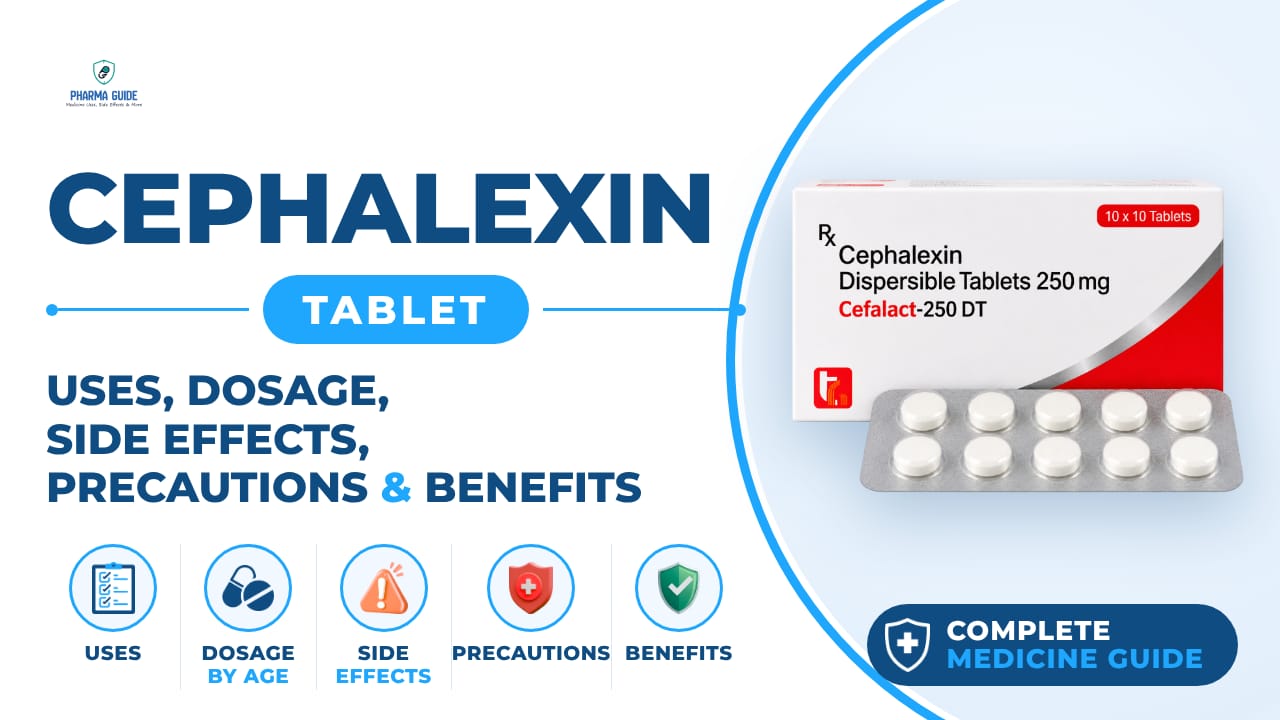
Cephalexin Tablet: Uses, Dosage, Side Effects, Precautions and Alternates
First generation cephalosporin antibiotic
Cephalexin Tablet is an antibiotic for respiratory, ear, skin, urinary, bone, and dental infections. Learn uses, dosage, side effects, and precautions.

Injectafer Injection: Uses, Dosage, Side Effects, Precautions and Alternates
Iron products
Injectafer (ferric carboxymaltose) treats iron deficiency anemia and heart failure-related iron deficiency via IV. Learn uses, dosage, side effects, and