
Safety
General information, not medical advice
Your prescriber and the leaflet in your pack know your situation. This page does not.
- Follow your prescriber and the leaflet
- Don't start, stop, or change a dose on your own
- Doses and warnings differ by country and product
Chlorpheniramine Tablet: Uses, Dosage, Side Effects, Precautions and Alternates
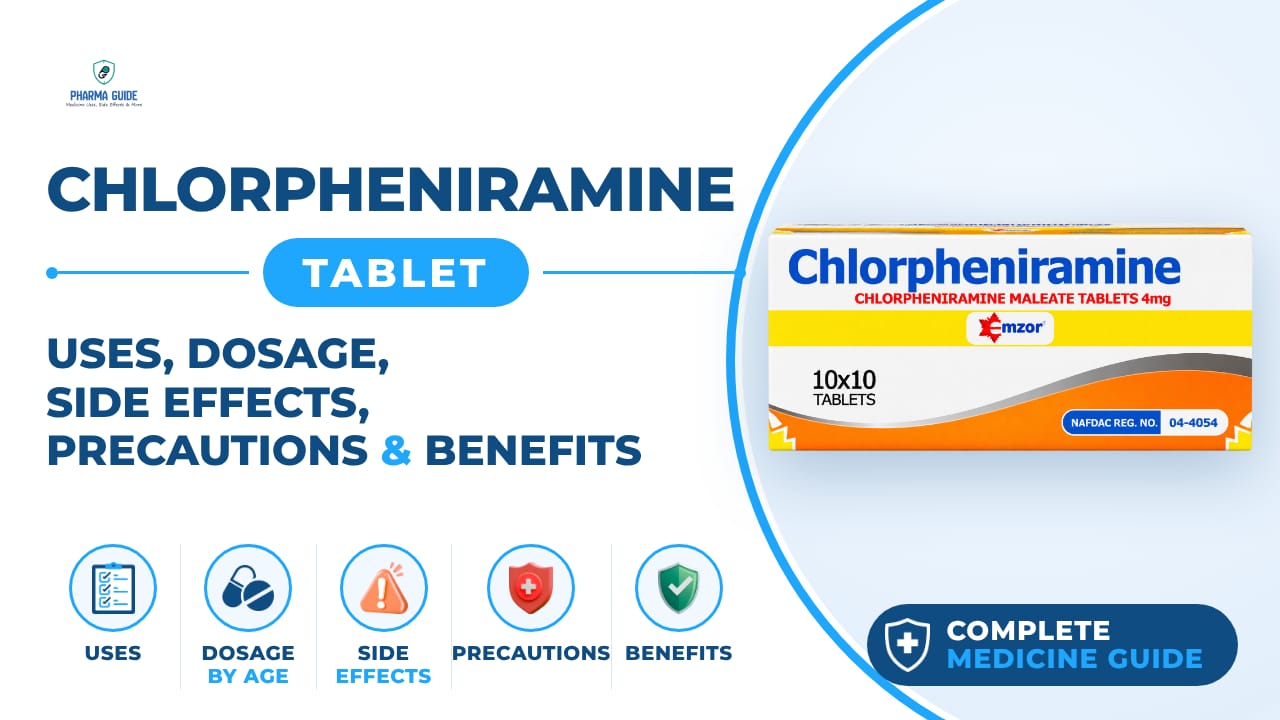
| Generic name | Chlorpheniramine (chlorpheniramine maleate) |
|---|---|
| Drug class | Antihistamine |
| Forms | Oral syrup, Oral tablet, Oral tablet, extended release, Capsule, Extended-release capsule, Chewable tablet, Liquid |
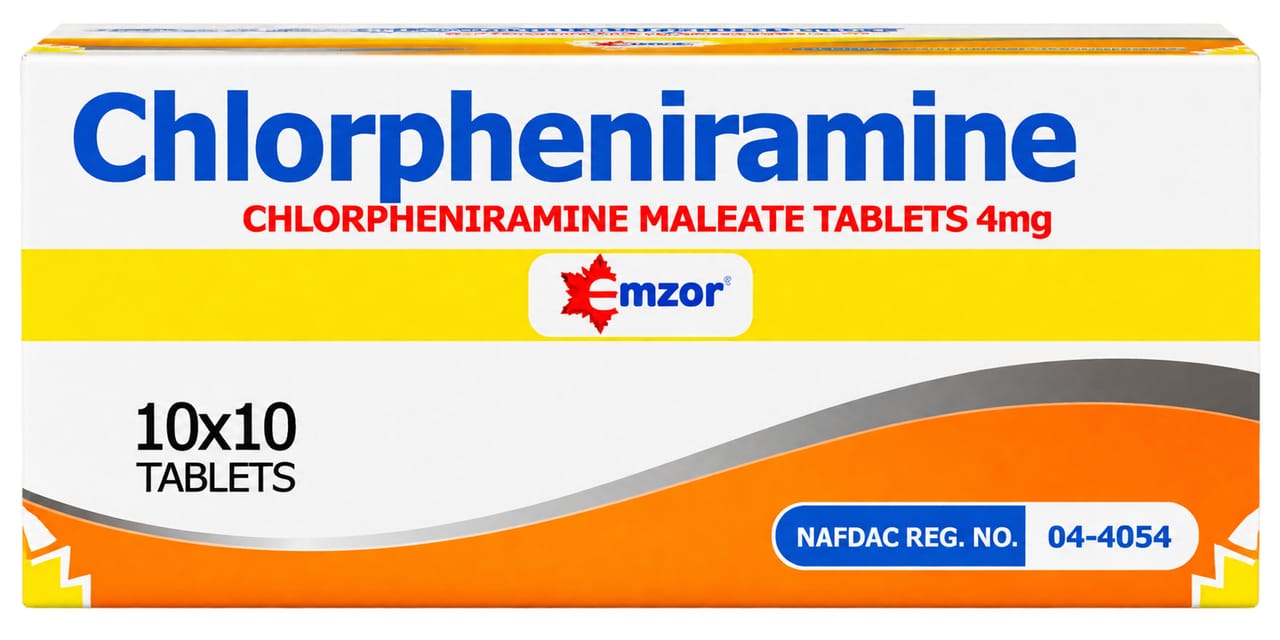
Quick overview
Chlorpheniramine (chlorpheniramine maleate) is an antihistamine that reduces the effects of histamine, a natural chemical that causes sneezing, itching, watery eyes, and runny nose. It is used for allergy, cold, and flu symptoms, as well as hives and allergic skin conditions. It comes in several forms, including tablets, extended-release tablets, capsules, and liquid, and dosing depends on age.
What is Chlorpheniramine Tablet
Chlorpheniramine is an antihistamine that reduces the effects of a natural chemical called histamine in the body. Histamine can cause sneezing, itching, watery eyes, and runny nose.
Chlorpheniramine Tablet uses
- Runny nose, sneezing, itching, and watery eyes caused by allergies, the common cold, or the flu
- Hay fever and seasonal allergies
- Allergic skin conditions such as hives or itching
- Allergic reactions from insect bites or stings
- Urticaria (hives)
- Allergic conjunctivitis (red, itchy, watery eyes)
- Symptoms of respiratory infections like the common cold and flu
- Sometimes used as a mild sedative for anxiety and insomnia
Benefits of Chlorpheniramine Tablet
- Relieves sneezing, runny nose, and itchy or watery eyes from allergies
- Reduces itching and swelling from hives and skin allergies
- Provides short-term relief from cold and flu symptoms
How Chlorpheniramine Tablet works
Chlorpheniramine blocks the action of histamine, a substance in the body that causes allergy symptoms.
Chlorpheniramine Tablet dosage
Take by mouth exactly as directed on the label or by your doctor; do not take more or less than recommended or for longer than recommended. It can be taken with or without food. Swallow extended-release tablets whole; do not crush, chew, split, or break them, since this can release too much of the drug at once.
Regular tablets, chewable tablets, and liquid are usually taken every 4 to 6 hours as needed, while extended-release tablets are usually taken twice a day, morning and evening. If using liquid medicine, measure it with a proper dose-measuring spoon or cup, not a regular kitchen spoon.
Do not use for longer than about a week in a row; talk to your doctor if symptoms do not improve, or if you have a fever with headache or skin rash. Always ask a doctor before giving cough or cold medicine to a young child. Check other cough, cold, or allergy product labels before combining, since many contain antihistamines and combining them can lead to getting too much medicine. Older adults should discuss the risks and benefits with a doctor, as this medicine may not be as safe for them as other options.
| Age group | Dose |
|---|---|
| Under 2 years | Do not use unless prescribed by a doctor |
| 2–5 years | Pediatric formulation preferred; doctor's advice required |
| 6–11 years | 2 mg every 4–6 hours |
| 12 years & older | 4 mg every 4–6 hours |
| Adults | 4 mg every 4–6 hours |
Available forms and strengths
- Oral syrup
- Oral tablet
- Oral tablet, extended release
- Capsule
- Extended-release capsule
- Chewable tablet
- Liquid
Side effects of Chlorpheniramine Tablet
Common
- Dizziness, drowsiness
- Dry mouth, nose, or throat
- Constipation
- Blurred vision
- Feeling nervous or restless
- Headache
- Nausea, vomiting, loss of appetite
- Increased chest congestion
- Attention disturbances
- Fatigue
Serious
- Fast or uneven heart rate
- Mood changes
- Tremor, seizure (convulsions)
- Easy bruising or bleeding, unusual weakness
- Feeling short of breath
- Little or no urinating
- Difficulty urinating
- Vision problems
- Signs of an allergic reaction: hives, difficult breathing, swelling of face, lips, tongue, or throat
Warnings and precautions
- Chlorpheniramine is not expected to harm an unborn baby, but you should not use it during pregnancy without your doctor's advice.
- Chlorpheniramine may pass into breast milk and could harm a nursing baby, and it may also slow milk production, so check with your doctor before using it while breastfeeding.
- Talk to your doctor before using chlorpheniramine if you have kidney disease.
- Talk to your doctor before using chlorpheniramine if you have liver disease.
- Avoid or limit alcohol while taking chlorpheniramine, since it can make side effects like drowsiness worse.
- This medicine can cause blurred vision or affect your thinking and reactions, so be careful driving or doing tasks that need alertness.
- Always check with a doctor before giving cough or cold medicine to a child, since misuse in very young children can be fatal.
- Do not use chlorpheniramine if you have narrow-angle glaucoma, a blockage in your stomach or intestines, an enlarged prostate, if you can't urinate, or if you are having an asthma attack.
- Ask your doctor first if you have a digestive tract blockage, colostomy or ileostomy, liver or kidney disease, asthma or COPD, heart disease, high blood pressure, epilepsy or seizures, urination problems, an adrenal gland tumor, or an overactive thyroid.
- Ask a doctor or pharmacist before combining this medicine with other cold, cough, allergy, or sleep medicines, since many contain antihistamines and combining them can cause you to get too much of the drug.
- Avoid getting overheated or dehydrated during exercise or in hot weather, since this medicine can reduce sweating and increase the risk of heat stroke.
- Taking this medicine with other drugs that cause drowsiness or slow breathing, such as sleeping pills, narcotic pain medicine, muscle relaxants, or medicine for anxiety, depression, or seizures, can worsen these effects.
- Older adults should discuss the risks and benefits of this medicine with their doctor, since it may not be as safe or effective for them as other treatment options.
- This medicine is not approved for use in children under 1 year of age.
Storage
- Store at room temperature away from moisture and heat.
- Do not allow the liquid form of this medicine to freeze.
- Chlorpheniramine should be stored in a firmly sealed container, stored at room temperature from 20 - 25C (68 - 77F).
- Keeping Chlorpheniramine out of the reach of children and pets is important.
- Do not use Chlorpheniramine after the expiration date printed on the label.
- Keep this medication in the container it came in, tightly closed, and out of reach of children. Store it at room temperature and away from excess heat and moisture (not in the bathroom).
- Dispose of unneeded medications in a way so that pets, children, and other people cannot take them. Do not flush this medication down the toilet. Use a medicine take-back program.
When to see a doctor
- Get emergency medical help right away if you have signs of an allergic reaction such as hives, trouble breathing, or swelling of the face, lips, tongue, or throat.
- Stop the medicine and call your doctor right away if you have a fast or uneven heart rate, mood changes, tremor or seizures, easy bruising or bleeding, unusual weakness, feeling short of breath, or little or no urination.
- If you experience serious side effects like vision problems or difficulty urinating, call your doctor immediately.
- If someone has taken too much of this medicine, get emergency medical help or contact poison control right away; symptoms of overdose can include confusion, drowsiness, difficulty breathing, seizures, hallucinations, and irregular heartbeat.
Alternatives
- Benadryl
- Claritin
- Cyproheptadine
- Promethazine
- Diphenhydramine
- Cetirizine
- Aller-Chlor
- Chlo-Amine
- Chlor-Trimeton
- Teldrin Allergy
Watch the video
FAQs
What is chlorpheniramine tablet used for?
It is used to relieve runny nose, sneezing, itching, and watery eyes caused by allergies, colds, or flu, as well as hives, allergic skin conditions, and allergic conjunctivitis. It is sometimes used as a mild sedative for anxiety and insomnia.
How does chlorpheniramine work?
Chlorpheniramine blocks the action of histamine, a substance in the body that causes allergy symptoms like sneezing, itching, watery eyes, and runny nose.
What is the dosage of chlorpheniramine for adults?
Adults and children 12 years and older typically take 4 mg every 4 to 6 hours, while children 6 to 11 years take 2 mg every 4 to 6 hours. It should not be used for longer than about a week in a row.
What are the common side effects of chlorpheniramine?
Common side effects include dizziness, drowsiness, dry mouth, constipation, blurred vision, headache, nausea, and fatigue.
Can I drink alcohol while taking chlorpheniramine?
No, you should avoid or limit alcohol while taking chlorpheniramine since it can worsen side effects like drowsiness.
General information, not medical advice
Your prescriber and the leaflet in your pack know your situation. This page does not.
- Follow your prescriber and the leaflet
- Don't start, stop, or change a dose on your own
- Doses and warnings differ by country and product
Sources
Video
Related medicines
Nytol Tablet: Uses, Dosage, Side Effects, Precautions and Alternates
Antihistamine
Nytol Tablet contains diphenhydramine, used for short-term relief of occasional sleeplessness. Learn its dosage, benefits, side effects, and precautions.
Cyproheptadine Tablet: Uses, Dosage, Side Effects, Precautions and Alternates
Antihistamine
Cyproheptadine Tablet is an antihistamine used for allergies, hives, and migraine headaches. Learn its uses, dosage, side effects, and precautions.