
Safety
General information, not medical advice
Your prescriber and the leaflet in your pack know your situation. This page does not.
- Follow your prescriber and the leaflet
- Don't start, stop, or change a dose on your own
- Doses and warnings differ by country and product
Convulex Capsule: Uses, Dosage, Side Effects, Precautions and Alternates
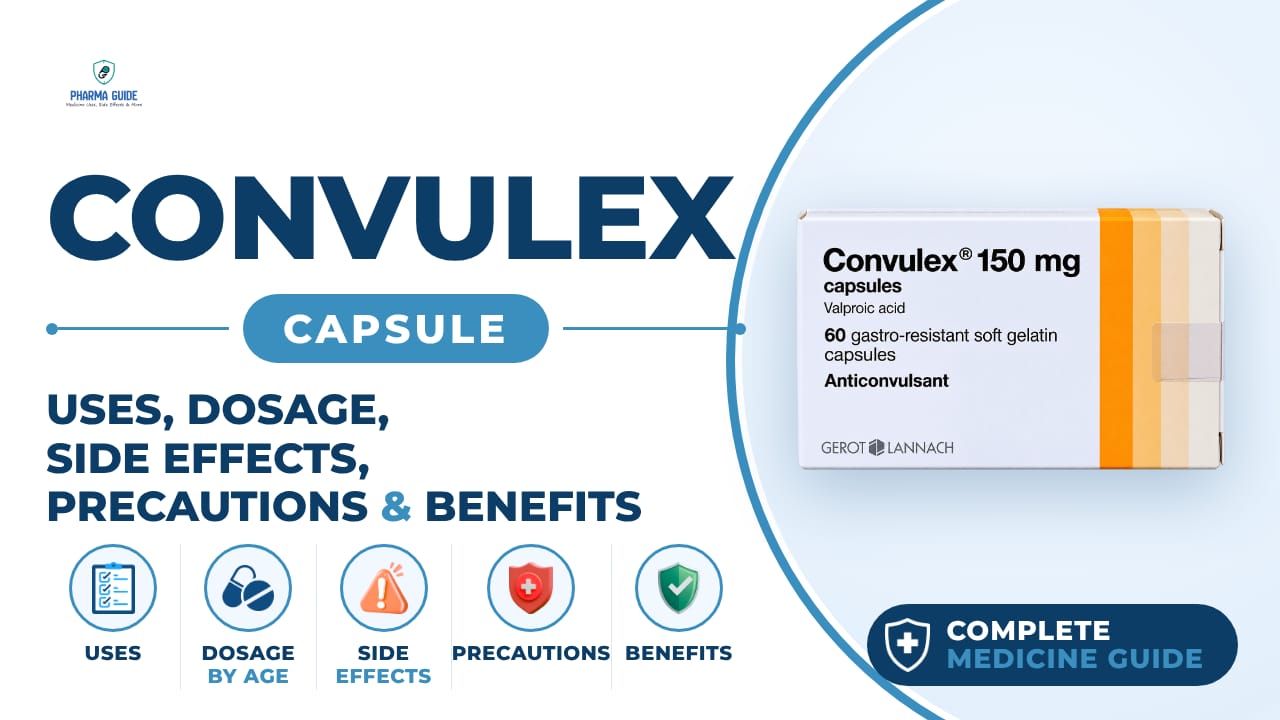
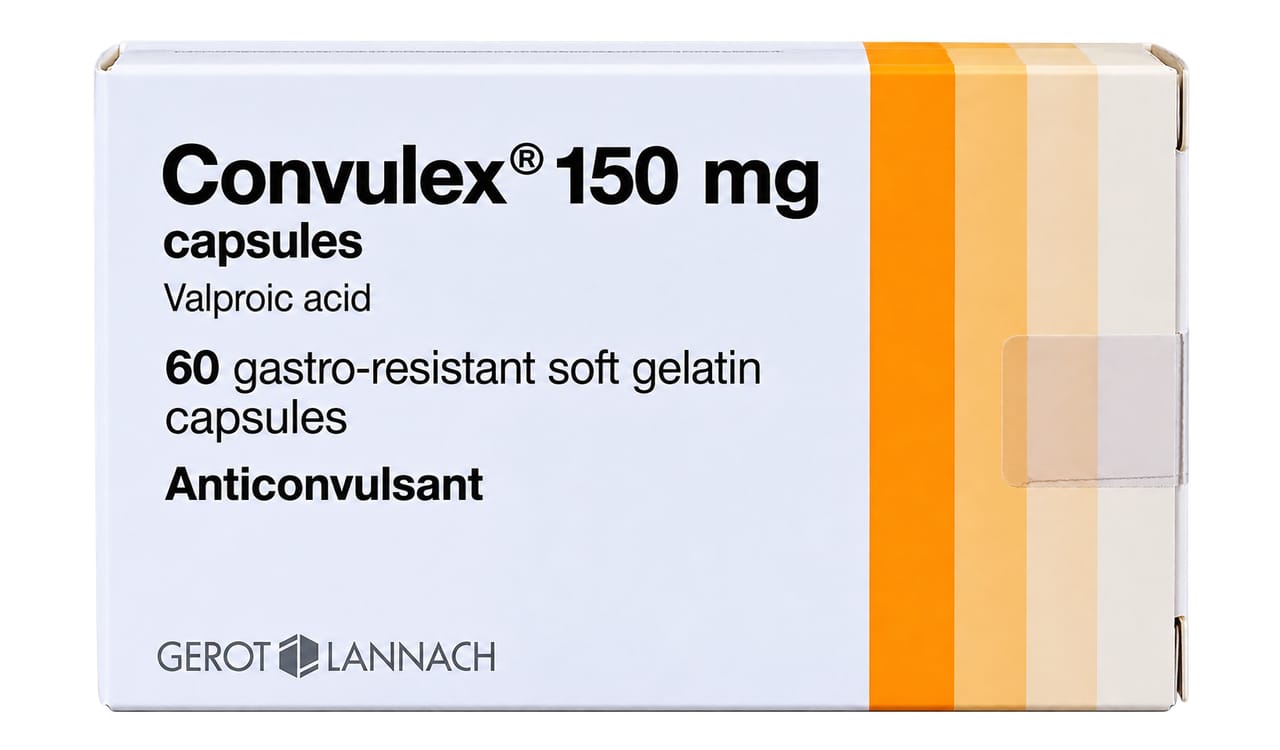
| Generic name | Valproic acid (sodium valproate) |
|---|---|
| Drug class | Anticonvulsant |
| Forms | Syrup, Capsules (150 mg, 300 mg, 500 mg) |
Quick overview
Convulex Capsule contains valproic acid (sodium valproate) and belongs to the anticonvulsant class of medicines. It is used to treat epilepsy and to treat or prevent bipolar disorders. It works by boosting the action of a brain chemical called GABA to calm overactive nerve signals. It is available as capsules and syrup, and requires careful use due to possible side effects and precautions, particularly around pregnancy and liver health.
What is Convulex Capsule
Convulex belongs to a group of medicines called anticonvulsants, used to treat epilepsy (fits) or to treat or prevent bipolar disorders.
Convulex Capsule uses
- Treatment of generalised, partial or other epilepsy
- Treatment of epilepsy (fits)
- Treatment or prevention of bipolar disorders
- Management of manic episodes in bipolar disorder
- Prevention of migraine headaches
Benefits of Convulex Capsule
- Helps stabilise electrical activity in the brain to reduce seizures
- May allow better seizure control, which can enable patients to actively drive
- Can help reduce the frequency and severity of manic episodes in bipolar disorder
How Convulex Capsule works
Convulex is thought to work by boosting the action of a natural brain chemical called GABA, which calms down overactive nerve signals and helps control seizures.
Convulex Capsule dosage
Take Convulex exactly as your doctor has instructed you. The total daily dose should be taken in divided doses. Capsules should be swallowed whole with some liquid, during or after meals. Do not crush, chew, or break the capsule. You can take the tablet with or without food. Try to take the medicine at the same time every day.
If you forget a dose, take it as soon as you remember, unless it is nearly time for your next dose; do not double up. Do not stop or interrupt treatment without first talking to your doctor.
| Age group | Dose |
|---|---|
| Children under 20 kg | Usually 20 mg/kg/day, generally divided into 2 doses |
| Children over 20 kg | Initial dose usually no more than 400 mg/day; usual maintenance range 20–30 mg/kg/day |
| Adolescents 12–17 years | Generally 20–30 mg/kg/day, adjusted according to seizure control and body weight |
Available forms and strengths
- Syrup
- Capsules (150 mg, 300 mg, 500 mg)
Side effects of Convulex Capsule
Common
- Nausea and minor gastric irritation, especially when starting treatment
- Shakiness (tremor), drowsiness
- Skin reactions such as rashes
- Transient hair loss
- Changes in women's periods
- Allergic reactions
- Swelling of the feet and legs (oedema)
- Weight gain
- Kidney problems, bedwetting or increased need to pass urine
- Dizziness, tiredness
- Headache
- Dry mouth
Serious
- Bizarre behaviour with or without more frequent or severe fits, or loss of drive
- Repeated vomiting, extreme tiredness, abdominal pain, drowsiness, weakness, loss of appetite, nausea, jaundice (yellowing of skin or eyes), swelling of the legs, or worsening of epilepsy, or a general feeling of being unwell
- Blood clotting problems
- Spontaneous bruising or bleeding
- Blisters and skin detachment
Warnings and precautions
- Convulex can harm an unborn baby and should not be used in pregnancy or in women who could become pregnant unless other treatments do not work or are not tolerated. Effective contraception is needed during treatment, and anyone planning a pregnancy should talk to their doctor before stopping contraception.
- Talk to your doctor, pharmacist, or other healthcare professional before taking this medicine if you are breastfeeding.
- People with kidney problems need special care with this medicine, and the dose may need to be lowered.
- This medicine is not to be used if you have active liver disease or a personal or family history of severe liver problems, because it can rarely cause serious, even fatal, liver damage, especially in the first six months of treatment.
- Do not drink alcohol while taking this medicine, as it can increase the effects of alcohol.
- This medicine can sometimes cause temporary drowsiness, especially when combined with other epilepsy medicines or benzodiazepines, so be careful when driving or using machines.
- A small number of people taking anti-epileptic medicines like Convulex have had thoughts of harming or killing themselves. Contact your doctor right away if you ever have these thoughts.
- This medicine should not be used by anyone allergic to valproic acid, sodium valproate, or any of its other ingredients.
- This medicine is not for use in people with active liver disease, porphyria, or a personal or family history of severe liver problems.
- This medicine can very rarely cause severe, sometimes fatal, inflammation of the pancreas. Seek prompt medical help if you get nausea, vomiting, or severe stomach pain.
- Special care is needed in people with bone marrow problems, kidney problems, severe epilepsy, mental disability, head injuries, and in children younger than 3 years.
Storage
- Keep out of the reach and sight of children
- Tightly close the container after each use
- Do not use after the expiry date which is stated on the container; the expiry date refers to the last day of that month
- Return all unused medicine to your pharmacist
- Do not dispose of unused medicine in drains or sewerage systems
- Do not store above 25°C
- Do not refrigerate or freeze
- Keep in the original package to protect from light and moisture
When to see a doctor
- Get urgent medical attention if you notice unusual or bizarre behaviour, more frequent or severe seizures, or loss of motivation, especially if taking phenobarbital or after a sudden dose increase.
- Tell your doctor immediately if you have repeated vomiting, extreme tiredness, stomach pain, drowsiness, weakness, loss of appetite, nausea, yellowing of the skin or eyes, swelling of the legs, worsening epilepsy, or generally feeling unwell — these can be signs of serious liver problems.
- Seek medical help right away if you notice unexplained bruising or bleeding, or symptoms of blisters and skin peeling.
- If you take more Convulex than prescribed, this can be dangerous and may cause nausea, vomiting, dizziness, and serious or even fatal effects on breathing and the nervous system — get immediate medical help.
Alternatives
- Levetiracetam
- Lamotrigine
- Carbamazepine
Watch the video
FAQs
What is Convulex Capsule used for?
Convulex is used to treat generalised, partial or other epilepsy, and to treat or prevent bipolar disorders, including managing manic episodes and preventing migraine headaches.
How does Convulex Capsule work?
Convulex is thought to work by boosting the action of a natural brain chemical called GABA, which calms down overactive nerve signals and helps control seizures.
Can Convulex Capsule be used during pregnancy?
Convulex can harm an unborn baby and should not be used in pregnancy or in women who could become pregnant unless other treatments do not work or are not tolerated. Effective contraception is needed during treatment.
What are the common side effects of Convulex Capsule?
Common side effects include nausea, minor gastric irritation, tremor, drowsiness, skin rashes, transient hair loss, changes in periods, swelling of the feet and legs, weight gain, dizziness, tiredness, headache, and dry mouth.
Can I drink alcohol while taking Convulex Capsule?
No, you should not drink alcohol while taking this medicine, as it can increase the effects of alcohol.
General information, not medical advice
Your prescriber and the leaflet in your pack know your situation. This page does not.
- Follow your prescriber and the leaflet
- Don't start, stop, or change a dose on your own
- Doses and warnings differ by country and product
Sources
Video
Related medicines
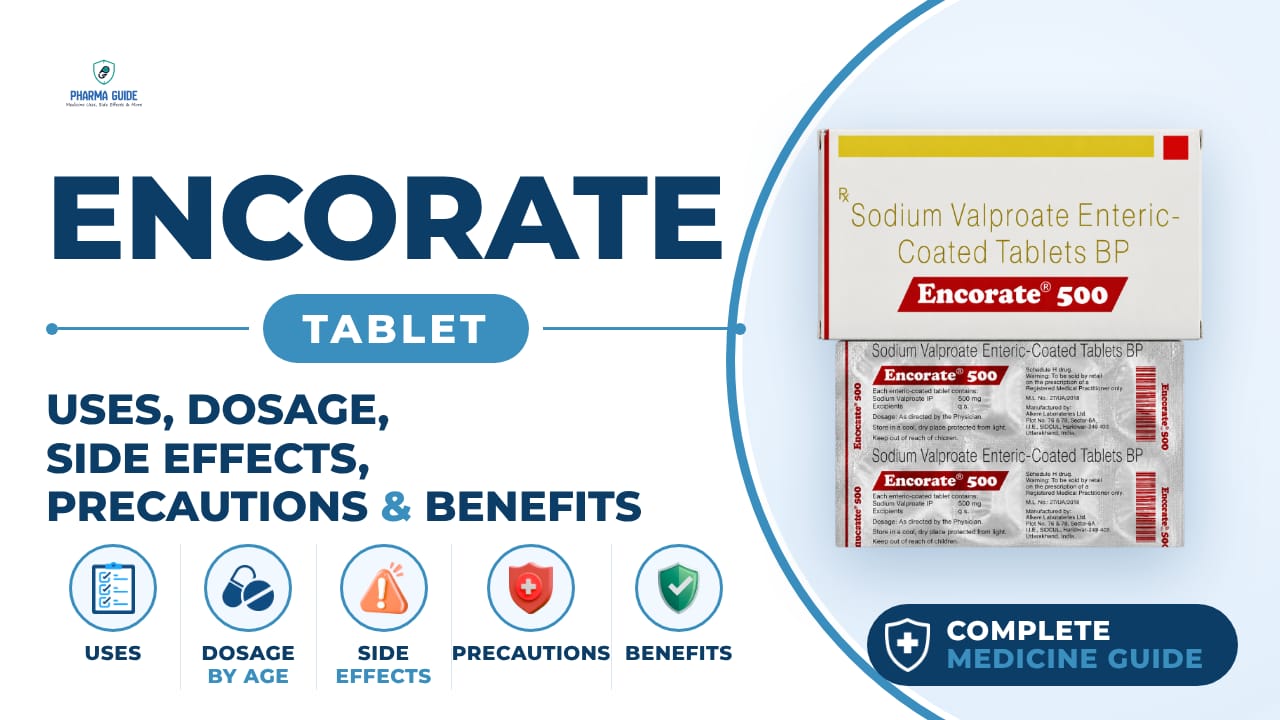
Encorate Tablet: Uses, Dosage, Side Effects, Precautions and Alternates
Anticonvulsant
Encorate Tablet (sodium valproate) treats epilepsy, bipolar disorder, and prevents migraines. Learn its uses, dosage, side effects, and precautions.
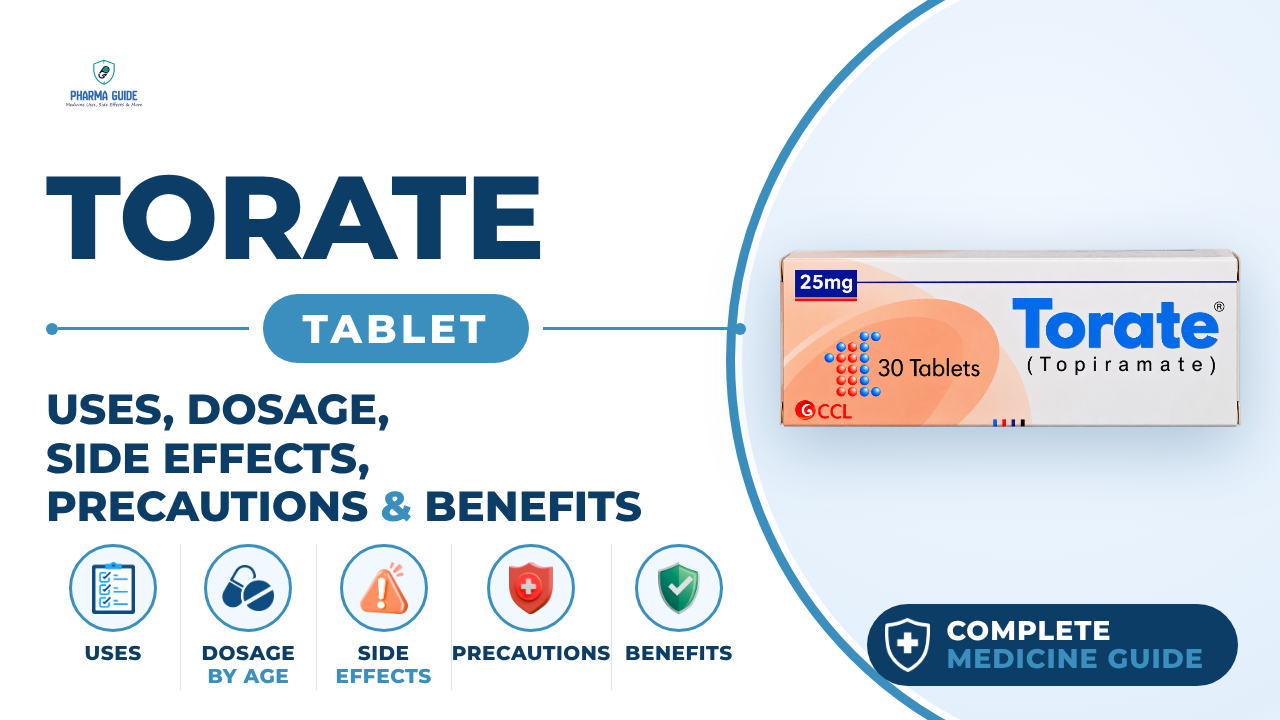
Torate Tablet: Uses, Dosage, Side Effects, Precautions and Alternates
Anticonvulsant
Torate Tablet (Topiramate) treats seizures and prevents migraines. Learn about its uses, dosage, side effects, warnings, and precautions before use.