
Safety
General information, not medical advice
Your prescriber and the leaflet in your pack know your situation. This page does not.
- Follow your prescriber and the leaflet
- Don't start, stop, or change a dose on your own
- Doses and warnings differ by country and product
Cravit Tablet: Uses, Dosage, Side Effects, Precautions and Alternates
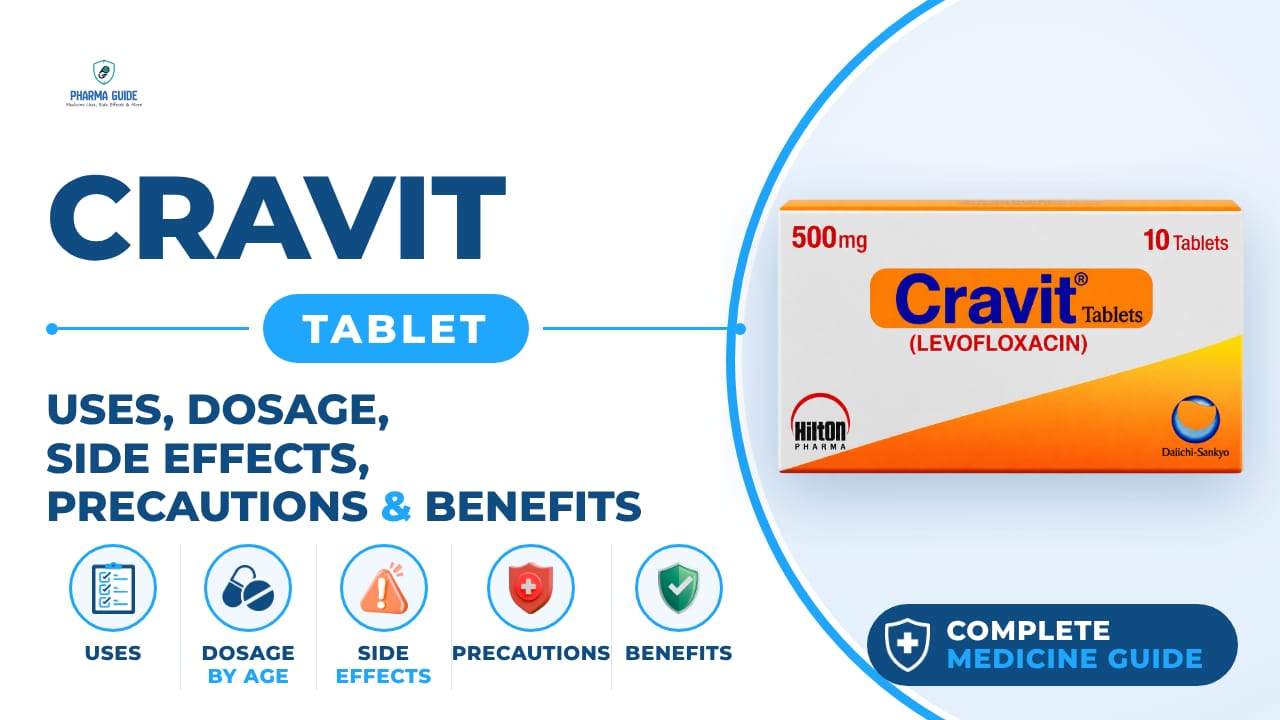
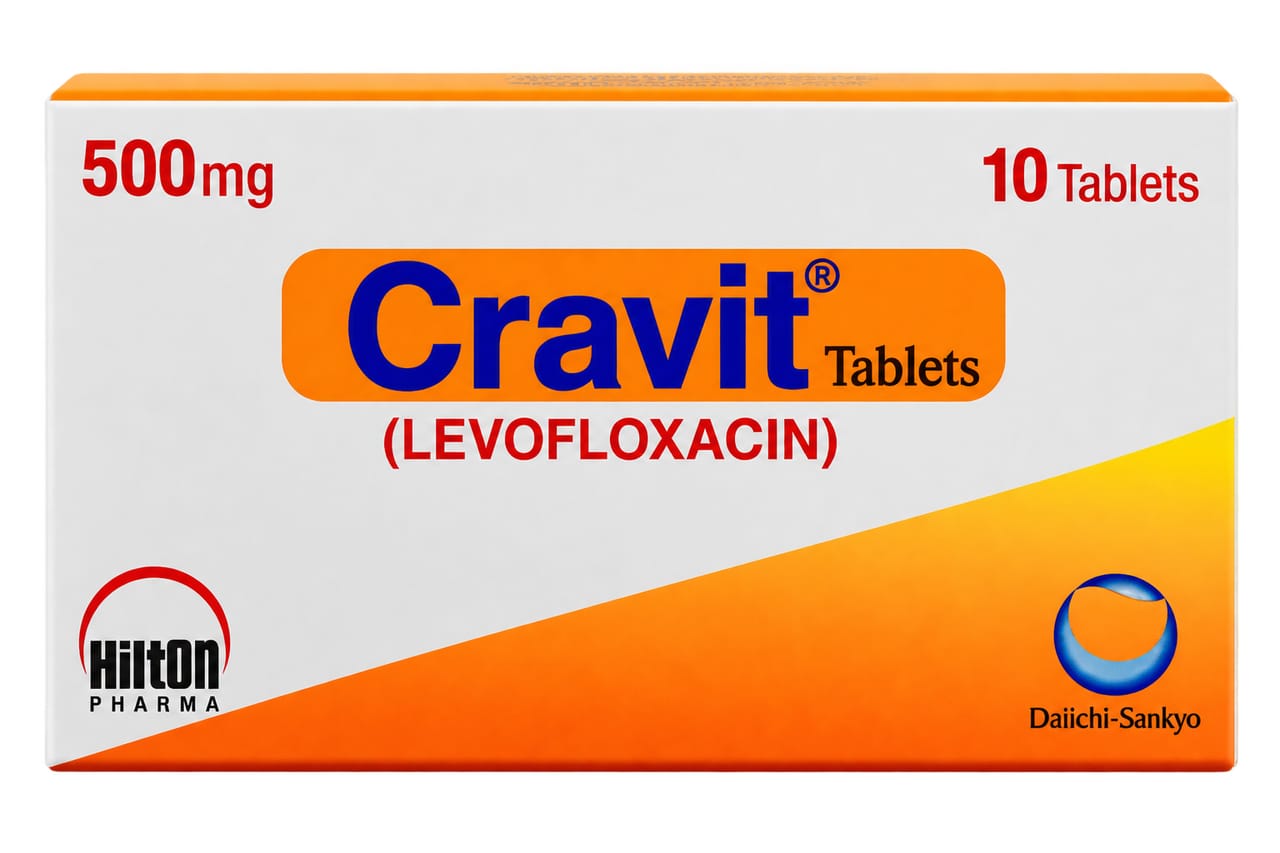
| Generic name | Levofloxacin |
|---|---|
| Drug class | Fluoroquinolone |
| Forms | Tablet |
Quick overview
Cravit Tablet contains Levofloxacin, an antibiotic from the fluoroquinolone class used to treat a variety of bacterial infections in adults, including respiratory, urinary, skin, and other infections. It works by blocking an enzyme bacteria need to copy their DNA, stopping bacterial growth. Cravit must not be used during pregnancy or breastfeeding, and it carries warnings about tendon, nerve, and mental health effects.
What is Cravit Tablet
Cravit Tablet contains Levofloxacin, an antibiotic that belongs to the fluoroquinolone class. It is used to treat a variety of bacterial infections in adults.
Cravit Tablet uses
- Acute sinusitis
- Acute exacerbation of chronic bronchitis
- Community-acquired pneumonia
- Complicated and uncomplicated urinary tract infections
- Acute nephritis and pyelonephritis
- Skin and soft tissue infections
- Nosocomial pneumonia
- Chronic bacterial prostatitis
- Typhoid and paratyphoid fever
- Bacterial diarrhea
- Ear, nose, and throat infections such as otitis media
- Bone and joint infections in some cases
Benefits of Cravit Tablet
- Bacterial Infection Treatment: Helps treat infections caused by susceptible bacteria.
- Respiratory Infection Support: Used for certain pneumonia, sinus, and throat infections.
- Urinary Infection Treatment: Helps manage selected bacterial urinary tract infections.
- Skin Infection Support: May treat certain bacterial skin and soft tissue infections.
- Broad Antibacterial Action: Works by blocking bacterial DNA replication.
How Cravit Tablet works
Levofloxacin is a man-made, broad-spectrum antibacterial medicine. It works by blocking an enzyme bacteria need to copy their DNA, which stops the bacteria from growing and multiplying. It is effective against many gram-positive, gram-negative, and anaerobic bacteria.
Cravit Tablet dosage
Cravit Tab is not affected by food, so it can be taken regardless of meals. Swallow the tablet whole with a glass of water, with or without food, at the same time each day for the best results. Avoid crushing or chewing the tablet, as this may affect its efficacy. Do not take it with dairy products or calcium-fortified foods, as they can interfere with absorption. If you are using antacids, iron supplements, or multivitamins, leave a gap of at least two hours before or after taking this medicine.
Always complete the full prescribed course, even if you feel better, to prevent the development of antibiotic resistance. Patients taking Cravit Tab need to drink plenty of water to prevent the formation of concentrated urine. If you miss a dose, take it as soon as you remember, but if it is almost time for your next dose, skip the missed dose and continue your regular schedule; do not double up.
Avoid excessive sunlight or UV exposure, as the medicine may increase sensitivity to light. Limit caffeine intake, as levofloxacin may increase its stimulant effects, leading to restlessness or trouble sleeping. Avoid excessive alcohol, as it may worsen dizziness or drowsiness caused by the medication.
| Age group | Dose |
|---|---|
| Under 18 Years | Use only if prescribed by a specialist |
| Adults (18–64 Years) | 250 mg, 500 mg, or 750 mg once daily depending on infection |
| Older Adults (65+ Years) | 250–750 mg once daily; dose adjustment may be needed with kidney problems |
Available forms and strengths
- Tablet
Side effects of Cravit Tablet
Common
- Nausea or vomiting
- Diarrhea or stomach pain
- Taste changes
- Dizziness or lightheadedness
- Headache
- Trouble sleeping (insomnia)
- Loss of appetite
- Indigestion
- Flatulence
- Constipation
Serious
- Joint, muscle, or tendon pain and swelling, which may lead to tendon rupture (especially the Achilles tendon)
- Vision changes
- Allergic reactions, including severe swelling of the face or throat
- Increased sensitivity to sunlight (photosensitivity)
- Changes in heart rhythm such as QT interval prolongation
- Mental disorders such as confusion, hallucinations, anxiety, restlessness, or depression
- Seizures
- Chest pain and irregular heartbeat
- Urine changes
- Yellow eyes or yellow skin (signs of liver problems)
- Signs of a new infection (superinfection) with prolonged use
- Severe or bloody diarrhea, which may signal a serious bowel condition
- Severe skin reactions such as blistering or peeling skin
Warnings and precautions
- Cravit must not be used during pregnancy. Cravit must not be used by women who are breastfeeding. People with reduced kidney function should use Cravit with caution, and the dose may need to be adjusted based on kidney function.
- No dose adjustment is needed for patients with liver problems, since levofloxacin is not significantly processed by the liver and is mainly removed by the kidneys. Drinking too much alcohol may worsen dizziness or drowsiness caused by this medicine.
- This medicine can cause dizziness, drowsiness, and vision problems that may affect your ability to concentrate and react, which can be risky when driving or operating machinery.
- This medicine has been linked to disabling and potentially permanent serious side effects, including tendon problems, tendon rupture, nerve damage, and effects on the brain and nervous system.
- Tendon swelling and tendon rupture, especially of the Achilles tendon, can happen very quickly, within 48 hours of starting the medicine, or even months after stopping it. Elderly people, those with kidney problems, organ transplant patients, or people using corticosteroids have a higher risk.
- This medicine should not be used in patients with epilepsy or a history of tendon problems caused by fluoroquinolone antibiotics.
- Serious and sometimes fatal allergic reactions can occur, sometimes after just the first dose.
- This medicine may increase the risk of aortic aneurysm and aortic dissection (a tear in a major blood vessel), especially in elderly patients or those with certain risk factors.
- This medicine may cause serious mental health effects, including suicidal thoughts, hallucinations, depression, confusion, and severe anxiety, sometimes after the very first dose.
- This medicine can affect blood sugar levels, causing very high or very low blood sugar, especially in people with diabetes taking other diabetes medicines. Severe low blood sugar has led to coma or death in rare cases.
- This medicine should not be used to treat known or suspected MRSA infections unless testing has confirmed the bacteria are sensitive to it.
- This medicine is not recommended for people with a known history of myasthenia gravis because it may worsen muscle weakness.
Storage
- Store this medicine at room temperature, away from direct light and heat.
- Store Levofloxacin Tablets in a cool, dry place, away from direct sunlight, heat, and moisture, typically between 20°C to 25°C unless otherwise specified on the packaging.
- Ensure the medication is stored out of reach of children and pets to prevent accidental ingestion.
- Do not use the tablets after the expiration date mentioned on the packaging.
- For disposal, avoid flushing the tablets down the toilet or throwing them in regular household trash. Instead, follow local guidelines for medication disposal or return unused or expired tablets to a pharmacy take-back program.
When to see a doctor
- Get medical help right away if you notice signs of tendon problems such as pain or swelling in a tendon.
- Stop the medicine and contact your doctor immediately if you have symptoms of nerve damage, such as tingling, numbness, or weakness.
- Seek immediate medical attention if you have sudden abdominal pain, chest pain, or back pain, as these could be signs of a serious blood vessel problem.
- Stop taking this medicine and contact your doctor right away if you develop severe or bloody diarrhea, which could be a sign of a serious bowel infection.
- Contact your doctor immediately if you notice any skin rash, blistering, or peeling of the skin, or reactions affecting the mouth or eyes.
- Get medical help if you experience mental changes such as suicidal thoughts, hallucinations, severe confusion, or severe anxiety while taking this medicine.
- Stop the medicine and see a doctor immediately if you develop signs of liver problems such as loss of appetite, yellowing of the skin or eyes, dark urine, itching, or stomach tenderness.
- If you experience vision problems or any eye effects, see an eye specialist right away.
- If you experience seizures while taking this medicine, treatment should be stopped and you should get medical care.
- In case of a suspected overdose, get medical attention immediately, as symptoms can include confusion, dizziness, seizures, and irregular heartbeat.
Alternatives
- Ciprofloxacin
- Ofloxacin
- Doxycycline
Watch the video
FAQs
What is Cravit Tablet used for?
Cravit Tablet contains Levofloxacin and is used to treat bacterial infections such as acute sinusitis, bronchitis, pneumonia, urinary tract infections, skin and soft tissue infections, prostatitis, typhoid fever, bacterial diarrhea, and ear, nose, and throat infections.
How does Cravit Tablet work?
Levofloxacin is a broad-spectrum antibacterial that works by blocking an enzyme bacteria need to copy their DNA, which stops the bacteria from growing and multiplying.
Can Cravit Tablet be taken with food?
Yes, Cravit Tab is not affected by food and can be taken with or without meals, but it should not be taken with dairy products or calcium-fortified foods as they can interfere with absorption.
What are the serious side effects of Cravit Tablet?
Serious side effects include tendon pain or rupture (especially the Achilles tendon), vision changes, allergic reactions, photosensitivity, changes in heart rhythm, mental disorders like confusion or hallucinations, seizures, and signs of liver problems.
Is Cravit Tablet safe during pregnancy?
No, Cravit must not be used during pregnancy or by women who are breastfeeding.
General information, not medical advice
Your prescriber and the leaflet in your pack know your situation. This page does not.
- Follow your prescriber and the leaflet
- Don't start, stop, or change a dose on your own
- Doses and warnings differ by country and product
Sources
Video
Related medicines

Delafloxacin Tablet: Uses, Dosage, Side Effects, Precautions and Alternates
Fluoroquinolone
Delafloxacin Tablet is a fluoroquinolone antibiotic for bacterial skin infections and pneumonia. Learn uses, dosage, side effects, and warnings.

Zanocin Tablet: Uses, Dosage, Side Effects, Precautions and Alternates
Fluoroquinolone
Zanocin Tablet contains ofloxacin, used to treat urinary, lung, skin, bone and genital infections. Know its uses, dosage, side effects and precautions.