
Safety
General information, not medical advice
Your prescriber and the leaflet in your pack know your situation. This page does not.
- Follow your prescriber and the leaflet
- Don't start, stop, or change a dose on your own
- Doses and warnings differ by country and product
Delafloxacin Tablet: Uses, Dosage, Side Effects, Precautions and Alternates

| Generic name | Delafloxacin |
|---|---|
| Drug class | Fluoroquinolone |
| Forms | Tablet, Injection (powder for reconstitution) |
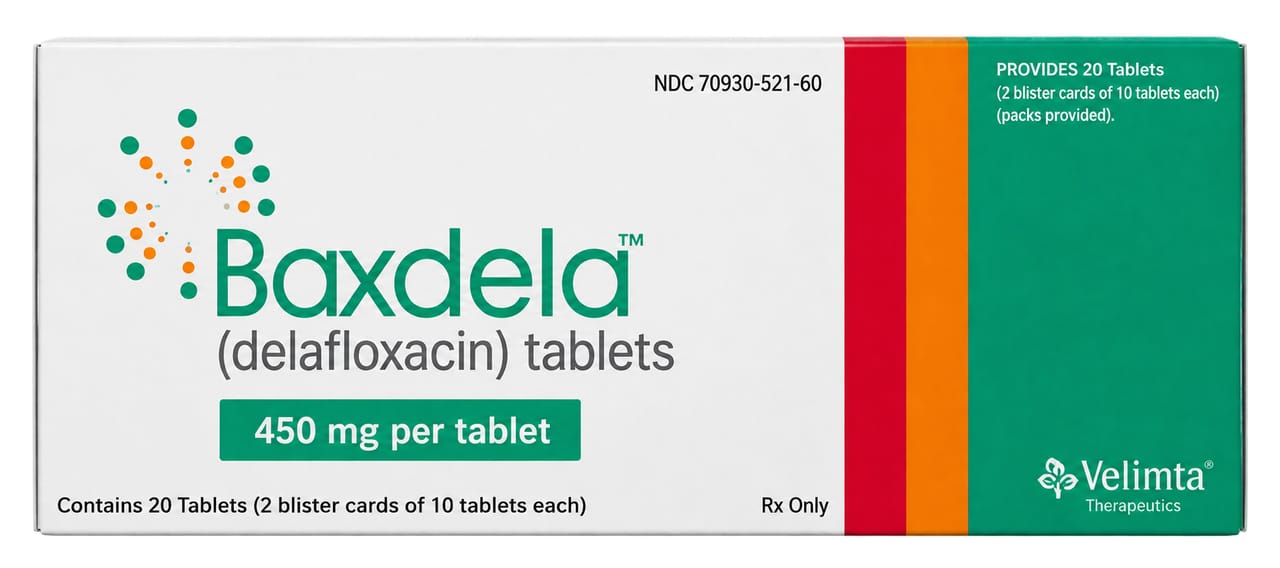
Quick overview
Delafloxacin Tablet (generic name: Delafloxacin) is a prescription antibiotic belonging to the fluoroquinolone class. It is taken by mouth to treat certain bacterial infections, including skin infections and bacterial pneumonia. It works by killing the bacteria that cause these infections.
What is Delafloxacin Tablet
Delafloxacin is a prescription antibiotic that belongs to the fluoroquinolone class. It is used to treat certain bacterial infections and comes as a tablet taken by mouth.
Delafloxacin Tablet uses
- Treats skin infections caused by bacteria
- Treats pneumonia (lung infection) caused by bacteria
- Treats acute bacterial skin and skin structure infections (ABSSSI)
- Treats community-acquired bacterial pneumonia
Benefits of Delafloxacin Tablet
- Treats certain bacterial skin infections
- Helps control infections of the skin and soft tissues
- Stops the growth of susceptible bacteria
- Helps reduce infection symptoms as treatment takes effect
- Provides an antibiotic option for selected bacterial infections when prescribed by a doctor
How Delafloxacin Tablet works
Delafloxacin works by killing the bacteria that cause infections.
Delafloxacin Tablet dosage
Take this medicine by mouth with or without food, twice a day (every 12 hours), at around the same times each day. Take it exactly as directed; do not take more or less, or more often, than prescribed.
You should begin to feel better during the first few days of treatment; call your doctor if symptoms do not improve or get worse. Finish the full prescription even if you feel better; do not stop early unless told to by your doctor or unless you have certain serious side effects.
If you take antacids or multivitamins containing aluminum hydroxide, magnesium hydroxide, iron, or zinc, or certain medicines such as didanosine solution or sucralfate, take them 6 hours before or 2 hours after this medicine.
If you forget a dose, take it as soon as you remember, unless your next dose is due in 8 hours or less, in which case skip the missed dose; do not double up doses.
| Age group | Dose |
|---|---|
| Under 18 years | Not recommended |
| 18–64 years | 450 mg, twice/day |
| 65+ years | 450 mg, twice/day |
Available forms and strengths
- Tablet
- Injection (powder for reconstitution)
Side effects of Delafloxacin Tablet
Common
- Nausea
- Vomiting
- Diarrhea
- Headache
- Transaminase elevations (a type of liver blood test change)
Serious
- Severe diarrhea (watery or bloody stools), which may occur with or without fever and stomach cramps, and may occur up to 2 months or more after treatment
- Rash, itching, hives, shortness of breath, tingling or swelling of the face or throat, or fainting
- Signs of low blood sugar such as extreme thirst or hunger, pale skin, shakiness or trembling, fast or fluttering heartbeat, sweating, frequent urination, blurred vision, or unusual anxiety
- Sudden pain in the chest, stomach, or back
- Tendon problems: pain, swelling, tenderness, stiffness, or difficulty moving a muscle (signs of tendinitis); or hearing/feeling a snap or pop, bruising, or being unable to move or bear weight on an area (signs of tendon rupture)
- Nerve changes: numbness, tingling, pain, burning, or weakness in the arms or legs, or changes in ability to feel light touch, vibration, pain, heat, or cold
- Brain or nervous system effects: seizures, tremors, dizziness, lightheadedness, headaches that won't go away, difficulty sleeping, nightmares, distrust of others, hallucinations or delusions, thoughts of self-harm, restlessness, anxiety, nervousness, depression, confusion, memory problems, or other mood or behavior changes
- Muscle weakness or difficulty breathing, especially in people with myasthenia gravis
Warnings and precautions
- This medicine can increase the risk of tendinitis or tendon rupture during treatment or for up to several months afterward. This can affect tendons in the shoulder, hand, back of the ankle, or other areas.
- It can happen at any age, but the risk is highest in people over 60. Tell your doctor about any tendon or joint problems, past organ transplants, kidney disease, or if you take steroid medicines.
- Stop the medicine and call your doctor right away if you notice pain, swelling, tenderness, stiffness, or trouble moving a muscle. Stop the medicine and get emergency care if you hear or feel a snap or pop in a tendon, notice bruising, or cannot move or bear weight on the area.
- This medicine may cause nerve damage and changes in sensation that can start soon after beginning treatment and may not go away even after stopping. Tell your doctor if you have ever had peripheral neuropathy. Stop the medicine and call your doctor immediately if you notice numbness, tingling, pain, burning, or weakness in the arms or legs, or changes in your ability to feel light touch, vibration, pain, heat, or cold.
- This medicine may cause serious brain or nervous system side effects, which can occur after the very first dose.
- Tell your doctor if you have had seizures, epilepsy, narrowing of blood vessels near the brain, stroke, changes to brain structure, or kidney disease. Stop the medicine and call your doctor immediately if you have seizures, tremors, dizziness, lightheadedness, ongoing headaches, trouble sleeping, nightmares, distrust of others, hallucinations, unusual thoughts, thoughts of self-harm, restlessness, anxiety, depression, confusion, memory problems, or other changes in mood or behavior.
- This medicine may worsen muscle weakness in people with myasthenia gravis and can cause severe breathing difficulty or death. Tell your doctor if you have myasthenia gravis, as they may decide you should not take this medicine. If you do take it, call your doctor immediately if you have muscle weakness or trouble breathing.
- Antibiotics like this one will not work for colds, flu, or other viral infections. Using antibiotics when not needed increases the risk of developing an infection later that resists antibiotic treatment.
- There is limited information about using this medicine during pregnancy, and it is not enough to know whether it increases the risk of birth defects or miscarriage. Tell your doctor if you are pregnant, plan to become pregnant, or become pregnant while taking this medicine.
- It is not known whether this medicine passes into human breast milk, though it has been found in the milk of rats. Talk with your doctor about the benefits of breastfeeding versus your need for this medicine and any possible risks to the baby.
- Tell your doctor if you have kidney disease, as it may affect your risk of certain side effects such as tendon problems or brain/nervous system effects.
- Avoid if allergic to delafloxacin or other fluoroquinolone antibiotics.
- Stop exercise and contact a doctor if tendon pain or swelling occurs.
- Inform your doctor about heart rhythm problems or nerve disorders.
Storage
- Keep this medication in the container it came in, tightly closed, and out of reach of children
- Store it at room temperature and away from excess heat and moisture (not in the bathroom)
- Keep all medication out of sight and reach of children as many containers are not child-resistant; always lock safety caps
- Dispose of unneeded medication in a way so that pets, children, and other people cannot take it; do not flush it down the toilet; use a medicine take-back program and ask your pharmacist about take-back programs in your community
When to see a doctor
- Stop taking this medicine and call your doctor right away or get emergency care if you have severe watery or bloody diarrhea, with or without fever and stomach cramps — this can happen up to 2 months or more after finishing treatment
- Get emergency help for signs of a severe allergic reaction: rash, itching, hives, shortness of breath, tingling or swelling of the face or throat, or fainting
- Get medical help right away for signs of dangerously low or high blood sugar, such as extreme thirst or hunger, pale skin, shakiness, fast or fluttering heartbeat, sweating, frequent urination, trembling, blurred vision, or unusual anxiety
- Get emergency help for sudden pain in the chest, stomach, or back
- Stop the medicine and get emergency care for signs of tendon rupture: hearing or feeling a snap or pop in a tendon area, bruising after an injury to a tendon area, or being unable to move or bear weight on an affected area
- Seek emergency care for serious eye symptoms such as sudden vision loss, blurred vision, tunnel vision, eye pain or swelling, or seeing halos around lights
- Seek emergency care for serious heart symptoms such as fast, irregular, or pounding heartbeat, fluttering in the chest, shortness of breath, or sudden dizziness, lightheadedness, or passing out
- Seek emergency care for a severe headache, confusion, slurred speech, arm or leg weakness, trouble walking, loss of coordination, feeling unsteady, very stiff muscles, high fever, heavy sweating, or tremors
Alternatives
- Clindamycin
- Moxifloxacin
- Levofloxacin
Watch the video
FAQs
What is Delafloxacin Tablet used for?
It is used to treat certain bacterial infections, including acute bacterial skin and skin structure infections (ABSSSI) and community-acquired bacterial pneumonia.
How is Delafloxacin Tablet taken?
It is taken by mouth with or without food, twice a day (every 12 hours), at around the same times each day, exactly as prescribed, and the full course should be finished even if you feel better.
What is the dosage of Delafloxacin Tablet for adults?
Adults aged 18–64 and those 65 and older typically take 450 mg twice a day. It is not recommended for those under 18 years.
What are the serious side effects of Delafloxacin Tablet?
Serious effects include tendon problems like tendinitis or tendon rupture, nerve changes such as numbness or tingling, brain or nervous system effects like seizures or confusion, severe diarrhea, allergic reactions, and worsened muscle weakness in people with myasthenia gravis.
Can Delafloxacin Tablet be taken with antacids?
No, antacids or supplements containing aluminum hydroxide, magnesium hydroxide, iron, or zinc, as well as didanosine solution or sucralfate, should be taken 6 hours before or 2 hours after this medicine.
General information, not medical advice
Your prescriber and the leaflet in your pack know your situation. This page does not.
- Follow your prescriber and the leaflet
- Don't start, stop, or change a dose on your own
- Doses and warnings differ by country and product
Sources
Video
Related medicines

Zanocin Tablet: Uses, Dosage, Side Effects, Precautions and Alternates
Fluoroquinolone
Zanocin Tablet contains ofloxacin, used to treat urinary, lung, skin, bone and genital infections. Know its uses, dosage, side effects and precautions.
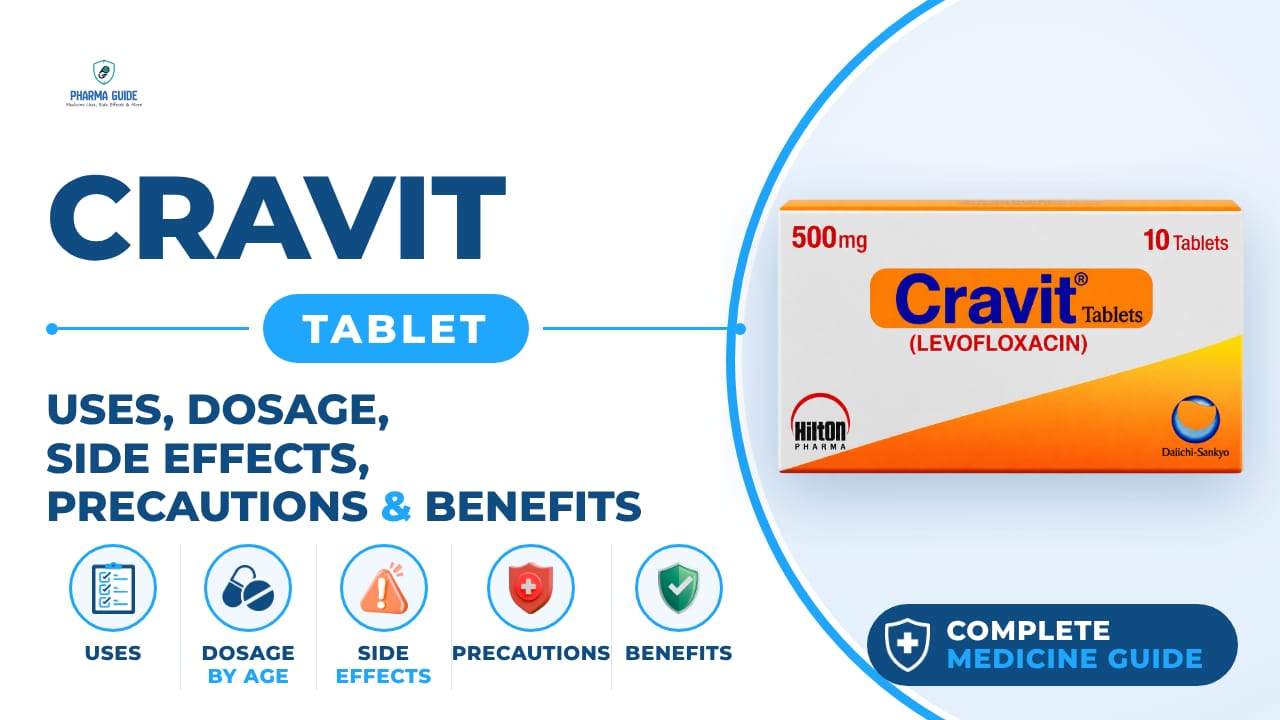
Cravit Tablet: Uses, Dosage, Side Effects, Precautions and Alternates
Fluoroquinolone
Cravit Tablet (Levofloxacin) treats bacterial infections like pneumonia, UTIs, and sinusitis. Learn uses, dosage, side effects, and safety warnings.