
Safety
General information, not medical advice
Your prescriber and the leaflet in your pack know your situation. This page does not.
- Follow your prescriber and the leaflet
- Don't start, stop, or change a dose on your own
- Doses and warnings differ by country and product
Dexlansoprazole Capsule: Uses, Dosage, Side Effects, Precautions and Alternates
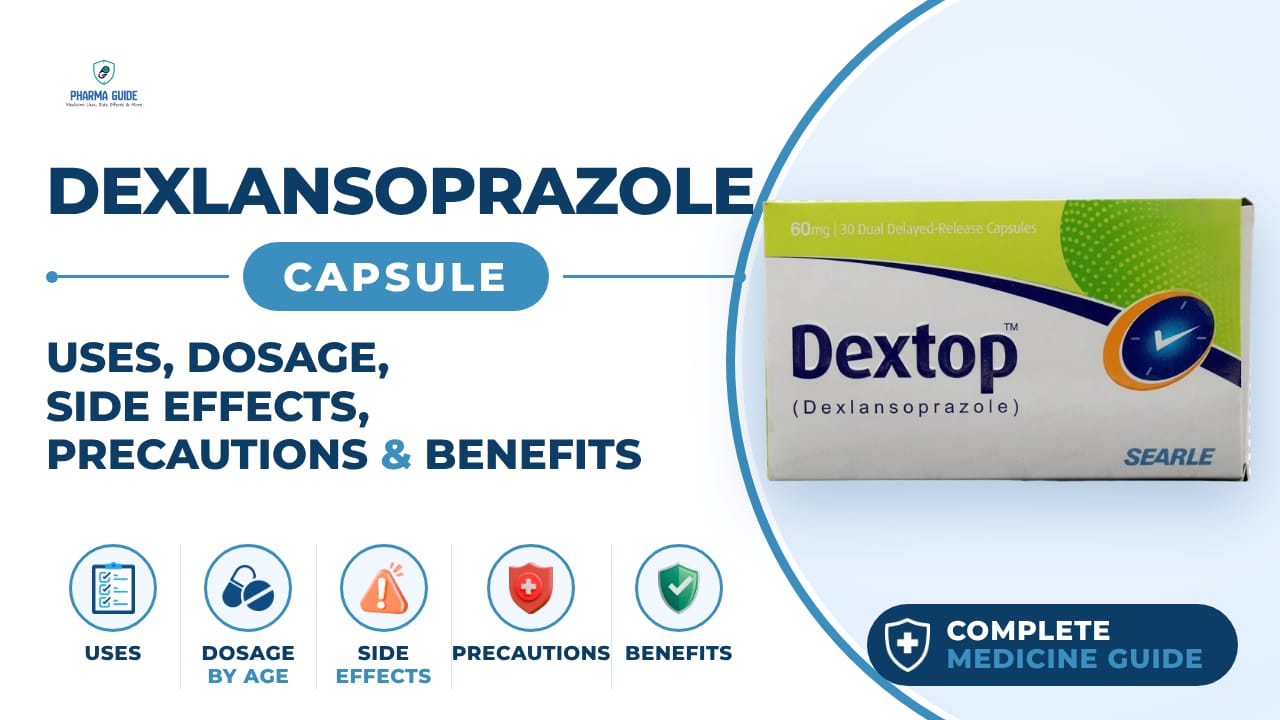
| Generic name | Dexlansoprazole |
|---|---|
| Drug class | Proton pump inhibitor (PPI) |
| Forms | Capsule |
Quick overview
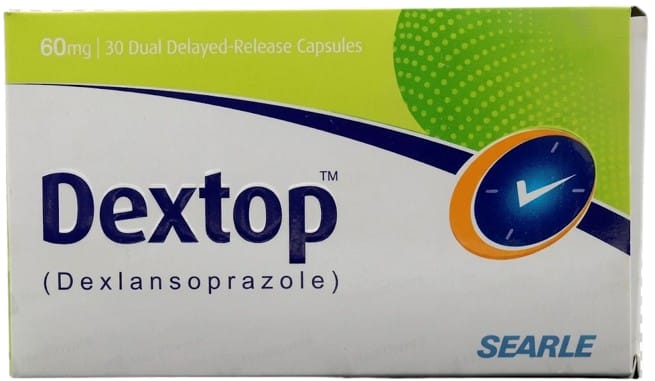
Dexlansoprazole Capsule is a prescription proton pump inhibitor (PPI) that reduces the amount of acid the stomach makes. It is used to treat heartburn and damage to the esophagus caused by stomach acid, including erosive esophagitis and non-erosive GERD. It works by blocking the stomach's acid-producing pump and may take a few days to fully relieve symptoms.
What is Dexlansoprazole Capsule
Dexlansoprazole is a prescription medicine that reduces the amount of acid your stomach makes. It is used to treat heartburn and damage to the esophagus caused by stomach acid.
Dexlansoprazole Capsule uses
- Healing of all grades of erosive esophagitis (EE) in adults for up to 8 weeks
- Maintaining healing of erosive esophagitis and relief of heartburn for up to 6 months in adults
- Treating heartburn associated with symptomatic non-erosive gastroesophageal reflux disease (GERD) for 4 weeks
Benefits of Dexlansoprazole Capsule
- Reduces stomach acid
- Helps relieve heartburn
- Treats GERD symptoms
- Helps heal erosive esophagitis
- Helps maintain healing of the esophagus
- Can provide extended acid suppression because of its dual delayed-release formulation
How Dexlansoprazole Capsule works
Dexlansoprazole blocks a pump in the stomach lining (the proton pump) that produces acid, which lowers the amount of acid in the stomach.
Dexlansoprazole Capsule dosage
Capsules can be taken with or without food. Swallow the capsule whole; do not chew it. If you have trouble swallowing the capsule, it can be opened and the granules sprinkled on a tablespoon of applesauce, then swallowed right away without chewing the granules. The capsule can also be given with water using an oral syringe or through a nasogastric tube, following specific preparation steps.
If a dose is missed, take it as soon as you remember, but if it is almost time for the next dose, skip the missed dose and do not take two doses at one time. It may take a few days for the medicine to fully relieve symptoms, so it is not meant for immediate heartburn relief.
| Age group | Dose |
|---|---|
| Under 18 years | Not recommended |
| 18–64 years | 30 mg, once/day |
| 65+ years | 30 mg, once/day |
Available forms and strengths
- Capsule
Side effects of Dexlansoprazole Capsule
Common
- Diarrhea
- Abdominal pain
- Nausea
- Upper respiratory tract infection (common cold)
- Vomiting
- Flatulence (gas)
- Headache
- Sore throat (in children 12-17 years)
- Constipation
Serious
- Severe or watery diarrhea that does not go away, possibly caused by a gut infection called C. difficile
- Kidney problems, including a condition called acute interstitial nephritis, with signs like decreased urination or blood in urine
- Low vitamin B-12 levels after long-term use (longer than 3 years)
- Low magnesium levels in the blood, which can cause seizures, abnormal heartbeat, dizziness, tremors, muscle cramps, or spasms
- Increased risk of bone fractures of the hip, wrist, or spine with long-term or high-dose use
- Serious allergic reactions, including swelling of the face or throat, throat tightness, or difficulty breathing
- Severe skin reactions, including rash with blistering, peeling skin, or sores in the mouth, nose, eyes, or genitals
- A serious allergic reaction called DRESS, which can affect the liver, kidneys, and heart
- A type of lupus or worsening of existing lupus, with joint pain or rash on the cheeks or arms
Warnings and precautions
- Feeling better on this medicine does not rule out a more serious stomach condition, including stomach cancer. Talk to your doctor if your symptoms continue.
- This medicine may increase the risk of a serious bowel infection called Clostridium difficile, which causes diarrhea, especially in people in the hospital.
- Taking this medicine every day for a long time (a year or longer), especially at high doses, may raise the risk of broken bones in the hip, wrist, or spine.
- Rarely, this medicine can cause low magnesium levels in the blood, which can be serious and cause seizures or irregular heartbeat.
- This medicine must not be taken together with the HIV medicine rilpivirine, as it can stop that medicine from working.
- Taking this medicine with high-dose methotrexate may raise methotrexate levels in the blood to unsafe levels.
- This medicine can cause severe skin reactions that can be life-threatening, including Stevens-Johnson syndrome and toxic epidermal necrolysis.
- Long-term use of this medicine may lead to low vitamin B-12 levels in the body.
- There is no information showing that this medicine is safe for pregnant women or unborn babies. It should only be used in pregnancy if your doctor decides the benefits outweigh the risks.
- It is not known whether this medicine passes into human breast milk or if it could affect a nursing baby. Your doctor should decide if you should take it while breastfeeding.
- No dosage adjustment is needed for people with kidney problems, since this medicine is processed mainly by the liver rather than removed by the kidneys.
- People with moderate liver problems should use a lower dose. This medicine is not recommended for people with severe liver problems.
- Avoid drinking alcohol when taking the orally disintegrating tablet form, since alcohol may change how the medicine is released and make it less effective.
Storage
- Store at room temperature.
- Keep away from heat, moisture, and direct sunlight.
- Keep the capsules in their original container.
- Keep out of reach of children.
When to see a doctor
- Call your doctor right away if you have watery stool, stomach pain, and a fever that does not go away.
- Talk to your doctor if you develop seizures, dizziness, an abnormal or fast heartbeat, jitteriness, shaking, muscle weakness, spasms of the hands and feet, cramps, muscle aches, or spasms of the voice box.
- Tell your doctor if you get a rash, face swelling, throat tightness, or difficulty breathing, as these can be signs of a serious allergic reaction.
- Get emergency help right away if you notice painful, burned-looking, or peeling skin, blisters on your skin, mouth, nose, or genitals, red painful watery eyes, or flu-like symptoms with fever and muscle aches.
- If you think you have taken too much of this medicine, contact a healthcare professional, hospital emergency department, or your regional poison control center right away, even if you have no symptoms.
Alternatives
- Omeprazole
- Esomeprazole
- Pantoprazole
Watch the video
FAQs
What is Dexlansoprazole Capsule used for?
It is used to heal erosive esophagitis, maintain healing of erosive esophagitis with relief of heartburn, and treat heartburn associated with non-erosive GERD.
How does Dexlansoprazole Capsule work?
It blocks the proton pump in the stomach lining that produces acid, lowering the amount of acid in the stomach.
What is the dosage of Dexlansoprazole Capsule?
For adults aged 18 to 64 and those 65 and older, the dose is 30 mg once a day. It is not recommended for those under 18.
Can I take Dexlansoprazole Capsule with food?
Yes, the capsule can be taken with or without food, and should be swallowed whole without chewing.
What are the serious side effects of Dexlansoprazole Capsule?
Serious side effects include severe diarrhea possibly from C. difficile infection, kidney problems, low vitamin B-12 and magnesium levels, increased bone fracture risk, serious allergic reactions, and severe skin reactions.
General information, not medical advice
Your prescriber and the leaflet in your pack know your situation. This page does not.
- Follow your prescriber and the leaflet
- Don't start, stop, or change a dose on your own
- Doses and warnings differ by country and product
Sources
Video
Related medicines
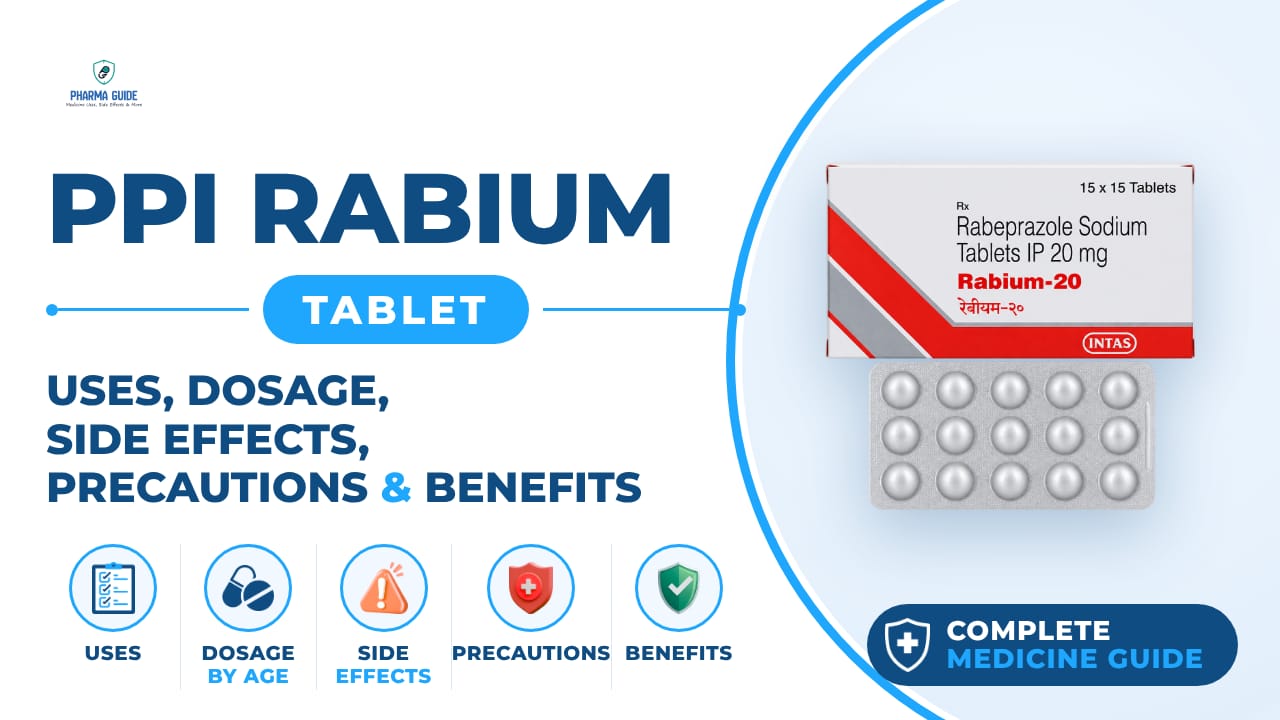
Ppi Rabium Tablet: Uses, Dosage, Side Effects, Precautions and Alternates
Proton pump inhibitor (PPI)
Ppi Rabium Tablet (rabeprazole) reduces stomach acid to treat GERD, ulcers, H. pylori infections, and heartburn. Learn uses, dosage, and side effects.
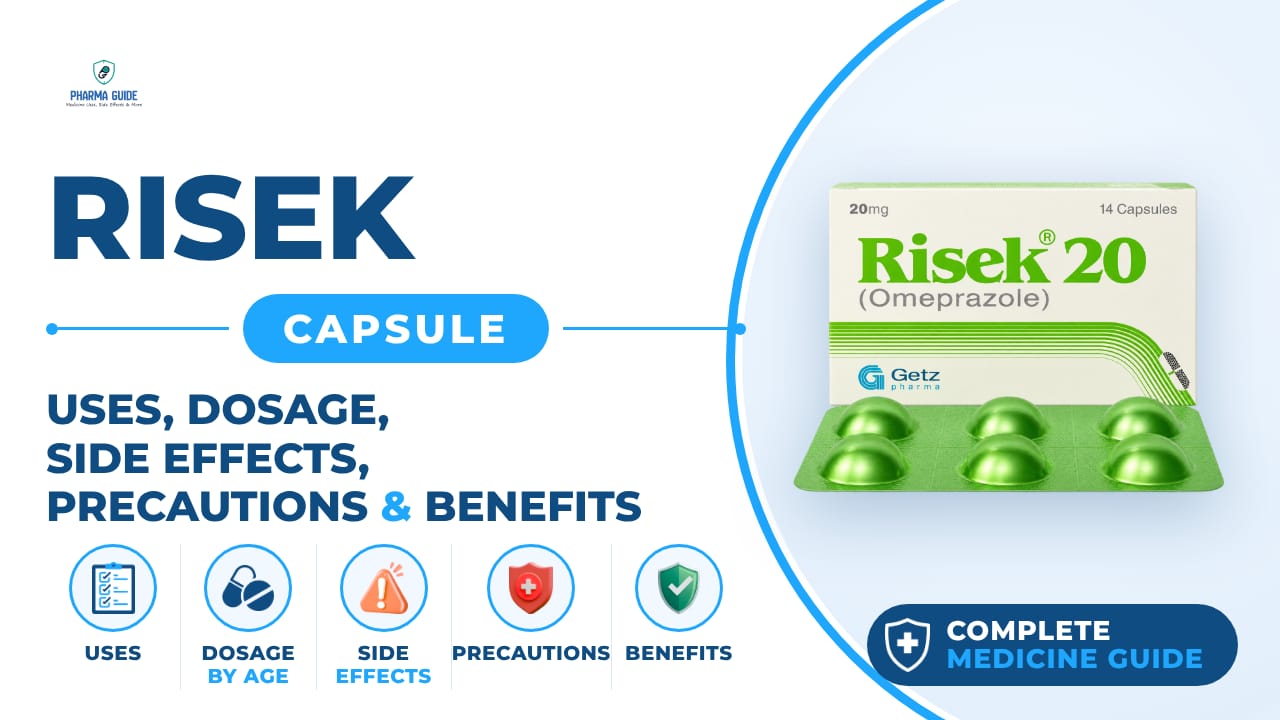
Risek Capsule: Uses, Dosage, Side Effects, Precautions and Alternates
Proton Pump Inhibitor (PPI)
Risek Capsule contains omeprazole and treats GERD, ulcers, H. pylori infection, and acid reflux by reducing stomach acid. Learn uses, dosage, and side effects.