
Safety
General information, not medical advice
Your prescriber and the leaflet in your pack know your situation. This page does not.
- Follow your prescriber and the leaflet
- Don't start, stop, or change a dose on your own
- Doses and warnings differ by country and product
Diflucan Capsule: Uses, Dosage, Side Effects, Precautions and Alternates

| Generic name | fluconazole |
|---|---|
| Drug class | Azole antifungal |
| Forms | Capsules, Oral suspension (liquid), Injectable liquid |

Quick overview
Diflucan Capsule (fluconazole) is an azole antifungal medicine taken by mouth to treat infections caused by fungus and yeast. It is available as capsules for adults and as an oral suspension for children, and it works by stopping the growth of the fungus causing the infection. It is also used to prevent fungal infections in people with weakened immune systems and to treat certain types of meningitis in people with HIV or AIDS.
What is Diflucan Capsule
Diflucan is an oral antifungal medicine used by mouth. It is available as capsules for adults and an oral suspension for children.
Diflucan Capsule uses
- Treating infections caused by fungus, which can affect the mouth, throat, esophagus, lungs, bladder, genital area, and blood
- Preventing fungal infection in people with a weak immune system caused by cancer treatment, bone marrow transplant, or diseases such as AIDS
- Treating a certain type of meningitis in people with HIV or AIDS
- Treating certain fungal and yeast infections, such as candidiasis (including vaginal yeast infections or oral thrush) or cryptococcal meningitis
Benefits of Diflucan Capsule
- Clears fungal and yeast infections by stopping the fungus from growing
- Helps prevent fungal infections in people with weakened immune systems
How Diflucan Capsule works
Diflucan works by stopping the growth of the fungus and yeast organisms causing the infection.
Diflucan Capsule dosage
Take exactly as prescribed by your doctor and follow all directions on the prescription label. Diflucan may be taken with or without food, and it is best to take it at about the same time each day. Swallow capsules whole with water.
Continue taking Diflucan for the full length of time prescribed, even if symptoms improve quickly, since stopping early can lead to infection that resists treatment. If a dose is missed, take it as soon as remembered, but skip it if it is almost time for the next dose; do not take two doses at once. Call your doctor if symptoms do not improve or get worse.
| Age group | Dose |
|---|---|
| 1 month–11 years | Usually 3–12 mg/kg/day, depending on infection |
| 12–17 years | 3–12 mg/kg/day or adult dosing when appropriate |
| 18–64 years | Commonly 50–400 mg once daily, depending on infection; some conditions use a single 150 mg dose |
| 65+ years | Adult dosing if kidney function is normal; adjust for renal impairment |
Available forms and strengths
- Capsules
- Oral suspension (liquid)
- Injectable liquid
Side effects of Diflucan Capsule
Common
- Nausea, vomiting, or diarrhea
- Stomach pain or upset stomach
- Headache
- Dizziness
- Change in the way food tastes
- Rash
- Acne
- Blurred or abnormal vision
- Hot flushes
- Constipation
- Low blood potassium which can cause fatigue, muscle cramps and abnormal heart rhythms
- Changes in liver function
Serious
- Signs of an allergic reaction such as hives, difficult breathing, or swelling of the face or throat
- Severe skin reactions with fever, sore throat, burning eyes, skin pain, or a red or purple skin rash with blistering and peeling
- Fast or pounding heartbeats, fluttering in the chest, shortness of breath, and sudden dizziness
- Seizures or fits
- Signs of decreased adrenal gland hormones such as nausea, vomiting, stomach pain, loss of appetite, feeling tired or light-headed, muscle or joint pain, skin discoloration, or craving salty foods
- Liver problems such as loss of appetite, upper right stomach pain, tiredness, itching, dark urine, clay-colored stools, or yellowing of the skin or eyes (jaundice)
- Sudden or severe itching, skin rash, or hives
- Bleeding or bruising more easily than normal
- Reddish or purplish blotches under the skin
- Flaking of the skin
- Dark urine and light-colored bowel movements
- Signs of frequent or worrying infections such as fever, severe chills, sore throat, or mouth ulcers
- Fainting
- Fast or irregular heartbeat
- Increased sweating
Warnings and precautions
- Fluconazole may harm an unborn baby. Use should generally be avoided during pregnancy unless your doctor advises it for a severe or life-threatening infection. Effective contraception should be used during treatment and for about one week after the last dose.
- Diflucan is not recommended while breastfeeding, but your doctor can discuss the risks and benefits with you.
- Tell your doctor if you have kidney disease or kidney problems before taking this medicine.
- Tell your doctor if you have liver disease. Your doctor may need to monitor your liver function with blood tests, and in rare cases Diflucan may need to be stopped if it affects the liver.
- It is not known if drinking alcohol affects fluconazole.
- Be careful when driving or operating machinery, as dizziness or seizures may occur, and your reactions could be impaired.
- Certain other drugs can cause unwanted or dangerous effects when used with Diflucan, especially cisapride, erythromycin, pimozide, quinidine, astemizole, and higher doses of terfenadine.
- You must not take Diflucan if you are also taking terfenadine, astemizole, cisapride, erythromycin, pimozide, or quinidine.
- Fluconazole can cause a serious heart rhythm problem, especially in people also taking certain other medicines for infections, asthma, heart problems, high blood pressure, depression, mental illness, cancer, malaria, or HIV.
- Fluconazole may cause a rare but dangerous heart rhythm problem, and risk may be higher in older people, those with a family history of such problems, low potassium or magnesium levels, or people taking certain other heart rhythm medicines.
- Not taking this medicine for the full prescribed length of time may increase your risk of an infection that resists antifungal medication. Fluconazole will not treat viral infections like the common cold or flu.
Storage
- Keep your medicine in its original pack until it is time to take it
- Store it in a cool dry place away from moisture, heat or sunlight; for example, do not store it in the bathroom or near a sink, or in the car or on window sills
- Store Diflucan below 30°C
- Do not use this medicine after the expiry date
- Keep it where young children cannot reach it
- If you no longer need to use this medicine or it is out of date, take it to any pharmacy for safe disposal
When to see a doctor
- Get emergency medical help if you have signs of an allergic reaction such as hives, difficulty breathing, or swelling of your face or throat, or a severe skin reaction with fever, sore throat, burning eyes, or a red or purple skin rash with blistering and peeling.
- Call your doctor right away if you have fast or pounding heartbeats, fluttering in your chest, shortness of breath, sudden dizziness, seizures, signs of decreased adrenal gland hormones, skin rash or lesions, or signs of liver problems.
- Call your child's doctor immediately, or go to the Emergency Department, if you notice serious side effects like swelling of the face, lips or tongue, difficulty swallowing or breathing, wheezing, jaundice, sudden or severe itching, skin rash or hives, unusual bleeding or bruising, or skin flaking.
- If you develop a rash while taking fluconazole, stop the medicine and call your healthcare provider right away.
- If you have HIV or a weakened immune system and develop a rash while taking Diflucan, tell your doctor immediately, as the medicine may need to be stopped if the rash worsens.
- If you think you have taken too much Diflucan, seek urgent medical attention even if you feel fine, by contacting your doctor, poison control, or going to the emergency department.
Alternatives
- Itraconazole
- Voriconazole
- Posaconazole
- Isavuconazole
- Terbinafine
- Nystatin
Watch the video
FAQs
What is Diflucan Capsule used for?
Diflucan is used to treat infections caused by fungus and yeast, including those affecting the mouth, throat, esophagus, lungs, bladder, genital area, and blood. It also treats candidiasis, cryptococcal meningitis, and certain meningitis in people with HIV or AIDS, and it helps prevent fungal infections in people with weakened immune systems.
How does Diflucan Capsule work?
Diflucan works by stopping the growth of the fungus and yeast organisms causing the infection.
How should Diflucan Capsule be taken?
Take it exactly as prescribed, with or without food, at about the same time each day, swallowing capsules whole with water. Continue for the full prescribed length of time even if symptoms improve, since stopping early can lead to infection that resists treatment.
What are the common side effects of Diflucan Capsule?
Common side effects include nausea, vomiting, diarrhea, stomach pain, headache, dizziness, changes in taste, rash, acne, blurred vision, hot flushes, constipation, low blood potassium, and changes in liver function.
Is Diflucan Capsule safe during pregnancy?
Fluconazole may harm an unborn baby, so it should generally be avoided during pregnancy unless a doctor advises it for a severe or life-threatening infection. Effective contraception should be used during treatment and for about one week after the last dose.
General information, not medical advice
Your prescriber and the leaflet in your pack know your situation. This page does not.
- Follow your prescriber and the leaflet
- Don't start, stop, or change a dose on your own
- Doses and warnings differ by country and product
Sources
- https://www.drugs.com/diflucan.html
- file:///C:/Users/usama/Downloads/cmi-diflucan-powder-for-oral-suspension.pdf
- https://www.webmd.com/drugs/fluconazole-diflucan#precautions
Video
Related medicines
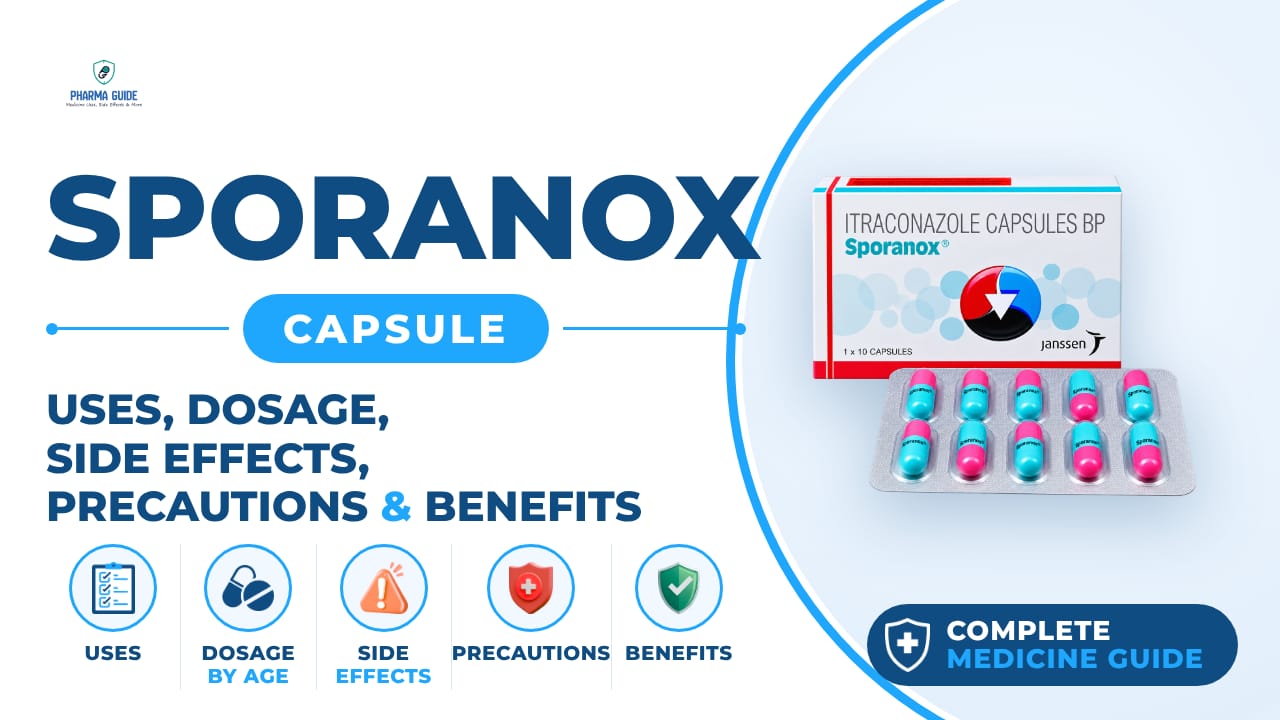
Sporanox Capsule: Uses, Dosage, Side Effects, Precautions and Alternates
Azole antifungal
Sporanox Capsule (itraconazole) treats fungal infections of the lungs, mouth, throat, and nails. Learn dosage, side effects, warnings, and precautions.

Injectafer Injection: Uses, Dosage, Side Effects, Precautions and Alternates
Iron products
Injectafer (ferric carboxymaltose) treats iron deficiency anemia and heart failure-related iron deficiency via IV. Learn uses, dosage, side effects, and