
Safety
General information, not medical advice
Your prescriber and the leaflet in your pack know your situation. This page does not.
- Follow your prescriber and the leaflet
- Don't start, stop, or change a dose on your own
- Doses and warnings differ by country and product
Diprobase Ointment: Uses, Dosage, Side Effects, Precautions and Alternates
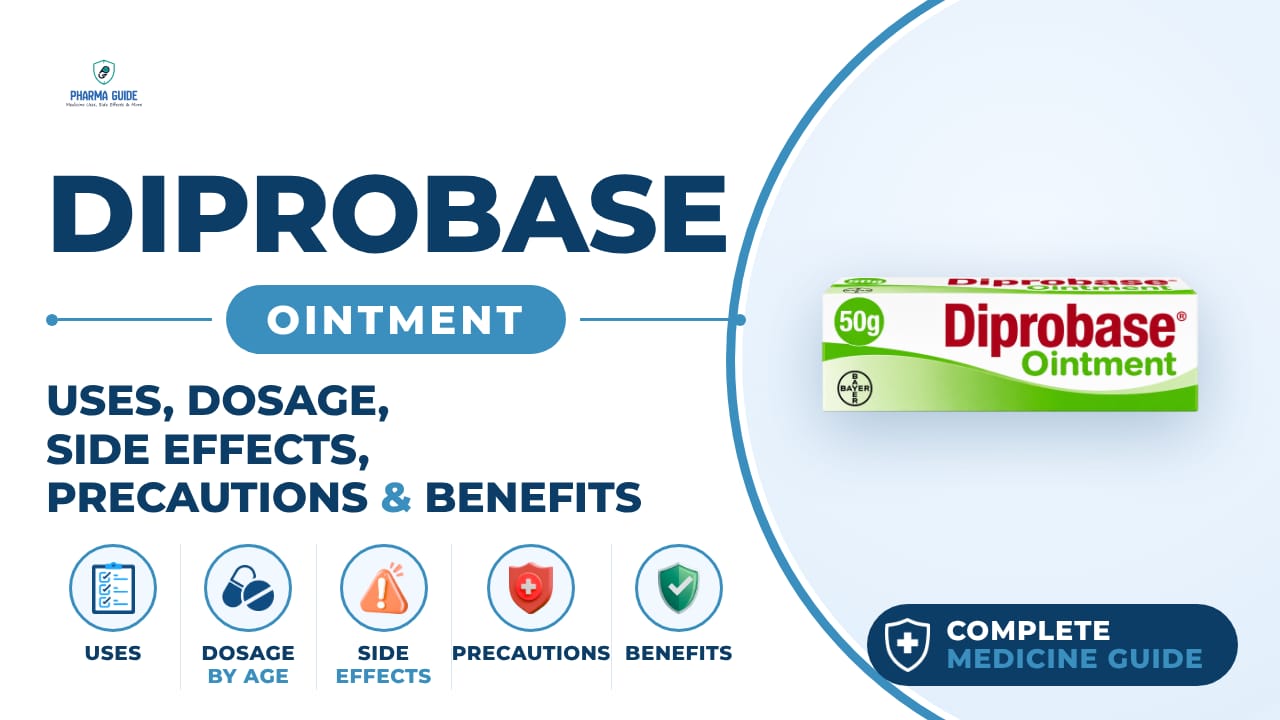
| Drug class | Emollient |
|---|---|
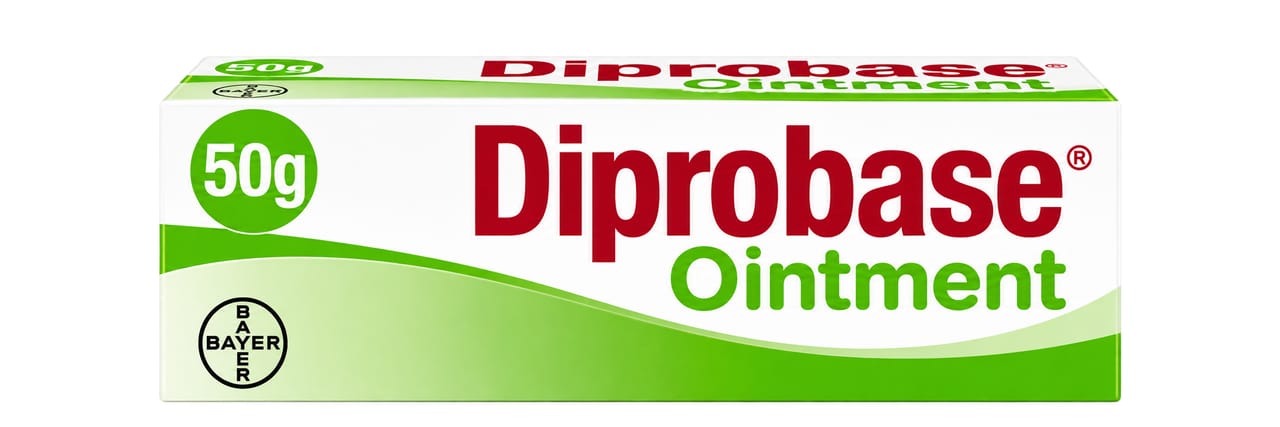
| Forms | Ointment, Cream (tubes of 15g or 50g and a pump dispenser of 500g) |
Quick overview
Diprobase Ointment is an emollient (moisturising and protective) product, not a steroid. It is used to soothe, smooth and hydrate dry, chapped or irritated skin, including skin affected by eczema, atopic dermatitis and psoriasis. It works by adding to the skin's natural oily layer to reduce moisture loss. It can be applied as often as needed to keep the skin comfortable and moisturised.
What is Diprobase Ointment
Diprobase is an emollient (moisturising and protective) ointment. It is not a steroid. It helps soothe, smooth and hydrate the skin, and helps stop the skin from losing moisture.
Diprobase Ointment uses
- Treating red, inflamed, damaged, dry or chapped skin
- Protecting raw areas of skin
- Eczema and atopic dermatitis
- Dryness associated with psoriasis
- General dry, chapped or flaky skin
- Applying before a bath to stop skin drying out further
Benefits of Diprobase Ointment
- Moisturising and protective
- Relieves and soothes red, inflamed, damaged, dry or chapped skin
- Forms a protective barrier layer that helps reduce water loss from the skin
- Provides intensive moisturization
- Helps prevent moisture loss
- Suitable for repeated topical application
How Diprobase Ointment works
Dry skin happens when the outer layer of skin loses water and becomes cracked, scaly and itchy. Normally a surface film of natural oil helps slow down this water loss. Diprobase works by adding to that oily layer on the skin, which helps reduce moisture loss and keep the skin hydrated.
Diprobase Ointment dosage
Apply a thin layer and massage gently and thoroughly into the affected skin. For adults and children, apply thinly to cover the affected area completely, and apply as often as needed to keep the skin comfortable and moisturised.
Diprobase can be applied before bathing to help stop skin drying out further, and also after bathing while skin is still slightly damp to help seal in moisture. Smooth the ointment over the skin rather than rubbing it aggressively, especially if skin is sore, cracked or inflamed. Applying in the direction of hair growth may help reduce irritation around hair follicles.
Wash your hands before and after applying, unless the hands are the area being treated. If using a tub, use a clean spoon or spatula instead of fingers to reduce contamination. If you forget to use it at the right time, use it as soon as you remember, then carry on as before.
If using alongside another topical medicine, ask your pharmacist or GP about the right order and timing of application. Take care to avoid direct contact with the eyes and mouth when using on the face. If symptoms persist or the condition gets worse, stop using it and consult your doctor or pharmacist.
| Age group | Dose |
|---|---|
| Children 1–11 years | Apply to affected dry areas as often as needed |
| 12–17 years | Apply a thin layer as required throughout the day |
| 18–64 years | Apply to dry or irritated skin as often as necessary |
Available forms and strengths
- Ointment
- Cream (tubes of 15g or 50g and a pump dispenser of 500g)
Side effects of Diprobase Ointment
Common
- Itching
- Rash
- Redness
- Peeling
- Burning
- Pain
- Dryness
- Skin inflammation (dermatitis)
Serious
- Severe allergic reaction with swelling of the face, lips, tongue, or throat
- Difficulty breathing or swallowing
- Severe or rapidly worsening skin irritation
- Widespread rash or hives
Warnings and precautions
- Do not use if you or your child have ever had an allergic reaction to Diprobase or any of its ingredients. Ask your doctor or pharmacist if you are not sure.
- Diprobase contains chlorocresol and cetostearyl alcohol, which may cause local skin reactions such as contact dermatitis, or allergic reactions.
- Emollients can make surfaces like baths, showers and floors slippery, so take care getting in or out of the bath or shower after use.
- Products containing paraffin can be a fire risk if they soak into clothing, bedding or dressings. Keep away from naked flames and do not smoke while using them.
- This is for external use only, on the skin.
- No specific kidney-related precautions are expected from normal topical use, and no routine liver-specific precautions are expected. There is no known direct interaction with alcohol, and Diprobase does not normally affect driving or alertness.
Storage
- Store below 25°C
- Keep out of the sight and reach of children
- Do not use after the expiry date (EXP) stamped on the pack, which refers to the last day of that month
- Medicines should not be disposed of via wastewater or household waste
- Ask your pharmacist how to dispose of medicines no longer required
When to see a doctor
- If your symptoms persist or your skin condition gets worse, stop using the ointment and see your doctor or pharmacist.
- If you are worried about side effects or notice effects not listed, tell your doctor or pharmacist.
- If your skin becomes increasingly red, painful, swollen, weeps fluid, or shows other signs of infection, get advice from a pharmacist or GP.
Alternatives
- Cetraben ointment
- Doublebase gel
- Epaderm ointment
Watch the video
FAQs
Is Diprobase Ointment a steroid?
No, Diprobase Ointment is an emollient (moisturising and protective) product, not a steroid.
What is Diprobase Ointment used for?
It is used to treat red, inflamed, damaged, dry or chapped skin, protect raw areas of skin, and help with eczema, atopic dermatitis, and dryness associated with psoriasis. It can also be applied before a bath to stop skin drying out further.
How often can I apply Diprobase Ointment?
It can be applied as often as needed, in a thin layer massaged gently into the affected area, to keep the skin comfortable and moisturised.
Can Diprobase Ointment make surfaces slippery?
Yes, emollients like Diprobase can make baths, showers and floors slippery, so care should be taken getting in or out of the bath or shower after use.
What are the common side effects of Diprobase Ointment?
Common side effects include itching, rash, redness, peeling, burning, pain, dryness, and skin inflammation (dermatitis).
General information, not medical advice
Your prescriber and the leaflet in your pack know your situation. This page does not.
- Follow your prescriber and the leaflet
- Don't start, stop, or change a dose on your own
- Doses and warnings differ by country and product
Sources
- https://yourhealth.leicestershospitals.nhs.uk/library/emergency-specialist-medicine/dermatology/2153-treating-and-preventing-hand-eczema-hand-dermatitis/file
- https://mhraproducts4853.blob.core.windows.net/docs/0552f28463285d3f54cc503a156d3a062d9c3d55
- https://pharmazondirect.com/blogs/news/diprobase-ointment-uses-how-to-apply?srsltid=AYCX9vKt8HuEG6vLSRDaug1HiM7WVMSl1fyOSMxoNyqDC2JtMYtMHxVw
Video
Related medicines
Aquadrate Cream: Uses, Dosage, Side Effects, Precautions and Alternates
Emollient
Aquadrate Cream (10% urea) softens dry, rough, scaly skin and nails. Learn its uses, dosage, side effects, warnings, and storage tips before use.
E45 Cream: Uses, Dosage, Side Effects, Precautions and Alternates
Emollient
E45 Cream is a fragrance-free emollient that relieves dry, itchy, flaky skin. Learn about its uses, dosage, side effects, and precautions.