
Safety
General information, not medical advice
Your prescriber and the leaflet in your pack know your situation. This page does not.
- Follow your prescriber and the leaflet
- Don't start, stop, or change a dose on your own
- Doses and warnings differ by country and product
Disprin Tablet: Uses, Dosage, Side Effects, Precautions and Alternates
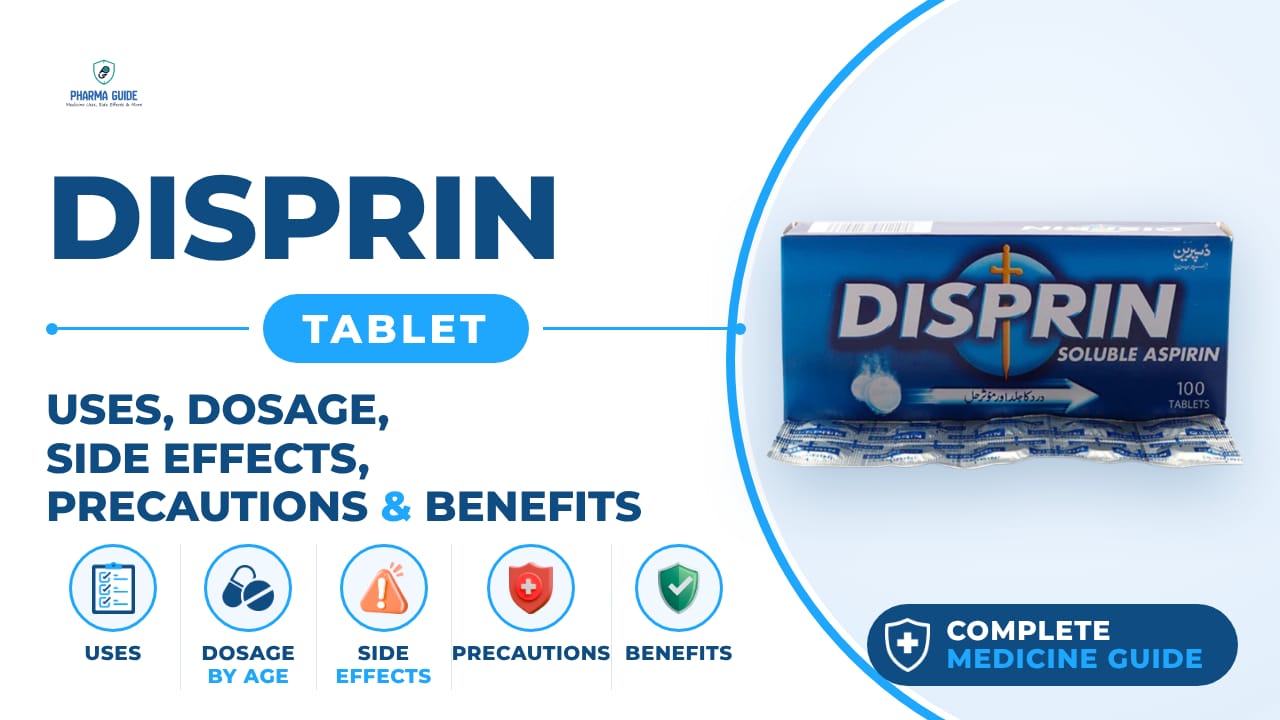
| Generic name | Aspirin (acetylsalicylic acid) |
|---|---|
| Drug class | Non-steroidal anti-inflammatory drug (NSAID) |
| Forms | Orodispersible tablet, Tablet |

Quick overview
Disprin Tablet contains aspirin (acetylsalicylic acid), a non-steroidal anti-inflammatory drug (NSAID). It is used to relieve mild to moderate pain, reduce fever and inflammation, and at lower doses, help prevent blood clots that can lead to heart attack or stroke. It is available as an orodispersible tablet and a regular tablet. Disprin should not be given to children under 16 years due to the risk of Reye's syndrome.
What is Disprin Tablet
Disprin contains aspirin, which belongs to a group of medicines called non-steroidal anti-inflammatory drugs (NSAIDs). It works to relieve pain and inflammation. Higher doses relieve pain, swelling, and fever, while lower doses have anti-platelet properties that help prevent blood clots.
Disprin Tablet uses
- Relieve mild to moderate pain such as headache, toothache and nerve pain
- Reduce temperature and inflammation, such as lower back pain
- Relieve toothache, backache and musculoskeletal pain with or without fever
- Prevention of heart attack and stroke
- Angina (heart-related chest pain)
- Menstrual pain
- Muscle aches
- Inflammatory conditions like arthritis
Benefits of Disprin Tablet
- Relieves mild to moderate pain and inflammation
- Reduces fever
- Prevents blood clot formation, lowering the chance of heart attack and stroke
How Disprin Tablet works
Aspirin works by stopping the production of chemical substances in the body that cause pain, fever, and inflammation. It also prevents the formation of blood clots in your blood vessels, which lowers the chance of heart attack and stroke.
Disprin Tablet dosage
For oral use. Orodispersible tablets disperse on the tongue without water. Some forms should be swallowed whole with a sufficient amount of water; do not break, chew, or crush. Take with food to reduce stomach irritation or discomfort. Take it at the same time each day to help you remember and to keep a constant level of medicine in your body.
Do not take Aspirin for more than 3 days in a row. If symptoms persist, speak to your doctor or pharmacist. Prolonged use except on medical advice can be harmful. Elderly patients should use with care as they are more prone to side effects. Do not give to children under 16 years, unless advised by a doctor.
| Age group | Dose |
|---|---|
| Under 16 years | Avoid because of the risk of Reye's syndrome. |
| 16–17 years | 300–600 mg every 4–6 hours if needed |
| 18–64 years | 300–600 mg every 4–6 hours if needed |
| 65 years and older | 300–600 mg every 4–6 hours if appropriate |
Available forms and strengths
- Orodispersible tablet
- Tablet
Side effects of Disprin Tablet
Common
- Nausea and vomiting
- Upset stomach
- Heartburn
- Indigestion
- Acid or sour stomach
- Abdominal/stomach pain
- Headache
- Drowsiness
- Dizziness
- Skin rash
- Irritability
- Diarrhoea
- Constipation
- Easy bruising and bleeding
- Unexplained tiredness
Serious
- Difficulty breathing or sudden constriction of the airways (asthma-like features, anaphylaxis)
- Heart failure (shortness of breath and/or swelling of the feet or legs)
- Bleeding in or around the brain
- Swelling and/or severe rash
- Signs of gastrointestinal ulcers or bleeding, such as black tarry stools, or vomiting blood or particles that look like coffee grounds
- Toxic epidermal necrolysis or Stevens-Johnson syndrome (severe skin reactions)
- Aseptic meningitis
- Yellow coloured eyes or skin (signs of liver damage)
- Irregular heartbeat
- Hearing loss
- Aplastic anaemia and other blood disorders
- Prolonged bleeding time / impairment of blood clotting
Warnings and precautions
- Do not take Disprin if you are allergic to aspirin or other NSAIDs, have or have ever had a stomach ulcer, perforation or bleeding, have a bleeding disorder, have severe liver or kidney problems, have severe heart failure, are breast-feeding, or are under 16 years of age.
- Aspirin should not be given to children and adolescents under 16 years unless advised by a doctor, because of a possible link with Reye's syndrome, a very rare disease that affects the brain and liver and can be fatal.
- This medicine may be linked to a small increased risk of heart attack or stroke, more likely with high doses and long treatment. Do not exceed the recommended dose or duration.
- This medicine contains sulphur dioxide (E220), which may rarely cause severe hypersensitivity reactions and bronchospasms.
- If you have surgery scheduled, treatment should be stopped several days beforehand due to increased bleeding time.
- Do not take Disprin in the last 3 months of pregnancy at doses higher than the low recommended amount, as it could harm your unborn child or cause problems at delivery. In the first 6 months of pregnancy, do not take it unless absolutely necessary and advised by your doctor. Always talk to your doctor if you are pregnant.
- Do not use Disprin if you are breast-feeding, as this medicine may pass into breast milk and cause harm to your baby.
- Do not use if you have severe kidney problems. If you have kidney problems, seek the advice of a doctor before taking this product, as it may build up in the body and increase the risk of side effects.
- Do not use if you have severe liver problems. If you have liver problems, seek the advice of a doctor before taking this product due to the increased risk of liver toxicity.
- Avoid drinking alcohol while taking Disprin, as it may increase the risk of stomach and intestinal bleeding.
Storage
- Keep out of the sight and reach of children.
- Do not store above 25°C.
- Store in the original package.
- Do not use after the expiry date shown on the blister or carton.
- Keep in a cool, dry place, away from heat and direct sunlight.
- Medicines should not be disposed of via wastewater or household waste. Ask your pharmacist how to dispose of medicines no longer required.
When to see a doctor
- Stop using the product and contact a doctor immediately if you develop difficulty breathing, heart failure symptoms, bleeding in or around the brain, severe swelling or rash, or signs of stomach ulcers or bleeding such as black tarry stools or vomiting blood.
- If you take too much, go to your nearest emergency department or contact your doctor immediately. Take the leaflet and packaging with you. Symptoms include feeling or being sick, restlessness, ringing in the ears, fever, fast breathing, dizziness, abdominal pain, vomiting blood, confusion, fits or coma.
- Stop taking this medicine and contact your doctor if you experience bleeding from the bowel, perforation of the bowel or ulceration.
- You must talk to a doctor if you do not feel better or if you feel worse after 3 days.
Alternatives
- Panadol
- Brufen
- Naprosyn
Watch the video
FAQs
What is Disprin Tablet used for?
Disprin is used to relieve mild to moderate pain such as headache and toothache, reduce fever and inflammation, and at lower doses, help prevent blood clots that can lead to heart attack or stroke.
Can children take Disprin Tablet?
No, Disprin should not be given to children under 16 years because of the risk of Reye's syndrome, unless specifically advised by a doctor.
How should Disprin Tablet be taken?
Disprin is taken orally. Orodispersible tablets disperse on the tongue without water, while other forms should be swallowed whole with water and taken with food to reduce stomach irritation.
How long can I take Disprin Tablet for?
Do not take Disprin for more than 3 days in a row; if symptoms persist or worsen after 3 days, speak to your doctor or pharmacist.
What are the common side effects of Disprin Tablet?
Common side effects include nausea and vomiting, upset stomach, heartburn, indigestion, abdominal pain, headache, drowsiness, dizziness, skin rash, diarrhoea, constipation, and easy bruising and bleeding.
General information, not medical advice
Your prescriber and the leaflet in your pack know your situation. This page does not.
- Follow your prescriber and the leaflet
- Don't start, stop, or change a dose on your own
- Doses and warnings differ by country and product
Sources
Video
Related medicines
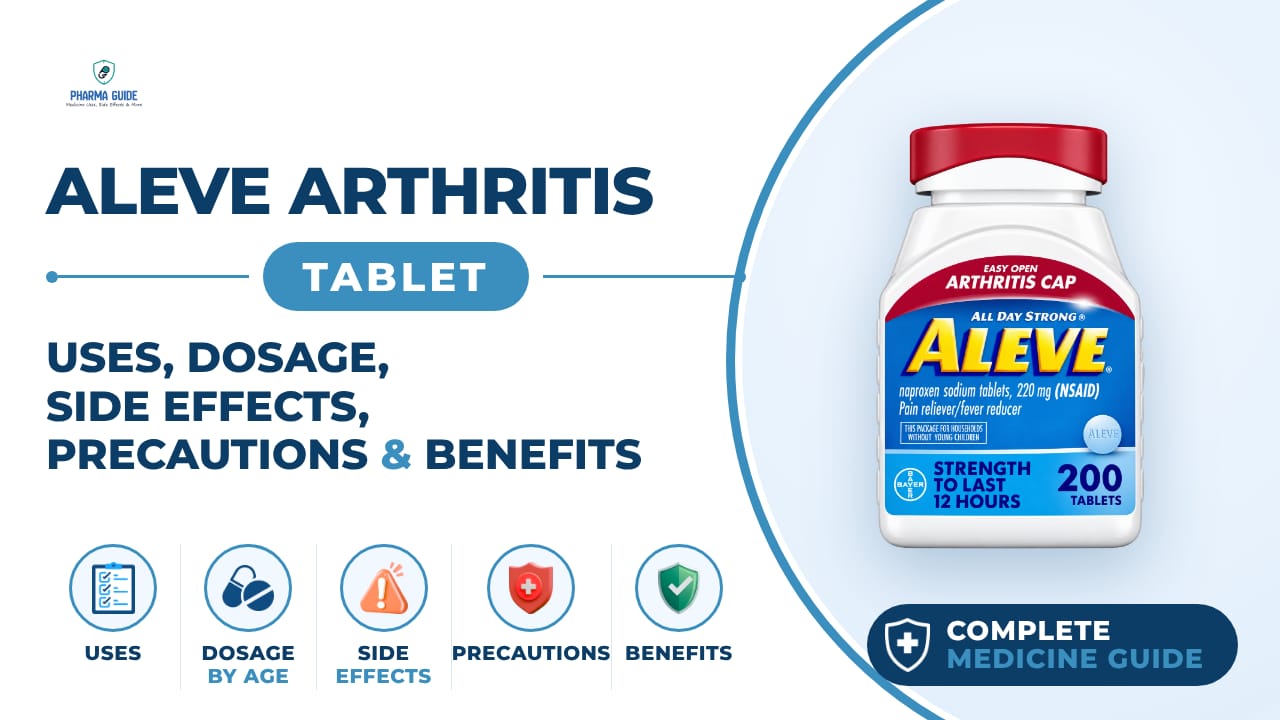
Aleve Arthritis Tablet: Uses, Dosage, Side Effects, Precautions and Alternates
Non-steroidal anti-inflammatory drug (NSAID)
Aleve Arthritis Tablet (naproxen sodium 220 mg) relieves pain, inflammation, and fever. Learn uses, dosage, side effects, warnings, and alternatives.
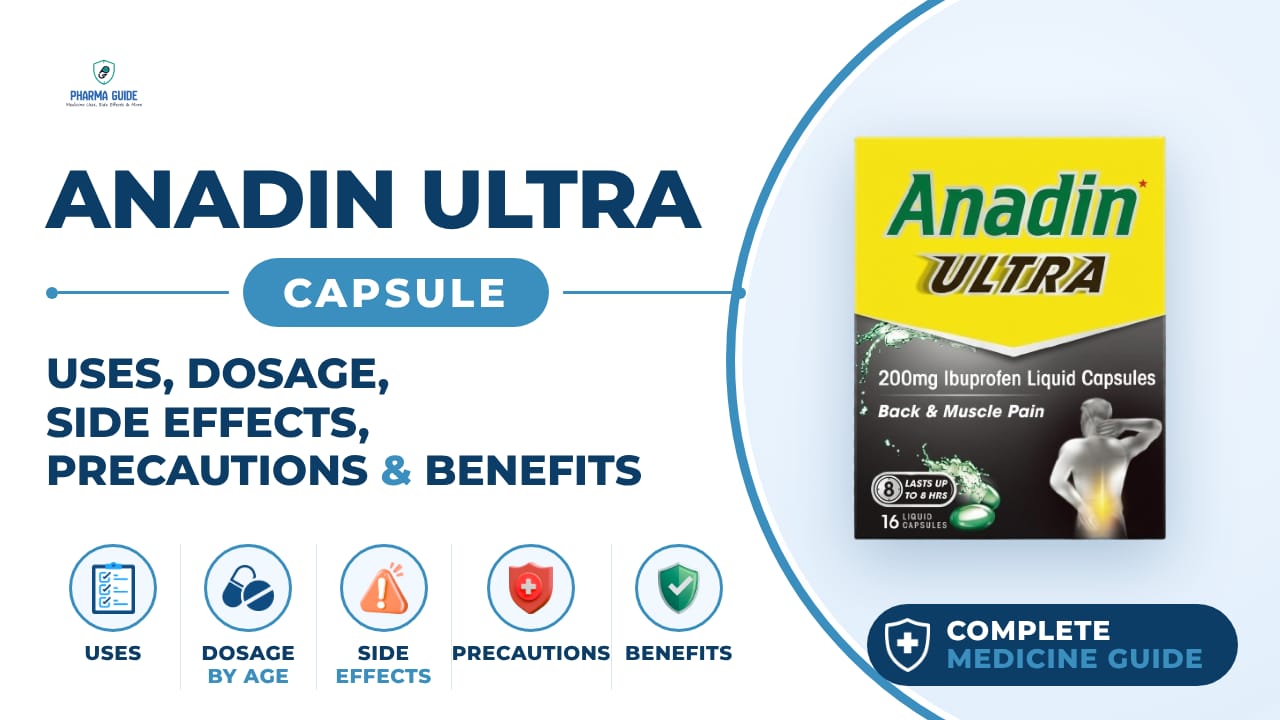
Anadin Ultra Capsule: Uses, Dosage, Side Effects, Precautions and Alternates
Non-steroidal anti-inflammatory drug (NSAID)
Anadin Ultra Capsule contains 200mg ibuprofen in a fast-dissolving liquid gel. Learn its uses, dosage, side effects and precautions before taking it.