
Safety
General information, not medical advice
Your prescriber and the leaflet in your pack know your situation. This page does not.
- Follow your prescriber and the leaflet
- Don't start, stop, or change a dose on your own
- Doses and warnings differ by country and product
Duavive Tablet: Uses, Dosage, Side Effects, Precautions and Alternates
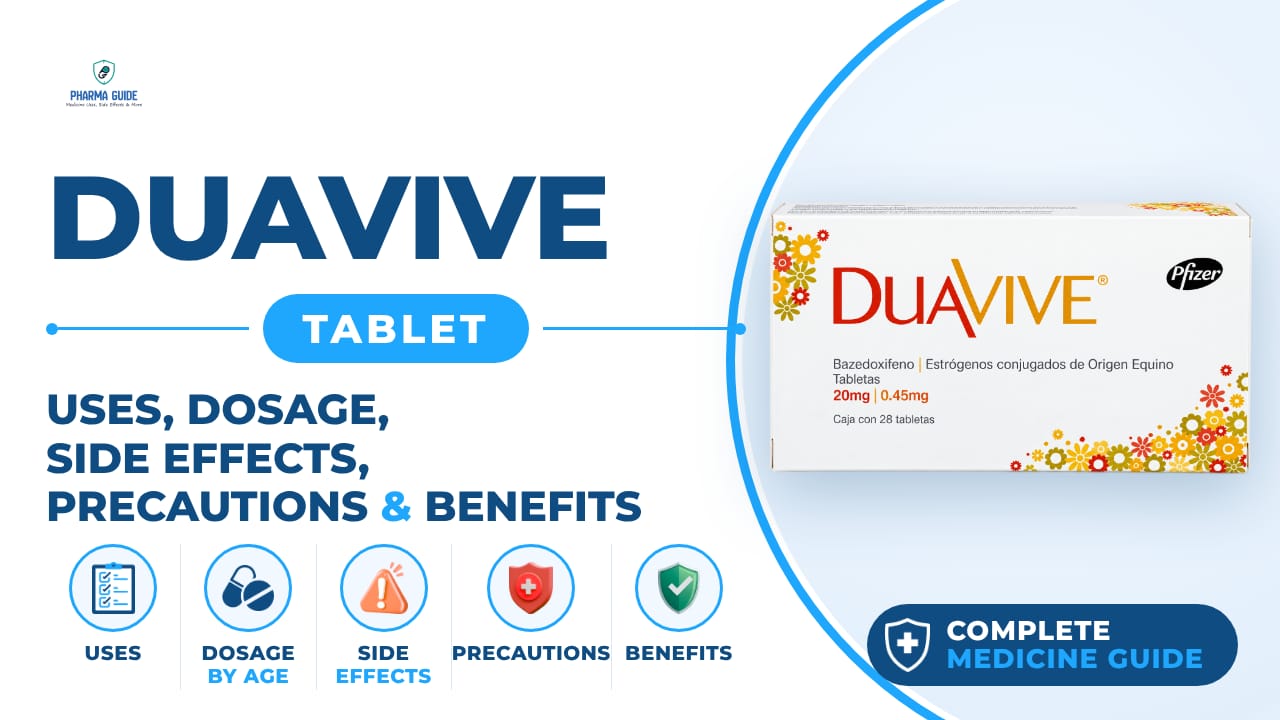
| Generic name | bazedoxifene and conjugated estrogens |
|---|---|
| Drug class | Sex hormone combinations |
| Forms | Modified-release (extended-release) tablet |
Quick overview
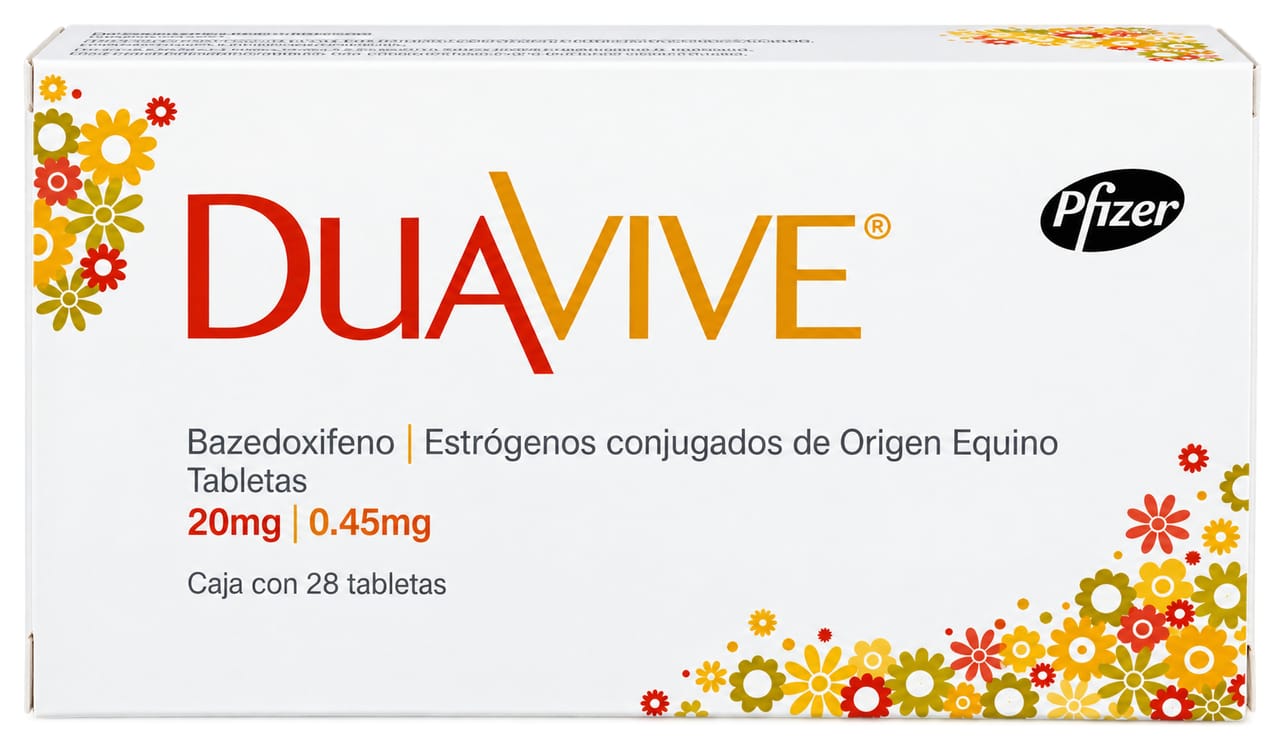
Duavive Tablet contains two active ingredients, conjugated estrogens and bazedoxifene, and belongs to the sex hormone combinations drug class. It is used to treat moderate to severe hot flashes and night sweats after menopause, to help prevent osteoporosis after menopause, and to treat estrogen deficiency symptoms in postmenopausal women with a uterus who cannot use progestin-containing therapy. It is meant for short-term use at the lowest effective dose and should be taken exactly as prescribed.
What is Duavive Tablet
Duavive is a combination medicine with two active ingredients: conjugated estrogens and bazedoxifene. Estrogen is a female hormone made by the ovaries, and levels drop after menopause. Bazedoxifene is a selective estrogen receptor modulator (SERM) that blocks estrogen from acting on certain tissues.
Duavive Tablet uses
- Treating moderate to severe hot flashes and night sweats after menopause
- Preventing osteoporosis (bone thinning) after menopause
- Treatment of oestrogen deficiency symptoms in postmenopausal women with a uterus who cannot use progestin-containing therapy
Benefits of Duavive Tablet
- Helps relieve hot flushes associated with menopause.
- Helps reduce night sweats and other estrogen-deficiency symptoms.
- Replaces some of the estrogen lost after menopause.
- Bazedoxifene helps protect the uterine lining from excessive estrogen stimulation.
- Provides an oral hormone-treatment option for suitable postmenopausal women with a uterus who cannot use progestogen-containing therapy.
How Duavive Tablet works
One part of the medicine (bazedoxifene) blocks estrogen from acting on certain cells in the lining of the uterus, which helps prevent overgrowth of that tissue. The other part (conjugated estrogens) replaces the estrogen hormone that the ovaries make less of after menopause.
Duavive Tablet dosage
Take this medicine exactly as your doctor prescribes, following your prescription label and any instruction sheets. This medicine is meant for short-term use at the lowest dose needed to control your symptoms. You may take it with or without food, at the same time each day. Swallow the tablet whole with some water; do not crush, chew, or break it. It may be taken at any time of day, but try to take it at the same time every day for the best effect.
Do not take any other estrogen or progestin products while using this medicine. See your doctor regularly to check your progress, examine your breasts monthly for lumps, and have regular mammograms. If you need major surgery or will be on long-term bed rest, you may need to stop this medicine for a short time; tell any doctor or surgeon treating you that you take this medicine. Your doctor may also have you take extra calcium or vitamin D; take only the amount prescribed.
If you miss a dose, take it as soon as you remember, but skip it if it is almost time for your next dose. Do not take two doses at once.
| Age group | Dose |
|---|---|
| Under 18 years | Not indicated |
| 18+ years – Premenopausal women | Not indicated |
| Postmenopausal women | 1 tablet (conjugated estrogens 0.45 mg/bazedoxifene 20 mg) once daily |
| 65–74 years | 1 tablet once daily |
| 75+ years | Use is generally not recommended due to limited clinical experience |
Available forms and strengths
Modified-release (extended-release) tablet
Side effects of Duavive Tablet
Common
- Dizziness
- Nausea, stomach pain or discomfort, diarrhea
- Muscle spasm
- Throat pain, neck pain
- Abdominal pain
- Abnormal dreams
- Acne
- Appetite changes
- Breast tenderness
- Changes in hair growth and texture
- Decreased sense of touch
- Drowsiness
- Dry eyes
- Ear discomfort, hearing changes
- Fatigue
- Feeling cold or feeling hot
- Hair loss
- Heartburn
- Increased interest in sexual activity
- Increased sensitivity of skin to sunlight
- Gas
- Menstrual cramps or spotting
- Motion sickness
- Mouth sores
- Muscle pain or spasms
- Nail problems
- Nosebleeds
- Rash
- Vomiting
Serious
- Signs of an allergic reaction: hives, difficulty breathing, swelling of the face, lips, tongue, or throat
- Heart attack symptoms: chest pain or pressure, pain spreading to jaw or shoulder, nausea, sweating
- Signs of a stroke: sudden numbness or weakness (especially on one side), sudden severe headache, slurred speech, problems with vision or balance
- Signs of a blood clot: sudden vision loss, stabbing chest pain, shortness of breath, coughing up blood, pain or warmth in one or both legs
- Sudden vision loss or vision changes, including double vision
- Swelling or rapid weight gain
- Jaundice (yellowing of the skin or eyes)
- Memory problems, confusion, unusual behavior
- Unusual vaginal bleeding or pelvic pain
- A lump in the breast or breast discharge
- Low calcium level: muscle spasms or contractions, numbness or tingling around the mouth, fingers, or toes
- Liver problems: nausea, vomiting, diarrhea, loss of appetite, weight loss, yellowing of skin or eyes, dark urine, pale stools
- Symptoms of a urinary tract infection
- Symptoms of thyroid problems or thyroid cancer, including a lump in the neck or trouble swallowing
- Signs of depression, including thoughts of suicide
- High blood pressure
- Sudden abdominal pain, nausea, or vomiting
Warnings and precautions
- This medicine should not be used to prevent heart disease, stroke, or dementia — it may actually raise your risk of these conditions.
- This medicine can increase the risk of blood clots, stroke, heart attack, and cancer of the breast, uterus, or ovaries. You should not take this medicine if you have undiagnosed vaginal bleeding, liver disease, a bleeding disorder, are about to have major surgery, or have a history of heart attack, stroke, blood clot, or cancer of the breast, uterus/cervix, or vagina.
- Women aged 75 or older should not take this medicine. Do not use other estrogen or progestin products while taking this medicine. If you have migraines with aura, you should not use this medicine. This medicine may need to be stopped about 4 weeks before major surgery because of the risk of blood clots.
- This medicine should not be used during pregnancy because it can harm an unborn baby. It is meant only for women who can no longer become pregnant. If you think you may be pregnant, tell your doctor right away.
- This medicine passes into breast milk and may affect your baby, so it is not recommended while breastfeeding.
- This medicine can affect how your body uses calcium and phosphorus, which may matter if you have kidney disease. Talk to your doctor about how this may affect you and whether you need special monitoring.
- People with active liver disease or liver tumors should not use this medicine. If you have reduced liver function, your doctor may need to monitor you closely. Contact your doctor immediately if you notice signs of liver problems such as yellowing skin or eyes, abdominal pain, dark urine, or nausea.
- Alcohol can affect how this medicine works, so tell your doctor or pharmacist if you drink alcohol.
Storage
- Store at 20–25°C (68–77°F) or as directed on the product label.
- Keep tablets in the original packaging to protect them from moisture.
- Store in a cool, dry place away from excessive heat and direct sunlight.
- Keep the blister sealed until ready to take the tablet.
- Keep out of reach and sight of children and pets.
When to see a doctor
- Get emergency medical help if you notice signs of a severe allergic reaction, such as hives, difficulty breathing, or swelling of the face, lips, tongue, or throat. Call your doctor right away if you have symptoms of a heart attack, such as chest pain or pressure, pain spreading to the jaw or shoulder, nausea, or sweating.
- Call your doctor right away if you have signs of a stroke, such as sudden numbness or weakness, sudden severe headache, slurred speech, or problems with vision or balance. Call your doctor right away if you have signs of a blood clot, such as sudden vision loss, stabbing chest pain, shortness of breath, coughing up blood, or pain or warmth in one or both legs.
- Seek immediate medical attention if you cough up or vomit blood, get a sudden or severe headache, have sudden shortness of breath or sharp chest pain, or notice sudden vision changes. Contact your doctor immediately if you notice unusual vaginal bleeding, a breast lump, or signs of liver problems like yellowing skin or eyes, dark urine, or loss of appetite.
Alternatives
- Femoston
- Estradiol
- Premarin
- Duavee
Watch the video
FAQs
What is Duavive Tablet used for?
Duavive Tablet is used to treat moderate to severe hot flashes and night sweats after menopause, help prevent osteoporosis after menopause, and treat estrogen deficiency symptoms in postmenopausal women with a uterus who cannot use progestin-containing therapy.
How does Duavive Tablet work?
Duavive contains bazedoxifene, which blocks estrogen from acting on certain cells in the uterine lining to help prevent overgrowth of that tissue, and conjugated estrogens, which replace the estrogen hormone the ovaries make less of after menopause.
What is the dosage of Duavive Tablet for postmenopausal women?
Postmenopausal women typically take 1 tablet (conjugated estrogens 0.45 mg/bazedoxifene 20 mg) once daily, with or without food, swallowed whole at the same time each day. It is meant for short-term use at the lowest effective dose.
What are the serious side effects of Duavive Tablet?
Serious side effects include signs of allergic reaction, heart attack or stroke symptoms, blood clots, sudden vision loss, unusual vaginal bleeding, a breast lump, liver problems, and signs of depression including thoughts of suicide.
Who should not take Duavive Tablet?
Duavive should not be used by women with undiagnosed vaginal bleeding, liver disease, a bleeding disorder, those about to have major surgery, or those with a history of heart attack, stroke, blood clot, or breast, uterine, or vaginal cancer. It is also not recommended for women aged 75 or older or those who are pregnant or breastfeeding.
General information, not medical advice
Your prescriber and the leaflet in your pack know your situation. This page does not.
- Follow your prescriber and the leaflet
- Don't start, stop, or change a dose on your own
- Doses and warnings differ by country and product
Sources
Video
Related medicines
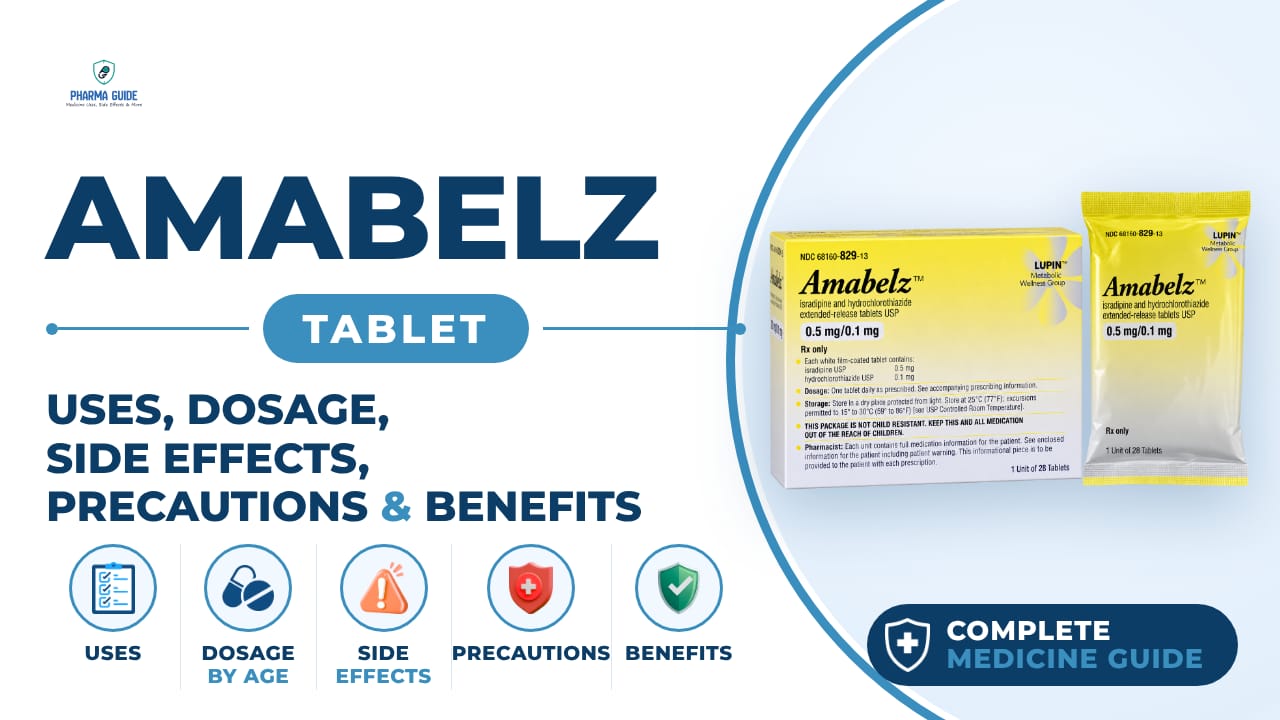
Amabelz Tablet: Uses, Dosage, Side Effects, Precautions and Alternates
sex hormone combinations
Amabelz Tablet combines estradiol and norethindrone acetate to treat menopausal hot flashes, vaginal changes, and help prevent osteoporosis. Learn dosage, side
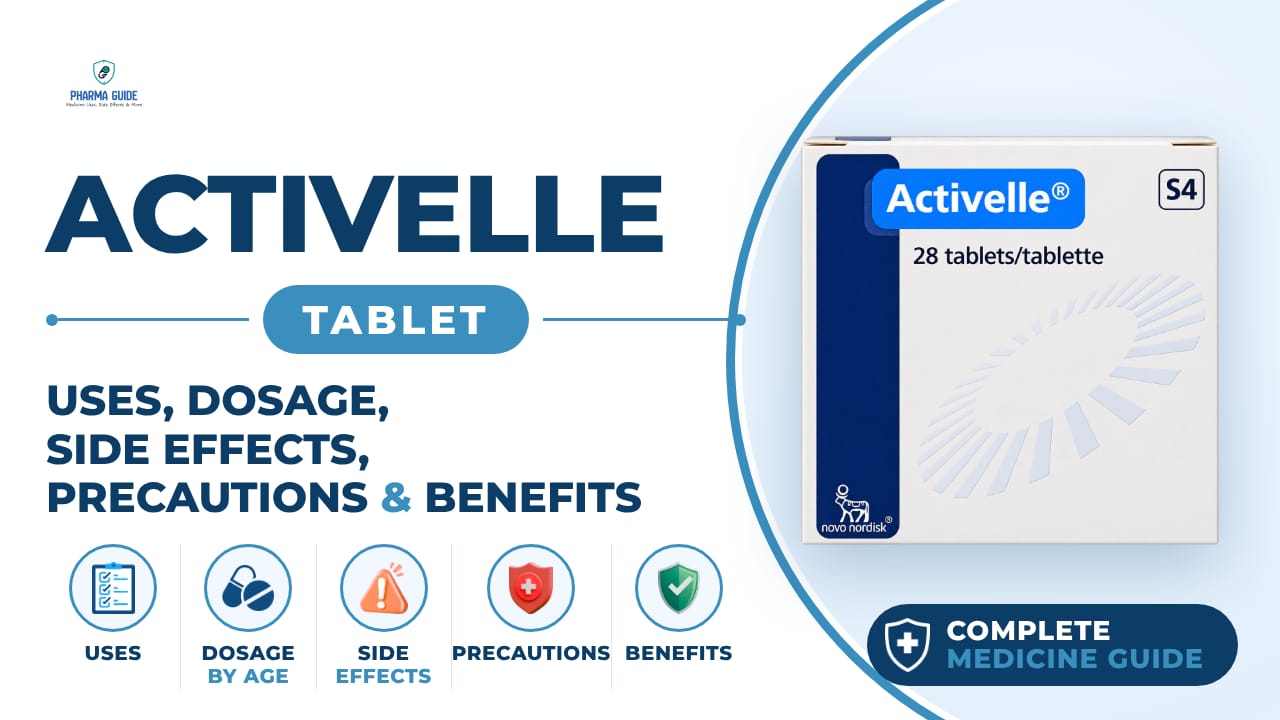
Activelle Tablet: Uses, Dosage, Side Effects, Precautions and Alternates
sex hormone combinations
Activelle Tablet is an HRT with estradiol and norethindrone acetate for postmenopausal women with a uterus, easing hot flashes, vaginal dryness, and bone loss.