
Safety
General information, not medical advice
Your prescriber and the leaflet in your pack know your situation. This page does not.
- Follow your prescriber and the leaflet
- Don't start, stop, or change a dose on your own
- Doses and warnings differ by country and product
Duloxetine Capsule: Uses, Dosage, Side Effects, Precautions and Alternates
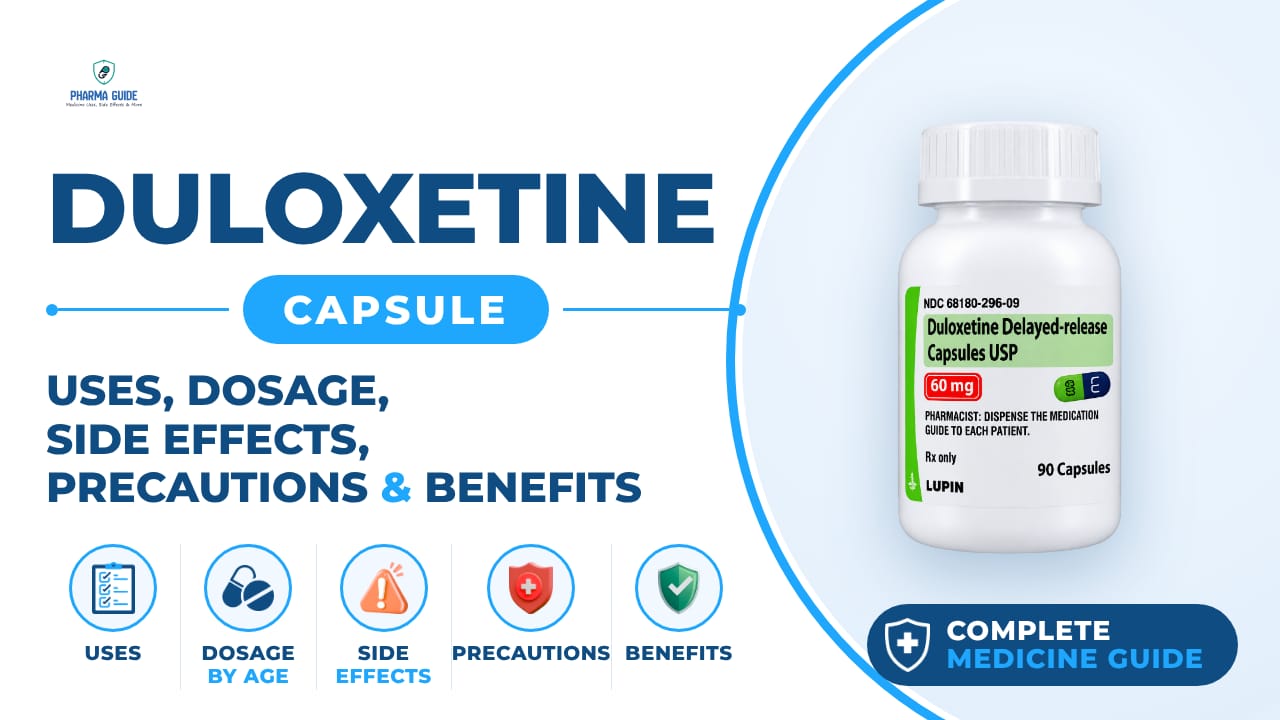
| Generic name | Duloxetine |
|---|---|
| Drug class | Serotonin-norepinephrine reuptake inhibitor (SNRI) |
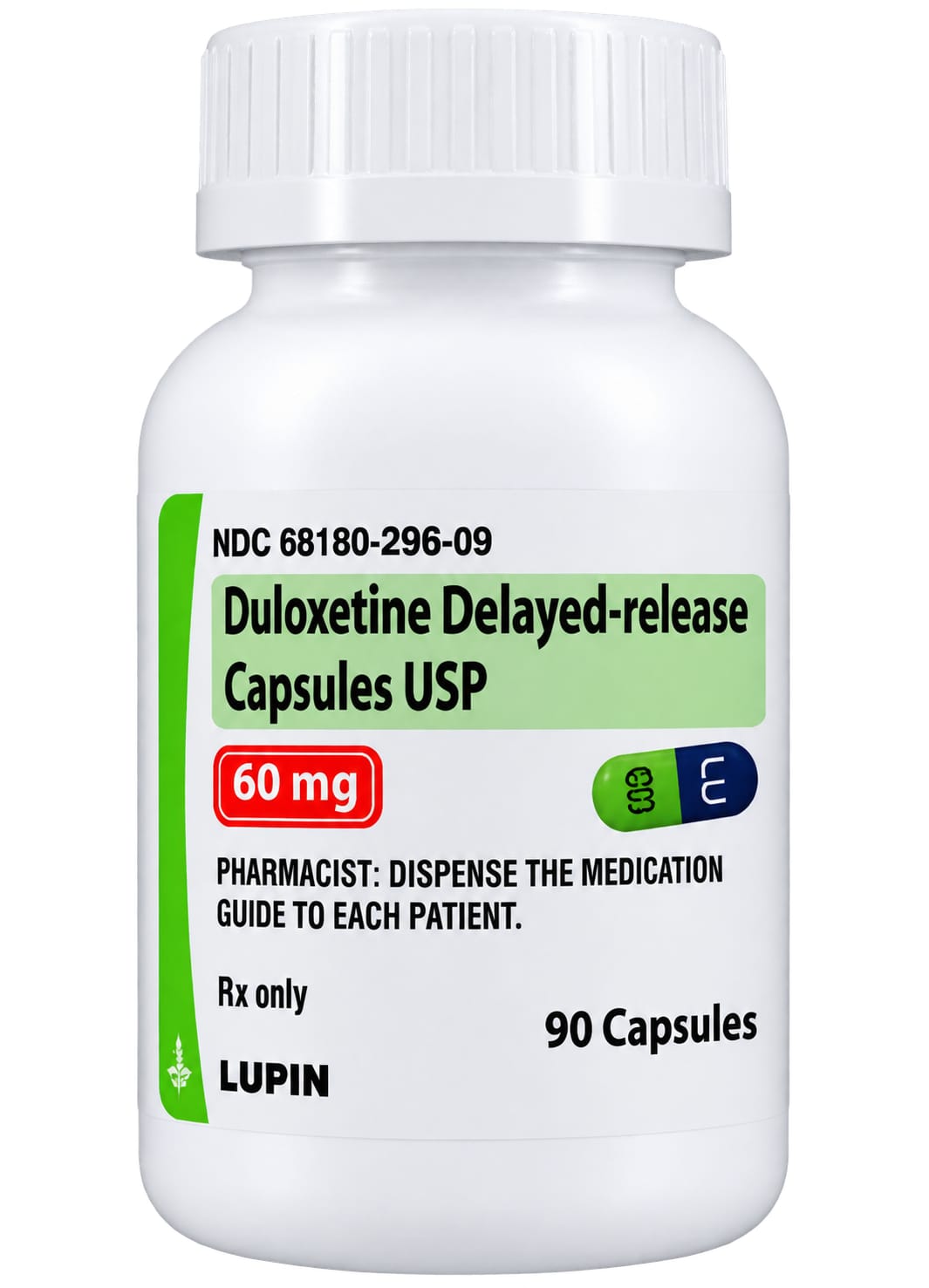
| Forms | Delayed-release capsule |
Quick overview
Duloxetine Capsule contains duloxetine, a medicine from the serotonin-norepinephrine reuptake inhibitor (SNRI) class. It is a prescription medicine available only as a delayed-release capsule, used to treat depression, generalized anxiety disorder, diabetic nerve pain, fibromyalgia, and chronic muscle and joint pain. It works by increasing serotonin and norepinephrine levels in the brain and spinal cord to help regulate mood and block pain signals. It carries a black box warning about increased risk of suicidal thoughts in people 24 and younger.
What is Duloxetine Capsule
Duloxetine is a prescription medicine that comes only as a capsule taken by mouth. It belongs to a group of antidepressants called serotonin-norepinephrine reuptake inhibitors (SNRIs).
Duloxetine Capsule uses
- Major depressive disorder (depression) in adults
- Generalized anxiety disorder in adults and children 7 years and older
- Nerve pain caused by diabetes (diabetic peripheral neuropathy)
- Fibromyalgia in adults and children 13 years and older
- Chronic muscle and joint pain, such as low back pain and osteoarthritis pain
Benefits of Duloxetine Capsule
- Can improve mood and reduce feelings of sadness or worthlessness in depression
- Can reduce excessive worry and physical anxiety symptoms
- Can reduce nerve pain caused by diabetes
- Can reduce widespread pain and improve quality of life in fibromyalgia
- Can reduce chronic muscle and joint pain
How Duloxetine Capsule works
Duloxetine increases the levels of two brain chemicals, serotonin and norepinephrine, which help control mood. It also increases these chemicals in the spinal cord, which helps block pain signals from reaching the brain.
Duloxetine Capsule dosage
Swallow the delayed-release capsule whole. Do not crush, chew, break, or open it. You can take it with or without food.
Some people who cannot swallow the capsule whole may be able to open it and sprinkle the contents on applesauce or mix it with water for use through a feeding tube, if their brand allows this — ask your doctor or pharmacist first.
It may take several weeks before you notice improvement. Keep taking the medicine even if you don't feel better right away, and talk to your doctor if you have questions.
Do not stop taking this medicine suddenly without talking to your doctor first, as this can cause withdrawal symptoms.
If you miss a dose, take it as soon as you remember, unless it is almost time for your next dose — in that case skip the missed dose and continue your normal schedule. Do not take two doses at once.
| Age group | Dose |
|---|---|
| Under 18 Years | Use only if prescribed by a specialist |
| Adults (18–64 Years) | Initial dose: 30–60 mg once daily; adjusted based on condition |
| Older Adults (65+ Years) | Lower starting dose may be required; adjusted based on response and health condition |
Available forms and strengths
- Delayed-release capsule
Side effects of Duloxetine Capsule
Common
- Nausea
- Dry mouth
- Sleepiness or drowsiness
- Fatigue
- Constipation
- Loss of appetite
- Increased sweating
- Dizziness
- Headache
- Diarrhea or loose stools
- Trouble sleeping (insomnia)
- Sexual problems, such as low sex drive
- Weight loss or decreased appetite
Serious
- Signs of liver damage, such as itching, pain in the upper right side of the belly, dark urine, or yellowing of the skin or eyes
- Sudden drop in blood pressure when standing, causing dizziness or fainting
- Serotonin syndrome, with agitation, hallucinations, fever, sweating, fast heartbeat, muscle stiffness or twitching, loss of coordination, nausea, vomiting, or diarrhea
- Increased bleeding or bruising, especially if taking blood thinners or NSAIDs
- Severe skin reactions, including blistering, peeling skin, or mouth sores
- Manic episodes, such as greatly increased energy, racing thoughts, or reckless behavior
- Vision problems, including eye pain or changes in vision
- Seizures or convulsions
- Low sodium levels in the blood, with headache, confusion, or feeling unsteady
- Problems with urination, such as decreased urine flow or trouble passing urine
- Allergic reaction, with swollen throat or tongue, hives, or trouble breathing
- New or worsening depression, or thoughts of suicide or self-harm
Warnings and precautions
- This medicine has a black box warning, the FDA's most serious warning, because it may increase the risk of suicidal thoughts and behavior in people 24 years old and younger, especially in early treatment.
- Do not take this medicine with, or within a couple of weeks of stopping, a monoamine oxidase inhibitor (MAOI), because a dangerous drug interaction could occur.
- Taking this medicine with other drugs that raise serotonin levels can cause a serious and possibly life-threatening condition called serotonin syndrome.
- This medicine can cause a sudden drop in blood pressure when you stand up, which can cause dizziness and increase your risk of falling.
- Do not stop taking this medicine suddenly, as this can cause withdrawal symptoms; your doctor should help you lower the dose gradually.
- This medicine may increase the risk of bleeding or bruising, especially when taken with blood thinners, aspirin, or NSAIDs like ibuprofen or naproxen.
- Talk to your doctor if you are pregnant or planning pregnancy. Taking this type of medicine late in pregnancy may increase the risk of bleeding after childbirth and may cause complications in the baby, but stopping the medicine may not be safe either, so the decision should be made with your doctor.
- This medicine can pass into breast milk. If you breastfeed while taking it, watch for drowsiness, feeding problems, or slow weight gain in your baby, and tell your doctor.
- This medicine should be avoided if you have severe kidney disease or are on dialysis, because your body may have trouble clearing the drug, which can increase side effects.
- This medicine should be avoided if you have chronic liver disease or cirrhosis, since it can be harder for your body to clear the drug, which may lead to further liver damage.
- Drinking heavily while taking this medicine increases the risk of severe liver injury. Talk to your doctor about your alcohol use before starting this medicine.
- This medicine can cause sleepiness or affect your ability to think clearly or react quickly. Do not drive, use heavy machinery, or do other risky activities until you know how it affects you.
Storage
- Store the medicine in a closed container at room temperature, away from heat, moisture, and direct light.
- Keep from freezing.
- Keep out of the reach of children.
- Do not keep outdated medicine or medicine no longer needed.
- Ask your healthcare professional how you should dispose of any medicine you do not use.
- Do not store this medication in moist or damp areas, such as bathrooms.
When to see a doctor
- Get emergency help right away if you have signs of a severe allergic reaction, such as swelling of the throat or tongue, hives, or trouble breathing.
- Tell your doctor right away if you notice sudden changes in mood or behavior, new or worse depression or anxiety, feeling agitated or reckless, or thoughts of suicide or self-harm.
- Call your doctor right away if you notice signs of liver problems, such as pain in the upper right side of your stomach, itching, dark urine, or yellowing of your skin or eyes.
- Seek medical attention right away if you have symptoms of serotonin syndrome, such as agitation, hallucinations, fever, sweating, shivering, fast heart rate, muscle stiffness, twitching, loss of coordination, nausea, vomiting, or diarrhea.
- Call your doctor at once if you have a pounding or fluttering heartbeat, feel light-headed like you might faint, have easy bruising or unusual bleeding, or notice vision changes.
- If you think you have taken too much of this medicine, get emergency help right away or contact poison control for guidance.
Alternatives
- Venlafaxine
- Escitalopram
- Amitriptyline
Watch the video
FAQs
What is Duloxetine Capsule used for?
It is used to treat major depressive disorder, generalized anxiety disorder, diabetic nerve pain, fibromyalgia, and chronic muscle and joint pain such as low back pain and osteoarthritis pain.
How does Duloxetine Capsule work?
It increases serotonin and norepinephrine levels in the brain and spinal cord, which helps regulate mood and blocks pain signals from reaching the brain.
Can I crush or open the Duloxetine capsule?
No, the delayed-release capsule should be swallowed whole and not crushed, chewed, broken, or opened, unless your doctor or pharmacist says your brand allows sprinkling the contents on applesauce or mixing with water for a feeding tube.
Can I stop taking Duloxetine Capsule suddenly?
No, you should not stop suddenly without talking to your doctor, as this can cause withdrawal symptoms; your doctor should help you lower the dose gradually.
What are the serious side effects of Duloxetine Capsule?
Serious side effects include signs of liver damage, sudden blood pressure drops, serotonin syndrome, increased bleeding or bruising, severe skin reactions, manic episodes, vision problems, seizures, low sodium levels, urination problems, allergic reactions, and worsening depression or suicidal thoughts.
General information, not medical advice
Your prescriber and the leaflet in your pack know your situation. This page does not.
- Follow your prescriber and the leaflet
- Don't start, stop, or change a dose on your own
- Doses and warnings differ by country and product
Sources
Video
Related medicines
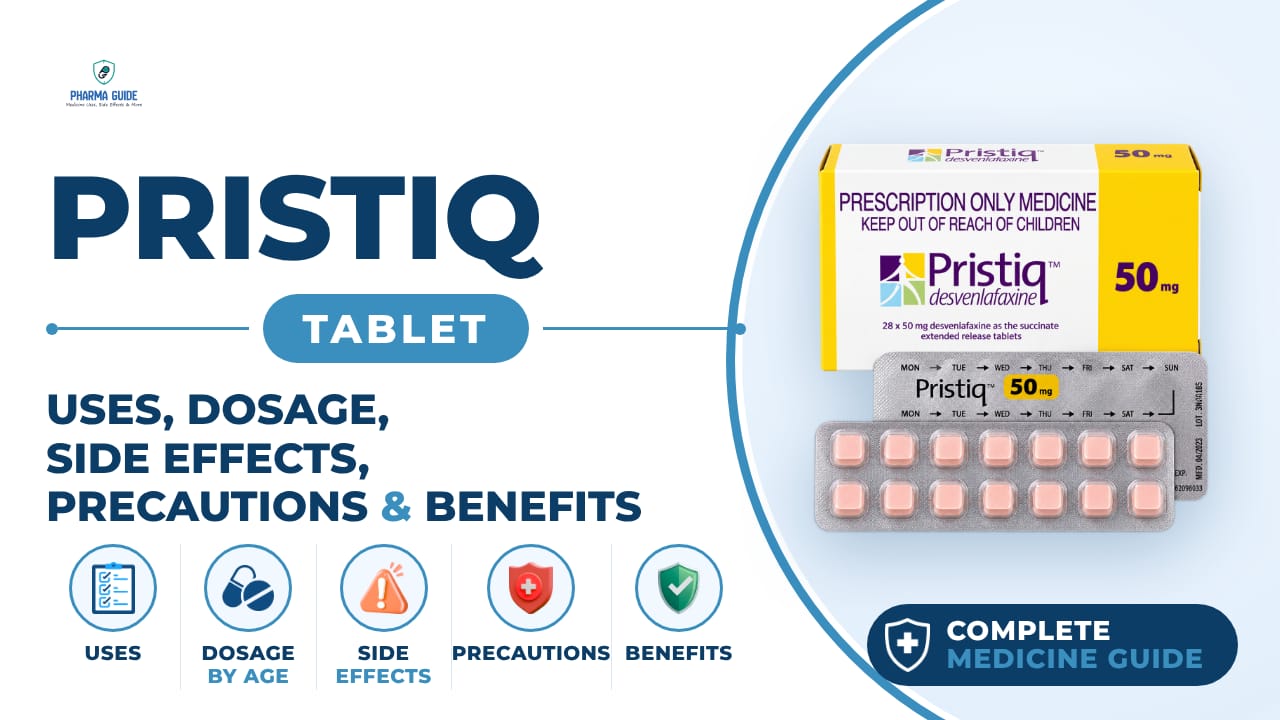
Pristiq Tablet: Uses, Dosage, Side Effects, Precautions and Alternates
Serotonin-norepinephrine reuptake inhibitor (SNRI)
Pristiq Tablet (desvenlafaxine) is an SNRI used to treat major depressive disorder in adults. Learn its dosage, side effects, and warnings.
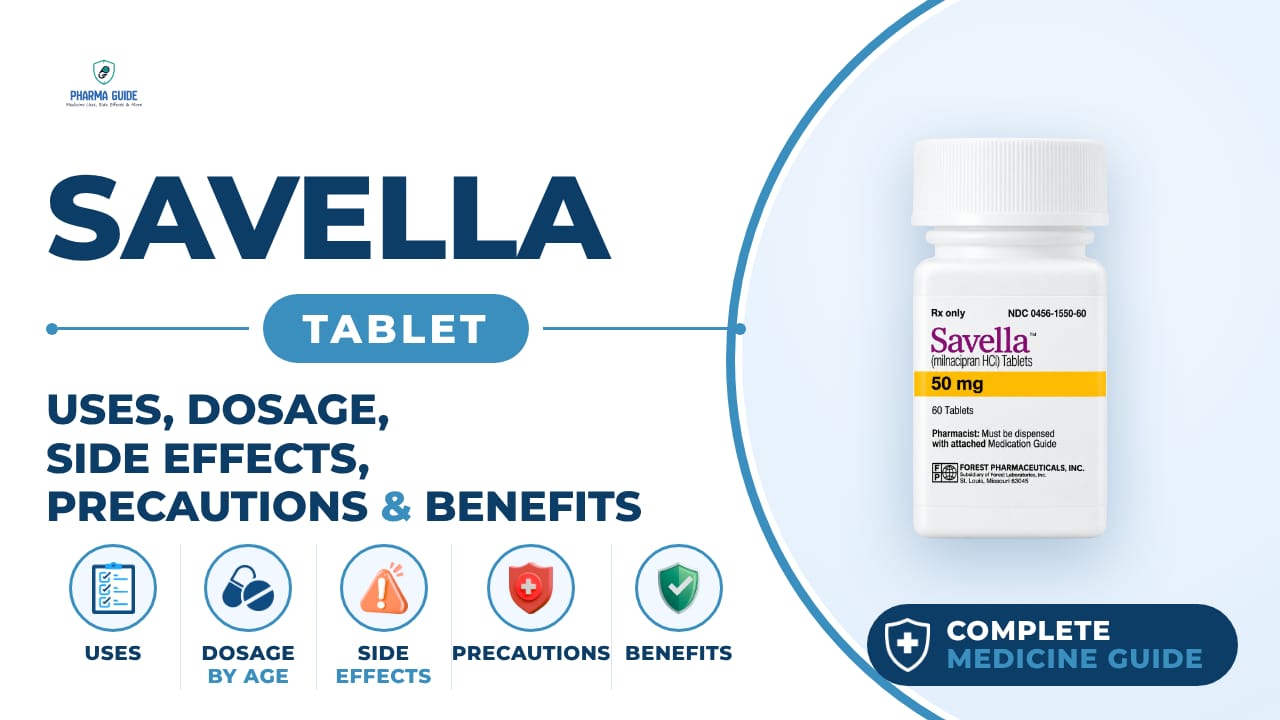
Savella Tablet: Uses, Dosage, Side Effects, Precautions and Alternates
Serotonin-norepinephrine reuptake inhibitor (SNRI)
Savella Tablet (milnacipran) is an SNRI used to treat chronic fibromyalgia pain. Learn how it works, dosage, side effects, and safety precautions.